Compare Indoor Soccer Shoes and Outdoor Cleats for Surface
Choosing between indoor soccer shoes and outdoor cleats comes down to matching three things: your primary playing surface, the shoe’s designated outsole type, and the specific traction pattern needed for safe, effective play on that surface.
Most players grab the shoe they own without checking the surface. They wear outdoor Firm Ground cleats on artificial turf because “it’s still grass, right?” Or they slide around in indoor shoes on a wet grass pitch. That mismatch costs performance. Worse, it multiplies injury risk.
This guide breaks down the engineering and the real-world consequences. You’ll learn how to read a shoe’s specs, why a AG cleat purpose is not the same as a turf shoe, and which models actually deliver for competitive play.
Key Takeaways
- Surface is law. Indoor shoes (flat rubber soles) are for artificial turf and courts. Outdoor cleats (raised studs) are for natural grass. Using the wrong type increases ACL injury risk by up to 2.5 times.
- Outdoor cleats are not one category. Firm Ground (FG) cleats are for dry grass. Artificial Ground (AG) cleats are for modern turf. Soft Ground (SG) cleats are for mud. Know your cleat types by surface.
- Traction design is a safety feature. Indoor shoes use hundreds of small rubber nubs to distribute pressure. Outdoor cleats use fewer, taller studs to penetrate the ground. The wrong pattern catches and twists.
- Material dictates touch and durability. Kangaroo leather offers the best ball feel and molds to your foot but requires care. Synthetics are lighter, weather-resistant, and consistent.
- Fit is non-negotiable. Soccer shoes must fit snugly, about a thumbnail’s width from your longest toe. Sizing varies by brand. Nike runs narrow, New Balance accommodates wider feet. Always consult a cleat fit guide.
Indoor Soccer Shoes vs Outdoor Cleats: The Core Design Differences
The split starts at the ground. An artificial turf field is a carpet of short plastic fibers over a rubberized base. A natural grass pitch is a living surface with give, moisture, and variability. The shoes are engineered for these different physical realities.
Indoor soccer shoes feature a flat, non-marking rubber outsole covered in a dense pattern of small raised nubs or a herringbone weave. This creates multi-directional grip by maximizing surface contact with the artificial turf fibers without penetrating the harder subsurface. Outdoor cleats utilize a soleplate with individually molded or detachable studs (bladed or conical) designed to sink into natural soil for vertical and lateral stability.
The indoor shoe’s job is to grip without grabbing. Too much traction on a non-giving surface leads to a twisted knee. The outdoor cleat’s job is to anchor. Too little penetration on soft ground leads to slips and wasted energy.
TL;DR: Indoor shoes grip the surface; outdoor cleats pierce it. The sole design tells you everything.
The Anatomy of an Indoor Soccer Shoe
Forget the court. Modern indoor soccer shoes are built for artificial turf pitches, which are larger and involve wall play. The design tackles three problems: impact, abrasion, and controlled traction.
First, the midsole has more cushioning. EVA or polyurethane foam layers absorb the shock from landing on the unyielding artificial base. You feel less leg fatigue after ninety minutes. Second, the upper gets reinforced in high-wear zones. The toe box and medial side use tougher material or stitching to survive slides against walls and tackles. Third, the outsole uses a rubber compound that’s sticky enough for cuts but releases cleanly.
Popular models like the Adidas Mundial Goal use Kangaroo leather for a broken-in feel from the first wear. The Puma FUTURE 9 MATCH uses a stretchy knitted collar and mesh for a locked-in fit. Both prioritize a low-to-the-ground feel despite the extra cushioning, which is crucial for quick touches.
The Anatomy of an Outdoor Cleat
Outdoor cleats are defined by their stud configuration, or soccer cleat stud patterns. The soleplate is a rigid nylon or thermoplastic chassis that holds the studs. The studs themselves are the interface with the earth.
Firm Ground (FG) cleats have 10-14 molded studs, often a mix of conical vs bladed studs. The conical studs provide rotational give, while the bladed ones offer explosive forward bite. They work on natural grass that is dry to slightly moist. Artificial Ground (AG) cleats have more studs, often 20+ shorter, hollow rubber nubs. The increased count distributes your weight to reduce pressure points on the harder turf base. Soft Ground (SG) cleats have 6-8 long, metal screw-in studs for deep penetration in mud.
The upper materials are a separate war. The classic leather vs synthetic cleats debate centers on touch versus consistency. Kangaroo leather conforms to your foot and the ball, offering superior feel. It also stretches. Synthetic uppers like Adidas’s Primeknit or Nike’s Flyknit are lighter, waterproof, and maintain their shape in all conditions. They often feature textured zones for ball grip.
The Injury Math: Why the Wrong Shoe is Dangerous
This is not about comfort. It’s about ligament integrity. The research is unambiguous: wearing the wrong footwear for your surface significantly elevates your risk of serious injury.
The most cited data point involves wearing FG soccer cleats on artificial turf. The longer, aggressive studs are designed to sink into soil. On turf, they can catch in the synthetic fibers or the rubber infill. When your foot is fixed but your body continues to rotate during a cut or tackle, the knee absorbs the torque. Studies suggest this mismatch can increase the risk of non-contact ACL injuries by up to 2.5 times compared to wearing proper AG surface footwear.
Common mistake: Using Firm Ground cleats on artificial turf, the studs catch in the turf fibers during a lateral cut, transferring rotational force to the knee and risking an ACL tear within a single season of regular play.
The inverse has different risks. Wearing indoor shoes with flat soles on wet natural grass offers zero penetration. You’ll slip during acceleration, potentially straining groin or hamstring muscles as you overcompensate for the lack of grip. On a muddy pitch, you have no stability for shooting or challenging for headers.
| Mismatch | Surface | Primary Risk | Timeline to Injury |
|---|---|---|---|
| FG Cleats | Artificial Turf | Knee ligament (ACL/MCL) tear | High risk within 1 season |
| Indoor Shoes | Wet Natural Grass | Slip-induced muscle strain (groin/hamstring) | Can occur in a single game |
| SG Cleats | Firm, Dry Grass | Ankle sprain from lack of stability | Likely within first few wears |
| Turf Shoes | Deep Mud | No traction leading to falls | Immediate, play-by-play |
The table shows the consequence of ignoring cleat soleplate designs. Your footwear is your primary safety equipment.
How to Choose: A Step-by-Step Surface Match
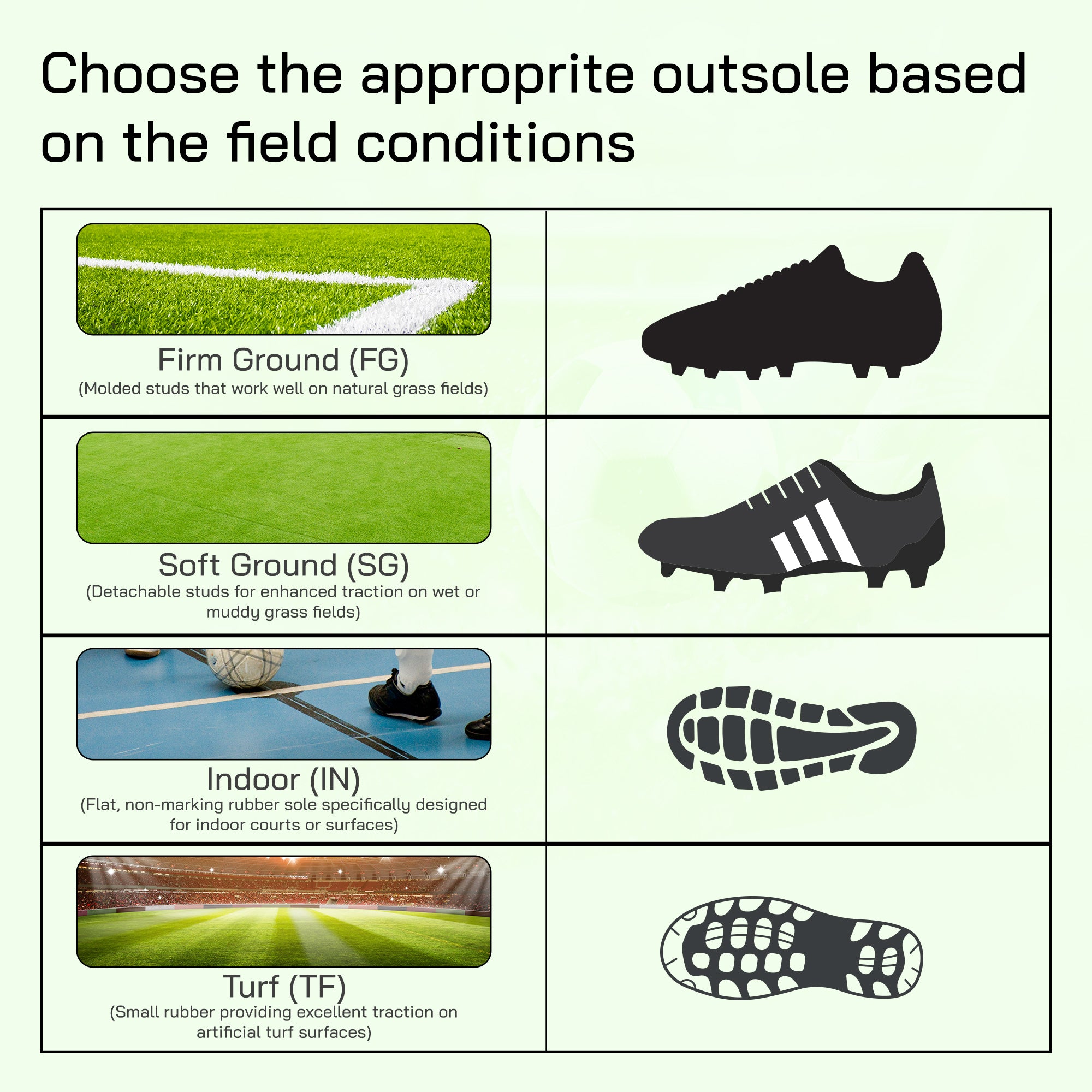
Stop looking at color first. Follow this sequence to eliminate the dangerous mismatches.
- Identify Your Primary Surface. Be honest. Where will you play 80% of your matches or training? If it’s a modern artificial turf field, you need indoor soccer shoes or dedicated AG cleats. If it’s natural grass, you must diagnose its usual condition, hard and dry (FG), soft and wet (SG), or a well-maintained hybrid (AG).
- Decode the Shoe’s Designation. Manufacturers label shoes for a reason. Look for the two-letter code on the box or product page: IN (Indoor), TF (Turf), FG (Firm Ground), AG (Artificial Ground), SG (Soft Ground). This is your first filter. It directly answers the question of what are AG soccer cleats used for.
- Analyze the Traction Pattern. Hold the shoe. An indoor sole will be flat with a pattern etched or raised slightly. An outdoor sole will have distinct, raised studs. Count them. Many small studs mean turf or AG. Fewer, longer studs mean FG or SG.
- Select the Upper Material. Do you prioritize ball feel and a custom fit? Choose Kangaroo leather, like in the Mizuno Morelia Sala Elite IN. Want a lightweight, weatherproof shoe that performs the same every day? A synthetic model like the Adidas F50 League is the call. This is the core of the cleat material comparison.
- Fit With Game Socks. Never try shoes on with bare feet or thin socks. Bring your actual playing socks. The fit should be snug, not painful, with about a thumbnail’s width of space at the end of your longest toe. Heel lockdown is critical; there should be zero slip.
TL;DR: Surface → Shoe Code → Sole Pattern → Material → Snug Fit. That order never changes.
Indoor vs Outdoor: Performance and Feel Compared
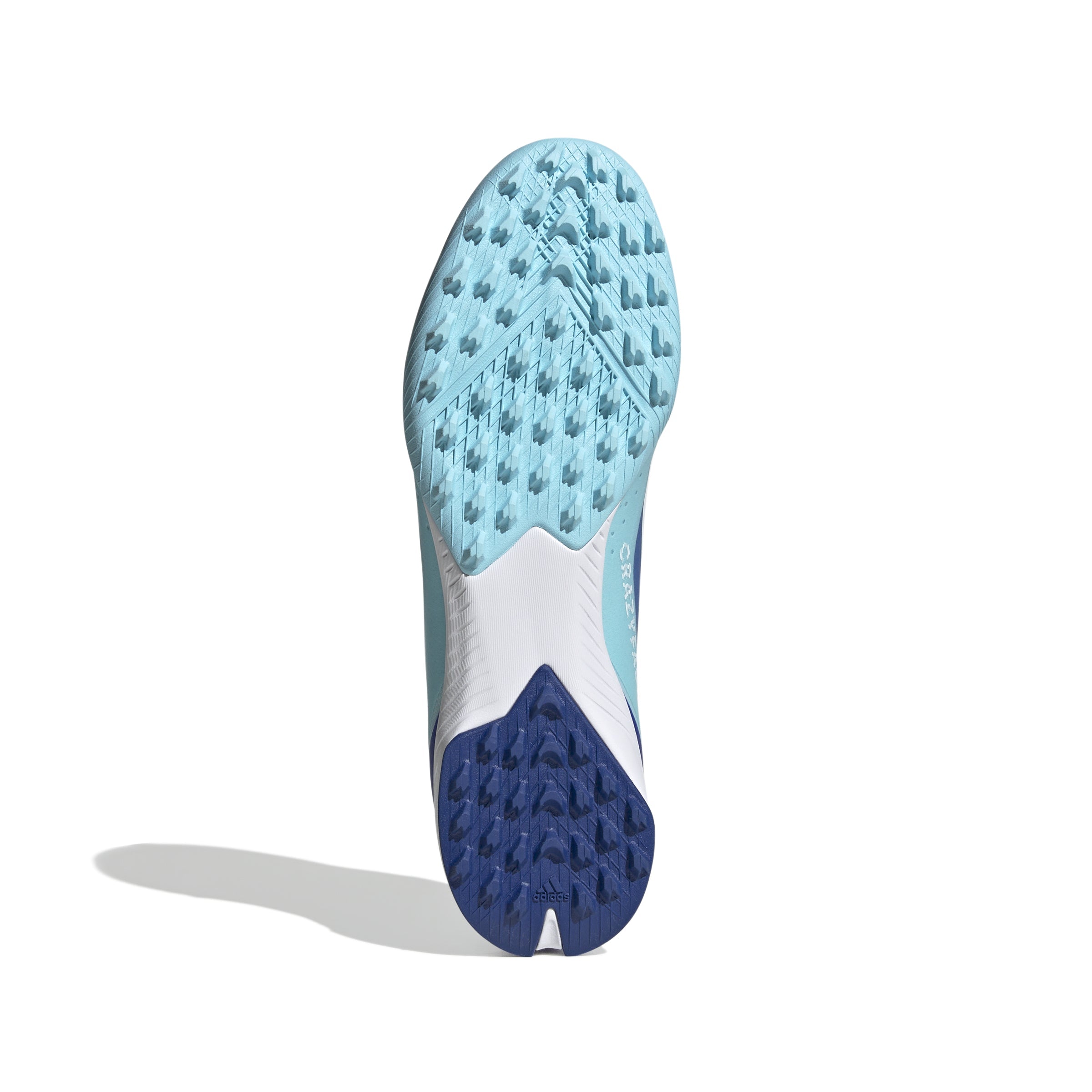
Wearing the right shoe transforms the game. The sensory feedback is different in your feet, your touches, and your movement.
Ball Feel and Touch
Indoor shoes, by necessity, have more layers between your foot and the ground. The added cushioning for impact protection can slightly dampen ball feel. Premium K-leather models mitigate this with their thin, pliable uppers. Outdoor cleats, especially FG models with thin leather uppers, offer the most direct sensation. You feel the seam of the ball. This is why purists still debate leather vs synthetic cleats for touch.
Weight and Agility
Modern synthetic outdoor cleats are incredibly light, often under 200 grams per shoe. They’re designed for maximum sprint speed. Indoor shoes are slightly heavier due to their reinforced construction and rubber outsoles, but the difference is marginal, maybe 20-30 grams. You notice the weight less than you notice the stability.
Durability and Wear
Indoor shoes face abrasive turf and walls. Their rubber outsoles wear down evenly. Outdoor cleats face mud, dirt, and hard ground. Their studs wear down at the tips, and the uppers face more scuffing. SG metal studs can be replaced; molded studs cannot. A quality AG soccer cleat will outlast an FG cleat on turf because its design matches the surface abrasion.
Expert Recommendations: What to Buy and When
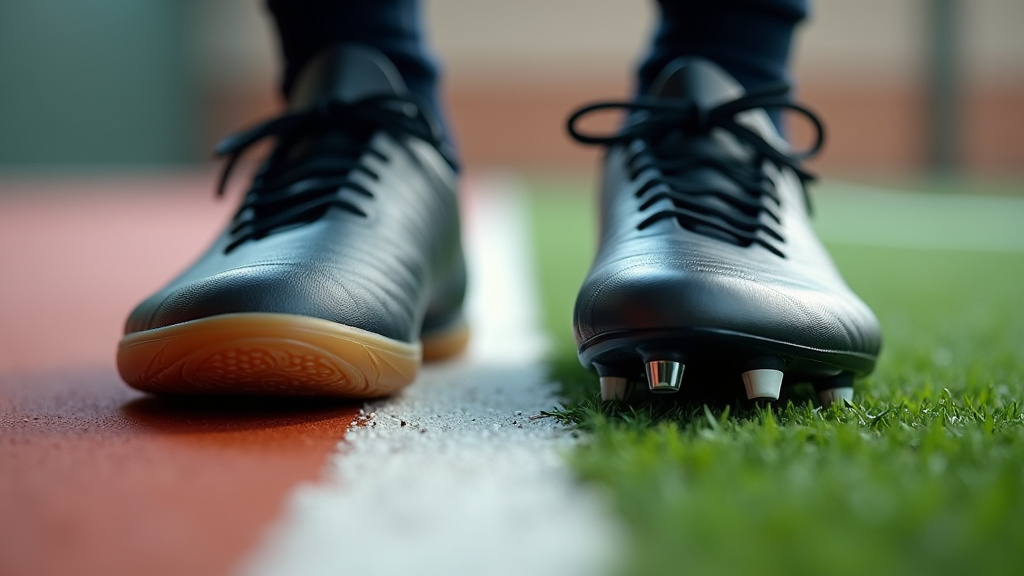
I’ve burned through shoes that didn’t match my surface. I wore a pair of premium FG cleats for a winter season on a sand-dressed artificial pitch. The studs wore down to nubs in three months, and the constant jarring on the base layer gave me shin splints. I switched to a proper AG model and the pain vanished. Here are my picks.
For Artificial Turf / Indoor Courts:
- All-Rounder Performance: Adidas Mundial Goal. The K-leather upper, gum rubber outsole, and proven design make it a benchmark. It’s not the lightest, but it’s durable and offers superb comfort.
- Modern Fit & Feel: Puma FUTURE 9 MATCH. The knitted collar and adaptive mesh provide a truly locked-in fit. The recycled materials are a plus. Excellent for players who value a sock-like sensation.
- Pure Ball Control: Mizuno Morelia Sala Elite IN. The premium K-leather is thinned and treated for incredible softness. The outsole is flexible in the right places. It’s a luxury option for the technical player.
For Natural Grass:
- Firm Ground (Dry Grass): Nike Mercurial Vapor 16 Elite FG. The synthetic upper is paper-thin for touch, and the stud configuration is optimized for explosive acceleration. It runs narrow.
- Artificial Ground (Modern Turf): Adidas Predator Elite AG. The soleplate has numerous short studs for safety on turf, and the Demonskin rubber spines on the upper add spin and swerve.
- Soft Ground (Wet/Muddy Grass): Nike Tiempo Legend 10 Elite SG. The Kangaroo leather handles the wet ball beautifully, and the screw-in metal studs provide confidence in terrible conditions. Keep these for match days only.
Remember, your cleat sizing differences from your regular sneakers are real. Always check the brand’s specific chart.
Frequently Asked Questions
Can I use indoor soccer shoes on natural grass?
No. You will have no traction. The flat rubber sole cannot penetrate the grass and soil, so you’ll slip constantly during cuts, sprints, and shots. It’s ineffective and increases your risk of slipping and pulling a muscle.
What happens if I wear outdoor cleats on artificial turf?
You risk serious knee injury. The studs are designed to dig in, but on turf, they can catch in the fibers. This can cause your foot to plant while your body rotates, leading to ACL or MCL sprains. You’ll also wear down the studs prematurely and damage the turf surface.
How do I know if my cleats are FG or AG?
Check the soleplate. FG cleats typically have 10-14 longer, shaped studs (blades or cones). AG cleats have many more studs (often 20+) that are shorter, rounder, and frequently hollow. The product description or box will also clearly state “FG” or “AG.”
Are turf shoes the same as indoor soccer shoes?
Not exactly. Turf shoes (often labeled TF) have even smaller, more numerous rubber nubs than indoor shoes. They are designed for hard, dry artificial surfaces or even dirt. Indoor soccer shoes are built for the specific demands of indoor/arena play, with more cushioning and reinforcement for walls. For most artificial turf fields, indoor shoes are the better choice.
Why are some soccer cleats so expensive?
The price reflects materials and technology. Kangaroo leather is a premium, regulated material. Lightweight synthetic knits involve complex weaving. Advanced soleplates use carbon fiber or engineered nylon for stiffness and energy transfer. You’re paying for research, development, and marginal performance gains that matter at high levels.
Do soccer cleats stretch out?
Leather cleats, especially Kangaroo leather, will stretch and mold to the shape of your foot. This is why they should feel very snug when new. Synthetic cleats stretch very little. They will break in and become more comfortable, but they will not expand in width or length significantly.
Before You Go
Your shoes are the only piece of equipment that touches the ground every single play. Choosing between indoor and outdoor footwear isn’t about style or brand loyalty, it’s about physics and safety. Match the sole to the surface with the precision of a technical cleat differences guide. Let the playing conditions dictate your choice, not the other way around.
Invest in the right category first. A mid-tier shoe that matches its surface will always outperform a top-tier shoe that doesn’t. Once you’ve locked in the correct type, be it a rugged indoor model or a specific football cleat category for grass, then you can dive into the nuances of material and fit. Your knees, your performance, and your longevity in the game depend on this one decision. Make it count.
I come from the “soccer heart” of Germany, the Ruhrpott. I have played, trained and followed soccer all my life and am a big fan of FC Schalke 04. I also enjoy following international soccer extensively.