Comparing Leather & Synthetic Soccer Cleats: Pros and Cons
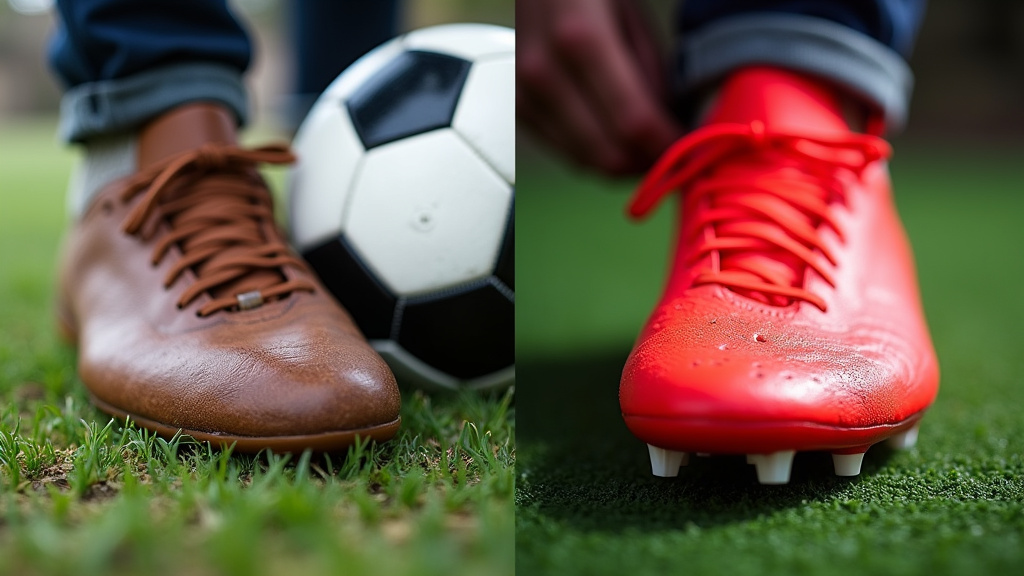
Choosing between leather and synthetic soccer cleats comes down to three things: your foot shape, your position’s demands, and whether you prioritize a molded feel or a consistent fit. Leather cleats, made from tanned animal hide, stretch to form a custom fit and offer a soft, cushioned touch. Synthetic cleats, engineered from materials like polyurethane or microfiber, are lighter, hold their shape, and provide a direct, thin connection to the ball.
Most players pick the wrong material because they chase a brand name or a pro player’s boot without understanding how their own foot interacts with the upper. They end up with blisters, a dead touch, or a cleat that falls apart in the wrong conditions.
This guide breaks down the leather vs. synthetic debate with the gritty details most reviews skip, like how kangaroo leather feels after 20 games in the rain, why that shiny synthetic toe box cracks, and which material actually saves you money over two seasons.
Key Takeaways
- Leather cleats stretch and mold to your foot, creating a custom fit perfect for wide feet, but require a 3-5 game break-in period and regular conditioning to prevent cracking.
- Synthetic cleats maintain their factory shape, offering a consistent, snug fit ideal for narrow feet, with little to no break-in but less impact protection from tackles.
- The best ball feel isn’t automatically leather; modern synthetics like Nike Techleather mimic leather’s softness, while traditional synthetics offer a thinner, more direct touch favored by speed players.
- Durability is a trade-off: leather outlasts synthetics in the upper if maintained, but synthetics resist water damage and are easier to clean, making them better for wet climates.
- Your position and playing surface decide the winner: control-focused midfielders often choose leather, while wingers and forwards on firm ground frequently pick lightweight synthetics.
How Leather and Synthetics Actually Feel on the Ball
The touch debate is where marketing meets the pitch. Leather, at its best, feels like a second skin. Kangaroo leather, used in top-tier boots like the Nike Tiempo Legend, is exceptionally thin and supple. It wraps the ball with a slight cushion, which helps with cushioning passes and controlling hard-driven balls. You feel the ball, but there’s a micro-layer of padding.
Leather’s cushioning comes from the natural collagen structure of the hide, which compresses slightly on impact. This dampens vibration and gives that classic, soft reception, unlike the more direct transfer of force through a thin synthetic.
Synthetic touch has evolved. Forget the plasticky, board-like feel of old polyurethane (PU) cleats. Materials like Nike’s Techleather or Puma’s K-BETTER are engineered microfiber textiles. They’re designed to be soft and flexible right out of the box, closely mimicking leather’s touch. The goal is a consistent feel that doesn’t change with weather.
Traditional performance synthetics, like on the Nike Mercurial, are different. They are ultra-thin and rigid in their flexibility. This provides a direct, almost raw connection to the ball. You feel every seam. For players who rely on blistering pace and need to manipulate the ball with the front of the foot quickly, this direct feedback is the priority. It’s a sharper, more precise feel.
TL;DR: Leather offers a cushioned, traditional touch; modern synthetics aim for similar softness; performance synthetics give a thin, direct connection for speed.
The Fit and Comfort Breakdown: Mold vs. Hold
This is the most critical physical difference. Leather is a living material that stretches. A calfskin or kangaroo leather cleat will expand widthwise over 3 to 5 full matches. It molds to the contours of your foot, creating a truly personalized fit. This is a godsend for players with wider feet or high insteps. The break-in period can be punishing, think blisters and hot spots, but the result is a glove-like fit.
Synthetic materials do not stretch appreciably. What you try on in the store is what you’ll have in 6 months. They hold their engineered shape. This makes them the definitive choice for players with narrow or standard-width feet who want a locked-in, consistent feel from the first minute to the last. There’s minimal break-in; comfort is almost immediate.
Common mistake: Buying synthetic cleats a half-size too small hoping they’ll stretch, they won’t. You’ll crush your toes, and the rigid material can cause nerve pain or numbness by the second half.
The internal padding differs too. Leather cleats often have more plush, fabric-based lining. Synthetics rely on the engineered foam properties of the upper material itself or thinner liners to save weight. This is why leather generally provides more impact protection. Getting stepped on by a stud in a leather boot hurts less than in a paper-thin synthetic one. Your choice here directly affects your cleat break-in methods and long-term comfort.
| Fit Characteristic | Leather Cleats | Synthetic Cleats |
|---|---|---|
| Shape Over Time | Molds & stretches to foot shape | Holds original factory shape |
| Best For Foot Type | Wide feet, high insteps | Narrow, standard-width feet |
| Break-In Period | 3–5 full matches (can be painful) | 0–1 match (minimal) |
| Internal Feel | Softer, more padded lining | Firmer, more direct lining |
| Protection | Better impact cushioning | Less protection from tackles |
Weight, Water, and Weather Performance
Synthetic cleats win the weight category outright. By ditching the dense hide and tanning agents, manufacturers shed crucial grams. A modern synthetic speed boot can be 30-40% lighter than a comparable leather model. That difference matters over 90 minutes and a dozen sprints. It’s a tangible advantage for players whose game is built on acceleration and agility.
Weather performance is a split decision. Synthetics are inherently more water-resistant. Most have hydrophobic coatings, so water beads up and rolls off. They don’t absorb moisture, meaning they won’t become waterlogged and heavy during a rainy game. They also dry incredibly fast. You can wipe them down and they’re ready to go.
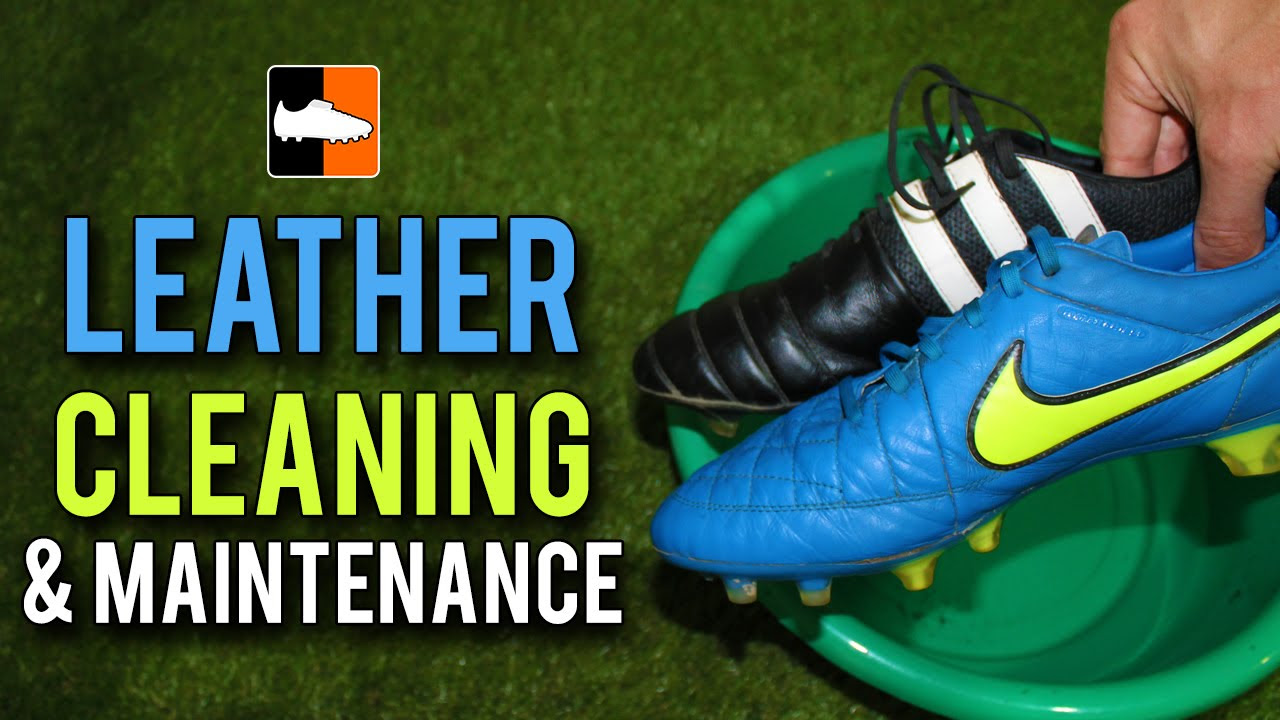
Leather acts like a sponge. It absorbs water, which adds weight and can soften the material excessively, leading to over-stretching. A soaked kangaroo leather boot can lose its structural integrity. However, proper care, regular application of a leather conditioner, creates a protective barrier that greatly improves water resistance. Neglect this, and the leather dries out, cracks, and is ruined.
For consistent play in wet climates, synthetics are the pragmatic, low-hassle choice. For dry conditions or players committed to maintenance, leather’s water issues are manageable. Your local climate and willingness to perform basic cleat maintenance should guide you here, just as you’d pick specific soleplate designs for your usual pitch.
The Durability and Care Showdown
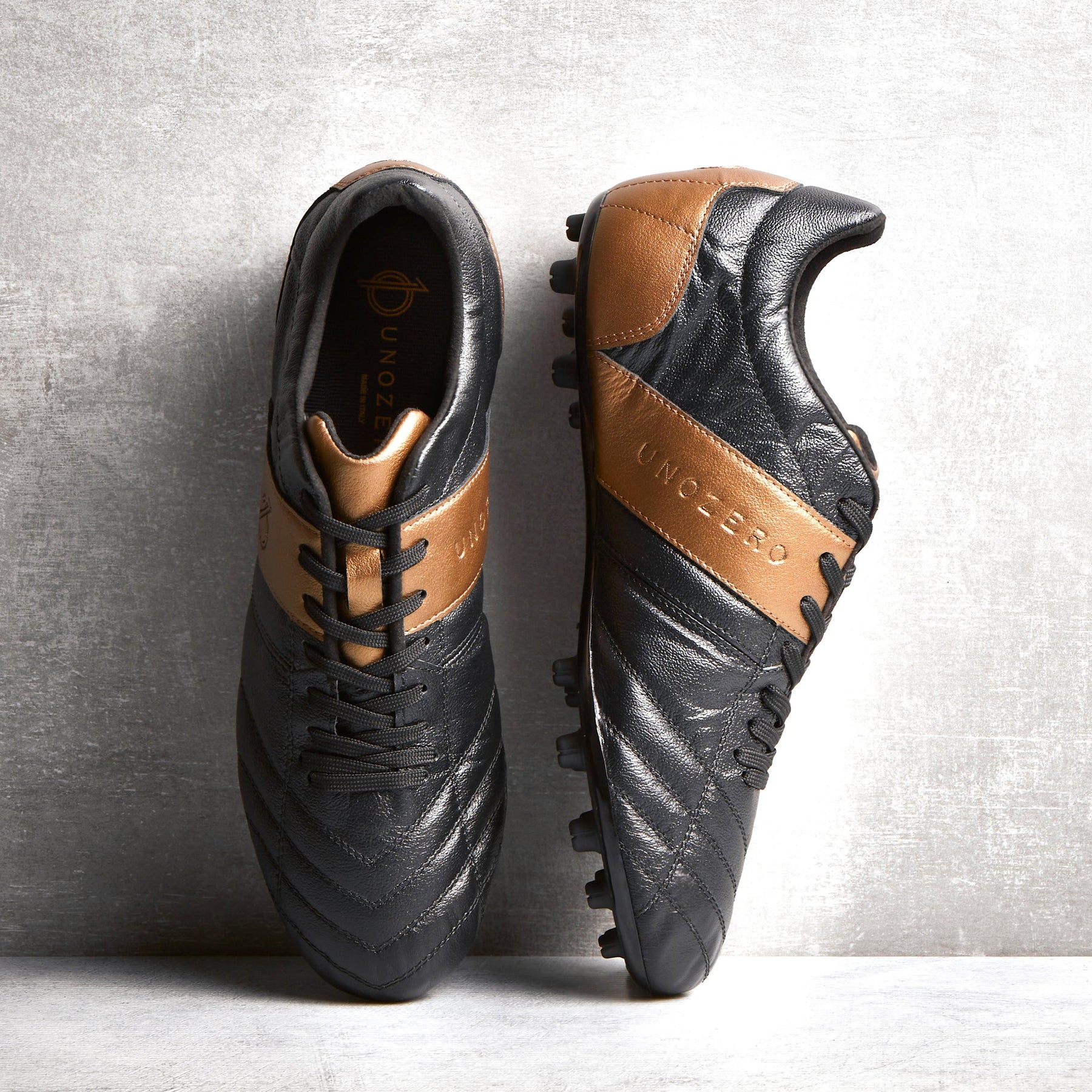
Durability isn’t about which material is “tougher.” It’s about what wears out, and how you prevent it. A leather upper, if kept conditioned, can last for years. The collagen fibers are strong and resilient. The failure point is usually the soleplate separating from the upper or stud wear, not the leather itself disintegrating. But “if kept conditioned” is the key. Leather left to dry out will crack, especially along the flex points of the toe box. It demands care.
Synthetic uppers are low-maintenance. A wipe with a damp cloth is often enough. They won’t crack from dryness. Their weakness is abrasion. The thin top layer of a synthetic can scuff and peel, particularly on the toe from repeated dribbling. Once that protective top coat is worn through, the underlying foam can tear. While modern synthetics are more durable, a sharp tackle or drag on abrasive artificial grass can cause a catastrophic rip that can’t be repaired.
Consider the playing surface. The abrasive nature of modern artificial grass cleats surfaces is notoriously harsh on all materials, but synthetics often show cosmetic wear faster. A long-term sustainability evaluation indicator study notes that well-maintained natural materials can have a longer functional lifespan than some synthetics, which aligns with the experience of players who baby their leather boots.
TL;DR: Leather lasts longer with consistent care; synthetics are low-maintenance but can succumb to abrasion and tearing.
Position, Playstyle, and Your Final Decision
Your role on the pitch should heavily influence your choice. This isn’t marketing, it’s physics and feel.
Choose Leather If You Are:
- A central midfielder or defender who values touch, control, and cushioning for long passes and tackles.
- A player with a wider foot who needs the space and custom mold.
- Someone who plays mostly on natural grass in relatively dry conditions.
- A player who doesn’t mind a short break-in period for a long-term, personalized fit.
Choose Synthetic If You Are:
- A winger, forward, or attacking full-back where lightweight design and foot speed are critical.
- A player with a narrow foot who wants a locked-in, consistent fit from day one.
- Someone who frequently plays in wet or variable conditions and needs a boot that dries fast.
- A player on mixed or artificial surfaces where easy cleaning is a benefit.
The classic example is the playmaking midfielder versus the speedy winger. The midfielder, dictating tempo, might prefer the cushioned reception and molding of a leather Nike Tiempo. The winger, making explosive runs, likely chooses the featherweight, direct feel of a synthetic Nike Mercurial. Both are right for their jobs. Understanding your primary function helps cut through the noise, much like knowing when to use specific stud traction types.
I played my entire youth career in leather copas, convinced synthetics were for players who didn’t appreciate “the real game.” My first season in a semi-pro league, a coach handed me a pair of synthetic Mercurials. The first touch was jarring, it felt like playing in socks. But by the third game, my dribbling was sharper in tight spaces, and I was noticeably quicker off the mark. I still use leather for training, but for match day, I need that synthetic edge.
Frequently Asked Questions
Do leather soccer cleats last longer than synthetic?
Yes, but with a major caveat. The leather upper itself is more resilient to flex fatigue and abrasion over many years if it is regularly conditioned to prevent drying and cracking. A neglected leather cleat will crack and fail faster than a synthetic one. Synthetic cleats often show cosmetic wear (scuffing) sooner but require zero maintenance to prevent material degradation.
Can synthetic cleats be as comfortable as leather?
For narrow feet, synthetics can be more comfortable because they provide immediate, consistent comfort without a break-in period. For wide feet, they will rarely achieve the customized, molded comfort of stretched leather. The comfort type is different: synthetics offer a snug, supportive hold; leather offers a soft, adaptive wrap.
Are leather cleats bad for wet weather?
They are not ideal. Traditional leather absorbs water, becoming heavier and potentially over-stretching. Modern leather cleats often have water-resistant treatments, and regular conditioning helps, but they will never match the hydrophobic, quick-drying performance of a synthetic boot. For very wet climates, synthetics are the more practical choice.
Which material is better for ball control?
There is no universal winner. Leather provides a cushioned, dampened touch excellent for receiving and passing. High-end synthetics aim to replicate this. Performance-oriented synthetics offer a thinner, more direct touch that many players prefer for dribbling and precise shooting. Control is subjective and depends on what “feel” you prefer.
Do professional players wear leather or synthetic cleats?
You see both at the highest level, strongly correlated with position. Central defenders, holding midfielders, and goalkeepers frequently wear leather models (e.g., Nike Tiempo, Adidas Copa). Wingers, forwards, and attacking full-backs overwhelmingly wear lightweight synthetics (e.g., Nike Mercurial, Adidas X). Pros choose based on the specific performance attributes their role demands.
Before You Go
Ignore the hype and focus on your anatomy and your game. If your foot is wide and you command the midfield, leather’s mold and touch are worth the extra care. If you’re built for speed with a narrow foot, synthetic’s light weight and consistent fit will unlock your game. Don’t buy a material because a star wears it; buy the tool that fits your foundation. Try both types on with soccer socks, move around the store, and imagine the 75th minute. That feeling doesn’t lie. Your cleats are an extension of your foot, not a fashion statement. Choose the one that disappears and lets you play.

I come from the “soccer heart” of Germany, the Ruhrpott. I have played, trained and followed soccer all my life and am a big fan of FC Schalke 04. I also enjoy following international soccer extensively.