Match Ball vs Training Ball Soccer
This post contains affiliate links. As an Amazon Associate, we earn from qualifying purchases.
Your striker lines up the perfect shot. The ball rockets toward the top corner—then swerves wide. Was it technique, or the ball itself? This frustrating moment highlights why understanding the match ball vs training ball soccer difference can transform your game. While both look identical at first glance, their construction creates vastly different playing experiences that directly impact performance when it matters most. Choosing the wrong type sabotages your development and wastes hard-earned cash.
Every serious player eventually faces this dilemma. Training balls dominate practice sessions, but official matches demand certified equipment. The gap between these spheres affects everything from your first touch to your wallet. Let’s break down exactly what separates these soccer essentials and when to use each type for maximum development. You’ll discover why top clubs rotate both types strategically and how to avoid the #1 mistake that destroys expensive match balls in weeks.
Why Match Balls Fail on Training Fields
The fundamental difference starts with purpose. Manufacturers engineer these balls for entirely separate missions, creating distinct characteristics that players feel immediately upon first touch.
Training Ball Abuse Resistance
Training balls prioritize endurance above all else. Built for daily punishment on asphalt lots and artificial turf, these workhorses withstand constant kicking against walls and accidental curb impacts. Their thicker synthetic outer layers and reinforced internal stitching sacrifice precision for longevity. Most importantly, they maintain consistent performance even after months of heavy use—critical when coaches need reliable equipment for repetitive wall-pass drills. A quality training ball laughs at rain-soaked fields where match balls would become waterlogged bricks.
Match Ball Fragility in Practice
Match balls chase perfection during crucial moments. Every element—from the premium polyurethane exterior to thermally bonded seams—serves competitive excellence. These balls deliver truer flight paths, softer touch response, and consistent bounce demanded by professional play. However, this performance focus creates vulnerability. One aggressive training session on artificial turf can permanently damage panels designed for pristine grass fields. The seamless construction that enables bending free kicks also peels apart when scraped against concrete.
Material Differences That Change Your Game

Touch any soccer ball and you immediately notice texture variations. These surface differences reflect deeper construction choices that create the playing experience.
Training Ball Surface Durability
Training balls feature thick synthetic leather that resists scuffs and tears through daily abuse. Traditional stitched panels create visible seams, adding durability but potentially causing uneven surfaces that disrupt spin. The material density means higher water absorption—expect noticeably heavier play during rainy conditions. While this added weight provides stability for passing drills, it creates sluggish response compared to match balls. When you’re working on quick combinations, that extra heaviness masks subtle technique flaws.
Match Ball Precision Engineering
High-grade polyurethane forms the outer layer, creating that buttery-soft touch elite players crave. Thermally bonded construction eliminates traditional stitching, achieving a seamless sphere that responds precisely to spin and technique. Water-resistant coatings maintain consistent weight regardless of weather, ensuring your 30-yard strike behaves identically in sunshine or downpour. This engineering allows pros to execute precise chips and knuckleballs impossible with training balls.
Weight Impact on Shooting and Passing
Pick up both ball types and the weight difference becomes obvious. This seemingly minor variation creates dramatic performance changes during play.
Training Ball Stability vs Sluggishness
Extra grams provide stability during windy conditions, making training balls more forgiving for developing players. However, this weight prevents the curling shots and swerving passes that define advanced technique. The stiffer construction creates predictable flight paths—excellent for repetitive wall drills but limiting for creative play development. Beginners often develop heavy touches with training balls, then struggle when transitioning to match balls during games.
Match Ball Spin Responsiveness
FIFA-regulated weight allows maximum spin response. Watch professionals bend free kicks and you’ll see match ball physics in action. The lighter construction responds immediately to foot technique, enabling precise placement and creative ball movement. This sensitivity demands refined touch but rewards skilled players with enhanced control possibilities. A well-struck match ball with proper technique will curve dramatically—something impossible with the heavier training alternative.
Artificial Turf: The Match Ball Killer
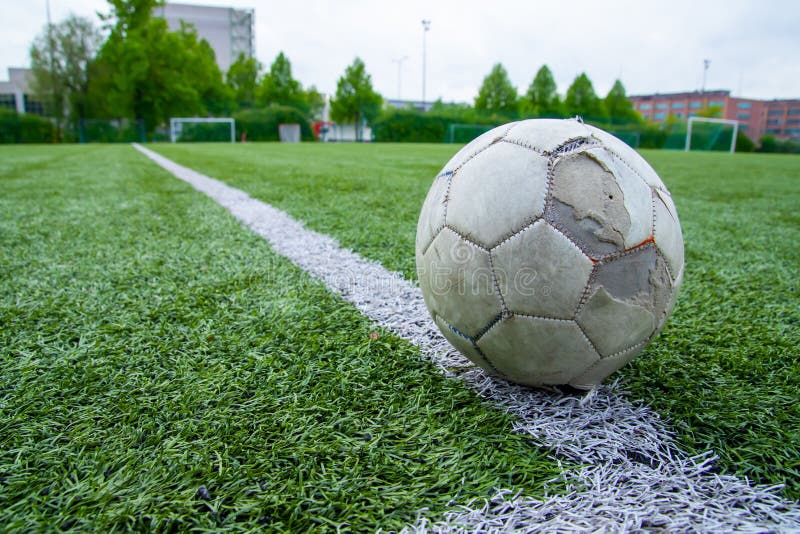
Your choice between durability and performance determines long-term costs and playing experience. Understanding these trade-offs prevents expensive mistakes.
Training Ball Multi-Surface Survival
Designed for multi-surface abuse, training balls thrive where match balls fail. They handle artificial turf friction, hard ground impacts, and temperature extremes without significant degradation. Most last 6-12 months of daily use, making them economical for clubs buying in bulk. The thicker panels resist scuffing even when used on concrete surfaces during casual street play. When your team trains on turf three times a week, only training balls survive the season.
Match Ball Surface Limitations
Premium materials create vulnerability on anything but grass. Thermal bonding separates rapidly on artificial turf through heat buildup and friction. Scuffed panels permanently alter flight characteristics, turning your prized match ball into a wobbly missile. Expect 3-6 months of careful game use before performance degrades—far shorter if used on turf. Many players unknowingly destroy $100+ balls within weeks by using them for routine training.
Goalkeeper-Specific Ball Challenges
Different player roles benefit from strategic ball selection. Understanding position-specific needs maximizes development while managing equipment costs.
Goalkeeper Training Ball Advantages
Keepers face unique challenges with ball differences. Training balls provide heavier, more predictable flight for catching practice, building hand strength through resistance. The consistent weight helps develop reliable punching technique during crosses. However, goalkeepers must also practice with match balls to adjust for their lighter, more responsive movement during games. Smart keepers use training balls for 80% of sessions but switch to match balls for game-situation training.
Striker Precision Requirements
Attacking players require regular match ball exposure to develop finishing precision. Daily shooting practice with training balls builds power, but the heavier weight creates false feedback on shot placement. The optimal approach: use training balls for volume work, then switch to match balls for accuracy refinement. This combination develops both power and precision without excessive equipment costs. Never take penalty kicks with a training ball—you’ll develop muscle memory that fails during actual matches.
Rain Performance: The Hidden Game-Changer
Environmental factors affect each ball type differently, creating performance variations that players must anticipate during competition.
Training Ball Water Absorption Disaster
Training balls absorb water like sponges, becoming significantly heavier during wet conditions. This added weight affects passing distances and shooting accuracy dramatically—your usual through ball falls short, and shots lack power. The uneven water distribution creates unpredictable bounces that frustrate keepers and field players alike. After 15 minutes of rain, your training ball can gain 20% in weight, completely changing game dynamics.
Match Ball Weather Consistency
Match balls maintain consistent performance through water-resistant coatings and sealed seams. Your technique translates directly regardless of weather, making them essential for competitive play. During crucial matches, this consistency provides psychological confidence—you know exactly how the ball will behave when bending that free kick in the 89th minute. Never use a match ball for rainy training sessions though; the surface abrasion from wet turf destroys them faster.
Certified Match Balls: Avoiding Fake “Game Balls”
Understanding official certifications helps identify legitimate match balls versus marketing claims. This knowledge prevents costly purchasing mistakes.
FIFA Quality Mark Requirements
Official match balls undergo rigorous testing for weight, circumference, water absorption, and rebound characteristics. FIFA-approved models display certification marks proving compliance with international standards. These balls maintain consistent performance across temperature ranges—critical when playing in varying climates. Without this certification, “match balls” are often just premium training balls that fail under competition pressure.
Training Ball Quality Spectrum
No certification requirements govern training balls, creating massive quality variations. Focus selection on reputable manufacturers rather than price alone. Higher-quality training balls offer better value through extended lifespan, even at slightly increased initial cost. Avoid bargain-bin options—their inconsistent weight and poor water resistance create bad habits. For serious training, invest in mid-range training balls that balance durability and performance.
Smart Ball Rotation Strategy for Teams
Your specific situation determines optimal ball selection. Competitive players need both types for complete development, while recreational players might prioritize training ball durability.
Position-Based Usage Schedule
- Defenders: Use training balls for 90% of sessions (focus on clearance power)
- Midfielders: 70% training balls (passing volume), 30% match balls (final pass precision)
- Strikers: 50/50 split (power shooting vs finishing accuracy)
- Goalkeepers: 80% training balls (handling practice), 20% match balls (game simulation)
Seasonal Equipment Planning
Pre-season training relies heavily on training balls for fitness and repetition work. As competition approaches, gradually increase match ball usage—start with 10% during preseason scrimmages, rising to 50% during game weeks. During tournaments, use match balls exclusively for all pre-game warmups. Off-season training returns to durable balls for maintenance without excessive equipment costs. Never store match balls with training balls—the rougher surfaces cause micro-abrasions that degrade performance.
Final Note: Mastering the match ball vs training ball soccer difference separates serious players from casual kickers. Training balls build foundational strength and technique through relentless repetition, while match balls refine the precision demanded in competitive moments. Smart players rotate both types strategically: training balls for 80% of sessions, match balls for critical game preparation. Remember that artificial turf destroys match balls rapidly—reserve them exclusively for grass-field matches and pre-game warmups. Invest in quality training balls first ($30-$50 range), then add certified match balls as competition demands increase. Properly managed, this dual-ball approach develops complete technique while protecting your wallet. When game day arrives, that familiar match ball feel transforms pressure moments into opportunities—exactly when performance matters most.
I come from the “soccer heart” of Germany, the Ruhrpott. I have played, trained and followed soccer all my life and am a big fan of FC Schalke 04. I also enjoy following international soccer extensively.