Exploring Morocco’s World Cup History and Greatest Results
Morocco’s greatest World Cup results are its historic 2022 semifinal run, its 1986 round of 16 achievement as the first African team to advance, and its 1970 draw against Bulgaria, Africa’s first-ever World Cup point. These milestones define the Atlas Lions’ pioneering legacy for their continent and the Arab world.
Morocco’s World Cup history is a story of pioneering firsts for Africa and the Arab world, culminating in a historic fourth-place finish in 2022. Their journey spans seven tournaments, defined by a 1970 draw that changed continental perception, a 1986 run that broke new ground, and the 2022 campaign that rewrote the record books for an African nation.
Most summaries stop at 2022. They treat the Atlas Lions as a one-tournament wonder, ignoring the four decades of groundwork that made the miracle in Qatar possible. The 1970 point, the 1986 round of 16, the near-misses in the 90s, each built the belief system that finally exploded under Walid Regragui.
This guide maps all seven appearances, dissects the 2022 tactics, and explains why their current golden generation is built for more than just one legendary run.
Key Takeaways
- Morocco’s 1-1 draw with Bulgaria in 1970 earned the first-ever World Cup point for an African team, a continental landmark that predates their 1986 knockout round entry.
- The 2022 semi-final run was built on a record-breaking defensive unit that conceded only one goal (an own goal) in five matches before the semi-final.
- Their flawless qualification for 2026, eight wins, 22 goals for, two against, mirrors the dominance of a top-five FIFA-ranked side, not a plucky underdog.
- Manager Walid Regragui’s 2026 resignation, citing mental exhaustion, reveals the immense pressure that follows historic success for a national team.
- Co-hosting the 2030 World Cup with Spain and Portugal guarantees participation and provides a generational infrastructure boost for Moroccan football.
Morocco’s World Cup Appearances Timeline
The Atlas Lions have qualified seven times. Each entry marked a step forward for African football.
Their debut in 1970 is the one casual fans forget. The team lost to West Germany and Peru, but the 1-1 draw with Bulgaria was seismic. It was the first point any African nation had ever taken at the World Cup. The goal by Mohamed Houman wasn’t just a score; it was a statement that teams from the continent belonged. That single point shifted the global perception of African football from tourist to competitor.
Morocco’s 1970 campaign, documented in detail on the Wikipedia’s Morocco World Cup record, shows they finished third in Group 4 with one point from three matches. The historic draw against Bulgaria on June 6, 1970, remains the foundational result for African participation in the tournament.
The 1986 appearance is where the blueprint for 2022 was first drawn. Coached by José Faria, they topped a group containing England, Poland, and Portugal. They didn’t just advance; they finished first. A 0-0 draw with Poland, a 0-0 draw with England, and a 3-1 win over Portugal sealed it. They became the first African team to win a group. The round of 16 loss to West Germany was a narrow 1-0 defeat, a game they arguably could have won. That team proved an African side could organize, defend as a unit, and compete with Europe’s best. It took 36 years for the next African team to top a group. Senegal in 2022.
The 1990s brought frustration. In 1994, they lost to Belgium and Saudi Arabia before a draw with the Netherlands. In 1998, a famous 2-2 draw with Norway and a 3-0 loss to Brazil were followed by a 2-2 draw with Scotland. They were competitive but couldn’t find the knockout blow. An 18-year hiatus followed, a period where the nation’s talent production stalled.
TL;DR: Morocco’s timeline is a staircase: 1970 (first point), 1986 (first group win and knockout), 1994/98 (competitive exits), then the modern era of 2018, 2022, and beyond.
The 2022 Miracle Run: How They Did It
Walid Regragui was appointed manager just three months before the 2022 tournament. Most pundits wrote Morocco off immediately. They were placed in Group F with 2018 runners-up Croatia and the world’s second-ranked team, Belgium. The consensus was a respectable third-place finish.
Regragui’s first masterstroke was tactical pragmatism. He installed a compact 4-1-4-1 / 4-3-3 hybrid that prioritized defensive solidity above all else. The midfield trio of Sofyan Amrabat, Azzedine Ounahi, and Selim Amallah was tasked with relentless pressing and ball recovery. The instruction was simple: win the ball in the middle third and release the pace of Hakimi and Boufal on the wings. This wasn’t tiki-taka. It was direct, physical, and perfectly executed tournament football.
Common mistake: Assuming Morocco parked the bus. They averaged 47% possession in the tournament, not dominant, but not purely defensive. Their pressing triggers were specific, forcing turnovers in areas where Hakimi and Ziyech could immediately attack isolated defenders.
The results were staggering. A 0-0 draw with Croatia. A 2-0 win over Belgium, where two defensive-minded midfielders scored. A 2-1 win over Canada to seal top spot. Then, the knockout rounds: a 0-0 (3-0) penalty shootout win over Spain, where they completed only 101 passes to Spain’s 1,019. A 1-0 win over Portugal. They conceded a single goal in five matches, and it was an own goal.
The emotional and physical toll was immense. By the semi-final against France, key players like Nayef Aguerd and Noussair Mazraoui were injured. They lost 2-0. The third-place match against Croatia was a bridge too far, a 2-1 loss. Fourth place never felt so much like a victory.
The Current Atlas Lions: Beyond 2022
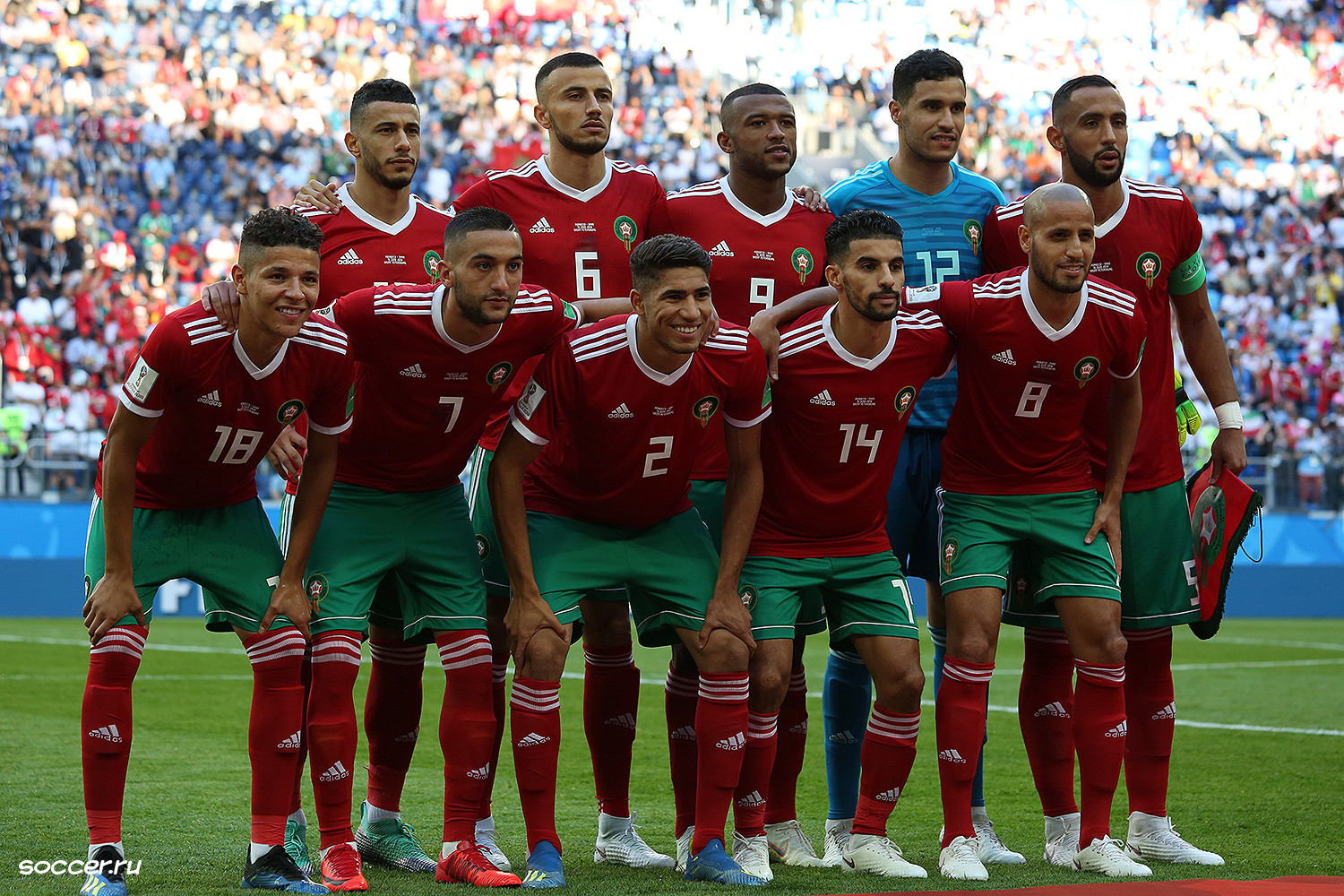
Photo: Кирилл Венедиктов / Wikimedia Commons / CC BY-SA 3.0
The 2022 run was not a fluke. It was the arrival of a golden generation. As of early 2026, Morocco is ranked 8th in the world by FIFA, the highest ever for an African team since Nigeria in 1994. This is not a post-tournament bubble; it’s sustained excellence.

Their qualification for the 2026 World Cup was a statement of dominance. They won all eight matches in CAF Group E, scoring 22 goals and conceding only two. This flawless run was part of a larger, world-record sequence: 19 consecutive international victories between June 2024 and December 2025. That streak speaks to a squad depth and winning mentality that few nations possess.
The squad is a blend of 2022 veterans and new stars. Goalkeeper Bono remains the safety net. Captain Achraf Hakimi is still arguably the world’s best right-back. The attack has been supercharged by the addition of Brahim Díaz, who chose Morocco over Spain. His technical quality in tight spaces adds a new dimension. Alongside him, youngsters like Bilal El Khannous and Eliesse Ben Seghir represent the next wave. This mix ensures the team’s strategic soccer play can evolve from the low-block counter of 2022 to a more possession-based style.
Managerial change is the wild card. In March 2026, Walid Regragui resigned, citing the overwhelming mental exhaustion of the job. His replacement, Mohamed Aabi, promoted from the U20s, represents continuity but also a new tactical system analysis. The transition will test the federation’s stability.
| Era | Key Achievement | Lasting Impact |
|---|---|---|
| Pioneering (1970-1986) | First African WC point (1970); First African team to top a group & reach R16 (1986) | Proved African teams could compete, changing global qualifying spots. |
| The Hiatus (1994-2018) | Competitive shows but no knockout wins; 20-year qualification gap. | Highlighted inconsistent development; spurred investment in academies. |
| The Golden Generation (2022-) | Fourth place finish (2022); FIFA Rank #8; 19-game win streak. | Redefined ceiling for African football; built a sustainable elite model. |
Historic Firsts and Records Broken
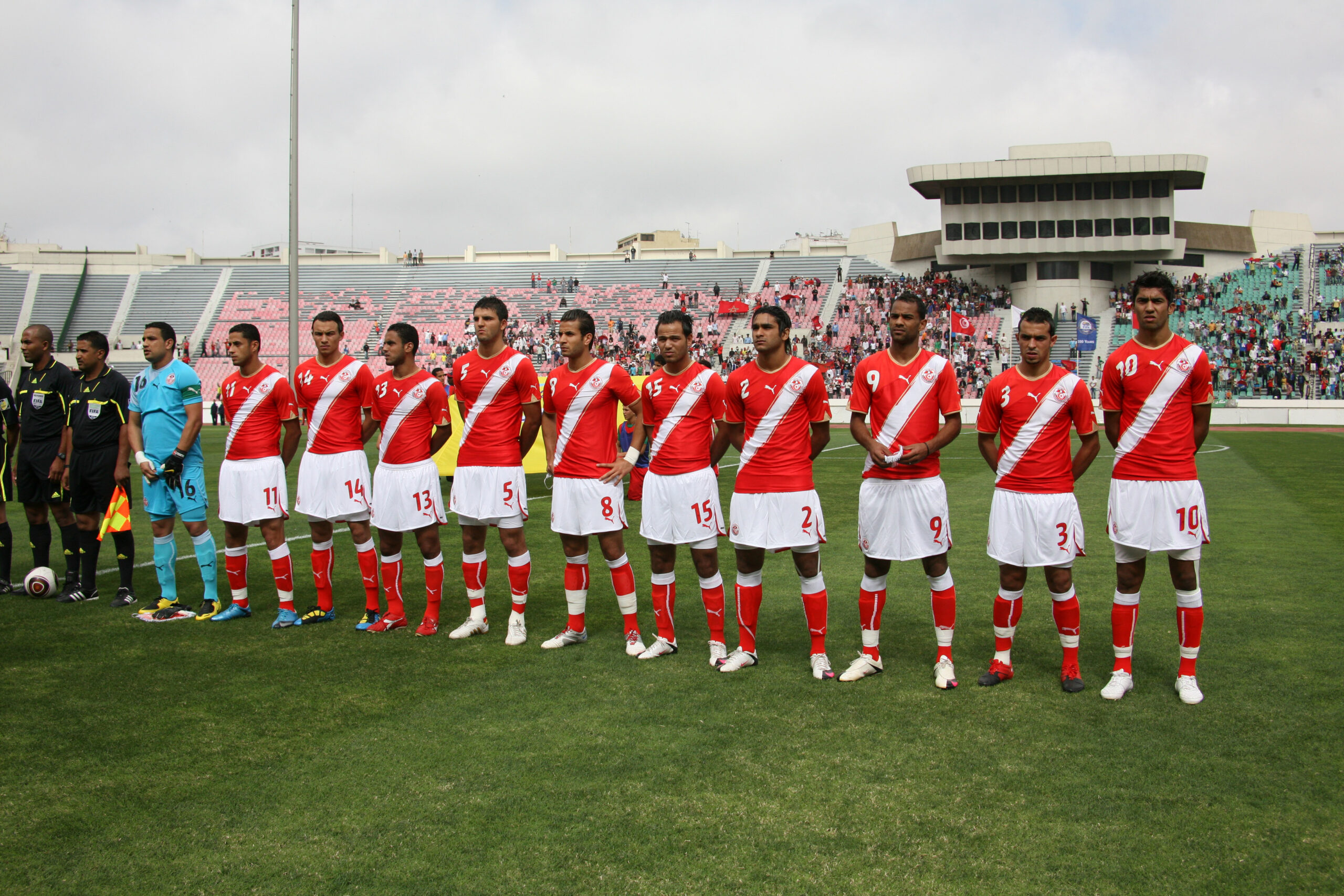
Photo: mustapha_ennaimi / Wikimedia Commons / CC BY 2.0
Morocco’s World Cup history is a list of shattered ceilings for Africa and the Arab world. The 1970 point was the first crack. The 1986 group win and round of 16 appearance were the next. But 2022 was a record-breaking explosion.

They became the first African nation to reach a World Cup semi-final. They were the first to play seven matches in a single tournament edition. Their fourth-place finish is the best-ever result for a team from the CAF region. Defensively, they set a record for the longest stretch without conceding a goal from an opponent (5 games, discounting an own goal) for an African team.
Individual records followed. Youssef En-Nesyri’s header against Portugal was the latest game-winning goal in a World Cup quarter-final since 2014. Sofyan Amrabat made history by becoming the first substitute to replace his brother, Nordin Amrabat, in a World Cup match back in 2018. These quirks add to the lore.
Their current record of 19 consecutive wins is a global benchmark, surpassing Spain’s previous record of 15. This isn’t just a hot streak; it’s a demonstration of systemic superiority over a two-year period. It shows the 2022 run was a beginning, not a peak.
Looking Ahead: 2026 and the 2030 Co-Hosting Dream
Photo: Laura Hale / Wikimedia Commons / CC BY-SA 4.0
The future is arguably brighter than the past. Qualification for the 2026 World Cup is secured. The draw will be key, but with their ranking, Morocco will expect to advance from the group stage and target another deep run. The core of the team will be in their prime, and the tactical flexibility under a new coach could make them even more unpredictable.

The truly transformative event is 2030. Morocco will co-host the World Cup alongside Spain and Portugal. This guarantees participation and provides an unprecedented national project. Stadiums, transport links, and training facilities will be built or upgraded, leaving a legacy for domestic football. The energy of a home tournament in North Africa will be unlike anything seen before.
Hosting 2030 places Morocco at the center of the football world for a decade. The scrutiny will be intense, but the infrastructure and developmental boost will benefit Moroccan clubs and youth academies for generations. It’s the final step in their journey from continental pioneer to global power.
This trajectory, from making up the numbers to shaping the tournament’s future, is the real story of Moroccan football. They are no longer just participants. They are architects.
Frequently Asked Questions
How many times has Morocco been in the World Cup?
Morocco has qualified for the final tournament seven times: 1970, 1986, 1994, 1998, 2018, 2022, and 2026. Their upcoming co-hosting role with Spain and Portugal for the 2030 edition will mark their eighth appearance.
What was Morocco’s best World Cup result?
Their best result is fourth place, achieved at the 2022 FIFA World Cup in Qatar. They topped their group, beat Spain and Portugal in the knockout rounds, and lost to France in the semi-finals and Croatia in the third-place match.
Has Morocco ever won a World Cup?
No, Morocco has never won the FIFA World Cup. The best finish by an African nation is Morocco’s fourth place in 2022. No team from the CAF confederation has ever reached the final.
Who is Morocco’s best World Cup player ever?
While legends like Mohamed Timoumi (1986) and Mustapha Hadji (1998) were iconic, the standout is Achraf Hakimi. The right-back has been the face of the modern era, a world-class defender whose pace and attacking output were central to the 2022 semi-final run. His penalty in the shootout against Spain is an iconic moment.
Before You Go
Morocco’s World Cup history is a masterclass in gradual, defiant progress. It started with a single point in 1970 that announced Africa’s arrival. It built through a round of 16 finish in 1986 that proved they could compete. It exploded in 2022 with a semi-final run that redefined what is possible for a continent. Today, they are a top-ten ranked team with a golden generation, a world-record win streak, and a role as co-host of the 2030 tournament. The Atlas Lions’ story isn’t about one miracle. It’s about building a nation that expects to make miracles happen. For any student of the game, their evolution is a essential chapter in modern soccer tactics guide.
I come from the “soccer heart” of Germany, the Ruhrpott. I have played, trained and followed soccer all my life and am a big fan of FC Schalke 04. I also enjoy following international soccer extensively.