What Happens Next When a Soccer Game is Still Tied? Rules
If a soccer game is still tied after 90 minutes, the outcome depends entirely on the competition format. In a standard league match, the game ends as a draw. In a knockout tournament where a winner must be decided, the match proceeds to 30 minutes of extra time, divided into two 15-minute halves. If the score remains level after extra time, the winner is determined by a penalty shootout.
Most people think every tied soccer game goes to extra time. That’s wrong. It only happens when the rules demand a definitive winner, like in the World Cup knockout rounds or a cup final. In league play, a point for a draw is a valid result.
This guide breaks down exactly when and how ties are broken, from the physics of extra time to the intense, rule-bound drama of the penalty shootout. You’ll learn why some tournaments have abandoned old rules, what really happens during that coin toss, and the one mistake that makes a player forfeit their kick.
Key Takeaways
- Extra time is only for knockout tournaments; league matches can end in a draw.
- A full 30 minutes of extra time is played—the “golden goal” rule is extinct.
- The penalty shootout starts with a double coin toss to pick the goal and kicking team.
- Players sent off during the match cannot take a penalty kick.
- Cautions from the match do not carry over into the shootout, but new offenses can earn yellow cards.
League Draw vs. Knockout Decider: The Critical Split
The first rule is context. A tie in the Bundesliga or the English Premier League is a finished result. Each team gets one point. The season is a marathon, not a sprint, and draws are part of the strategic fabric. The need for a clear winner only arises in elimination matches.
Think of the DFB-Pokal in Germany or the FA Cup in England. Lose, and you’re out. That’s when the 90-minute clock is just the opening act. This distinction trips up casual fans watching a tournament like the Copa America or Euro Cup, where the group stage allows draws, but the knockout stage demands a victor. The tournament format dictates everything.
TL;DR: A draw is a valid result in league play. Knockout tournaments force a winner through extra time and penalties.
The 30-Minute Decider: How Extra Time Works
When the final whistle blows on a 0-0 or 2-2 game in a knockout, the players get a brief rest. Then they play two more 15-minute halves.
Extra time consists of two equal periods, not exceeding 15 minutes each, as defined by the International Football Association Board (IFAB) in Law 7. The full 30 minutes is played out; no golden or silver goal rule applies in modern competitions.
The “golden goal” (first goal wins) and “silver goal” (lead at halftime wins) are relics. They were abandoned because they encouraged overly cautious, defensive football. Teams were playing not to lose rather than to win. Now, coaches must manage exhausted legs for a full half-hour. You’ll see cramping. The game stretches open as fatigue breaks defensive shapes.
Substitutions become tactical lifelines. This is where squad depth wins championships. A fresh winger in the 105th minute can be the difference. The physical toll is immense, which is why some competitions, like the EFL Cup in England, have experimented with scrapping extra time and going straight to penalties after 90 minutes.
| Tournament | Extra Time Used? | Goes Straight to Penalties? | Notes |
|---|---|---|---|
| FIFA World Cup (Knockout Rounds) | Yes | No | 30 minutes full. |
| UEFA Champions League (Knockout) | Yes | No | 30 minutes full. |
| English EFL Cup (Early Rounds) | No | Yes | Tried to reduce fixture congestion. |
| Copa America (Knockout) | Yes | No | Follows standard FIFA procedure. |
The Penalty Shootout Protocol
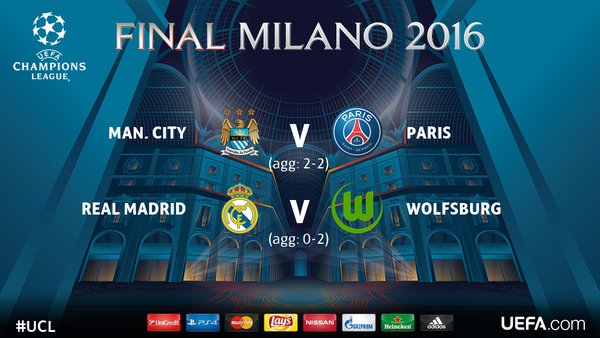
If it’s still tied after 120 total minutes, the shootout decides it. This isn’t an extension of the match. It’s a separate, high-stress competition governed by Appendix 1 of the Laws of the Game.
The referee’s first job is the double coin toss. This isn’t for show. The first toss decides which goal will be used. The second toss determines which team takes the first kick. Kicking first applies psychological pressure, a slight but measurable advantage.
Common mistake: Thinking any player can take a penalty — a player who received a red card during the match is barred from participating in the shootout. A substituted player, however, can take one if they were on the field when the match ended.
Each team names five different kickers. All five must take their turn before any player can go a second time. If a player leaves the field after the shootout starts and isn’t back in time for their kick, they forfeit it. That kick is recorded as a miss.
The goalkeeper has specific rules too:
- They must remain on the goal line, facing the kicker, until the ball is struck.
- They cannot unfairly distract the kicker (e.g., waving arms, shouting).
- A first offense earns a warning; a second offense is a yellow card.
What happens if the shooter or keeper breaks the rules during the kick?
- Kicker offends after the referee’s whistle: The kick is recorded as missed, and the kicker is cautioned (yellow card).
- Goalkeeper offends and the kick is missed: The kick is retaken, and the keeper is warned (then cautioned for a second offense).
- Both offend at the same time: The kick is recorded as missed, and the kicker is cautioned.
The shootout starts with five kicks per side. If still tied, it moves to sudden death. The first team to gain a lead after an equal number of kicks wins. It continues until that happens.
TL;DR: The shootout is a rule-bound separate event. Eligibility is strict, offenses are punished, and the coin toss sets the stage.
Tournament Specifics: World Cup, UEFA, and More
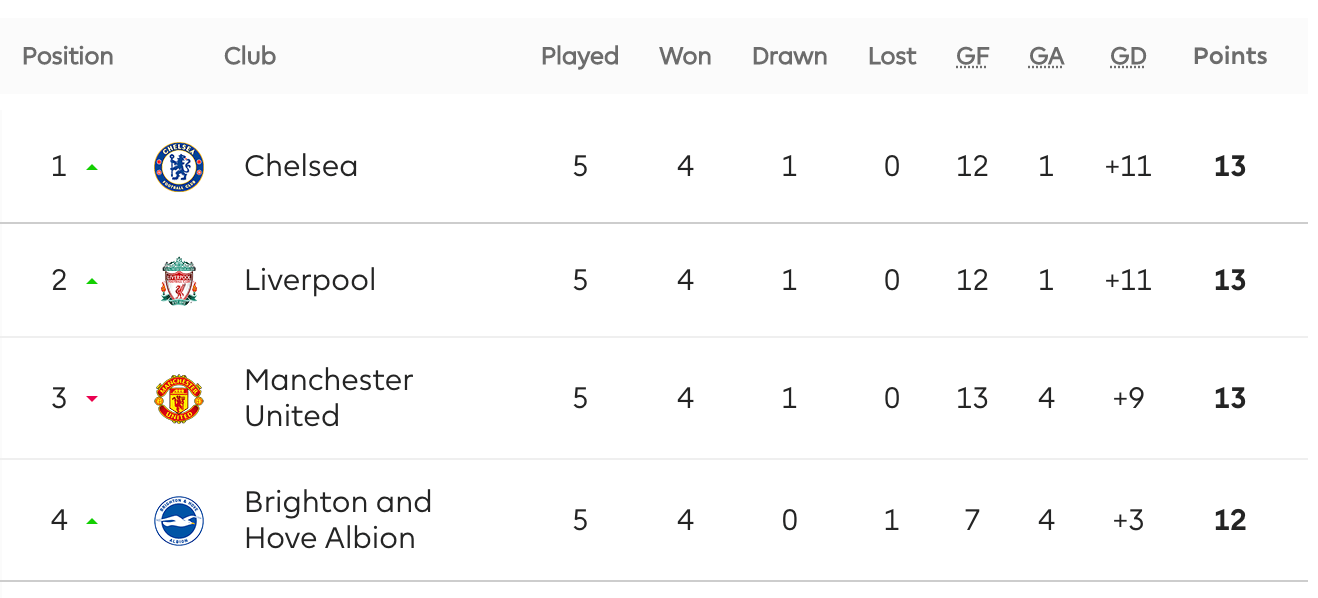
While the core rules are universal, competitions sometimes add their own flavor. The away goals rule was a famous tiebreaker in UEFA competitions for decades. If teams were tied on aggregate after two legs, the team that scored more goals away from home advanced. UEFA abolished it in 2021, citing that it was no longer achieving its original purpose.
Now, UEFA club competitions like the Champions League follow the standard path: extra time, then penalties. Major tournaments like the FIFA World Cup use this same procedure for every knockout match, from the Round of 32 to the final. The group stage, of course, allows draws.
I prefer the straight extra-time-and-penalties model. The away goals rule made second legs cagey, with home teams terrified of conceding. Now, there’s more incentive to attack across both legs, which usually makes for better football.
For continental championships like the African Cup of Nations or the Asian Cup, the rules align with FIFA standards. Always check the specific competition regulations, but you can safely assume the global standard applies.
Historical Tiebreakers and Why They Died
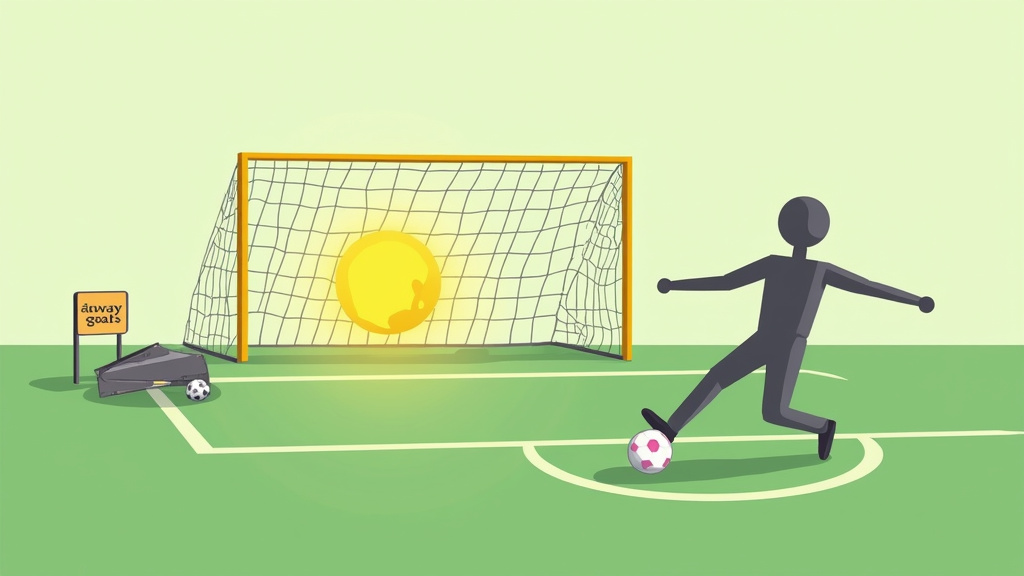
The golden goal was thrilling but flawed. It ended the 1996 European Championship final and the 2002 World Cup quarter-final. The problem was it stifled play. The fear of making a season-ending mistake was paralyzing.
The silver goal was a brief compromise. If a team led at the end of the first 15-minute period of extra time, they won. If not, the second period was played. It was confusing and only used briefly in the early 2000s before being scrapped.
The away goals rule lasted much longer. It was designed to encourage visiting teams to attack rather than park the bus. Over time, with better pitches and less intimidating travel, its impact faded. Its removal has been largely welcomed.
These experiments show football’s constant search for a balance between decisive outcomes and positive spectacle. The current system isn’t perfect, but it’s accepted as the fairest way to crown a winner on the day.
Frequently Asked Questions
Can a soccer game end in a tie?
Yes, absolutely. In league competitions and tournament group stages, a tied score after 90 minutes is a final result. Each team is awarded one point in the standings. Only knockout matches that require a winner go to extra time.
How long is extra time in soccer?
Extra time is 30 minutes long, divided into two 15-minute halves. There is a short break between halves, but no additional extra time is played if the score remains tied after the 30 minutes.
What is sudden death in a penalty shootout?
Sudden death is the phase of a penalty shootout that begins after each team has taken five kicks and the score is still level. Teams then take one additional kick each, alternately. The shootout ends the instant one team scores and the other misses in the same round.
Do yellow cards carry over into a penalty shootout?
No. According to the Laws of the Game, cautions (yellow cards) issued during the match are not carried forward into the penalty shootout. However, players can receive new yellow or red cards for offenses committed during the shootout itself.
What happens if a goalkeeper is injured during a penalty shootout?
If a goalkeeper is injured or sent off during the shootout, they may be replaced by another eligible player from the team. This substitute must be a player who was on the field at the end of the match, unless the team has already used its allotted number of substitutes, in which case an outfield player must go in goal.
Before You Go
A tied soccer game isn’t the end—it’s a pivot point. The rules shift based on what’s at stake. League draws are strategic. Knockout ties are a brutal test of endurance and nerve, stretching to 120 minutes before the lottery of the spot-kick.
Remember the split: draws are fine in leagues, but tournaments demand a victor. The 30-minute extra time is a full slog, not a golden-goal sprint. And the penalty shootout is a separate, tightly-officiated drama where the smallest technical foul can change everything. Next time you see players gathering at the center circle after 90 minutes, you’ll know exactly what’s coming and why.
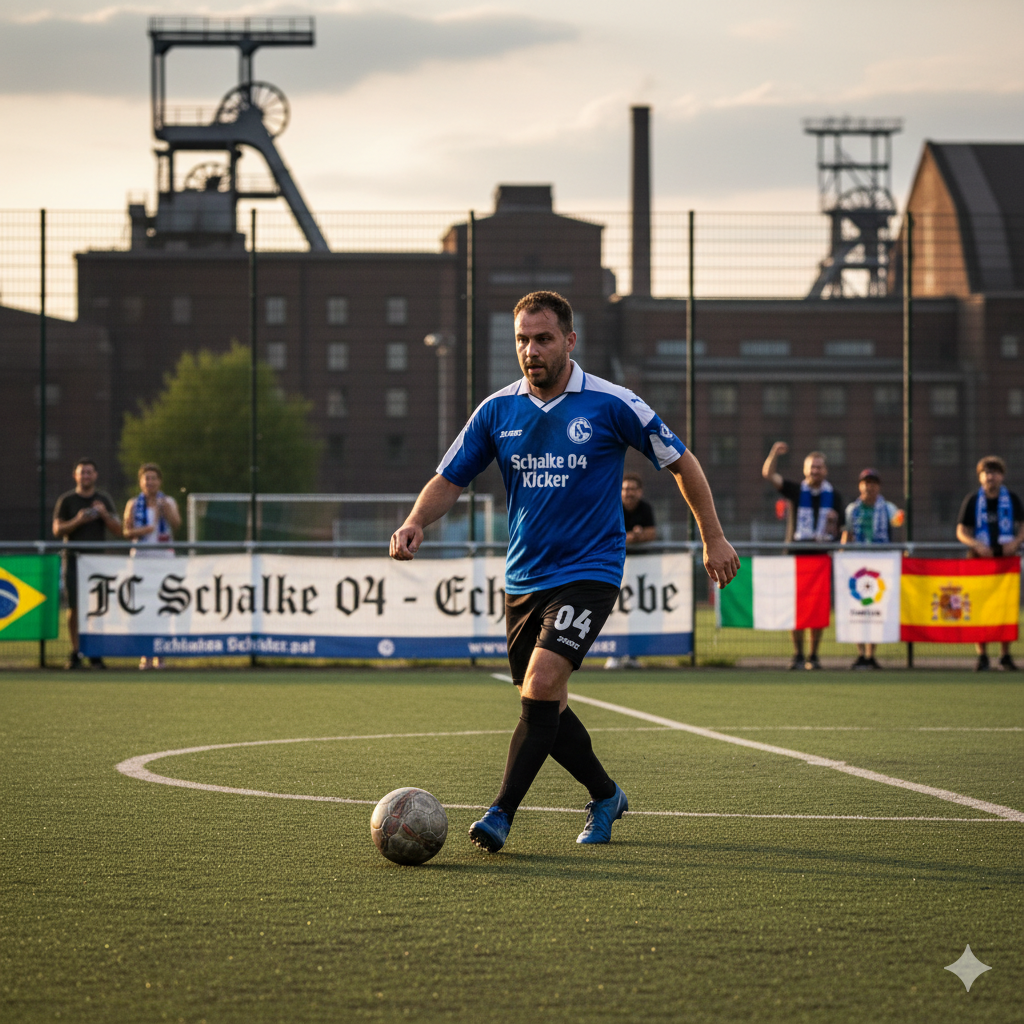
I come from the “soccer heart” of Germany, the Ruhrpott. I have played, trained and followed soccer all my life and am a big fan of FC Schalke 04. I also enjoy following international soccer extensively.