What Is Rolling Substitution in Soccer? The Real Rules
Rolling substitution in soccer, also called free substitution or interchange, is a rule that allows players to leave and re-enter a match multiple times, typically during stoppages in play. It is explicitly NOT allowed in professional, competitive soccer governed by the IFAB Laws of the Game. The standard rule is simple: once a player is substituted, their game is over.
Most fans hear “rolling substitution” and assume it’s a new tactical innovation in the Premier League or Champions League. It’s not. That confusion is why people get the rules wrong. They see other sports using it freely and assume soccer has caught up.
This guide cuts through the confusion. We’ll define the term, show you exactly where it is and isn’t allowed, and explain the deep tactical reasons professional soccer resists it. You’ll learn the official substitution rules and understand the one context where a player actually can return.
Key Takeaways
- Rolling substitution is banned in professional soccer. A substituted player cannot return, full stop.
- The IFAB Laws permit “return substitutions” only in youth, veterans, disability, and grassroots football, and only if the competition organizers agree.
- Standard rules allow up to five substitutes but only three substitution opportunities during normal play, plus one in extra time.
- Sports like netball and hockey use rolling subs for fluid player management, a contrast that highlights soccer’s emphasis on endurance and fixed strategy.
- Misunderstanding this rule leads to the most common fan complaint: “Why can’t the coach just put him back on?”
The Simple Definition of Rolling Substitution
A rolling substitution lets a player be replaced and then return to the same match later. Think of a hockey line change or a netball interchange. The coach has a free hand to manage fatigue, make tactical tweaks, or give a star player a breather without burning their only chance to use them.
In sports terminology, a rolling substitution, or interchange, permits any number of players to enter and leave the field of play repeatedly during a match, provided the changes occur at a designated area during a stoppage and the total number of players on the field never exceeds the legal limit. This system prioritizes continuous player rotation over permanent tactical decisions.
This is the polar opposite of standard soccer. The core principle of professional substitution procedures is finality. When a player’s number goes up on the board, their involvement ends. This creates a high-stakes decision for the manager. It’s not just about fresh legs; it’s about burning one of your limited chances to alter the game’s course.
TL;DR: Rolling substitution means free player rotation. Soccer’s rule is one-way traffic: off means off.
Where Rolling Substitution is Actually Allowed in Soccer

You will not see it in the Bundesliga. You will not see it in a UEFA Champions League final. The Wikipedia entry on football substitutes is clear: the IFAB Laws of the Game forbid it for professional adult matches.
The exception is buried in Law 3. It’s not called “rolling substitution” there. The term is “return substitution.” And it’s strictly for developmental or recreational play.
| Competition Level | Return Substitution Allowed? | Typical Rationale |
|---|---|---|
| Professional / Top-Flight | No | Preserves game integrity, endurance test, tactical stakes |
| Youth Football | Yes, by agreement | Player development, equal participation, safety |
| Veterans Football | Often Yes | Player safety, reduced physical demand |
| Disability Football | Often Yes | Adapts to athlete needs, promotes inclusion |
| Grassroots / Amateur | Possibly, by agreement | Focus on enjoyment and participation over result |
The phrase “by agreement” is key. A local Sunday league or an under-12 tournament can decide to use return subs. The national association must approve it. This isn’t a free-for-all; it’s a deliberate carve-out for contexts where the result is less important than the experience.
I coached a youth side in Gelsenkirchen where we used it. The aim wasn’t to win 10-0. It was to get every kid 40 minutes of play and let them try different positions. The moment those kids entered a sanctioned DFB youth tournament, the rule vanished. The real substitution limits snapped back into place.
Common mistake: Assuming your local amateur league uses return substitutions, many adopt full professional rules to prepare players for higher levels. Always check the competition regulations before your first match.
Standard Soccer Substitution Rules (The Real Ones)
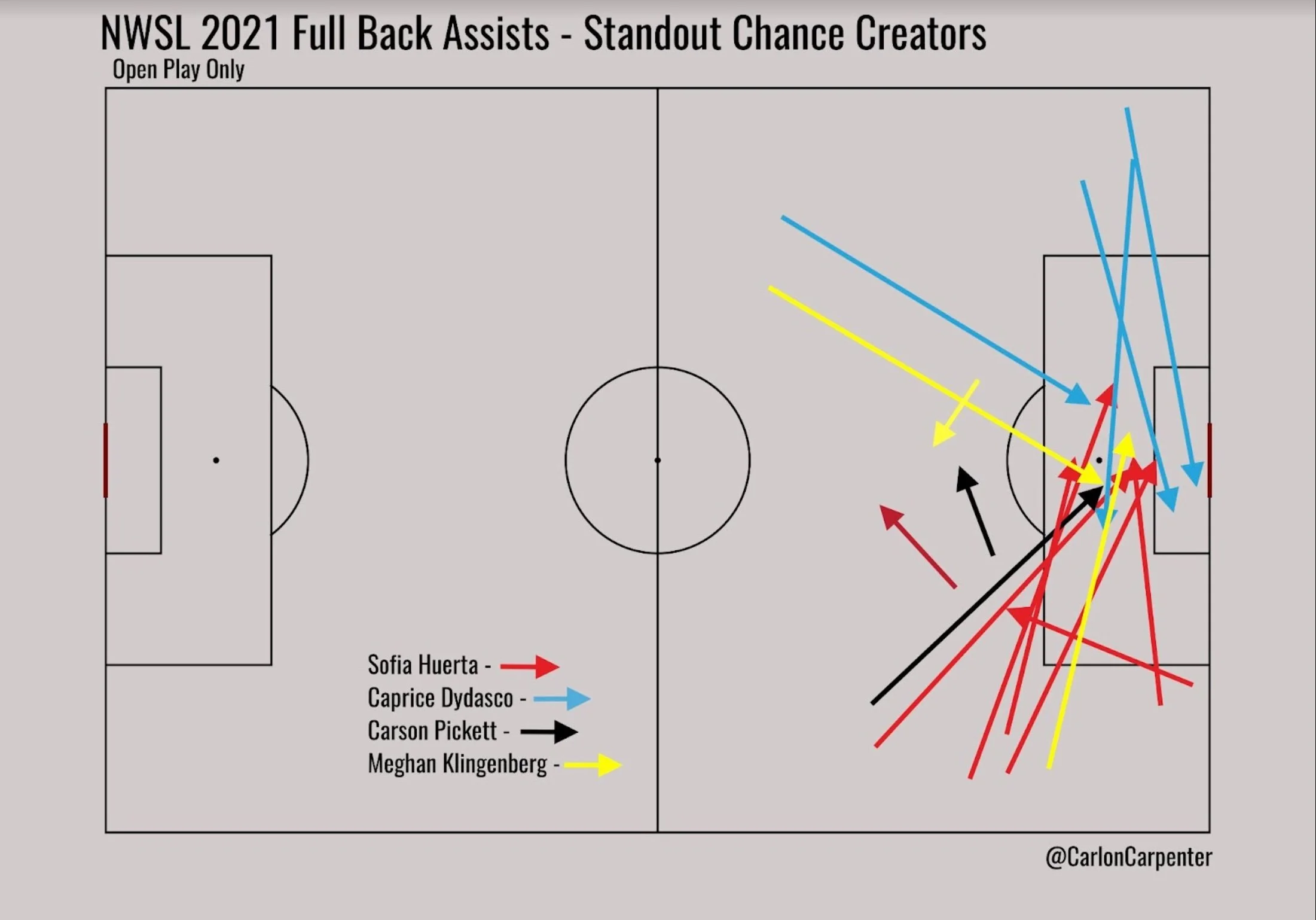
Forget rolling subs. This is the system that governs every pro game you watch. The current substitution regulations are a balance between player welfare and tactical tradition.
Teams get five substitute slots. You can’t use them whenever you want. You have three windows during normal play to make those changes, plus one extra window if the match goes to extra time. Halftime doesn’t count as a window. This rule prevents time-wasting and forces strategic planning.
The procedure is non-negotiable. Play stops. The referee is informed. The player leaving must exit at the halfway line. Only then can the replacement enter. Ignoring this sequence risks a yellow card.
Then there’s the concussion substitute. Introdued for safety, it’s a permanent substitution for a player with a suspected head injury. If one team uses it, the opponent gets an extra sub as well. It’s a rare but critical exception to the numerical limits.
The tactical adjustments a manager makes are shaped by these constraints. You don’t just replace a tired winger. You ask: Is this my last window? Should I save a sub for a potential injury? Could I need a change for penalties? This pressure is a feature, not a bug.
How Rolling Substitution Actually Works in Other Sports

To see what soccer rejects, look at netball. In Australia’s Super Netball league, rolling substitution is unlimited. Teams average 10-11 changes per game.
The mechanics are precise. A player signals to the bench. They report to a designated substitution area at the sideline during a stoppage. The replacement must be ready to enter immediately, no holding up play. The swap is instant, like changing a battery. The game’s flow is barely interrupted.
Hockey operates similarly. Basketball, while having a fixed roster, allows players to check in and out repeatedly. These sports embrace a different philosophy: maximum athletic output and specialized situational roles.
Soccer’s philosophy is about enduring and solving problems with the resources you started with. It’s why a defensive midfielder must pace themselves for 90 minutes. It’s why an attacking midfielder can’t just take a 10-minute breather during a high press.
The contrast is instructive. It shows that sports substitution rules generally are a design choice, not a universal law. Soccer chooses constraint.
The Tactical Impact of Limited vs. Rolling Substitutions
This is where the coach’s brain melts. With rolling subs, your decisions are reversible. You can try a defensive block for 20 minutes, then switch back. You can give a creative playmaker a rest when defending a lead.
With soccer’s rules, every change is permanent. It amplifies the consequence of every choice.
- The Early Change Gamble: Substituting a underperforming star in the 60th minute burns a resource and signals defeat. If the replacement gets injured, you’re down two players.
- The Tactical Inflexibility: You commit to a formation change with every sub. Moving from a 4-3-3 to a 5-4-1 to close a game is a one-way trip. There’s no undo button.
- The Physical Endurance Test: Players must manage their own energy. A winger in a pressing system knows there’s no cavalry coming just for him. This shapes how teams train fitness and game management.
I remember a Ruhrderby where a coach used his third and final substitution window in the 70th minute to bring on a fresh defender. Five minutes later, his key midfielder pulled a hamstring. The team had to play the final 15 minutes plus stoppage time with ten men. That’s the brutal math of fixed substitutions. It creates legends and villains.
TL;DR: Limited substitutions turn squad management into a high-stakes puzzle. Rolling subs turn it into a fluid chess match with retrievable pieces.
Common Misconceptions and Questions
The gap between perception and rulebook is wide. Let’s close it.
If a player gets injured after all subs are used, can a substituted player return?
No. Never. The team plays with fewer players. The idea of a substituted player returning is so foreign to the professional game that it’s not even in the contingency plans. This myth persists because people confuse soccer with sports that have different injury protocols.
Why doesn’t soccer adopt rolling subs for player safety?
It prioritizes safety within its framework. The concussion substitute rule is the direct answer. Adding full rolling subs would fundamentally alter the sport’s strategic identity. The argument is that the current five-substitute rule, expanded from three, already addresses fatigue concerns without sacrificing the core tactical challenge.
Do any professional leagues experiment with it?
No major senior league does. The resistance is foundational. Experimentation happens only at the very lowest rungs of the pyramid, where the lines between “competitive” and “recreational” blur. The moment a competition has promotion, relegation, or significant prize money, the standard IFAB laws lock in.
Common mistake: Citing rugby or basketball as examples for soccer to follow, the sports have fundamentally different histories, pacing, and philosophies on continuous play versus set phases.
Frequently Asked Questions
Can a goalkeeper be substituted back into an outfield position?
No. A substitution is a substitution. Once the keeper leaves the match, their participation is over. You cannot re-purpose a substituted player, even in an emergency.
What’s the difference between a “substitution opportunity” and the number of subs?
You can have five new players. You can only stop the game to make those changes three times (plus extra time). So, in one stoppage, you could make two or three substitutions at once, using only one “opportunity.” This rule is purely to prevent excessive game delays.
If a player is sent off, can a substitute replace them?
No. A red card reduces the number of players on the field for that team. You cannot use a substitution to replace the ejected player. This is another high-stakes consequence the rules enforce.
Could rolling substitutions ever come to professional soccer?
Extremely unlikely. The IFAB is conservative by design. Changes to something as core as substitution philosophy would require near-universal support from FIFA, the confederations, and the major leagues. The current trend is toward slightly more substitutes (five), not reversible ones. The sport’s power brokers see the limitation as a virtue.
Before You Go
Rolling substitution is a concept from other sports and soccer’s recreational fringe. In the professional game, the rule is absolute: off means off. This isn’t an oversight. It’s a deliberate design that makes a manager’s choices consequential and a player’s endurance paramount.
Understanding this separates the casual viewer from the informed fan. When you see a coach hesitate to make a change, you now see the clock ticking on their limited opportunities. You understand why a player must play through fatigue. The rigid substitution protocol is a cage that creates the drama. The next time you watch a match, watch the bench. The tension there is as real as the tension on the pitch.

I come from the “soccer heart” of Germany, the Ruhrpott. I have played, trained and followed soccer all my life and am a big fan of FC Schalke 04. I also enjoy following international soccer extensively.