What is Extra Time in Soccer? Rules, Duration & History
Extra time in soccer is a scheduled 30-minute period, split into two halves, played after a knockout match ends tied after 90 minutes. It is a distinct, fixed extension used solely to try to determine a winner before the match proceeds to a penalty shootout.
Extra time in soccer is a fixed 30-minute period of play, divided into two 15-minute halves, used exclusively in knockout tournaments to decide a winner when a match is tied after the standard 90 minutes. It is a separate, scheduled extension of the match, distinct from the variable minutes of stoppage time added within each half.
Most people get this wrong because they use “extra time” to describe any minutes tacked onto the end of a game. That confusion costs you when you’re trying to follow a knockout tournament’s rules or understand why a match suddenly goes to penalties.
This guide covers the exact format, when it’s used, how it differs from added time, and the physical and mental game that unfolds during those 30 extra minutes.
Key Takeaways
- Extra time is only for knockout matches where a draw is not an acceptable result. League games end after 90 minutes.
- The format is two 15-minute halves with a short break. Both halves are played completely, even if a goal is scored.
- Teams usually get one extra substitution during this period to manage player exhaustion.
- If the match is still tied after 120 total minutes, it goes directly to a penalty shootout.
- The old “Golden Goal” rule (first goal wins) is extinct. Modern extra time is a full 30-minute test.
Extra Time vs. Added Time: The Critical Difference
This is the single most common point of confusion. Added time, also called stoppage time or injury time, is the variable number of minutes a referee adds at the end of each 45-minute half. It compensates for specific delays like injuries, substitutions, or time-wasting. Extra time is a predetermined, additional period of play that only happens after the full 90 minutes plus added time have concluded, and only in specific types of matches.
The referee’s discretion determines added time within a half, but extra time is a mandatory 30-minute extension ordered by competition rules when a knockout match lacks a winner.
Think of added time as finishing the current chapter. Extra time is writing a whole new chapter because the story didn’t end. Understanding this stoppage time difference is fundamental to following tournament progression. A league match between FC Schalke 04 and Borussia Dortmund ends when the referee blows the whistle after the second half’s added time, even if it’s 2-2. A Champions League semifinal between the same teams at the same scoreline requires extra time.
TL;DR: Added time finishes a half; extra time starts a new match segment.
When is Extra Time Actually Used?
Extra time is invoked by the rules of the competition, not by the referee’s whim. Its sole purpose is to produce a winner.
| Competition Type | Extra Time Used? | Reason |
|---|---|---|
| League / Group Stage | No | Draws are a valid final result; points are awarded. |
| Knockout Tournament | Yes | A winner must advance; draws cannot be tolerated. |
| Domestic Cup Final | Usually Yes | A champion must be crowned; exceptions exist in some early rounds. |
The list includes every major tournament where progression is mandatory: the FIFA World Cup from the quarter-finals onward, the UEFA Champions League knockout phase, the European Championship playoffs, and most domestic cup finals. If you’re watching a match where both teams know a draw sends them home, you’re watching a match that will go to extra time if needed. The pressure shifts completely in the last ten minutes of regular time, as teams often play more cautiously to avoid a costly mistake that could decide the match in the next 30 minutes.
Common mistake: Assuming a cup match will end after 90 minutes if it’s tied — the rules always specify extra time for the final stages, and missing that means you misunderstand the tournament structure.
The 30-Minute Format: Two Halves, One Break
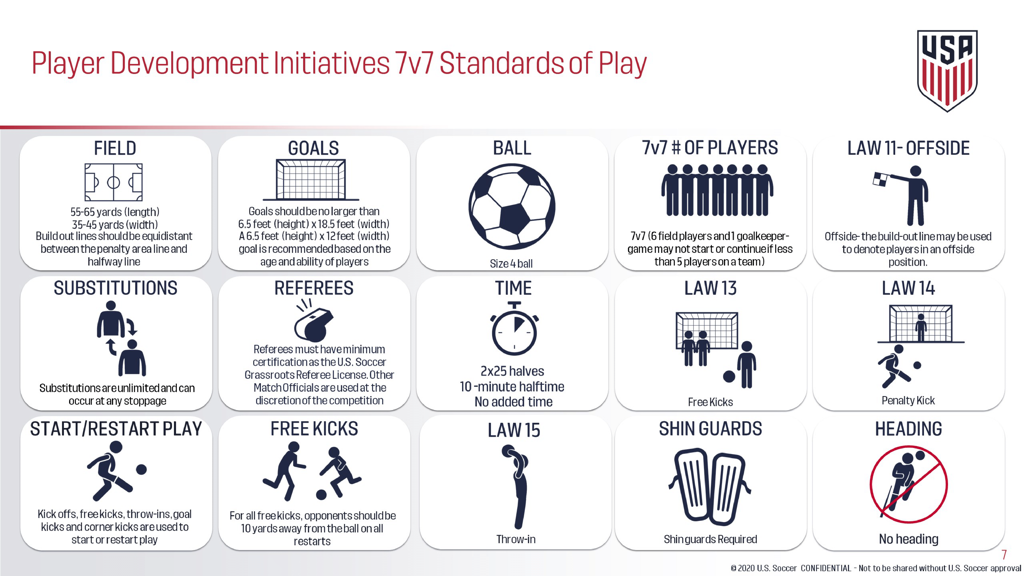
The structure is simple but has physical consequences. The referee signals the end of the 90-minute match and immediately orders two 15-minute halves of extra time. There is a brief break, typically one to two minutes, between these halves. No full halftime interval occurs.
The total playing time becomes 120 minutes. This duration of extra time is fixed by FIFA’s Laws of the Game. Both halves are played to completion. A goal scored in the first minute of extra time does not end the match; the remaining 29 minutes must still be played. This replaced the old “Golden Goal” and “Silver Goal” experiments, which were abandoned because they encouraged overly defensive play early in the period.
TL;DR: Thirty total minutes, split into two halves, played in full regardless of scoring.
Why the Full 30 Minutes Matters
The abolition of sudden-death rules changed team strategy. Knowing the entire period will be played allows for a more natural game rhythm. Teams can’t park the bus for 29 minutes after scoring once; they have to defend for a full half. Conversely, a team that concedes early still has a legitimate chance to equalize. This maintains competitive balance and often leads to more dramatic finishes. The psychological weight of knowing you have to survive a full half after scoring, or chase a goal for a full half after conceding, is immense.
Rules and allowances During Extra Time
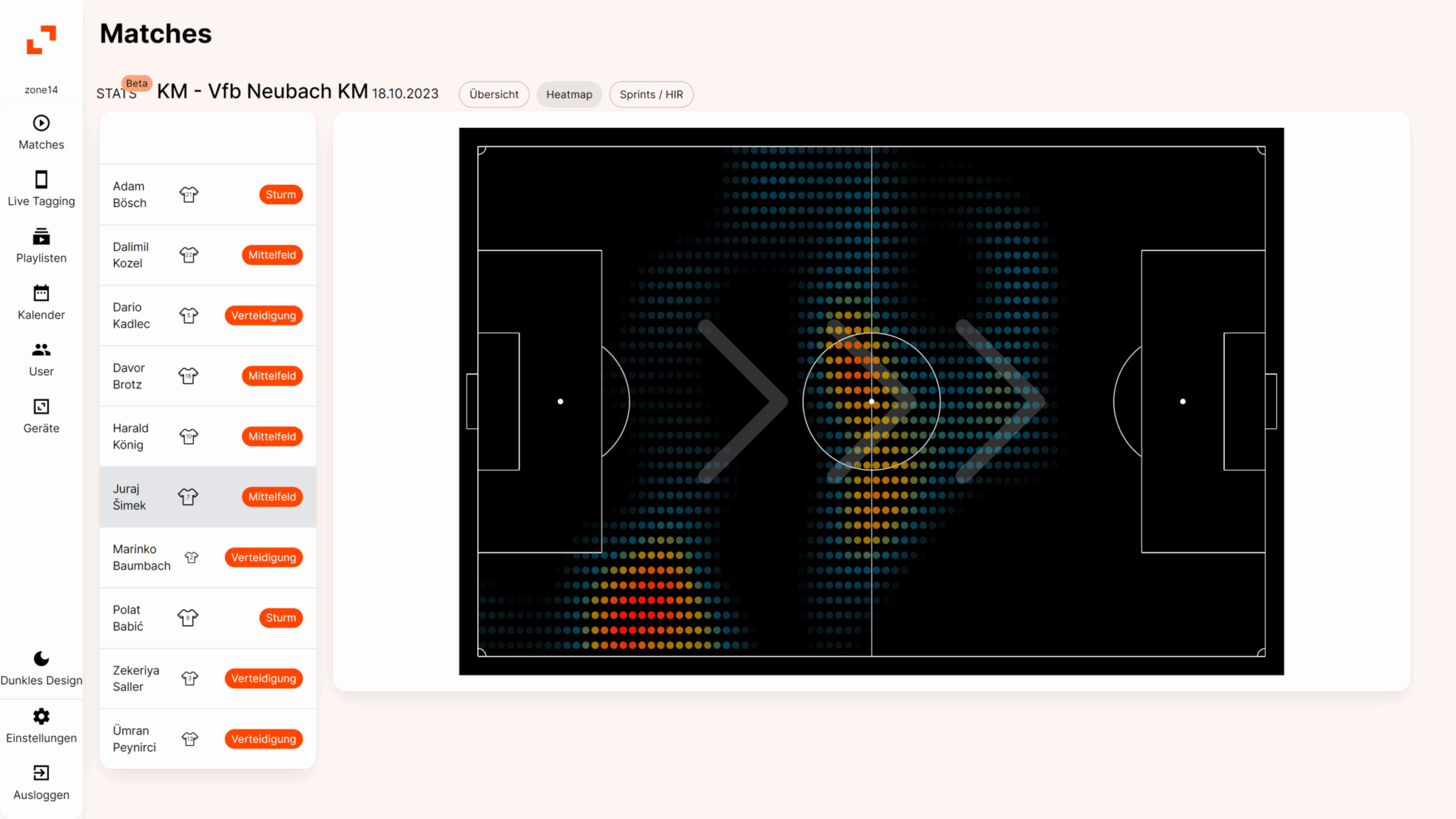
The game continues under the same fundamental laws, but competition rules often introduce specific allowances to manage the extreme physical demand.
- Additional Substitution: Most tournaments permit one extra substitution beyond the standard allowance (often making it a sixth change total). This is critical for introducing a fresh midfielder or winger to exploit tired legs.
- Added Time Within Extra Time: Referees can and do add stoppage time to the end of each 15-minute half. An injury or a lengthy goal celebration in the 14th minute will see the clock extended. This is just like regular injury time calculation, applied to the extra time segment.
- No Cooling Break: Unlike some regular time rules in extreme heat, there is no mandated cooling break during extra time. The short interval between halves is for tactical instructions only.
- Player Safety: Referees are instructed to be vigilant for signs of extreme fatigue that could lead to injury. They may stop play for a player clearly struggling, but this is discretionary.
Skipping the extra substitution is a tactical blunder. The coach who doesn’t use that fresh player in the 105th minute is handing an advantage to the opponent who does. That fresh player’s first touch often decides the match.
What Happens After Extra Time? The Penalty Shootout
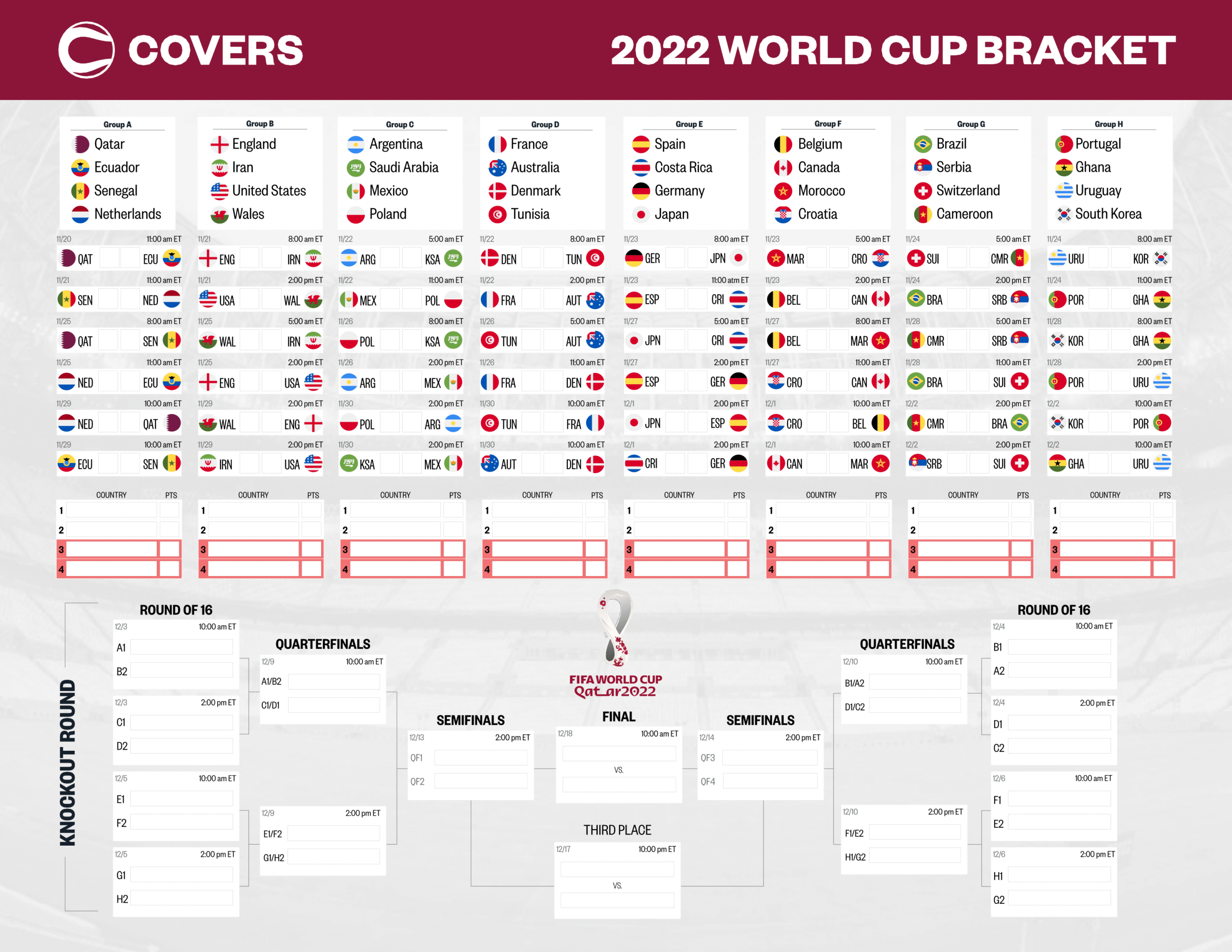
If the 30 minutes expire and the scoreboard remains level, the match does not end. It proceeds directly to a penalty shootout. There is no second period of extra time, no sudden-death overtime, no drawing of lots. The tie-breaking procedures are fixed and immediate.
The shootout follows the standard format: five penalties per team, taken alternately from the mark. If still tied after five rounds, it continues to sudden-death penalties until one team misses and the other scores. The transition from extra time to penalties is a brutal psychological shift. Players who have just run for 120 minutes must now perform a high-precision, low-energy skill under maximum pressure. The goalkeeper who looked exhausted in the 118th minute suddenly becomes the focal point of all hope.
I watched the 2016 UEFA Europa League final between Liverpool and Sevilla from the stands. After 120 minutes of tense, grinding extra time, the shift to penalties felt like the air was sucked out of the stadium. The players’ walk from the center circle to the penalty spot was slower, heavier. Sevilla’s keeper, who had made a routine save in the 115th minute, suddenly transformed. He saved two. The mental game won it.
TL;DR: A draw after extra time automatically triggers a penalty shootout.
The Physical and Psychological Game of Extra Time
The 30-minute period is not just an extension; it’s a different sport. Player physiology changes dramatically after 90 minutes. Muscle glycogen stores deplete, decision-making slows, and injury risk spikes. The average distance covered per minute drops. Teams that prepared for this scenario with specific endurance training and nutritional protocols have a clear edge.
| Physical Factor | Effect During Extra Time | Mitigation Strategy |
|---|---|---|
| Muscle Fatigue | Sprint speed declines 15-20% | Pre-match carb loading, mid-match electrolyte intake |
| Cognitive Fatigue | Tactical errors increase | Simplified pre-extra time instructions from coach |
| Injury Risk | Non-contact injuries rise | Use of extra substitution for fatigued player |
The psychological pressure is equally intense. Every player knows the next mistake could lead directly to a penalty shootout, or worse, a goal. The crowd’s noise often becomes a constant drone rather than rhythmic cheers. This is where experience matters. Veterans who have played in multiple knockout tournaments manage their focus differently, often talking constantly to younger teammates to keep them engaged.
TL;DR: Extra time is a war of attrition and nerve, won by preparation and mental toughness.
Historical Evolution: From Golden Goal to Full Period
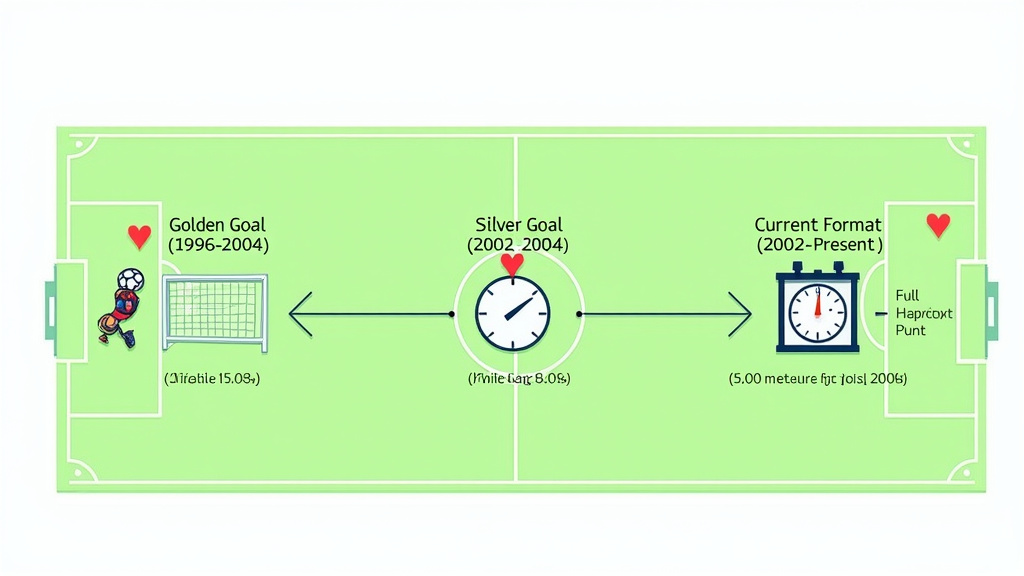
Extra time hasn’t always been this 30-minute fixed block. FIFA experimented with alternative formats to encourage attacking play and reduce physical strain.
- Golden Goal (1996-2004): The first goal scored during extra time ended the match immediately. This led to ultra-defensive play, as teams feared conceding a single fatal blow. It was used in Euro 1996, 2000, and the 2002 World Cup.
- Silver Goal (2002-2004): If a team led at the end of the first 15-minute half of extra time, the match ended. If still tied, the second half was played. This was only briefly used in Euro 2004 before being scrapped.
- Current Format (2004-Present): Both 15-minute halves are played entirely. This returned the strategic balance and is now the universal standard.
The change was driven by data. Analysis showed the Golden Goal rule actually reduced goal-scoring attempts in the first 15 minutes, contradicting its purpose. The current rules of extra time produce more total goals per extra time period and are considered fairer. Modern fans watching a classic memorable overtime matches replay should note if it’s pre-2004, the tension was different.
Frequently Asked Questions
Does extra time have its own stoppage time?
Yes. The referee can add minutes to the end of each 15-minute half for delays like injuries or substitutions. This follows the same injury time calculation principles as regular time.
Can a soccer game end during extra time?
Only at the conclusion of the full 30 minutes, or at the end of any added stoppage time within those halves. A goal does not end the match early. The match concludes according to the standard match conclusion rules.
How long is a full soccer game with extra time?
The total elapsed time is approximately 120 minutes of play, plus the original halftime break and the short extra time interval. This extends the typical total match duration significantly.
Why is regular time 90 minutes?
The 90-minute standard originated from early English football associations in the 19th century and was codified by FIFA. It balances physical demand with spectacle.
What is the halftime break during extra time?
There is no full halftime. A brief one-to-two minute interval allows for quick hydration and tactical notes, distinct from the regular halftime duration.
The Bottom Line
Extra time is a 30-minute forced extension for knockout matches only. It consists of two full 15-minute halves, with allowances for an extra substitution and added stoppage time. If no winner emerges, a penalty shootout decides it. The period is a severe test of physical endurance and mental fortitude, where preparation and experience define the outcome. Understand the format, know when it applies, and you’ll never confuse it with the added minutes at the end of a half again.

I come from the “soccer heart” of Germany, the Ruhrpott. I have played, trained and followed soccer all my life and am a big fan of FC Schalke 04. I also enjoy following international soccer extensively.