Box to Box Midfielder Explained: Role, Skills, and Responsibilities
This post contains affiliate links. As an Amazon Associate, we earn from qualifying purchases.
Picture the player who never stops running—making a crucial tackle in your own penalty area in the 85th minute, then sprinting forward to score the winning goal moments later. That’s the essence of what is box to box midfielder in soccer. These players cover more ground than anyone else on the pitch, transforming matches through relentless energy and tactical intelligence. Understanding what is box to box midfielder in soccer reveals why teams build their systems around these complete footballers who impact every phase of play.
Unlike specialists who focus solely on defense or attack, box-to-box midfielders master both disciplines with equal intensity. They patrol the entire pitch from one penalty area to the other, earning their distinctive name through this non-stop 90-minute territory coverage. When your team attacks, they surge forward to create numerical advantages; when opponents counter, they sprint back to restore defensive balance. This dual-threat capability makes them soccer’s most versatile position.
How Box-to-Box Midfielders Dominate Both Penalty Areas
Breaking Down the “Box-to-Box” Definition
The term “box-to-box” specifically references the two penalty areas (“boxes”) these midfielders operate between throughout matches. What is box to box midfielder in soccer becomes clear when you watch their positioning—they’re equally comfortable making tackles in their own six-yard box as they are arriving late in the opponent’s penalty area for scoring chances. This constant vertical movement across all thirds of the pitch distinguishes them from more specialized midfield roles.
Unlike deep-lying playmakers who control tempo from deeper positions or attacking midfielders focused solely on creating chances, box-to-box midfielders balance creative output with substantial defensive contributions. Their unique value comes from never being out of position—they’re always where the ball is, ready to influence play whether defending or attacking.
Why Modern Teams Can’t Function Without Them
Top teams deploy box-to-box midfielders as tactical reference points due to their central positioning and constant involvement. They serve as the connective tissue between defense and attack, organizing pressing sequences while providing passing options during build-up play. When you understand what is box to box midfielder in soccer, you recognize their role in creating numerical superiority during transitions—both when winning the ball back and when launching counter-attacks.
These players transform match dynamics by forcing opponents into impossible choices: mark the midfielder tightly and leave space elsewhere, or focus on forwards and risk late runner goals. Their presence enables tactical flexibility, allowing teams to shift between formations without substitutions while maintaining structure.
Physical and Technical Requirements for Box-to-Box Midfielders

Stamina Demands That Separate the Elite
What is box to box midfielder in soccer becomes physically demanding when you consider the ground they cover—11-13 kilometers per match with 70-90 high-intensity sprints. This isn’t casual jogging; it’s sustained maximum effort for 90 minutes while maintaining technical quality. Elite box-to-box midfielders must possess marathon runner endurance combined with sprinter acceleration to execute their role effectively.
The physical toolkit includes upper body strength for shielding possession, lower body power for tackling and shooting, and core stability for rapid directional changes. Spring-loaded jumping ability proves essential for aerial duels in both penalty areas, where they must dominate headers despite often facing taller opponents.
Technical Skills That Define Their Impact
Box-to-box midfielders must execute every pass type with 85-90% accuracy under pressure: short combinations to maintain possession, medium switches to exploit weak-side space, and long diagonals for rapid field flipping. Their first touch enables immediate progression without breaking stride, whether receiving aerial balls or tight-marked passes.
Shooting versatility separates the good from the great—these players score through 25-yard screamers, first-time shots from cut-backs, powerful headers from set-pieces, and perfectly timed penalty area arrivals. Defensively, they win 2-4 tackles per match without conceding fouls while making 1.5-3 interceptions through reading passing lanes.
Tactical Intelligence That Makes Box-to-Box Midfielders Indispensable
Positioning Secrets During Defensive Phases
What is box to box midfielder in soccer becomes evident in their defensive positioning—they screen passing lanes, track opposing runners, and provide cover for attacking full-backs. When opponents build play, they position themselves to cut off through balls while maintaining awareness of space behind the defensive line. This tactical intelligence prevents counter-attacks before they develop.
During high pressing, box-to-box midfielders execute 15-25 pressures in the attacking third, forcing errors in dangerous areas. They win 2-4 aerial duels to prevent second-ball situations, using their positioning to disrupt opposition rhythm without necessarily committing to tackles.
Late-Running Mastery in Attacking Situations
The signature attacking contribution? Unmarked arrivals in the penalty area during crucial moments. What is box to box midfielder in soccer highlights when they time these runs perfectly—reading when teammates will create space through wing play or combination passing. This late-running threat forces defenders into impossible choices between tracking runners and marking stationary forwards.
Despite defensive responsibilities, they contribute 1-3 key passes per game and 6-10 progressive passes while maintaining 0.10-0.20 expected goals from open play. Their ability to switch instantly from defensive recovery to attacking creation defines modern soccer’s most complete players.
Mental Attributes That Define Elite Box-to-Box Midfielders
Decision Making Under Maximum Pressure
Split-second choices define what is box to box midfielder in soccer when exhaustion sets in during the final minutes. Should you retain possession safely or attempt the risky through ball? These calculations happen constantly while sprinting at maximum intensity. Quality decisions must continue even when physically drained—a hallmark of elite box-to-box midfielders.
They serve as on-field coaches through constant communication, organizing pressing sequences and directing teammates’ positioning. This leadership role stems from their central positioning and tactical understanding, making them essential for maintaining team discipline during high-intensity phases.
Mental Resilience Through 50+ Match Seasons
Coping with physical exhaustion while maintaining technical precision requires exceptional mental strength. One momentary lapse—whether defensive or attacking—can decide matches, yet these players deliver consistent performances across entire seasons. What is box to box midfielder in soccer becomes clear when you witness their ability to bounce back from individual mistakes while maintaining concentration during possession-dominant phases.
Their mental resilience enables them to perform at peak levels when matches hang in the balance—the 85th-minute tackles, the 90th-minute goals, the relentless energy when others fade. This psychological toughness separates true box-to-box midfielders from mere hard workers.
How Modern Tactics Are Reshaping the Box-to-Box Role
Formation-Specific Responsibilities Across Systems
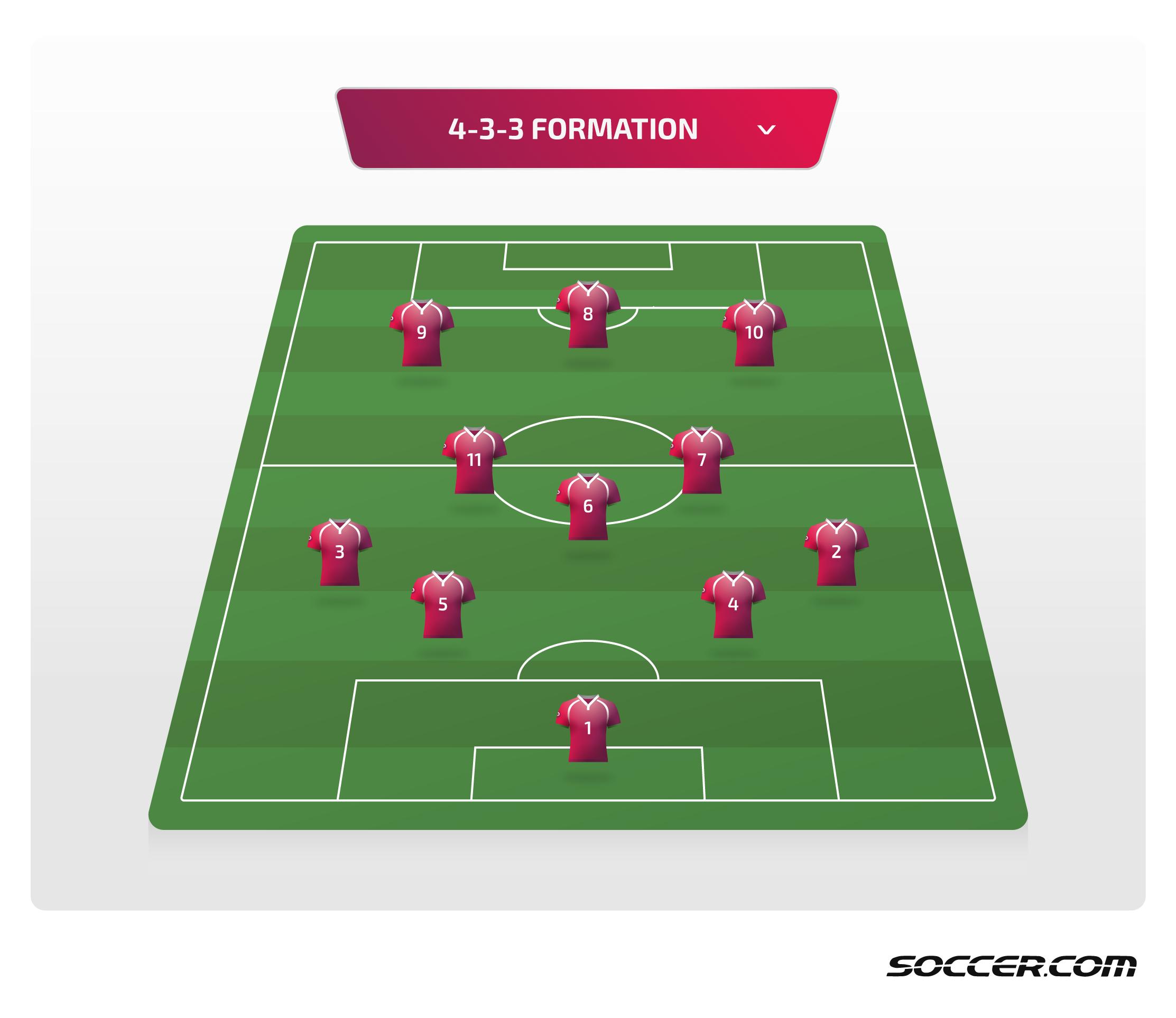
What is box to box midfielder in soccer varies depending on tactical setup. In a 4-3-3 formation, they operate as right or left-sided central midfielders, balancing wing support with defensive coverage. During 4-2-3-1 systems, they function alongside a defensive partner or as single pivot with an attacking midfielder ahead. In 3-5-2 setups, they serve as central midfielders covering wing-back advances while connecting defense to attack.
Each formation requires nuanced adjustments while maintaining core identity. Some systems emphasize defensive contributions more heavily, others prioritize attacking support. Elite players master these tactical variations without sacrificing their fundamental box-to-box characteristics.
Injury Prevention Strategies for High-Mileage Players
The physical demands create specific injury patterns: hamstring strains from high-intensity running, groin injuries from directional changes, knee problems from tackling, and ankle issues from physical duels. Top clubs implement periodized training load management, muscle imbalance correction programs, and position-specific strength training to keep these engines running.
Recovery protocol optimization proves essential for injury prevention, with elite clubs focusing on sleep quality, nutrition timing, and advanced recovery technologies. Without proper management, the box-to-box role’s physical toll would be unsustainable over full seasons.
Key Takeaway: Why Understanding What Is Box to Box Midfielder in Soccer Matters

Box-to-box midfielders represent soccer’s most complete players—combining marathon endurance with sprinter acceleration, defensive intelligence with attacking creativity. They transform matches through constant presence, making them indispensable for teams seeking tactical flexibility and relentless energy. When you truly understand what is box to box midfielder in soccer, you recognize why modern tactics increasingly rely on these complete footballers who impact every phase of play.
Next Steps: Watch matches focusing specifically on box-to-box midfielders’ positioning during transitions—this reveals their true impact beyond traditional statistics. Notice how they adjust their role based on match state and tactical requirements, demonstrating the intelligence that makes this position so valuable in modern soccer.

I come from the “soccer heart” of Germany, the Ruhrpott. I have played, trained and followed soccer all my life and am a big fan of FC Schalke 04. I also enjoy following international soccer extensively.