What Is Superclásico in Soccer? The Ultimate Football Derby
The Superclásico in soccer is the specific name for the derby between Argentine giants Boca Juniors and River Plate. It is defined by a class-based rivalry, fanatical support dividing over 70% of the nation, and a raw intensity that consistently ranks it as the world’s fiercest football fixture.
Most people hear “clásico” and think of Barcelona vs Real Madrid. That’s a different beast entirely. The Argentine Superclásico operates on a different frequency, one of identity, history, and palpable tension that transcends sport.
This guide breaks down what makes this rivalry unique, from its origins in the streets of Buenos Aires to the tactical battles and cultural earthquakes it creates every time these two sides meet.
Key Takeaways
- The term “Superclásico” refers only to Boca Juniors vs. River Plate in Argentina. It is not a generic label for any major derby.
- The rivalry splits Argentine fandom, with the two clubs commanding over 70% of all domestic supporters.
- A deep class divide fuels the passion: Boca (working-class La Boca) vs. River (affluent Núñez, the “Millionaires”).
- Matches are characterized by extreme physicality and defensive discipline, not just flair.
- The fixture has a dark side with influential, violent fan factions known as barra bravas.
The Superclásico Defined: More Than a Derby
Calling the Superclásico a “big game” is like calling a hurricane a breezy day. It is the defining sporting event in Argentina. The term itself was born there, with “super” denoting the unprecedented scale of this particular clash. While other countries have their own “Clásicos,” this one owns the prefix for a reason.
The Superclásico is a football match between Buenos Aires clubs Boca Juniors and River Plate. It is considered the fiercest derby in world football due to its historical class conflict, the proportion of national fans it divides, and the extreme passion it generates, often spilling into violence.
Publications like The Observer and FourFourTwo have repeatedly placed it at the top of global derby rankings, above the Old Firm and El Clásico. The reason is foundational. This isn’t just about city pride. It’s about two clubs that together represent the overwhelming identity of Argentine football. When they play, the nation’s mood is set.
TL;DR: The Superclásico is Boca vs. River, a rivalry that defines Argentine football through class, fanatical support, and unmatched global intensity.
A Rivalry Forged in Buenos Aires
Geography birthed this rivalry. Both clubs were founded in the early 1900s in the same working-class, immigrant-heavy port district: La Boca. They were neighbors, competing for local pride and talent on dusty pitches. The first official Superclásico was played on August 24, 1913, with River Plate winning 2-1.
The schism came with ambition and money. Boca Juniors stayed put, cementing their identity as the club of the people, the Xeneizes (Genoese). River Plate, in 1923, made a symbolic move north to the more affluent Núñez district. This physical relocation created a psychological border.
The class narrative crystallized in 1932. River Plate broke the Argentine transfer record to sign star forward Bernabé Ferreyra for 35,000 pesos, a fortune. The press dubbed them Los Millonarios, “the Millionaires.” The label stuck. Boca fans wore their working-class roots as a badge of honor; River fans embraced an identity of elegance and success.
Common mistake: Thinking the rivalry is only about football results, it cemented itself through a tangible social migration that turned neighborly competition into a national identity clash.
This origin story is crucial. It explains why the passion isn’t confined to the stadium. It’s in the music, the street art, and family dinners. You’re not just picking a team; you’re picking a side in a century-old social dialogue.
| Aspect | Boca Juniors | River Plate |
|---|---|---|
| Founding | 1905 in La Boca | 1901 in La Boca |
| Identity | Working-class, port neighborhood, “the people’s club” | Affluent, “the Millionaires”, associated with elegance |
| Home Stadium | La Bombonera (“The Chocolate Box”) in La Boca | El Monumental in Núñez |
| Fan Motto | “Transpirar la camiseta” (sweat the shirt) | “La banda se siente” (the feeling of the band) |
| Historic Style | Passion, fight, direct vertical play | Aesthetic, possession-based, technical |
The Stakes and The Stadia
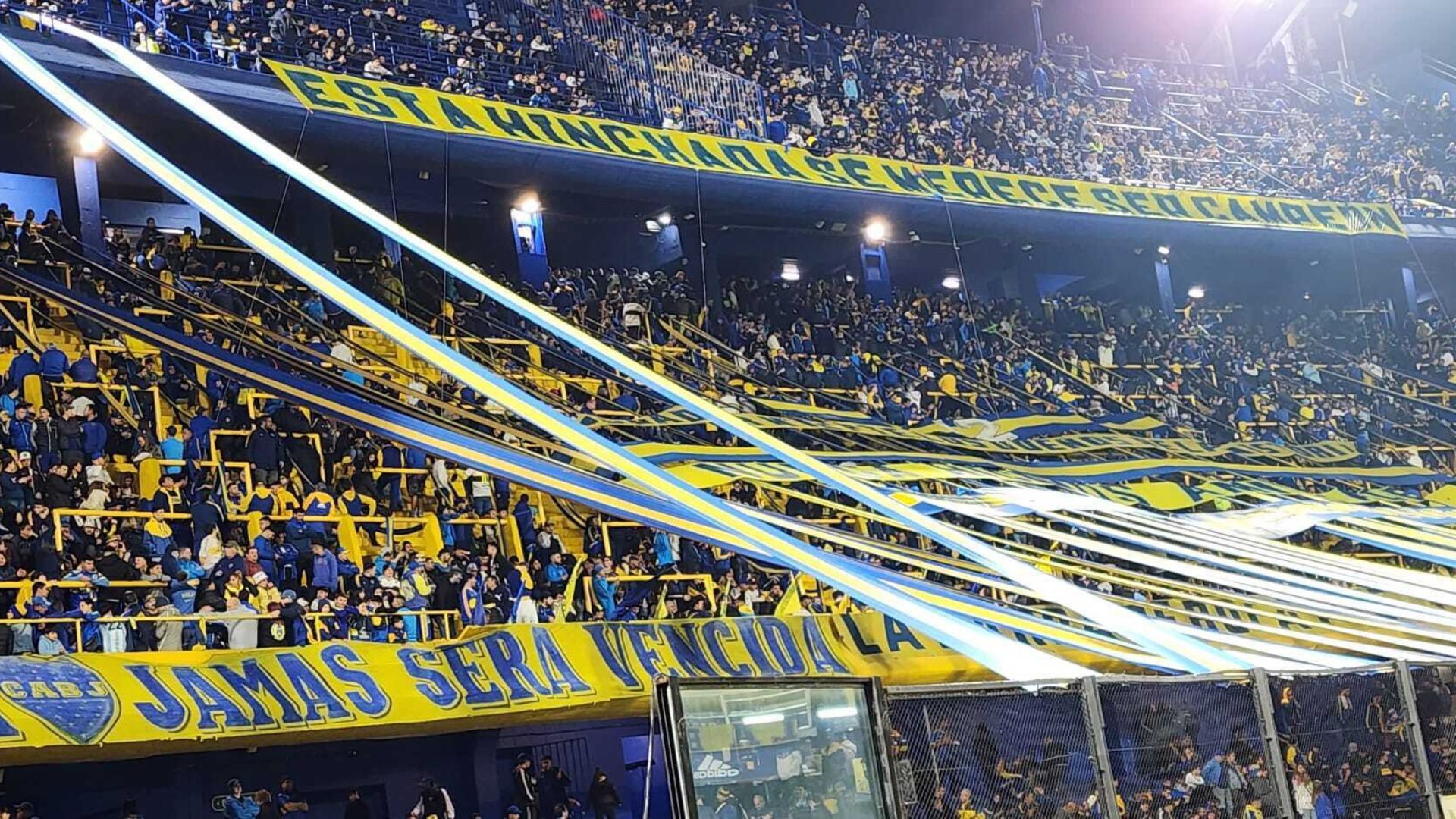
The venues are characters in the drama. Boca’s La Bombonera is a steep, vertical cauldron holding 54,000. Its unique D-shaped design and steep stands mean the crowd is literally on top of the pitch. When fans jump in unison, the stadium physically shakes, a phenomenon known as la bombonera no tiembla, late (the Bombonera doesn’t tremble, it beats).
River’s El Monumental is Argentina’s national stadium, a more traditional bowl holding over 83,000. It’s vast and imposing, a temple of Argentine football. The atmosphere is different: less claustrophobic, more grandiose, but no less intense.
The stakes for a player in this match are career-defining. Winning can immortalize you. Losing, especially at home, can get a manager sacked and haunt a player’s legacy. The pressure is so immense it often overrides pure soccer tactics, forcing a game of grit over grace.
I remember watching a televised Superclásico as a kid in Germany. The sheer noise was overwhelming even through speakers. A player missed a simple pass in the first five minutes, and the visceral roar of disgust from 50,000 people was terrifying. That’s when I understood this was a different kind of pressure cooker. It wasn’t the Ruhr Derby.
TL;DR: La Bombonera and El Monumental are iconic fortresses where results define legacies. The pressure here warps normal football logic.
Fan Culture: The 70% Divide and The Dark Side

The statistics are staggering. Boca Juniors and River Plate together are supported by over 70% of all Argentine football fans. This isn’t a rivalry that splits a city; it splits a country. On match day, Buenos Aires grinds to a halt. Offices empty, and streets are draped in blue-and-gold or red-and-white.
The fan displays are legendary: a sea of confetti (papelitos), endless banners, and chants often set to Argentine rock anthems. It’s a 90-minute carnival.
But there is a corrosive element. Both clubs have powerful, organized ultra groups known as barra bravas. These factions are deeply embedded in club culture, often having influence over ticket allocations and even player transfers. They are also linked to violence, organized crime, and tragic incidents.
Common mistake: Romanticizing the fan passion without acknowledging the barra brava problem, their violence is a documented, dangerous part of the rivalry’s ecosystem that authorities constantly battle.
This duality is key to understanding the Superclásico. The same cultural depth that produces breathtaking support also fosters a dark underbelly that the sport has struggled to purge.
Superclásico Tactics: Grit vs. Grace

Forget the free-flowing football of a Champions League tie. The Superclásico is a war of attrition. The tactical brief is often secondary to the emotional mandate: do not lose.
Historically, River Plate has been associated with a more refined, possession-oriented style, the Millonario ideal. Boca Juniors’ ethos is embodied in their mantra “transpirar la camiseta” (sweat the shirt). It’s about out-fighting, out-running, and out-desiring the opponent. Their approach is more direct, physical, and vertical.
This contrast sets the tactical stage. You often see:
1. Extremely compact defensive blocks from both sides.
2. Fierce, sometimes brutal, midfield battles where the second ball is king.
3. A premium on set-pieces and individual moments of quality over sustained build-up.
It’s a chess match played with sledgehammers. The fear of making a catastrophic error can lead to tactical stagnation. This is why the derby has produced iconic moments of individual brilliance, like Juan Román Riquelme’s masterclass in 2000 or Martín Palermo’s heroic goal in the same match, rather than iconic team performances. The physical nature of the clash is its primary tactical feature.
TL;DR: Superclásico tactics prioritize defensive solidity and winning individual duels. Flair is often suppressed by the overwhelming pressure, making moments of individual genius decisive.
Distinguishing the Superclásico from Other “Clásicos”

This is a frequent point of confusion. The “Superclásico” brand is uniquely Argentine.
- El Clásico (Spain): Real Madrid vs. Barcelona. A rivalry defined by politics (Catalonia vs. Castile), global star power, and a history of technical mastery. It’s a global spectacle of footballing quality.
- El Súper Clásico (Mexico): Club América vs. Chivas de Guadalajara. A rivalry defined by nationality (América’s “big-city” identity vs. Chivas’ famous Mexican-only policy). It’s massive in Mexico but doesn’t command the same global recognition for ferocity.
- The Superclásico (Argentina): Boca Juniors vs. River Plate. Defined by class, neighborhood identity, and a fanatical, all-consuming passion that literally stops its country.
The Argentine version is less about geopolitical tension or commercial appeal and more about raw, tribal identity. As the Wikipedia page on Mexican Superclásico details, that rivalry has its own unique rules and history. They are not interchangeable.
| Derby | Primary Fuel | Global Recognition For | Typical Match Character |
|---|---|---|---|
| Superclásico (ARG) | Class & Neighborhood Identity | Unmatched Fan Intensity & Passion | Physically intense, defensively tight, high-pressure |
| El Clásico (ESP) | Politics & Regionalism | Technical Quality & Global Star Power | Technical, tactical, often open and high-scoring |
| Old Firm (SCO) | Religion & Politics | Historical Intensity & Atmosphere | Fast-paced, aggressive, emotionally charged |
Iconic Moments in Superclásico History

The history is written in unforgettable chapters. Every fan has their own highlight reel burned into memory.
- The 1969 “Millionaires’ Final”: River Plate won the league by beating Boca in a playoff, cementing their “rich” identity.
- Boca’s Libertadores Triumph (2000): After losing the first leg 2-1 at El Monumental, Boca won 3-0 at La Bombonera in a semi-final for the ages. Juan Román Riquelme dominated, and Martín Palermo scored a legendary goal months after an ACL tear.
- River’s Relegation (2011): River Plate was relegated for the first time in their history. For Boca fans, this is the ultimate trump card, a source of endless ridicule.
- The Libertadores Final (2018): The pinnacle. For the first time, the Copa Libertadores final was a Superclásico, played over two legs and then moved to Madrid due to fan violence. River Plate won 5-3 on aggregate. It was the most important match in the rivalry’s history, with continental glory at stake.
These moments aren’t just results. They are foundational myths that each generation of fans uses to define their identity and torment their rivals. The Wikipedia entry on El Superclásico catalogs these events, but the emotional weight is carried in the stands and the streets.
Frequently Asked Questions
What does Superclásico mean in soccer?
It specifically means the derby match between the two biggest clubs in Argentina: Boca Juniors and River Plate. The “super” denotes its status as the biggest and most important rivalry in Argentine football, one that divides the majority of the nation’s fans.
Is Superclásico bigger than El Clásico?
In terms of fan passion, cultural penetration within its own country, and raw intensity, many observers rank the Superclásico as bigger or “fiercer.” El Clásico (Real Madrid vs Barcelona) typically features higher technical quality and global commercial appeal, but the Argentine derby is considered more visceral and all-consuming locally.
Who has won more Superclásicos, Boca or River?
The historical tally is very close and a constant source of debate, as some early matches are disputed. As of recent counts, Boca Juniors holds a slight edge in total wins. However, River Plate fans point to their victory in the most important clash: the 2018 Copa Libertadores final.
Why is the Superclásico so violent?
The extreme rivalry is exacerbated by the presence of powerful, organized ultra groups called barra bravas. These factions are deeply tied to club identity and have a history of violence against each other and sometimes players or police. The high stakes and deep-seated hatred can spill over from the stands.
What are the teams’ nicknames?
Boca Juniors are known as Los Xeneizes (the Genoese, reflecting the Italian immigrant roots of La Boca) and Los Bosteros. River Plate are known as Los Millonarios (the Millionaires) and Los Gallinas (the Chickens), a derogatory nickname given by Boca fans referencing past failures.
The Bottom Line
The Superclásico is the heartbeat of Argentine football, an irregular, pounding rhythm that sets the tempo for the entire nation. It’s not just a match between Boca Juniors and River Plate. It’s a clash of social identity, a census of national fandom, and a display of passion that borders on the dangerous.
Understanding it requires looking past the soccer tactics and into the history of Buenos Aires itself. It’s about geography, class, and a rivalry so profound that winning it can define a career and losing it can break a season. For any fan of the global game, witnessing a Superclásico, the crowd, the tension, the sheer weight of it, is to understand a fundamental truth about football’s power far beyond the pitch.

I come from the “soccer heart” of Germany, the Ruhrpott. I have played, trained and followed soccer all my life and am a big fan of FC Schalke 04. I also enjoy following international soccer extensively.