Is Soccer a Contact Sport? Rules and Tough Player Dynamics
Soccer is a contact sport by official definition, governed by rules permitting physical contests for the ball. Legal contact includes shoulder-to-shoulder challenges and shielding. It is distinguished from collision sports, as the contact is a controlled, incidental part of play rather than the primary objective.
Soccer is a contact sport, governed by the International Football Association Board’s Law 12. The rules permit physical challenges like shoulder-to-shoulder contests and shielding, while prohibiting actions deemed careless, reckless, or using excessive force like tripping, pushing, or reckless charges.
The confusion starts when people compare it to American football or rugby. Those are collision sports, where heavy impact is a primary design. Soccer’s contact is a controlled, integral part of competing for the ball, not the goal itself. This guide breaks down the exact rules, how referees enforce them, and what makes players who thrive in this environment some of the toughest athletes on the planet.
Key Takeaways
- Soccer is officially classified as a contact sport, with some sources calling it a “limited-contact” or “semi-contact” sport to distinguish it from full-collision games.
- Legal contact includes shoulder-to-shoulder challenges and shielding the ball with your body, provided you are within playing distance and making a fair attempt.
- Illegal contact is defined by three escalating categories in Law 12: careless (a free kick), reckless (a yellow card), and using excessive force (a red card).
- Referees are trained to judge contact based on intent, force, and danger to the opponent, not just the outcome of the collision.
- Preparing for contact is a core part of training, involving specific drills for shielding, balance, and absorbing impact, alongside comprehensive strength training for soccer to build a resilient physique.
The Official Classification: Contact, Not Collision
Sports medicine and governing bodies categorize activities by their expected physical interaction. Soccer sits firmly in the “contact” category, alongside basketball and hockey. The “collision” category belongs to American football, rugby, and ice hockey where deliberate, heavy impact is a fundamental and frequent tactic. This distinction matters for training, safety protocols, and even insurance.
A 2015 study published in the British Journal of Sports Medicine categorised soccer as a “contact sport” due to the high frequency of body-to-body challenges inherent in ball competition, while noting the incidence of concussions was significantly lower than in “collision sports”.
The game’s design revolves around contesting space and the ball. You cannot win a header without jumping into the same airspace as an opponent. You cannot dispossess a player without entering their personal sphere. That requires contact. The rules exist not to eliminate it, but to regulate its intensity and intent.
TL;DR: Soccer is a contact sport by official classification. The difference from collision sports is that the primary objective is playing the ball, not creating impactful collisions.
The Three Types of Contact Defined by Law 12
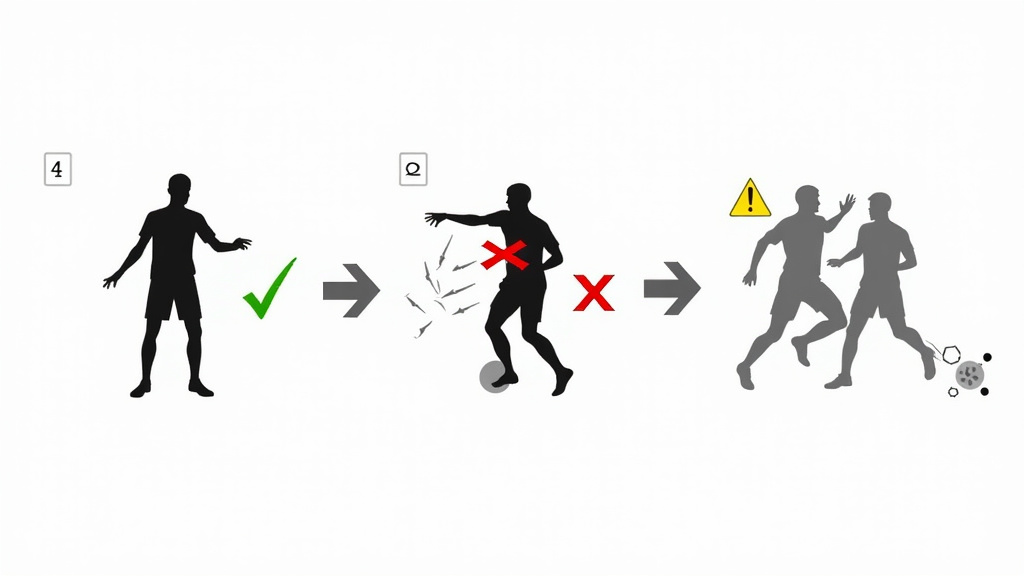
The International Football Association Board’s Law 12, “Fouls and Misconduct,” is the global rulebook. It doesn’t just list fouls; it defines the spectrum of allowable physical interaction.
| Type of Contact | Description | On-Field Outcome |
|---|---|---|
| Legal Contact | Shoulder-to-shoulder challenge, shielding the ball, fair attempt to play the ball within playing distance. | Play continues. |
| Illegal Contact | Actions deemed careless, reckless, or using excessive force (tripping, pushing, striking, reckless charge). | Direct free kick or penalty kick; possible disciplinary card (yellow/red). |
| Accidental Contact | Unintentional collision occurring when two players compete for the ball in the same space at speed. | Usually no foul, unless it stems from a prior illegal action or causes serious injury. |
Legal contact hinges on two principles: fairness and proximity. A shoulder-to-shoulder charge is legal if both players are upright and competing for the ball. Shielding is legal if you use your body to protect the ball from an opponent you are facing, and you are within playing distance. The moment you extend your arm to push or hold, it becomes illegal.
Accidental contact is the grey area. Two players sprinting for a loose ball might collide. Two players jumping for a header might clash heads. These are not fouls unless one player was already committing an illegal act, like jumping at an opponent rather than the ball. This acceptance of accidental risk is baked into the sport.
Common mistake: Assuming any collision is a foul, referees distinguish between accidental contact occurring during fair play and contact resulting from a careless or reckless action. Missing this distinction leads to frustration on the pitch.
How Referees Judge Contact: The Careless, Reckless, Excessive Force Scale
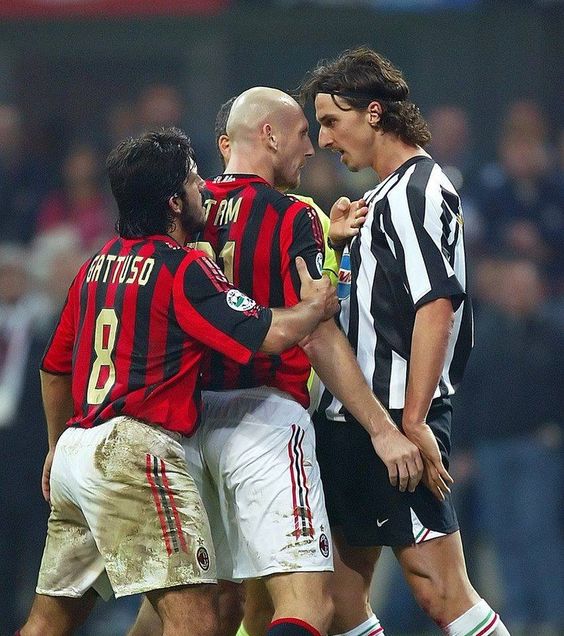
Referees don’t just see “contact.” They apply a three-tier mental model from Law 12 to every challenge.
- Careless. This is a foul without serious intent or danger. A trip, a slight push, or a mistimed tackle where the player didn’t show malice. The punishment is a direct free kick (or penalty kick inside the box). No card is shown.
- Reckless. The player acts with disregard for the danger to the opponent. A wild, lunging tackle or a charge with obvious force. This earns a yellow card (caution) alongside the free kick. The card signals a disciplinary warning.
- Using Excessive Force. The player uses force far beyond what is needed to play the ball, endangering the opponent’s safety. A two-footed studs-up tackle, a punch, or a deliberate elbow to the face. This earns a red card (send-off). The player is expelled.
The referee’s training focuses on judging intent and potential danger, not just the outcome. A reckless charge that miraculously misses the opponent is still a yellow card. A careless trip that accidentally breaks an opponent’s ankle is still just a free kick, the severity of injury doesn’t automatically upgrade the foul category. This scale is why debates about referee decisions are endless.
TL;DR: Referees assess contact on a scale: careless (free kick), reckless (yellow card), excessive force (red card). The decision hinges on the player’s intent and the action’s danger, not just the result.
What Makes Soccer Players “The Toughest Dogs”
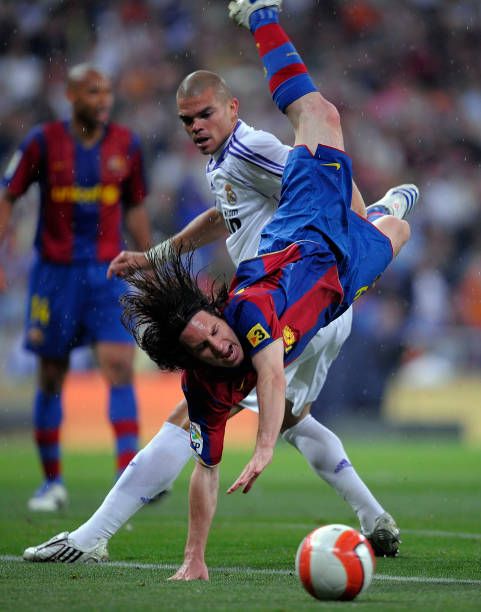
The phrase “the toughest dogs” isn’t about brutality. It’s about enduring a unique blend of physical, mental, and technical strain for 90-plus minutes.
- Physique and Resilience. Soccer demands a hybrid athlete. You need the endurance to cover a high distance run in a soccer match, often over 7 miles. You need the strength to hold off a shoulder challenge, win a header, and absorb a legal charge. You need the agility to evade an illegal tackle. This builds a lean, resilient body that can take contact and keep moving.
- Pain Tolerance and Immediate Recovery. A legal shoulder charge hurts. An accidental knee in the thigh leaves a bruise. The toughest players acknowledge the pain, shake it off, and continue playing at full intensity within seconds. They don’t have the stoppages of collision sports to regroup.
- Technical Focus Under Pressure. The toughest skill is executing a precise pass or shot while anticipating and absorbing contact. Your mind is calculating space, your body is bracing for impact, and your foot must still connect cleanly with the ball. This split-focus ability separates elite players.
- Mental Fortitude. Knowing contact is coming and not letting it affect your decision-making is a mental game. It’s why veterans seem calmer in crowded midfield battles. They’ve accepted the risk.
This toughness is cultivated. It’s not innate. Training includes drills for shielding the ball while a teammate applies legal shoulder pressure. It includes balance work to stay upright during a challenge. And it absolutely includes dedicated soccer workout plans that build the specific strength and power for these moments.
Training for Contact: Drills Beyond the Tactics
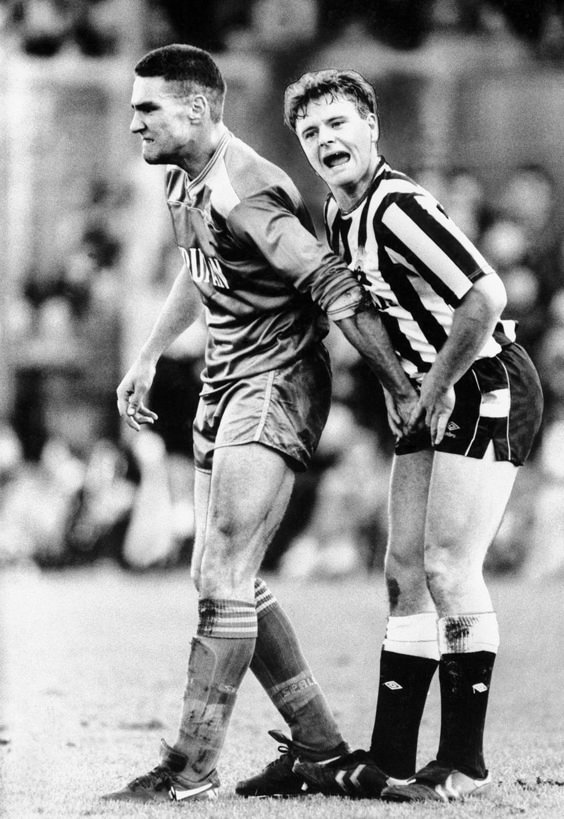
Coaches who ignore contact preparation leave players vulnerable and timid. Integrating contact drills into regular training builds confidence and safety.
The Controlled Shielding Drill. One player receives a ball and must shield it from a teammate for 10 seconds using only legal body positioning, feet planted, arms close, turning the torso to block access. The teammate applies light shoulder pressure. The drill teaches using your center of gravity, not your arms.
The Shoulder-to-Shoulder Jostle. Two players run side-by-side for 20 meters, maintaining light shoulder contact while keeping their feet moving and eyes up. It normalizes the feeling of competing for space without extending arms or leaning in dangerously.
The Fall-and-Rise. In a safe, padded area, players practice falling from a light challenge and immediately recovering to their feet to continue a simulated play. This reduces the instinct to freeze after contact.
These drills must be paired with education. Players learn that extending an arm during a shield turns it into a holding foul. They learn that jumping at an opponent for a header is a reckless charge, while jumping for the ball is legal even if contact occurs.
I once watched a talented young winger freeze every time a defender closed in. He was technically gifted but terrified of the shoulder challenge. We spent two months just on shielding and light jostle drills. By the season’s end, he was riding challenges and cutting inside, his assist count tripled. The contact wasn’t the obstacle; the lack of preparation for it was.
The Safety Framework: Rules, Gear, and Culture
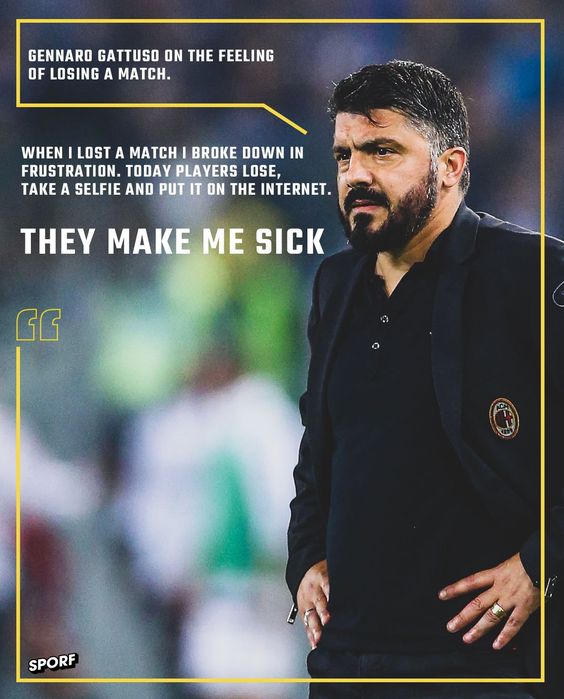
The sport’s safety relies on a three-part framework: rules, protective gear, and a culture of respect.
The rules, as detailed, penalize dangerous behavior. But players also use protective gear to mitigate inevitable contact. Modern cleats with ankle support stabilize joints during twists and tackles. Proper shin guard fit is non-negotiable, a loose guard slides and offers no protection against a studs-up challenge. Some players wear compression arm sleeves for muscle support and minor abrasion protection.
The culture piece is intangible but critical. Coaches and veterans teach respect for the opponent. A reckless tackle isn’t just a foul; it’s a breach of the sport’s ethos. This culture is why the sport can be intensely physical without descending into constant violence. In top leagues, you see players help opponents up after a fair, hard challenge. That’s the contact sport ethos.
Common mistake: Equipping a player with protective gear but skipping the education on legal versus illegal contact, the gear reduces injury risk from accidents, but knowledge prevents the player from causing injuries through illegal actions.
How Playing Conditions Alter Contact
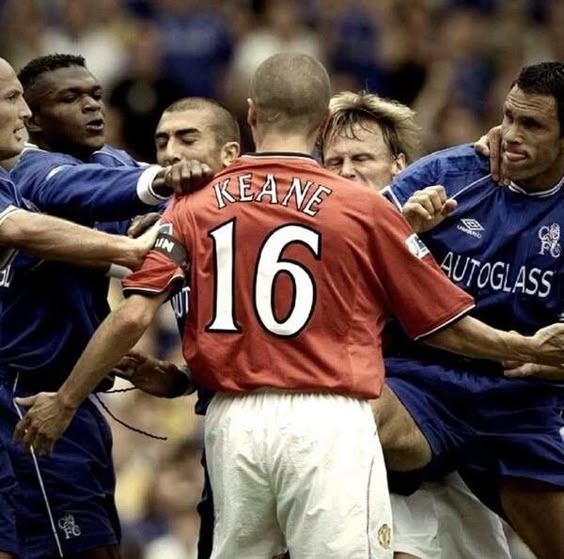
The field itself changes the contact equation. A wet, muddy natural grass pitch slows players down and increases sliding tackles. The contact is often slower but more sprawling. A dry, hard artificial turf surface increases speed and makes tackles sharper. The ball skips, and challenges can become more abrupt.
Weather matters too. Cold, hard pitches make falls more painful. Hot, dry pitches increase fatigue, which leads to late, careless tackles as players lose concentration. Smart teams adjust their pressing and tackling intensity based on the surface and conditions, it’s a tactical layer born from the physical reality of contact.
This is why session planning varies. On turf, coaches might emphasize quick feet and evasion drills. On wet grass, they might focus on sliding tackle technique and recovery from falls. The soccer player stamina required doesn’t change, but the nature of the contact does.
The Evolution of Contact Rules: From Brutality to Controlled Physicality
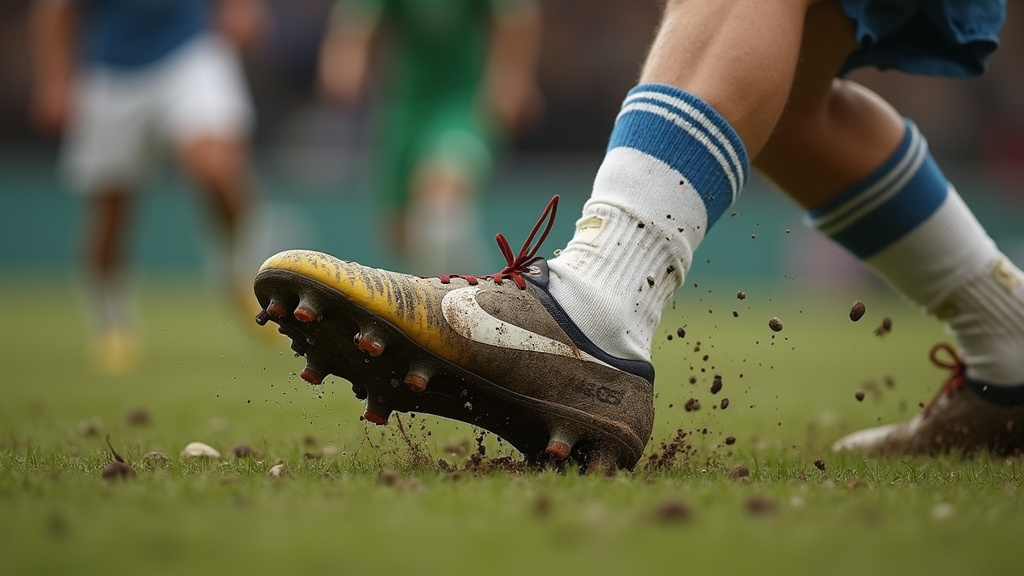
Soccer’s early decades were far more brutal. The original laws were vague, and referees had limited power. Charging an opponent from behind was legal until 1913. The “professional foul”, a deliberate, cynical tackle to stop an attack, became a tactical plague in the 1970s and 1980s.
The modern framework in Law 12, with its careless-reckless-excessive force scale and explicit bans on holding, impeding, and dangerous charges, was refined over the 20th century to promote fairness and safety. The introduction of the red card for serious foul play in 1970 was a direct response to increasing violence. Today’s continued tweaks, like stricter bans on tackles from behind or tackles with raised studs, show the sport’s ongoing commitment to balancing physicality with player protection.
This historical perspective explains why older fans sometimes lament the sport “going soft.” The baseline has shifted from tolerated brutality to regulated contact. The toughness required today is different, it’s about excelling within stricter boundaries.
Frequently Asked Questions
Is shoulder-to-shoulder contact always legal?
No. It’s legal only when both players are fairly competing for the ball and the contact is shoulder-to-shoulder. If you dip your shoulder to hit the opponent’s chest or head, or if you use your arm, it becomes a charging foul. The referee judges the fairness of the challenge.
Why isn’t soccer considered a collision sport like American football?
The objective differs. In collision sports, deliberate impact is a primary method of advancing play or stopping opponents. In soccer, contact is a secondary consequence of competing for the ball. The rules penalize contact that is not aimed at playing the ball. The frequency and intent of heavy collisions are lower.
Can you get a red card for an accidental collision?
Extremely rarely. A red card requires “using excessive force.” An accidental clash of heads during a header attempt is not a foul. However, if a player’s reckless action causes an accidental collision, like jumping wildly at an opponent and then accidentally kneeing them, the initial reckless action can be punished with a yellow or red card.
Do soccer players wear protective gear like helmets?
No, helmets are not part of standard soccer gear. The sport’s contact profile and rules are designed to minimize head-to-head collisions. However, concussion awareness is rising, and some youth leagues are experimenting with soft-padded headbands. For sports where head impact is a primary design, like American football, specialized concussion-reducing helmets are essential.
How can a player prepare mentally for contact?
Repetition. Drills that simulate light, legal contact build familiarity and reduce surprise. Visualization exercises where players anticipate a challenge and plan their technical response (shield, pass, dribble) also help. Mental preparation accepts contact as a variable within the game, not an interruption.
The Bottom Line
Soccer is a contact sport by definition, design, and rule. The physical contest for the ball creates inevitable body-to-body challenges. The toughness of its players comes from excelling within those boundaries, absorbing legal contact, evading illegal tackles, and maintaining technical precision under physical pressure. Understanding Law 12’s categories turns the chaos of collisions into a predictable framework. It explains why a shoulder charge is fine, a push is a foul, and a two-footed tackle is a send-off. That framework, combined with targeted training and a culture of respect, allows the sport to be fiercely competitive without becoming a collision.
I come from the “soccer heart” of Germany, the Ruhrpott. I have played, trained and followed soccer all my life and am a big fan of FC Schalke 04. I also enjoy following international soccer extensively.