Youngest Soccer Players: The Top 10 Debuts Ever Recorded
The top 10 youngest soccer players in history range from a 10-year-old in Liberia to modern teenage stars in Europe’s top leagues, but an early debut is not a guarantee of stardom. The list separates historic anomalies from the current generation of prodigies who are actually shaping the game’s future.
Most people look at a list of youngest players and assume every name is a future Ballon d’Or winner. They see the age and picture a smooth path to superstardom. The reality is messier. For every Lamine Yamal, there’s a Mauricio Baldivieso, a record-holder whose career never matched the initial hype.
This guide cuts through the noise. We’ll detail the definitive top 10, explain the stark difference between a novelty debut and a genuine talent pathway, and reveal what actually happened to these players after the headlines faded.
Key Takeaways
- The absolute youngest player ever was Eric Godpower Marshall, debuting at 10 for Liberia’s FC Kallon in 2021, a case of extraordinary circumstance, not a standard pathway.
- Mauricio Baldivieso debuted at 12 in Bolivia but his career plateaued, illustrating that an early record doesn’t equal sustained success.
- Modern records in top leagues, like Ethan Nwaneri (15) in the Premier League or Francesco Camarda (15) in Serie A, signal elite academy readiness, not desperation.
- Current teenage stars like Lamine Yamal (Barcelona) and Warren Zaïre-Emery (PSG) are considered top talents because of their performance, not just their age.
- Physical readiness is the real bottleneck. Many early debutants vanish because their bodies can’t handle senior football’s demands within two seasons.
The Two Types of “Youngest Player” Records
You have to split this category in two. On one side, you have the absolute youngest-ever to play a professional match, anywhere. These stories often come from leagues with different registration rules or extraordinary circumstances. On the other, you have the youngest to debut in a specific, elite competition like the Premier League or Champions League. The latter group is almost always a better predictor of future elite performance.
The gap between them is about development environment. A kid playing in a top European academy since age seven has a structured professional youth development pathway that a prodigy in a less structured league simply cannot access. That’s why tracking players from youth soccer academies is more telling than the raw age number.
A player’s debut age is a headline. Their minutes per season for the next three years is the real story.
The Definitive Top 10 List (and What Happened Next)
This table separates the historic record-setters from the modern phenoms who are still writing their stories. It’s the difference between a footnote and a future legend.
| Player | Age at Debut | Club / League | The Context & What Happened Next |
|---|---|---|---|
| Eric Godpower Marshall | 10 years | FC Kallon (Liberia) | Debuted in 2021 after a special exemption. Seen as a publicity stunt. No significant senior career followed. |
| Mauricio Baldivieso | 12 years, 5 months | Aurora (Bolivia) | Son of the manager. Had a journeyman career across Bolivia and Paraguay, never reaching elite levels. |
| Christopher Atherton | 13 years, 10 months | Glenavon (N. Ireland) | 2022 debut in the NIFL Cup. Remains a youth prospect; too early to judge long-term trajectory. |
| Da’vian Kimbrough | 13 years, 7 months | Sacramento (USL) | 2023 debut, youngest in US pro soccer history. A major youth athlete training project; future hinges on physical development. |
| Souleymane Mamam | 13 years | Sporting Club de Lomé (Togo) | 2001 debut. Had a modest career in Belgium and the Middle East. The record didn’t forecast stardom. |
| Axel Kei | 13 years, 9 months | Real Monarchs (USL) | 2022 debut. Now in the Columbus Crew academy. Another case of early US pro exposure. |
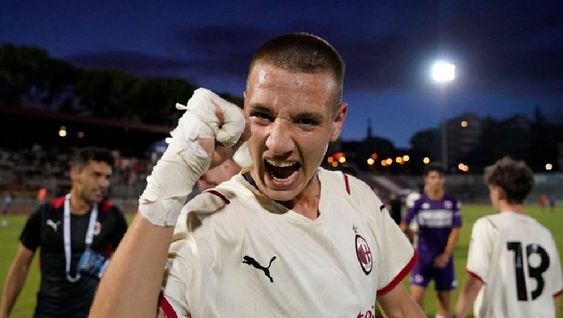
| Francesco Camarda | 15 years, 260 days | AC Milan (Serie A) | 2023 debut due to an injury crisis. Considered Italy’s top young Argentine talents-level prospect. Still in the youth setup. |
| Ethan Nwaneri | 15 years, 181 days | Arsenal (Premier League) | 2022 debut. A regular for England’s youth teams. Loaned to get senior minutes; a true elite academy product. |
| Luka Romero | 15 years, 219 days | Mallorca (LaLiga) | 2020 debut, known as “the new Messi”. Now at AC Milan, fighting for minutes. Career at a crossroads. |
| Youssoufa Moukoko | 16 years, 1 day | Borussia Dortmund (Bundesliga) | 2020 debut. A regular Bundesliga contributor and German youth international, validating his early hype. |
TL;DR: The top of the list is filled with historic anomalies and projects. Real talent evaluation starts around the Serie A and Premier League records, where the infrastructure exists to support a prodigy.
Why the Youngest Often Fade
The body gives out first. A 13-year-old, no matter how skilled, lacks the bone density, muscle mass, and aerobic capacity of a 23-year-old professional. They might be technically ready, but the physical development for players at that age cannot be rushed without injury risk. The second pressure is psychological. The weight of being a “record-holder” distorts normal development. Coaches handle them differently, opponents target them, and media scrutiny is relentless.
I’ve seen it in German academies. A kid gets fast-tracked, plays a few first-team minutes, and then spends two years battling stress fractures and adjusting to sudden expectations. Their soccer-specific workout plans have to be meticulously managed. Skip that, and you get another headline that reads “Youngest-ever player retires at 21.”
Common mistake: Assuming an early debutant is physically ready for a full season, the body breaks down under repeated contact, often within 18 months, leading to chronic muscle injuries or growth-plate issues.
Youngest Records in Major Leagues Today
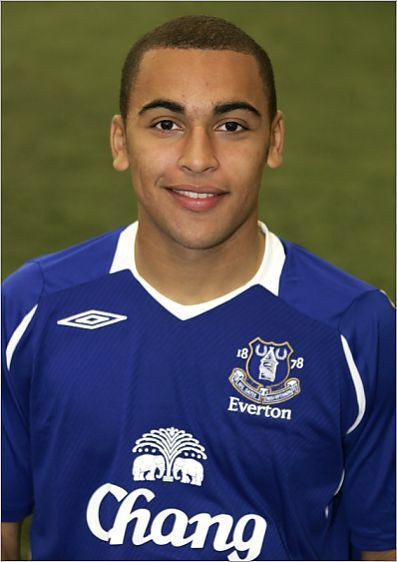
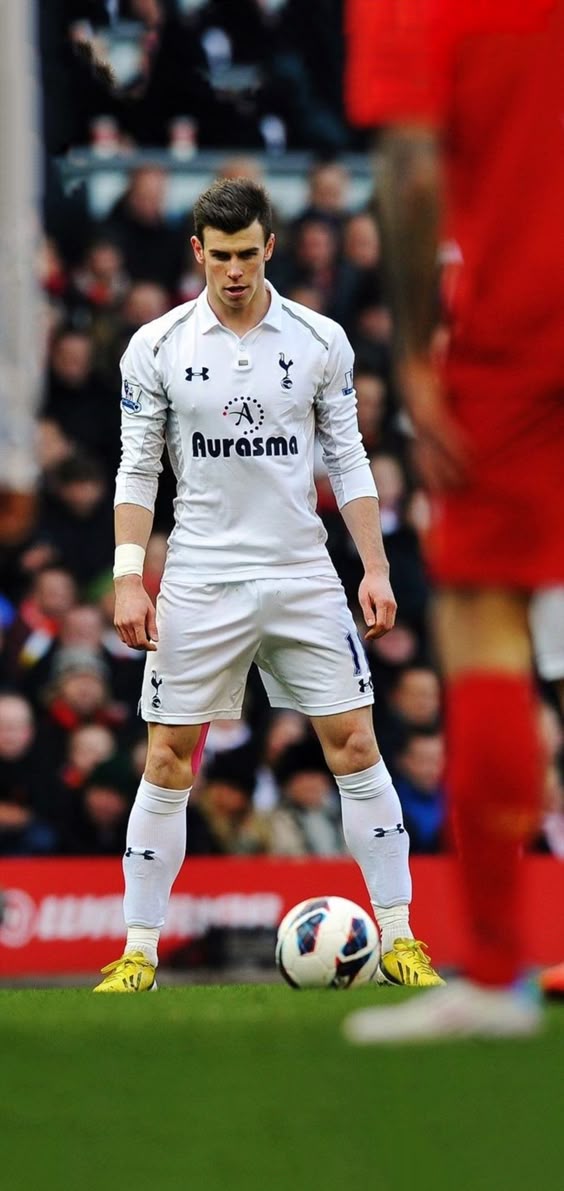
Each top league has its own benchmark. These records are broken more frequently now, showing how academy training systems are pushing players faster.
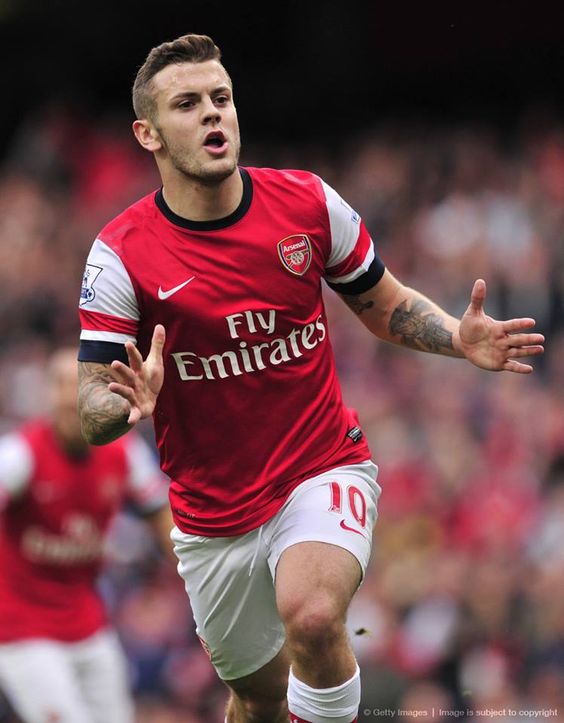
- Premier League: Ethan Nwaneri (15y, 181d for Arsenal, 2022). Broke Harvey Elliott’s record. Arsenal’s academy is one of several elite development pathways in England.
- LaLiga: Luka Romero (15y, 219d for Mallorca, 2020). This record is under threat from Barcelona’s current wave.
- Bundesliga: Youssoufa Moukoko (16y, 1d for Dortmund, 2020). He also holds the Champions League youngest-player record.
- Serie A: Francesco Camarda (15y, 260d for AC Milan, 2023). Debuted during an injury crisis but is a genuine talent.
- Ligue 1: Kalman Gerencseri (15y, 225d in 1960). A remarkably durable record from the last century.
- MLS: Cavan Sullivan (14y, 224d for Philadelphia Union, 2025). The American youth athlete nutrition and training models are producing younger pros.
- NWSL: Alex Whitham (14y, 8m for Gotham FC, 2025). Highlights the accelerating development in women’s soccer.
These league-specific records matter more than the global list. They show which competitions are willing to trust youth. The Bundesliga and Eredivisie have a long history of it; the Premier League is now catching up.
The Modern Wonderkids: Young and Dominant
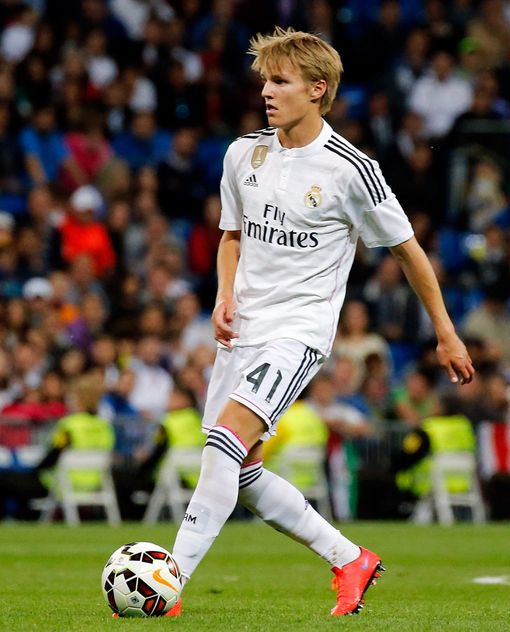
This is the new category. It’s not about who debuted youngest, but who is actually performing at a world-class level while still a teenager. These are the players who justify the hype.
- Lamine Yamal (Barcelona): At 17, he’s not just playing for Barcelona; he’s deciding games. He has the dribbling, vision, and composure of a player ten years older. This is what Cristiano Ronaldo’s youth career hinted at, a physical and technical freak.
- Warren Zaïre-Emery (PSG): A central midfielder who runs games for PSG and the French national team at 19. His game intelligence is off the charts.
- Pau Cubarsí (Barcelona): Another La Masia product, an 18-year-old center-back who plays with a calmness that defies logic. He reads the game like a veteran.
- Endrick (Real Madrid): The Brazilian sensation, signed by Madrid at 16. His explosive power and finishing remind scouts of a young Ronaldo.
- Ethan Nwaneri (Arsenal): While on loan, his development is tracked by every Arsenal fan. He embodies the modern attacking midfielder.
These players are the reason the “youngest” lists have shifted focus. Age alone is a trivia point. Impact is the real metric. Their performance physique and mental maturity are scouted as intensely as their footwork.
How to Spot a Genuine Prodigy vs. a Novelty
Ignore the age for a second. Watch their decision-making under pressure. A novelty player looks good in spaces; a genuine prodigy finds spaces where none exist. Check their physical duel rate. A slight 15-year-old getting pushed off every ball is a project. A 15-year-old who holds off a 25-year-old defender has the core strength to survive.
Also, look at their pass selection. Kids play safe. Prodigies attempt passes that change the game’s geometry. This isn’t just coaching; it’s an innate finding your position and spatial awareness that can’t be taught. Finally, see how their teammates treat them. Do they demand the ball from the kid in a tight spot? That’s the ultimate sign of respect in a dressing room.
The Physical and Psychological Tightrope
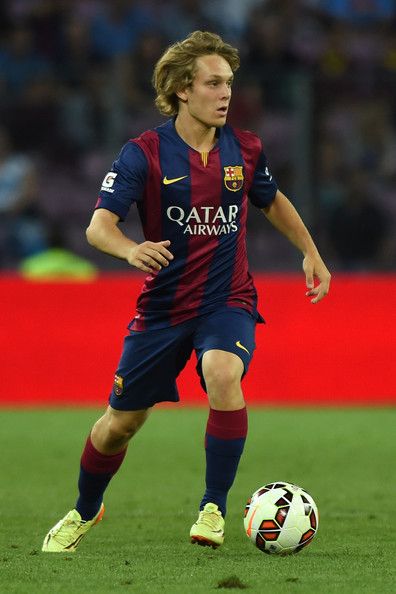
An academy’s most delicate job is managing a prodigy’s body and mind. The soccer player diet is tailored for growth, not just performance, increased calcium, protein, and caloric intake are non-negotiable. Training load is monitored with GPS trackers to avoid overuse injuries. This is a far cry from the old model of just playing through it.
Psychologically, clubs now employ mentors and limit media access. The goal is to create a bubble where the player can fail without public catastrophe. The pressure to be the most followed players on Instagram at 16 is a genuine distraction. I’ve spoken to youth coaches who have to confiscate phones the night before a big game to stop kids from reading comments.
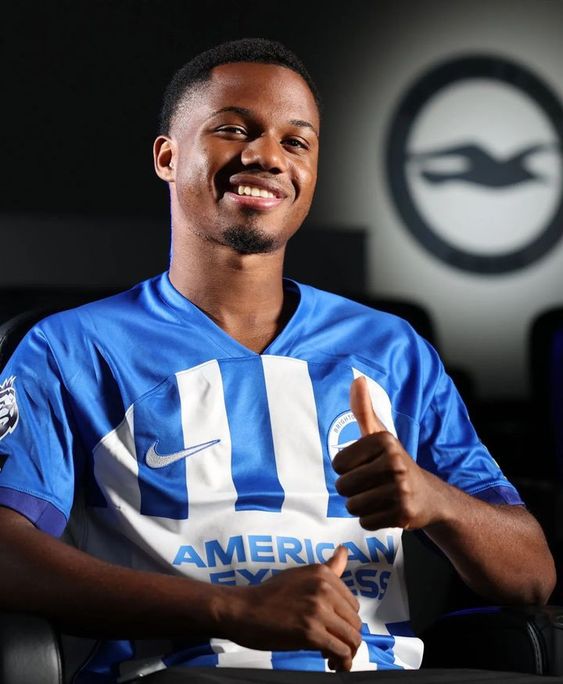
Common mistake: Celebrating a debut without a 5-year development plan, without it, the player peaks at 17, becomes a media curiosity, and struggles to find a club at 22 because they never developed a complete game.
The ones who make it, like Yamal, have a freakish combination of physical resilience and emotional stability. That’s the lottery ticket. For every one of him, there are a dozen who possess only one of those traits.
Frequently Asked Questions
Who is currently the youngest active player in a major European league?
As of 2025, that is often a fluid title, but players like AC Milan’s Francesco Camarda (born 2008) or Barcelona’s Lamine Yamal (born 2007) are among the youngest seeing first-team minutes. New records in leagues like the Bundesliga or Premier League are broken every few seasons.
Did any of the very youngest players go on to have great careers?
The correlation is weak. Youssoufa Moukoko, who debuted at 16 in the Bundesliga, has developed into a solid professional. Most from the absolute youngest list, like Mauricio Baldivieso or Souleymane Mamam, had modest careers. Success depends far more on the support system after the debut than the age itself.
Is it good for soccer that players are debuting so young?
It’s a double-edged sword. It rewards exceptional talent and improves the game’s technical level. But it also increases injury risk and psychological pressure. The key is having robust systems, like those in top youth soccer academies, to protect the player, not just exploit their talent.
How do the youngest players in women’s soccer compare?
The trend is similar. Alex Whitham debuted at 14 in the NWSL in 2025, and Lauren James debuted in the English WSL at 16. The physical development timeline differs, but the pressures of early stardom and media attention are equally intense.
Who is the youngest player to score in a major league?
This record is also constantly broken. In recent times, Borussia Dortmund’s Youssoufa Moukoko became the youngest scorer in Bundesliga history at 16 years and 28 days. These scoring records often solidify a player’s status as a true prospect, not just a debutant.
The Bottom Line
Chasing the “youngest ever” title is a fascinating quirk of football history, but it’s a poor predictor of greatness. The real list to watch is the one featuring players like Lamine Yamal and Warren Zaïre-Emery, teenagers who aren’t just on the pitch, but are dictating terms in the Champions League. Their stories are less about a record-breaking day and more about a sustained, managed ascent.
Focus on the players who dominate at 19, not just those who appeared at 15. The sport’s history is littered with early bloomers who faded. The future belongs to the complete talents who survive the gauntlet of physical and mental pressure. That’s the true test, and it’s one no age-record can ever measure.

I come from the “soccer heart” of Germany, the Ruhrpott. I have played, trained and followed soccer all my life and am a big fan of FC Schalke 04. I also enjoy following international soccer extensively.