Why Soccer Players Fake Injuries: The Strategy of Flopping
Soccer players fake injuries to gain a tactical advantage. They do it to win free kicks or penalties, get an opponent booked with a yellow or red card, waste time to protect a lead, disrupt the opposing team’s rhythm, or simply to get a brief rest during a high-intensity match. It is a calculated strategy, not a sign of weakness.
Most fans see a player writhing on the grass and think it’s embarrassing or weak. They’re missing the point. That player isn’t thinking about dignity; he’s thinking about the scoreboard, the clock, and the referee’s pocket.
This guide breaks down the cold, hard calculus behind the dive. We’ll look at the eight specific advantages players chase, the real physical toll that gets ignored, and why even with Video Assistant Referee (VAR) technology, the theatrics aren’t going away.
Key Takeaways
- Faking injury is a strategic tool, primarily used to win set-pieces, get opponents carded, or waste precious game time.
- The most dangerous consequence is the “boy who cried wolf” effect, where real, serious injuries like concussions are dismissed by officials and fans.
- Video Assistant Referee (VAR) has not eliminated diving; it’s often too subjective to overturn unless the simulation is blatant and there was zero contact.
- Players from leagues with a higher tolerance for tactical fouls and time-wasting often simulate more frequently than those from more physically direct leagues.
- Exaggeration is more common than pure fabrication; most dives start with real contact that gets amplified to guarantee the referee’s call.
The 8 Core Reasons Players Go Down (And What They Gain)
Let’s move past the moral outrage. On the pitch, a player hitting the deck is a business decision. Here are the assets they’re trying to acquire.
1. To Win a Free Kick or Penalty
This is the primary objective. A well-placed free kick just outside the box is a direct scoring chance. A penalty kick is a near-guaranteed goal. The incentive is enormous. If a striker feels a defender’s hand on his shoulder in the area, going down is the most reliable way to convert that slight contact into a game-changing decision. Stay on your feet, and the referee often waves play on.
2. To Get an Opponent Carded
This is a targeted, strategic assassination. If an opposing midfielder is already on a yellow card, inviting a second foul, or exaggerating the first, can get him sent off. Playing against ten men for 30 minutes is a colossal advantage. I’ve seen players specifically dribble at booked opponents, hoping to draw that reckless, frustrated lunge.
3. To Waste Time and Kill Momentum
When a team is leading, especially in the final 10–15 minutes, the game’s rhythm is their enemy. Every second the ball is in play is a second the opponent can attack. A “cramp” or a “knock” that requires 90 seconds of treatment stops the clock, breaks the opponent’s building pressure, and allows your defense to reorganize. A Frontiers in Psychology research article quantified this, noting a measurable spike in low-severity “injuries” for teams protecting a favorable scoreline late in games.
4. To Disrupt the Opponent’s Tempo
This is related to time-wasting but more psychological. If the other team is stringing together passes and building dangerous attacks, a sudden stoppage cools them off. It frustrates their players, breaks their concentration, and can force them to lose their tactical shape. The restart often becomes a disjointed free kick instead of a flowing move.
5. To Gain a Physical and Mental Rest
A 90-minute match at the highest level is a brutal test of endurance. A tactical “injury” stoppage offers 30-45 seconds for players to gather at the touchline, get instructions from the coach, and, most importantly, breathe. That brief pause can be the difference in the final sprint for a loose ball. This aspect of the physical demands of soccer is often overlooked by spectators in the stands.
6. To Regain Possession After a Mistake
A player miscontrols a pass and loses the ball. If he goes down immediately, claiming a foul from the challenger, he might win a free kick and erase his error. It’s a reset button. This is a cynical but common move, especially in midfield battles where possession is everything.
7. To Exaggerate Real Contact (The “Make-Up Call”)
This is crucial to understand. Many so-called dives aren’t fake. They’re real fouls sold with theater. A defender’s studs might scrape a forward’s shinpad. It hurts, but the player can continue. However, if he doesn’t sell it, the referee might miss it entirely. So he goes down, ensuring the foul is given. It’s gamesmanship within the contact nature of the sport.
8. To Save Face After a Poor Play
It’s a pride thing. A player skies a shot over the bar from six yards out. The immediate instinct for some is to clutch a hamstring, diverting the crowd’s and teammates’ criticism from his terrible finish to an “unfortunate injury.” It’s transparent to seasoned watchers, but it happens.
The act of feigning injury, officially “simulation”, is punishable by a yellow card for unsporting behavior. A second yellow for the same offense means a red card and sending off. The rule is clear, but the application is notoriously inconsistent.
| Primary Tactic | Immediate Game Advantage | Long-Term Risk |
|---|---|---|
| Winning a Free Kick/Penalty | Direct scoring opportunity | Referee reputation for future appeals |
| Getting an Opponent Carded | Numerical superiority | Targeted retaliation in future matches |
| Wasting Time | Secures a lead, breaks rhythm | Added stoppage time, fan/media criticism |
| Exaggerating Contact | Ensures foul is seen | Loss of credibility with officials |
TL;DR: Players fake injuries to acquire eight specific in-game advantages, from set-pieces to red cards. The most common goal is manipulating the referee’s decision to stop play or punish an opponent.
It’s Not Always Fake: The Pain and Theatrics Spectrum
The black-and-white view, “he’s either hurt or he’s cheating”, is wrong. Soccer is a collision sport. Most simulations exist on a spectrum between genuine agony and pure theater.
The “Real Foul, Sold Hard” Scenario
A defender clips a winger’s heel at full sprint. The winger stumbles, feels a sharp sting, but could potentially stay upright. He chooses not to. He hits the ground, rolls, and grabs his ankle. The foul was real. The pain was real. The reaction was amplified to guarantee the call. This is the most common type of “dive” at the professional level.
The “Fabricated Nothing” Scenario
This is the clear cheat. A player feels a hand on his back, loses his balance, and throws himself to the ground as if shot. There’s no real impediment, no pain. This is what VAR is supposed to catch, and what earns the loudest boos. Players known for this, like Neymar in his earlier career, build a reputation that haunts them. Referees become skeptical of their every fall.
Common mistake: Assuming every dramatic fall is a complete fabrication, this mindset leads fans and officials to dismiss legitimate injuries, including serious head trauma, as “just another dive.”
The real danger isn’t the dive itself. It’s the culture of disbelief it creates. When a player stays down after an aerial clash, holding his head, the immediate reaction from opponents and some fans is “get up, you’re faking.” That delay can be critical for diagnosing a concussion. This is the ugly, unintended consequence of widespread simulation.
The Psychology and Pressure Cooker
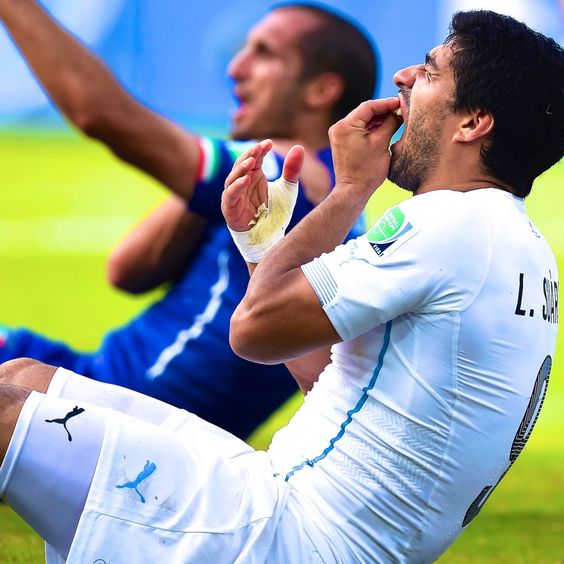
Why would a world-class athlete choose to embarrass himself on global television? The answer is in the pressure cooker of professional sports.
The Win-at-All-Costs Environment
At the elite level, results are everything. Contracts, bonuses, Champions League qualification, and even a manager’s job hinge on single moments. In that environment, ethical play can feel like a luxury. If going down guarantees a penalty that wins the derby, the short-term shame is outweighed by the long-term adulation. The stakes redefine what’s “acceptable.”
Reputation and the Referee’s Notebook
A player’s history directly influences a referee’s split-second decision. A known diver gets fewer calls. An honest player who rarely goes down might get more leeway. This creates a perverse incentive: if you’re never theatrical, you might not get the fouls you deserve. Some players feel forced to exaggerate just to level the playing field. This mental calculus is a constant undercurrent in a player’s professional soccer career.
Cultural and League Differences
Watch a match in the English Premier League and then one in Spain’s La Liga or Italy’s Serie A. The tolerance level for contact and the theatrical response to it vary noticeably. In some leagues, going down easily is seen as intelligent game management. In others, it’s scorned. This isn’t a judgment on quality, but an acknowledgment that the “rules of engagement” are culturally interpreted. A player transferring between these leagues often has to adapt his style.
How the Game Tries to Fight Back: Rules and Technology
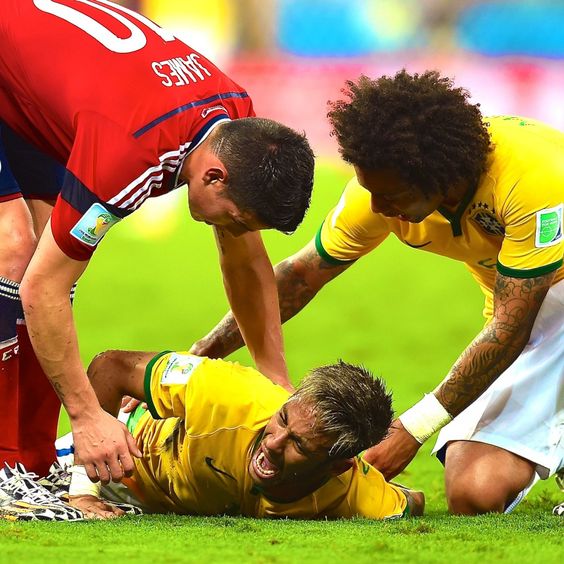
The authorities know it’s a problem. The solutions, however, have been imperfect.
The Official Punishment: A Yellow Card
The laws are clear. Law 12 lists “attempts to deceive the referee by feigning injury or pretending to have been fouled (simulation)” as unsporting behavior, warranting a caution. In theory, this should be a deterrent. In practice, it’s inconsistently applied because the referee must be 100% certain, a high bar in real time.
The Role of VAR (Video Assistant Referee)
VAR was supposed to be the dive-killer. It hasn’t worked out that way. The protocol allows VAR to review potential penalties and red-card incidents. They can recommend an on-field review if they see clear evidence of simulation.
The problem is subjectivity. If there’s any contact at all, however slight, it’s rarely deemed a “clear and obvious error” to award a free kick. VAR intervenes only for the most blatant, contact-free dives. For the more common “exaggeration” dives, it’s ineffective. This is why you still see so much simulation post-VAR.
The “Retrospective Ban” Loophole
Some leagues allow disciplinary panels to review footage after the match and hand out bans for simulation that was missed during the game. This is a stronger deterrent, as a two-match ban hurts more than a yellow card. However, it’s not universally adopted and only applies to the most egregious cases.
The Real Cost: Beyond the Yellow Card
The price of diving isn’t just a caution. It has deeper, more corrosive effects on the sport and the people who play it.
Erosion of Trust and the “Boy Who Cried Wolf”
This is the most damaging legacy. When simulation becomes routine, genuine suffering is met with cynicism. I’ve seen players with broken bones accused of play-acting because they had a reputation for going down easily. This erosion of trust between players, officials, and fans poisons the atmosphere of the game. It makes every stoppage a debate instead of a concern for welfare.
Impact on Young Players and the Sport’s Culture
Youth players emulate what they see on TV. If their heroes are rewarded for diving, they’ll dive. This teaches a generation that cheating is a viable path to success, undermining the sport’s core values of fair play and respect. Coaching soccer tactics should focus on skill and strategy, not instruction in deception.
Physical Risk: Real Injuries Ignored
As mentioned, the culture of disbelief is a genuine safety issue. The push to “get up and stop faking” can lead players to hide concussions, play on with muscle tears, or ignore joint damage. The sport’s duty of care to its athletes is compromised every time a real injury is waved away as theatrics. This disregard contributes to the physical toll on players that shortens careers.
Frequently Asked Questions
Do referees know when a player is faking?
Often, yes. But knowing and being able to prove it in the moment are different things. A referee might be 80% sure it’s a dive, but if there’s a 20% chance of real contact, they are instructed to give the benefit of the doubt to the attacking player. That’s why so many soft fouls are given.
Why don’t referees give more yellow cards for diving?
The threshold for certainty is extremely high. Giving a yellow card for simulation when the player was actually fouled is a major error that could change the match. Referees fear this mistake more than they fear missing a dive. It’s a risk-averse approach built into officiating culture.
Has VAR made diving obsolete?
No. VAR has reduced only the most blatant, no-contact dives in the penalty area. The majority of simulation, exaggerating real contact, going down easily under challenge, remains largely unaffected because VAR officials are reluctant to overturn subjective calls made in real time by the on-field referee.
Do all soccer players fake injuries?
No, but the practice is widespread at the professional level where the stakes are highest. It’s less common in amateur and youth games, though studies show it still occurs when the pressure to win is intense. A player’s position, personality, and team role also influence their likelihood to simulate.
What’s the difference between a “dive” and “exaggeration”?
dive implies no contact whatsoever; the player fabricates the foul from nothing. Exaggeration means there was real contact or a foul, but the player amplifies his reaction to ensure the referee sees it and makes the call. Exaggeration is far more common in professional soccer.
The Bottom Line
Soccer players fake injuries because it works. It’s a high-reward, low-risk strategy embedded in the game’s highest levels. The rewards, penalties, red cards, protected leads, are tangible. The risks, a possible yellow card, some fan ire, are often worth the gamble.
The real conversation shouldn’t be about moralizing players. It should be about changing the incentives. Stricter, more consistent post-match bans for clear simulation would help. So would empowering referees and VAR to make tougher calls without fear of backlash. Most importantly, the sport needs to rebuild trust, so that a player holding his head is treated as a medical emergency first and a potential cheat second.
Until the cost of diving outweighs the benefit, you’ll keep seeing players hit the deck. Understand the calculus, and you stop seeing a flop. You start seeing a cold, hard business decision.

I come from the “soccer heart” of Germany, the Ruhrpott. I have played, trained and followed soccer all my life and am a big fan of FC Schalke 04. I also enjoy following international soccer extensively.