The Real Reason Soccer Players Walk Out With Kids Revealed
The real reason soccer players walk out with kids is a blend of public relations, commercial sponsorship, and community engagement. This tradition, using player escorts, primarily promotes a family-friendly image for clubs while supporting children’s charities and generating significant revenue through paid mascot packages.
Soccer players walk out with kids, a tradition known as using player escorts or match mascots, as a pre-match ritual that symbolizes a commitment to children’s welfare, promotes a family-friendly image, and serves as a powerful public relations and community engagement tool for clubs and federations. The practice, now standardized, began as a focused campaign and has evolved into a complex mix of charity, commerce, and fan experience.
Most people see the heartwarming image and assume it’s a simple, free gift for a lucky local kid. The reality is more layered. That walk onto the pitch is a carefully managed piece of theater with decades of history, million-dollar sponsorship deals, and sometimes a four-figure price tag attached.
This guide breaks down where the tradition started, how a child actually gets chosen, and the four real reasons, beyond the symbolism, that make it a permanent fixture in the modern game.
Key Takeaways
- The modern tradition was globally cemented by FIFA and UNICEF’s “Say Yes to Children” campaign at the 2002 World Cup, transforming a sporadic practice into a symbolic standard.
- Children are selected through four main channels: international sponsor sweepstakes (e.g., McDonald’s), charitable initiatives, direct payments to clubs (often £150–£600), or local community nominations.
- For clubs, escorts are a triple-threat tool: they generate positive PR and revenue, promote a safe, family-friendly atmosphere to counter past hooliganism, and subtly remind players of their responsibility as role models.
- The experience for the child is designed to be unforgettable, but its accessibility varies wildly, from a life-changing prize for a global winner to an expensive privilege bought by a parent.
- The practice’s evolution mirrors football’s own shift from a sport plagued by crowd violence to a polished, global entertainment product that consciously markets itself to families.
Where Did the “Player Escort” Tradition Start?
You will not find child escorts in footage from the 1970s or 80s. The image of a star holding a small child’s hand is a product of the modern, televised era. Isolated examples popped up earlier, a young Wayne Rooney escorted Liverpool and Everton players in a 1996 Merseyside derby, but the ritual lacked a unifying purpose.
The catalyst was a formal partnership between football’s governing body and a global children’s charity.
The widespread use of player escorts at major tournaments stems directly from the 2002 FIFA World Cup. For that event, FIFA partnered with UNICEF on the “Say Yes to Children” campaign. The initiative aimed to harness football’s popularity to raise awareness for children’s rights, explicitly framing the sport and its stars as forces for building a fairer world. Walking onto the pitch with a child became the campaign’s visual signature.
That 2002 campaign provided the moral framework. It gave broadcasters a story to tell and federations a positive, unassailable reason to institutionalize the practice. After the World Cup, it filtered down. UEFA adopted it for the Champions League. Domestic leagues like the Premier League and the Bundesliga made it standard. Within a few years, a pre-match walk without a child escort began to look incomplete.
The tradition solved a reputation problem. Football in the 1980s was synonymous with hooliganism, fences, riots, tragedy. Clubs and leagues needed to rebrand. What better way to signal safety and inclusivity than parading the most vulnerable fans onto the field? It was a visual detox. The child escort became a living prop in football’s campaign to present itself as family entertainment.
TL;DR: The ritual became universal after the 2002 World Cup’s UNICEF campaign gave it a charitable purpose, allowing leagues to adopt it as a tool to soften the sport’s image and create a broadcast-friendly tradition.
How Are the Children Chosen? The 4 Pathways to the Pitch
There is no single system. The method depends entirely on the club, the competition, and the country. The experience for a child in a rural German club differs fundamentally from one at a Premier League giant.
| Selection Method | Typical Source | Who It Reaches | Cost to Family |
|---|---|---|---|
| Sponsor Sweepstakes | Global (McDonald’s, CommBank) | International audience; winners of a lottery | Free, often includes travel & accommodation |
| Charity & Community | Local hospitals, schools, youth clubs | Children facing illness, hardship, or showing local merit | Free |
| Paid Club Package | Club’s commercial department | Families with disposable income | £150 to £600+ |
| Club Waitlist / Draw | Club’s community foundation | Long-term supporters; applicants often wait years | Usually free or nominal fee |
The sponsor route is the dream scenario. For World Cups, McDonald’s has run global competitions where the grand prize is being a mascot. The 2023 FIFA Women’s World Cup had CommBank running a similar program. These are all-expenses-paid trips, a genuine gift.
The charitable path is the feel-good story clubs love to promote. A child battling illness gets a surprise invite. A local youth tournament champion is rewarded. This fulfills the community pillar of a club’s charter and generates excellent local press.
Then there’s commerce. Many top clubs, especially in England, treat mascot spots as a revenue stream. They sell packages. For a fee, anywhere from £150 to over £600, your child gets the uniform, the walk, photos, and sometimes autographs. Chelsea F.C. famously has a years-long waitlist, turning the experience into a scarce commodity. This practice draws criticism for gatekeeping a magical moment behind a paywall.
Common mistake: Assuming all child escorts are local kids who won a contest, many are international visitors from sponsor draws, and a significant number are participants in a paid club package that generates direct revenue.
Finally, some clubs use a hybrid: an application or ballot system for season-ticket holders. This is still selective, but it’s not purely transactional. It rewards loyalty. The common thread is control. The club meticulously manages who gets this high-profile moment. They vet the children, brief them, and dress them in official kit to ensure the visual matches the brand.
TL;DR: A child reaches the pitch via one of four gates: winning a global sponsor’s lottery, being chosen for charity, paying the club directly, or succeeding in a loyalty-based application, with the first and third being the most common at the elite level.
The 4 Real Reasons Clubs Use Child Escorts
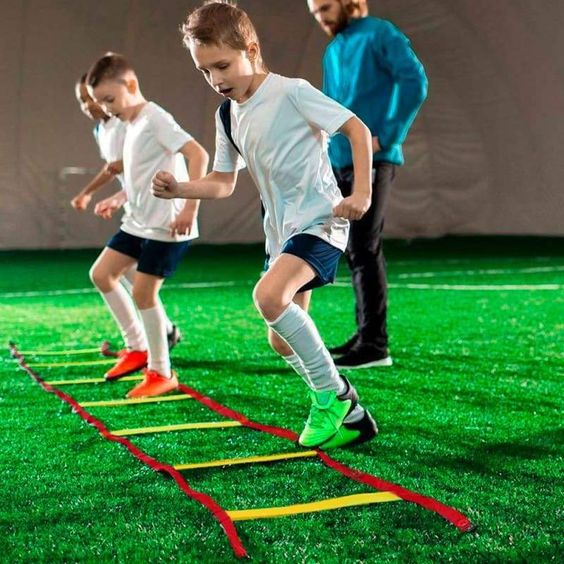
The walk is more than a photo op. It serves multiple strategic purposes for the clubs and federations that stage it. The symbolism is real, but it’s backed by concrete objectives.
1. Public Relations and Brand Management
This is the primary engine. The image is pure positive publicity. It frames the club as community-hearted and family-friendly. For a global sponsor like McDonald’s, it associates their brand with childhood joy and international unity. After a week of negative headlines about player conduct or fan trouble, the mascot walk is a guaranteed soft-news story that resets the narrative. It’s a public persona reset button.
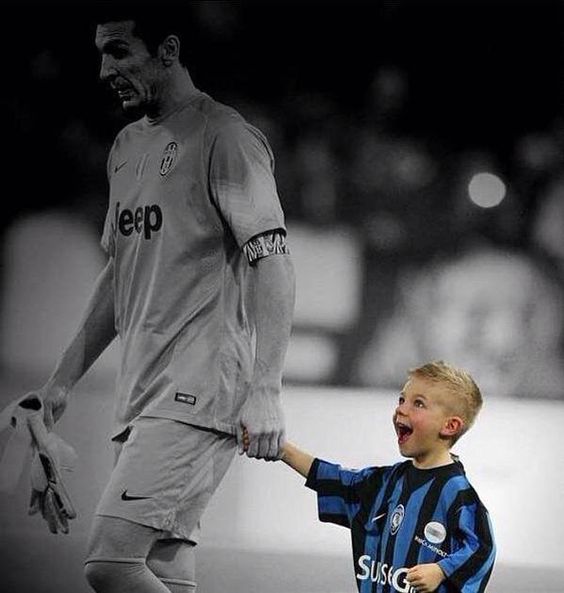
2. Revenue Generation
For many clubs, it’s a direct income source. Selling mascot packages is a niche but profitable line item. The marginal cost is low, a kit, a staff minder, but the price tag can be high. This commercial reality starkly contrasts with the charitable origins but is standard practice. This revenue feeds into the broader financial ecosystem that supports player contracts and club operations.
3. Promoting Safety and a Family-Friendly Atmosphere
The tradition is a deliberate rebuke to football’s violent past. Having children on the pitch at the most volatile moment, just before kick-off, is believed to have a calming effect. The theory goes that fans are less likely to throw objects or scream abuse with kids in the line of fire. It’s a psychological curb. It signals that this is a safe space for families, which broadens the fanbase and ticketing reach. This focus on environment is part of a larger youth soccer academy ethos that markets the sport as a positive developmental space.
4. Inspirational Role-Model Dynamics
The ritual works in two directions. For the child, it’s the ultimate dream fulfillment, touching the same grass as their heroes. For the player, it’s a last-second reminder of their responsibility. That wide-eyed kid holding their hand is a microcosm of their entire fanbase. It’s harder to act petulantly or give less than full effort when you’ve just embodied the hopes of a child. This connection is fundamental to building the soccer legacy of any star.
I prefer the community-selected mascot over the paid package every time. I’ve seen both. The child who earned it through a local club or overcame something carries a different energy, it feels like the tradition’s original intent. The paid version can feel like a VIP photo shoot. The former reminds the players why they matter; the latter can feel like just another commercial obligation.
These four reasons are not mutually exclusive. A single child escort event can tick all the boxes: generate revenue, create positive PR, enhance safety perceptions, and create a lifelong memory. That’s why the tradition isn’t going anywhere.
TL;DR: Clubs use escorts for PR, direct revenue, safety branding, and to inspire both the child and the player, making the 60-second walk one of the most efficient multi-purpose rituals in professional sports.
What’s the Experience Like for the Child?
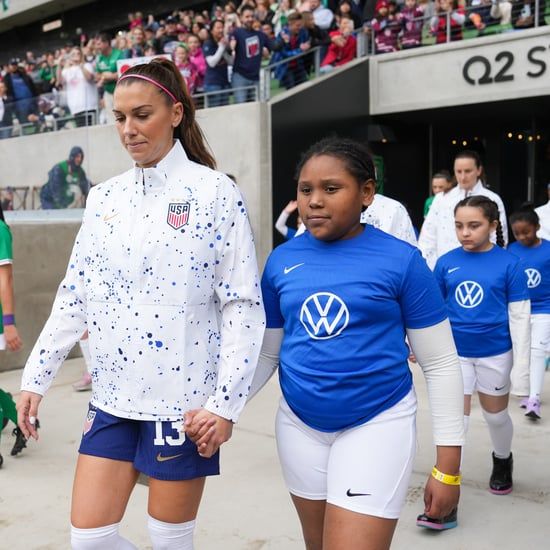
It’s a whirlwind of controlled chaos. The child, usually aged between 6 and 10, arrives hours before kick-off. They are handed a full, tailored kit, shirt, shorts, socks, often with their name on the back. There’s a briefing: hold the player’s hand, look ahead, smile, don’t ask for autographs now.
Then, the wait in the tunnel. The noise is the first shock, a deep, reverberating roar from the stadium, felt in the chest. The smell is a mix of liniment, damp concrete, and cut grass. The players loom, focused and massive in person. A club official pairs each child with a starter.
The walk itself lasts under a minute. The child is simultaneously the center of attention and a passenger. Cameras flash. The crowd noise swells. Then, they peel off to the side, often to watch the match from special seats with their parents. The aftermath is a blur of photos and, if they’re lucky, a quick word or a fist bump from their player.
The psychological impact is profound. For many, it crystallizes a lifelong love for the club. For a rare few, it might plant the seed of a professional dream, a first step on a path that leads to youth development programs. The child gets a tangible connection to a world that usually exists only on a screen. They become part of the club’s story for a day. That memory, and the official photo, becomes a family heirloom.
The downside is the potential for anticlimax or pressure. Not every player is warm. The schedule is rigid. For a shy child, the sensory overload can be overwhelming. Clubs are generally good at handling this, but it’s not a guaranteed fairy tale. It’s a real event with real logistics.
Frequently Asked Questions
How much does it cost to be a mascot?
Costs vary wildly. For major tournaments via sponsors like McDonald’s, it’s free and includes travel. For many Premier League clubs, official mascot packages are sold directly and can range from £150 to over £600. Some clubs use charity auctions or community nominations, which have no direct cost to the family.
Can you request a specific player?
Almost never. The club or event organizer makes the assignments. They consider player positions, seniority, and sometimes the child’s stated preference, but they cannot guarantee a specific pairing due to last-minute team changes and logistical simplicity.
What’s the age limit for child escorts?
The standard age range is 6 to 10 years old. This is firm at the professional level. The child needs to be old enough to follow instructions and handle the environment, but young enough to visually fit the “child escort” motif. Younger siblings or babies are not used.
Do the players’ own children ever do it?
Yes, but it’s not the norm. It’s more common in pre-season friendlies, testimonial matches, or community events. In a high-stakes competitive match, clubs prefer to use the slot for community engagement or commercial purposes rather than as a family perk.
Is this tradition used in other sports?
It is most closely associated with soccer (football). While other sports like rugby or cricket may have children involved in coin tosses or as flag bearers, the systematic pairing of each starter with a child is uniquely a soccer tradition at the elite level.
Before You Go
The child escort walk is a perfect snapshot of modern football. It’s a blend of heartfelt symbolism and cold commercial calculation. It exists because a charity campaign gave it meaning, and it persists because it makes business sense. It rebrands the sport, funds the club, and manufactures a moment of pure magic for a child, even if that magic sometimes has a price tag.
Look at it next time not just as a cute tradition, but as a finished product. That child represents a complex chain of decisions about marketing, community, revenue, and safety. The walk is a 60-second ritual that does more heavy lifting for the image of the game than any halftime show ever could. It’s here to stay because, for all involved, it works.

I come from the “soccer heart” of Germany, the Ruhrpott. I have played, trained and followed soccer all my life and am a big fan of FC Schalke 04. I also enjoy following international soccer extensively.