Your Complete Guide to World Cup Tickets: Official Info & Sales
World Cup 2026 tickets are sold exclusively through FIFA.com/tickets and its official FIFA Resale Marketplace. The Last-Minute Sales Phase began April 1, 2026, offering remaining tickets on a first-come, first-served basis with immediate confirmation. All tickets are digital, accessed via the FWC2026 Mobile Tickets app, and require a FIFA ID linking your name and photo to each purchase.
Most people think they can just buy a ticket and walk into the stadium. They forget the FIFA ID, the mobile-only rule, and the separate travel paperwork. That mistake turns a dream trip into a gate refusal.
This guide walks through the current last-minute sales, the official resale platform, ticket categories and prices, and the digital process that replaces paper tickets. It also covers the common scams that invalidate tickets and the specific rules for residents of Mexico.
Key Takeaways
- The FIFA Resale Marketplace is the only safe fan-to-fan channel. Tickets sold on StubHub, Viagogo, or social media can be invalidated by FIFA without refund. The official platform reissues the ticket digitally to the buyer.
- Every attendee needs a FIFA ID. This free account links your name, photo, and government ID to your ticket. Children also need one. Create it months before you travel.
- Tickets are mobile-only with dynamic barcodes. Screenshots or printouts won’t work. You must use the official FWC2026 Mobile Tickets app, which launches in mid-May 2026.
- Ticket prices include a 15% service fee. The listed price on FIFA.com/tickets is not the final price. Add 15% to your budget.
- Travel documents are separate. A ticket does not guarantee entry to the USA, Canada, or Mexico. Secure your visa, ESTA, or eTA well before match day.
How the FIFA Resale Marketplace Works
The official FIFA Resale Marketplace reopened on April 2, 2026. It’s the only place where fans can buy and sell tickets with FIFA’s guarantee of validity. Sellers list their tickets, choose a price (subject to country-specific caps), and FIFA digitally reissues the ticket to the new buyer. The old barcode is killed, a new one generated in the app.
Tickets purchased on the FIFA Resale Marketplace are reissued as new mobile tickets with a fresh dynamic barcode. This process invalidates the seller’s original ticket, preventing duplicate entry. The marketplace remains open until one hour before each match kickoff.
The platform works like a regulated stock exchange. You log in with your FIFA ID, browse available matches, and purchase. Payment is processed through FIFA’s system, and the ticket appears in your app within 48 hours. For residents of Mexico, the dedicated Mercado de Intercambio de la FIFA operates under the same principle but mandates face-value-only sales. No price gouging allowed.
Common mistake: Buying from a third-party site like StubHub — the ticket barcode is still tied to the original purchaser’s FIFA ID. FIFA can invalidate it at the gate, and you get no refund. I watched a group of England fans get turned away at a 2022 qualifier in Munich because they bought through a broker. Their tickets scanned as “already used” at the turnstile. They stood there for twenty minutes arguing with security while the match started.
The resale window closes sixty minutes before kickoff. That’s your hard deadline.
TL;DR: Use only the FIFA Resale Marketplace. It reissues tickets digitally, making third-party purchases a scam risk that ends at the gate.
The Last-Minute Sales Phase: What’s Left and How to Get It
The Last-Minute Sales Phase started April 1, 2026. This is not another lottery. It’s a first-come, first-served live inventory. FIFA releases tickets that were canceled, returned, or newly allocated. You see what’s available, click, pay, and get immediate confirmation.
Inventory refreshes unpredictably. A batch of Category 3 seats for a US group match might appear at 9 a.m. EST Tuesday, vanish by noon, and a handful of Category 1 semifinal tickets pop up Thursday afternoon. The key is frequency. Check FIFA.com/tickets daily, even multiple times a day. Set a browser bookmark directly to the ticket portal, not the general FIFA site.
Before you start: Have your FIFA ID logged in and a payment method ready before you browse. The 15% service fee applies here too. Popular matches sell out in minutes, not hours.
The table below shows what typically surfaces during this phase, based on patterns from previous tournaments.
| Match Stage | Typical Availability | Purchase Speed Required |
|---|---|---|
| Group Stage (non-host) | Category 3 & 4 tickets, occasional Category 2 | Within 10–15 minutes |
| Group Stage (host nation) | Very limited Category 1 & 2, mostly Supporter Tickets | Under 5 minutes |
| Knockout (R16, QF) | Single seats, rarely pairs | Instant — click as you see it |
| Semifinals & Final | Extremely rare, usually single Category 1 seats | Faster than you can read the price |
Household limits still apply: up to four tickets per match, forty total for the tournament. If you’re buying for a family, register everyone’s FIFA IDs beforehand and assign tickets during checkout.
I missed out on a Brazil quarterfinal ticket in 2014 because I was checking prices on my phone instead of entering my card details. The seat was gone before I finished typing. Have your payment details saved in your FIFA account profile.
TL;DR: Check FIFA.com/tickets daily. When you see a ticket, buy it immediately. Hesitation means empty hands.
The Ticket Categories Explained
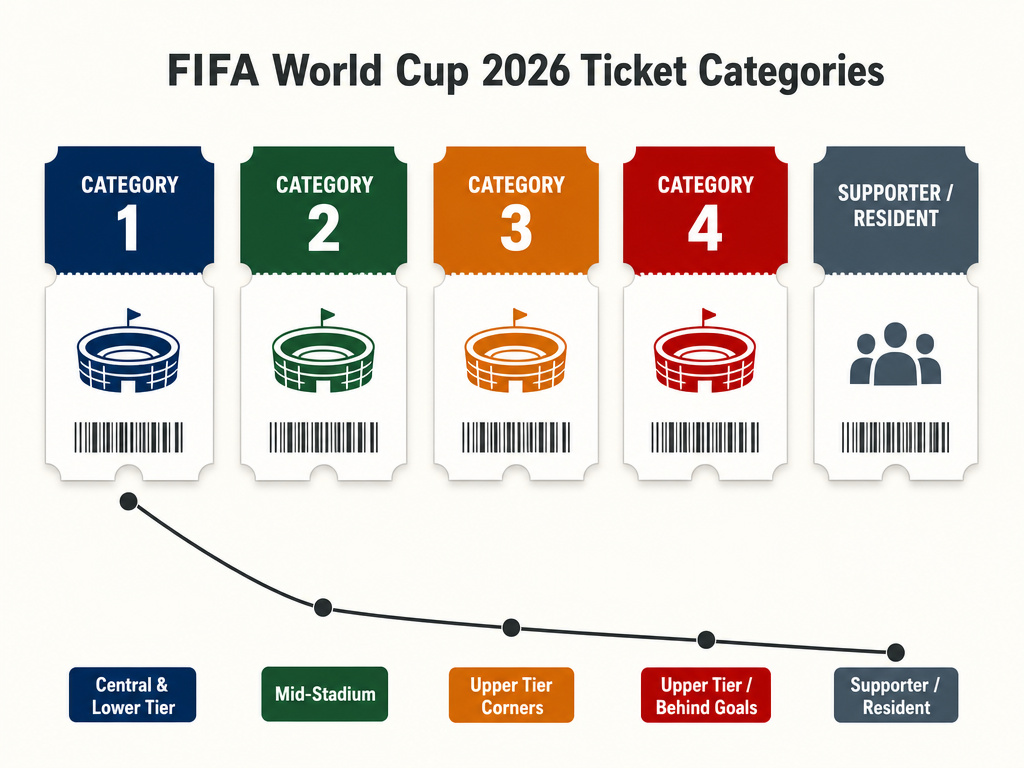
FIFA splits tickets into four price categories. Category 1 is the best seats, usually central and lower tier. Category 4 is the most affordable, often upper tier or behind the goals. There’s also a Supporter Ticket category for each team’s fans, and a Resident Ticket discount for citizens of the USA, Canada, and Mexico.
The price jump between categories is steep. A Category 1 ticket for the final costs more than a Category 4 ticket for every group match you could attend.
| Category | Seating Location | Group Stage (Non-Host) | Group Stage (Host Nation) | Final |
|---|---|---|---|---|
| Category 1 | Lower tier, center, premium views | $275 – $620 | $460 – $2,735 | $2,030 – $7,875 |
| Category 2 | Lower tier, sides, good angle | $175 – $400 | $290 – $1,820 | $1,290 – $5,240 |
| Category 3 | Upper tier, corners, or lower tier behind goal | $105 – $250 | $175 – $1,215 | $775 – $3,135 |
| Category 4 | Upper tier, behind goals, restricted view | $60 – $150 | $75 – $810 | $465 – $1,880 |
Supporter Tickets are allocated to each national team’s fan club. You need to prove affiliation, and they’re priced between Category 3 and 4. Resident Tickets require proof of citizenship and are the cheapest option, but only for matches in your home country.
Your budget decides your category. My first World Cup match was a Category 4 seat in the upper tier of Dortmund’s Westfalenstadion. The view was distant, but the atmosphere from the fastest footballers on the pitch below was electric. You trade comfort for cost.
Common mistake: Selecting “any category” during a lottery application to increase your chances — then getting charged for a Category 1 ticket you can’t afford. FIFA will auto-charge your card if you win the draw. Only apply for categories you can actually pay for.
TL;DR: Category 1 is premium, Category 4 is budget. Supporter and Resident tickets offer discounts but have eligibility hurdles.
Your Phone Is Your Ticket
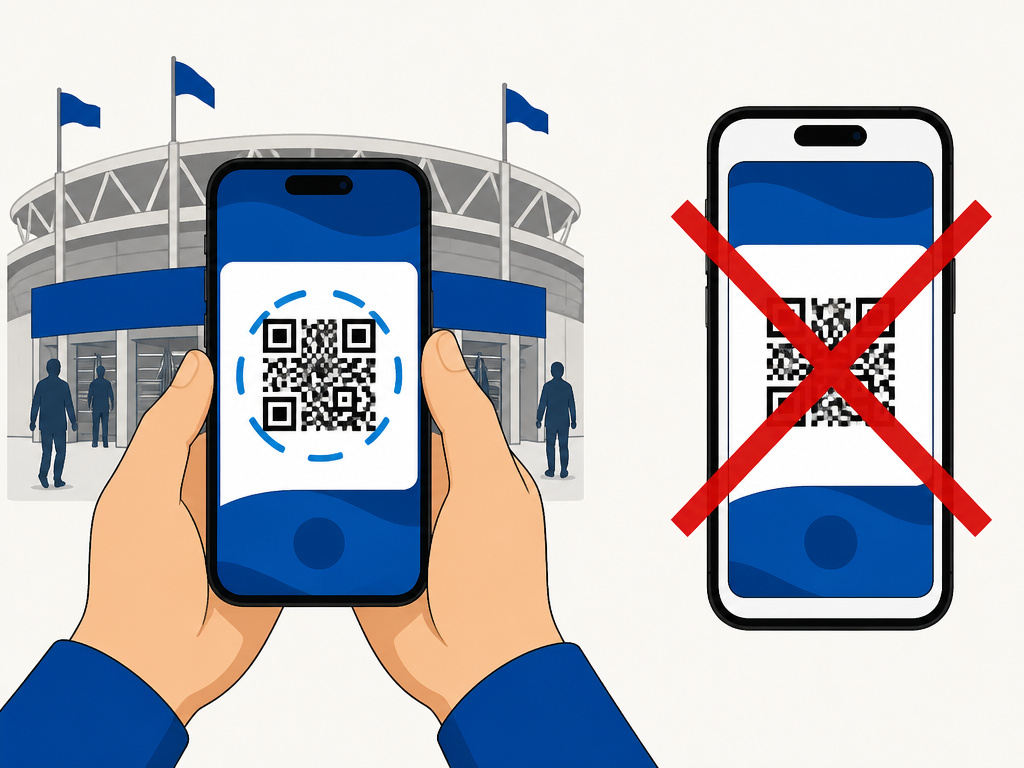
All 2026 tickets are digital and mobile-only. The FWC2026 Mobile Tickets app will launch in mid-May 2026. You download it, log in with your FIFA ID, and your tickets appear there. No PDFs, no printouts, no email attachments.
The barcode in the app is dynamic. It refreshes periodically to prevent screenshot fraud. If you try to enter with a screenshot, the scanner will read it as invalid. Stadium staff have seen this at every major tournament since mobile ticketing began. They’ll direct you to the app, and if your phone battery is dead or you have no data signal, you’re not entering.
I won’t recommend relying on a screenshot, even if you think you’ll have signal. At the 2023 Champions League final in Istanbul, network congestion meant thousands of fans couldn’t load their apps at the gate. Those with pre-loaded screenshots were turned away because the barcodes had cycled. The dynamic system updates every 90 seconds.
Charge your phone to full before leaving for the stadium. Enable mobile data. If you’re traveling from abroad, consider a local SIM card or an international data plan. The app does not require a constant connection once the ticket is loaded, but the initial login and barcode refresh do.
Each ticket is tied to one FIFA ID. You cannot transfer a ticket to someone else’s app without using the official resale marketplace. Trying to share your login credentials so a friend can access your ticket violates FIFA’s terms and can void all your tickets.
TL;DR: Download the FWC2026 Mobile Tickets app. Charge your phone. Screenshots won’t work.
The FIFA ID: Your Digital Passport
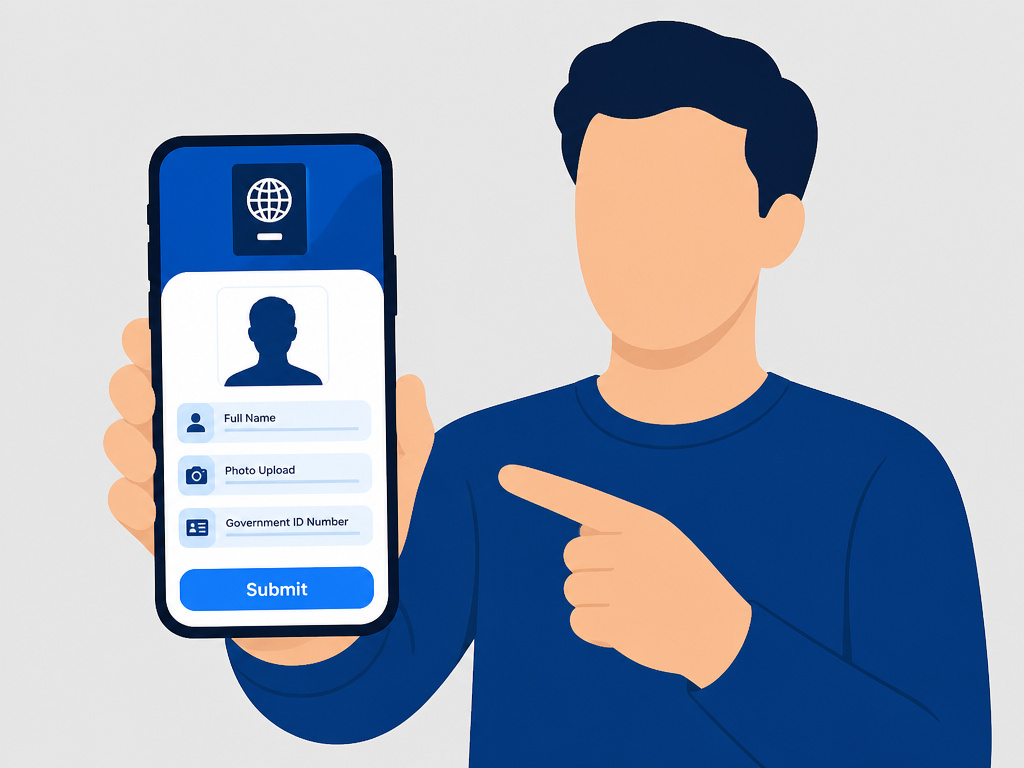
A FIFA ID is a free account that links your identity to your tickets. It requires your full name, a clear photo (headshot against a plain background), and a government ID number (passport, national ID). Every person attending a match needs one, including children.
Create your FIFA ID now, even if you haven’t bought a ticket. The verification process can take a few days. FIFA cross-checks the name on your ID with the name on your ticket. If they don’t match, entry is refused.
The photo is not for fun. It’s for facial recognition at high-security matches or if your ticket is flagged. I’ve seen lines at venues where staff manually checked FIFA ID photos against the person holding the phone. It happens.
Common mistake: Using a nickname or middle name on your FIFA ID that doesn’t match your passport. “Mike” instead of “Michael” on the ID, with a passport showing “Michael,” causes a mismatch. Use the exact name on your government travel document.
When you buy tickets, you assign each one to a specific FIFA ID during checkout. You can’t buy four tickets and assign them all to your ID. You need the FIFA IDs of your three companions ready at purchase time.
Household limits are enforced through FIFA IDs. If you try to buy more than four tickets for a match, the system blocks you. The forty-ticket total cap for the tournament is also tracked this way.
TL;DR: Create a FIFA ID with your exact legal name and a clear photo. Do it months early. Assign tickets to each attendee’s ID at purchase.
Travel Documents Are Not Included
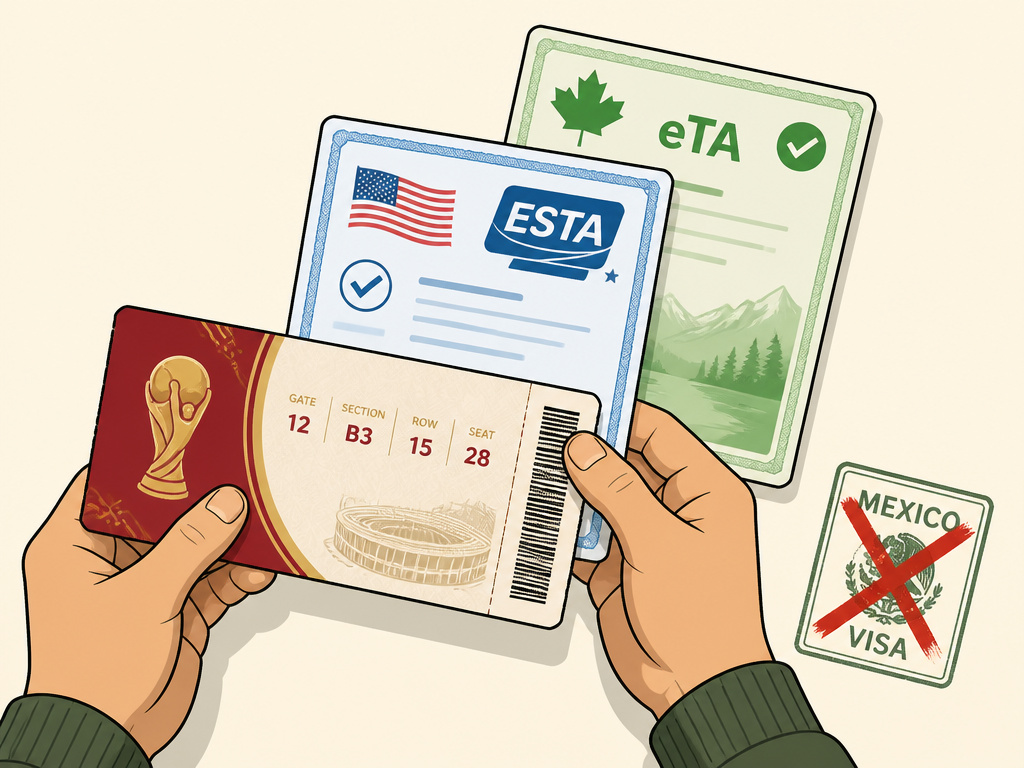
A World Cup ticket grants entry to the stadium, not the country. You are responsible for securing the correct visa, ESTA (for USA), or eTA (for Canada) authorization. Mexico may require a visa depending on your nationality.
The US ESTA is an online authorization for visa-free travel. It costs $21 and is valid for two years. Apply at least 72 hours before your flight. The Canadian eTA is similar, costing $7 and processed online. Both are separate from your ticket purchase.
If you need a full visa for any host country, start the process six months before the tournament. Embassies will be overwhelmed with applications. A friend from Nigeria spent four months securing a US visa for the 2022 World Cup. He got the visa two weeks before his flight.
Match schedules are released before the draw. You might buy a ticket for a match in Vancouver, then discover your team is playing in Dallas. Your travel documents must cover the country where your match is held, not just the continent.
Check the entry requirements for all three host countries if you’re planning to follow your team across borders. Some nationalities can enter the USA visa-free but need a visa for Mexico. The reverse is also true.
TL;DR: Secure your ESTA, eTA, or visa independently. A ticket does not substitute for immigration approval.
What You Actually Pay: The 15% Service Fee
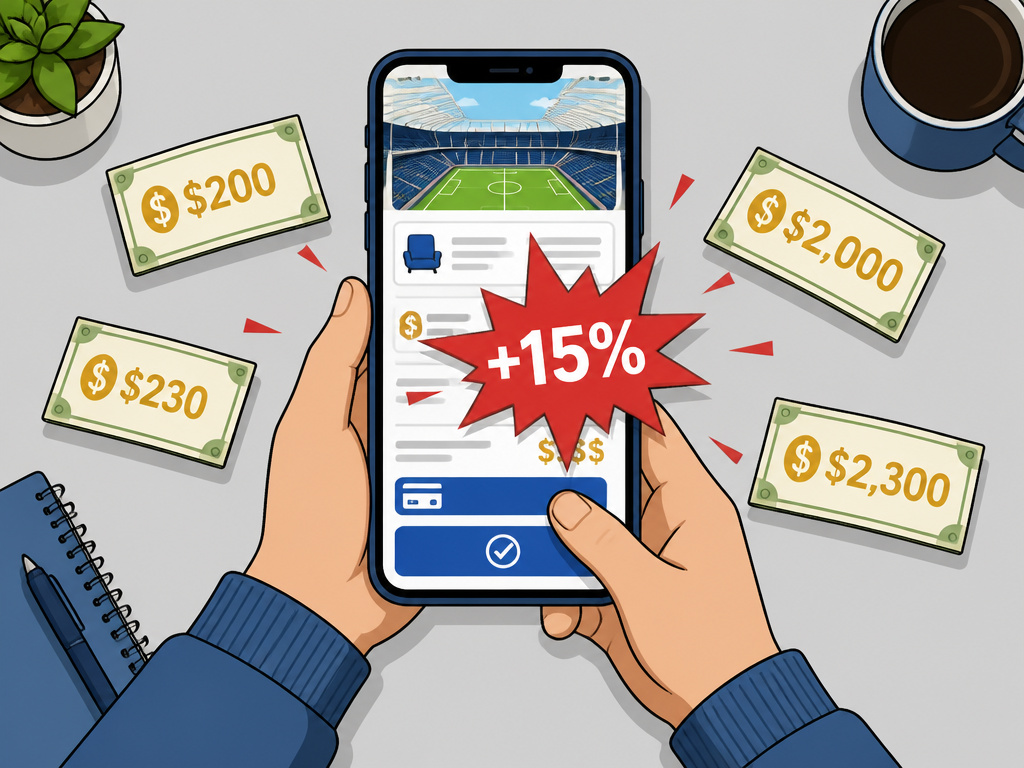
Every ticket price listed on FIFA.com/tickets is before a 15% service fee. That fee is added at checkout. A $200 ticket becomes $230. A $2,000 ticket becomes $2,300.
Budget for the fee. It’s non-negotiable and applies to both direct sales and resale marketplace purchases. FIFA states this fee covers “transaction processing, customer service, and platform maintenance.”
Resident Tickets and Supporter Tickets also incur the 15% fee. The discount is on the base price, not the final cost.
When you see a price on the resale marketplace, that’s the seller’s price. The 15% fee is added on top for you as the buyer. The seller does not pay a fee when listing.
I once budgeted for four Category 3 tickets at $750 total. The final charge was $862.50. I had to scramble to cover the difference. Add 15% to your math from the start.
TL;DR: All ticket prices have a 15% service fee added at checkout. A $100 ticket costs $115.
The Limits: Four Per Match, Forty Total
FIFA imposes two hard limits to prevent bulk buying and scalping. First, you can purchase up to four tickets for any single match. Second, you can purchase no more than forty tickets for the entire tournament across all matches.
These limits are per household, linked through your FIFA ID and address. If you try to buy a fifth ticket for the same match, the system blocks the transaction. The forty-ticket total cap is tracked across all your purchases.
The limits apply to both the Last-Minute Sales Phase and the resale marketplace. If you bought twenty tickets in earlier sales phases, you can only buy twenty more during the last-minute phase.
Family groups need to coordinate. If four siblings each have their own FIFA ID and live at different addresses, they could theoretically buy four tickets each for the same match — sixteen total. That’s allowed, but they must assign tickets correctly at checkout.
TL;DR: You can buy four tickets per match, forty total for the tournament. The system enforces this automatically.
Scams and Third-Party Sites: What to Avoid
FIFA explicitly warns against buying tickets from unauthorized platforms. These include StubHub, Viagogo, Ticketmaster Resale (for World Cup tickets), and any social media group or individual seller.
The reason is the FIFA ID link. A ticket sold on a third-party site remains tied to the original purchaser’s FIFA ID. FIFA can invalidate that ticket at any time, especially if they detect fraudulent activity or a breach of terms. The buyer gets no refund from FIFA, and the third-party site’s guarantee is often worthless outside the host country.
Tickets listed on third-party platforms are often listed at prices far above face value. FIFA’s resale marketplace caps prices per country to prevent gouging. In Mexico, the Mercado de Intercambio de la FIFA mandates face-value-only sales.
Social media scams are rampant. Fake tickets, phishing links to fake FIFA portals, and outright fraud. If someone on Facebook or Twitter offers you a “direct transfer,” it’s almost certainly a scam. The only valid transfer is through the official FIFA Resale Marketplace, which reissues the ticket.
I’ve seen forged ticket PDFs with fake barcodes sold on Telegram channels. They look convincing until you reach the gate. Security scans them, the system returns “invalid,” and the seller is long gone.
TL;DR: Buy only from FIFA.com/tickets or the FIFA Resale Marketplace. Every other channel risks a worthless ticket and no refund.
For Mexico Residents: The Mercado de Intercambio de la FIFA
Residents of Mexico have a dedicated official resale platform: the Mercado de Intercambio de la FIFA. It operates under stricter rules. All tickets must be sold at face value — the original price paid by the seller. No markup allowed.
This is a legal requirement under Mexican consumer protection laws applied to the tournament. The platform ensures Mexican fans can access tickets without price gouging. It functions identically to the global FIFA Resale Marketplace: sellers list, buyers purchase, FIFA reissues the digital ticket.
To access it, you need a FIFA ID with a Mexican address verified. The system checks your residency. Tickets listed here are only available to other Mexican residents.
If you’re a Mexican resident trying to buy a ticket for a match in the USA or Canada, you must use the global FIFA Resale Marketplace, where price caps still apply but are not fixed at face value.
TL;DR: Mexican residents must use the Mercado de Intercambio de la FIFA for resale. Tickets are sold at face value only, a legal protection against scalping.
Frequently Asked Questions
Can I still buy World Cup 2026 tickets?
Yes. The Last-Minute Sales Phase runs from April 1, 2026 until the tournament ends. Tickets are released periodically on FIFA.com/tickets on a first-come, first-served basis. The official FIFA Resale Marketplace also operates until one hour before each match.
Are there any physical tickets?
No. All tickets are digital and accessed only through the official FWC2026 Mobile Tickets app. Screenshots or printouts are invalid due to dynamic barcodes that refresh periodically.
What is a FIFA ID and why do I need one?
FIFA ID is a free account that links your name, photo, and government ID to your ticket. Every attendee, including children, must have one. It is mandatory for purchasing, transferring, and entering the stadium.
Can I buy tickets for friends?
Yes, but you must assign each ticket to your friend’s FIFA ID during checkout. You cannot buy multiple tickets and assign them all to your own ID. Each ticket is tied to one specific person.
Is the FIFA Resale Marketplace safe?
Yes. It is the only fan-to-fan resale channel authorized by FIFA. The platform reissues the ticket digitally to the buyer, invalidating the seller’s original barcode. Tickets purchased on third-party sites like StubHub can be invalidated by FIFA without refund.
Do I need a visa if I have a ticket?
Yes. A ticket does not grant entry permission to the USA, Canada, or Mexico. You must secure the appropriate travel documents (visa, ESTA, eTA) separately, well before your trip.
Before You Go
World Cup tickets are a digital product tied to your identity. The process is designed to prevent fraud and scalping, which means more steps for you. Create your FIFA ID today. Download the FWC2026 Mobile Tickets app when it launches in mid-May. Check FIFA.com/tickets daily for last-minute sales.
Ignore every third-party listing. The only safe resale is FIFA’s own marketplace. Budget for the 15% service fee on every ticket. And remember that your ticket is just the stadium entry — your visa or ESTA is the country entry.
The atmosphere at a World Cup match is unique. I’ve felt it from the upper tier and the lower tier. Getting in requires following FIFA’s rules exactly. Missing one step — the FIFA ID, the mobile app, the travel documents — means missing the match. Do the paperwork first, then enjoy the game.

I come from the “soccer heart” of Germany, the Ruhrpott. I have played, trained and followed soccer all my life and am a big fan of FC Schalke 04. I also enjoy following international soccer extensively.