Fastest Soccer Players in the World : Top Speeds & Rankings
The fastest soccer players in the world are measured by their top speed in km/h during matches. In 2026, the global leader is Pafos FC’s Nany Dimata at 39.6 km/h. Real Madrid’s Kylian Mbappé (38.0 km/h) remains a benchmark, while Wolverhampton’s Jackson Tchatchoua (37.30 km/h) leads the Premier League.
In 2026, the fastest soccer player in the world is Pafos FC forward Nany Dimata, who recorded a top speed of 39.6 km/h in the UEFA Champions League. The fastest in the Premier League is Wolverhampton Wanderers’ Jackson Tchatchoua at 37.30 km/h, while Real Madrid’s Kylian Mbappé remains a global benchmark with a speed of 38.0 km/h in Champions League play.
Most fans get this wrong. They think raw pace is just for wingers trying to beat a full-back on the outside. That view is a decade out of date. Today’s speed charts are dominated by a different position entirely, and the data reveals how the modern game is actually played. This guide breaks down the 2026 speed kings by the numbers, explains how they’re measured, and shows why a defender’s top speed might be more important than your favorite striker’s.
Key Takeaways
- Global speed king: Nany Dimata’s 39.6 km/h is the current world record, measured in a Champions League match for Cypriot side Pafos FC.
- Premier League pace: Full-backs and wing-backs hold nine of the ten fastest speeds in the 2025/26 season, with Wolves’ Jackson Tchatchoua leading at 37.30 km/h.
- Acceleration is different: Bournemouth’s Álex Jiménez has the league’s highest maximum acceleration (6.0 m/s²), a metric that matters more in tight spaces than pure top speed.
- Speed isn’t just for youth: Kylian Mbappé, now 27, still clocks 38.0 km/h, proving elite speed can be maintained with specific, high-level athletic conditioning.
- Tactical weapon: Newcastle United fields three of the league’s top ten fastest players (Anthony Gordon, Anthony Elanga, William Osula), a deliberate strategy by manager Eddie Howe for rapid counter-attacks.
Who is the absolute fastest player in the world right now?
The title doesn’t belong to a Premier League star or a La Liga galactico. It goes to Nany Dimata, a forward for Cypriot First Division club Pafos FC. During a 2025-26 UEFA Champions League match, optical tracking cameras recorded Dimata reaching a blistering 39.6 kilometers per hour. That speed, verified in continental competition, stands as the fastest officially recorded in world football for the 2026 season.
Nany Dimata’s 39.6 km/h sprint for Pafos FC in the UEFA Champions League is the current global benchmark for top speed. The recording uses the same Hawk-Eye optical tracking technology employed by the Premier League, ensuring measurement consistency across elite competitions. This surpasses the previous season’s notable highs from players like Kylian Mbappé.
For context, that pace would put him in the mix with professional 100-meter sprinters out of the blocks. In football terms, it means covering the length of a penalty box (about 16.5 meters) in roughly 1.5 seconds. Defenders simply do not recover.
The more familiar names on the global list are right behind him. Tottenham Hotspur’s centre-back Micky van de Ven, a player whose recovery speed is legendary, is second at 37.38 km/h. Burnley’s Kyle Walker, long considered the Premier League’s pace-setter, is third at 37.31 km/h. The clustering of these speeds shows the elite threshold is now firmly above 37 km/h.
TL;DR: Pafos FC’s Nany Dimata holds the 2026 world record at 39.6 km/h, with Premier League defenders Van de Ven and Walker just fractions behind.
The Speed Measurement Tech Behind the Numbers
You cannot trust training ground timings or club PR. The numbers that matter come from in-match tracking. The Premier League uses a system called Hawk-Eye, which employs multiple high-resolution cameras around the stadium. These cameras track every player’s movement 25 times per second, calculating position, distance, and speed with extreme accuracy.
Other leagues and UEFA use similar optical tracking (Mediacoach, Second Spectrum) or GPS vests worn by players. The key is that these are live match measurements, not a player’s best-ever 30-meter dash in a controlled environment. This measures game speed, the ability to hit top velocity with a ball nearby, under pressure, and often after 70 minutes of play.
This technology does more than just spit out a top speed. It creates the data for high-intensity sprint counts and acceleration profiles. A manager might not care that his winger hit 36 km/h once if he only made two sprints all game. They want the player who can hit 34 km/h ten times, because that stretches defenses repeatedly. This depth of data is what separates today’s player fitness program from the generic conditioning of the past.
Common mistake: Comparing a player’s speed from a YouTube highlight to an official 37.3 km/h stat, the highlight might be from a training video or a lower-angle camera that distorts perceived speed. Official stats use calibrated sideline cameras.
Premier League 2025/26: The Pace-Setters and Their Positions
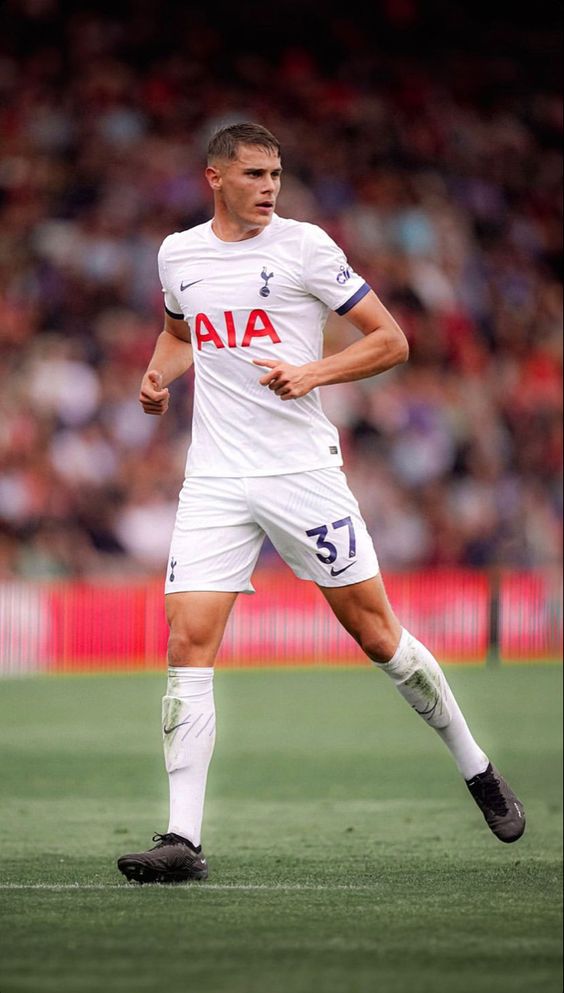
The Premier League’s official speed chart for the 2025/26 season tells a tactical story. The leader is Wolverhampton Wanderers wing-back Jackson Tchatchoua, who hit 37.30 km/h against Everton. That’s not just the season’s best; it’s the third-fastest speed ever recorded in the competition’s history.
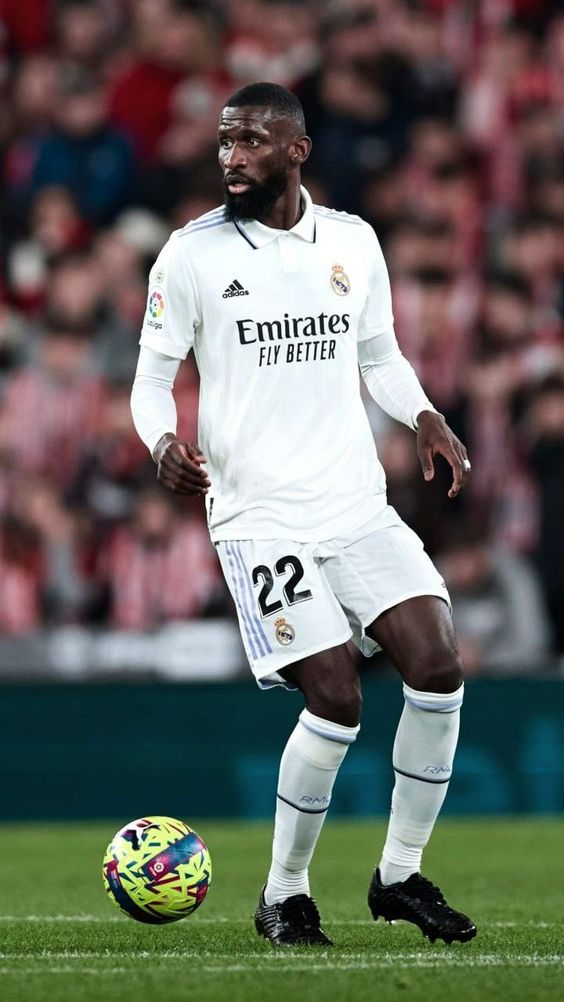
Here’s the revealing part. Look at the top ten:
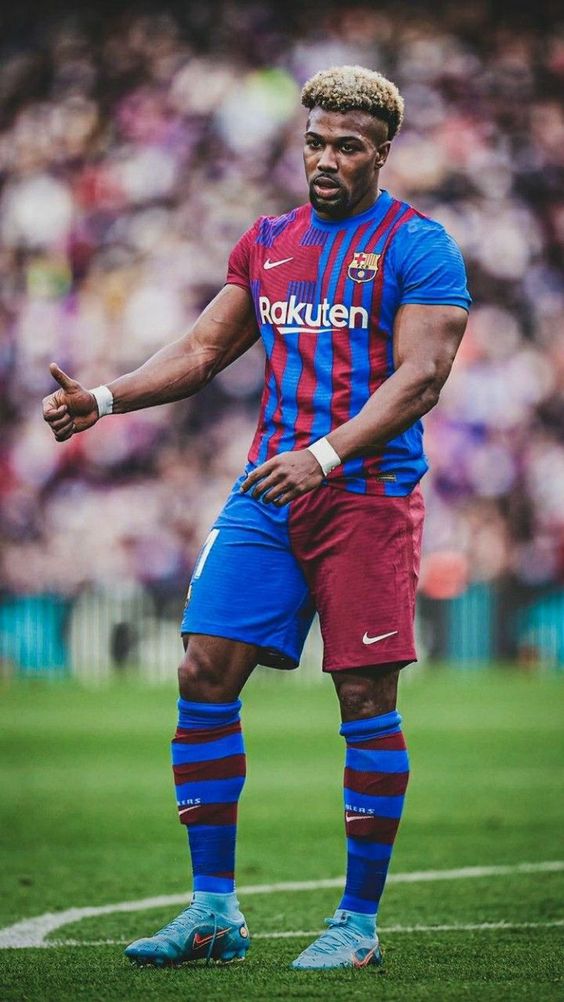
| Player | Club | Top Speed (km/h) | Position |
|---|---|---|---|
| Jackson Tchatchoua | Wolves | 37.30 | Wing-Back |
| Gabriel Martinelli | Arsenal | 36.74 | Forward |
| Djed Spence | Tottenham | 36.62 | Full-Back |
| Destiny Udogie | Tottenham | 36.42 | Full-Back |
| Anthony Elanga | Newcastle | 36.35 | Winger |
| Bryan Mbeumo | Man Utd | 36.34 | Winger |
| Pedro Neto | Chelsea | 36.32 | Winger |
| William Osula | Newcastle | 36.29 | Forward |
| Anthony Gordon | Newcastle | 36.26 | Winger |
| (Various) | (Various) | <36.20 | – |

Nine of those ten are full-backs, wing-backs, or wingers. William Osula is the lone central striker. This isn’t an accident. The modern full-back is the engine of attacking width, requiring explosive recovery runs and overlapping sprints. Your favorite club’s underrated players might be the full-backs who consistently hit these numbers but get less acclaim than goal-scorers.
Newcastle’s presence is strategic. Having Gordon, Elanga, and Osula in the top ten means Eddie Howe has built a team capable of devastating transitions. You defend a corner against them, the ball breaks, and suddenly three players are hitting 36 km/h towards your goal. That’s a speed training regimen applied as a tactical weapon.
TL;DR: Full-backs rule the Premier League speed chart. Wolves’ Tchatchoua is fastest, and Newcastle’s triple threat shows how pace is engineered into a team’s attacking plan.
Acceleration vs. Top Speed: Two Different Weapons

Top speed gets the headlines. Acceleration wins the duels. The Premier League also tracks maximum acceleration, how quickly a player can go from a standing start or jog to near-top speed over the first three meters. This is measured in meters per second squared (m/s²).
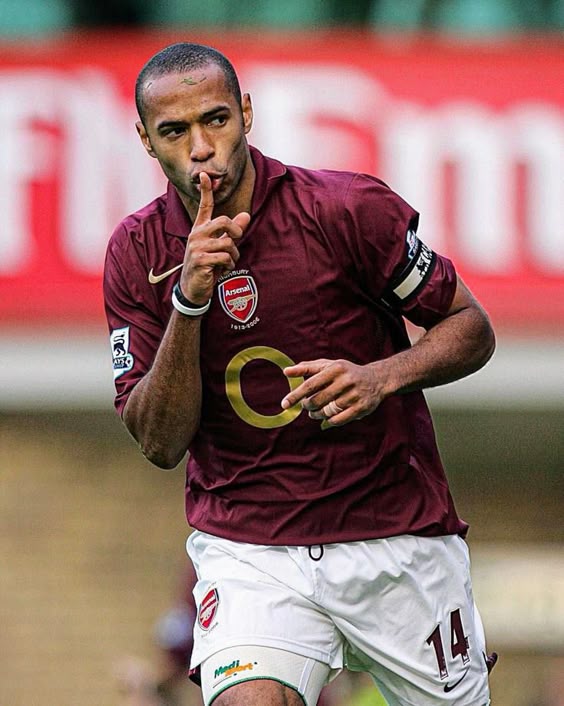
For the 2025/26 season, the acceleration kings are a different group:
1. Álex Jiménez (Bournemouth): 6.0 m/s²
2. Anthony Gordon (Newcastle): 5.9 m/s²
3. Kaoru Mitoma (Brighton): 5.8 m/s²
4. Benjamin Sesko (Man Utd): 5.8 m/s²
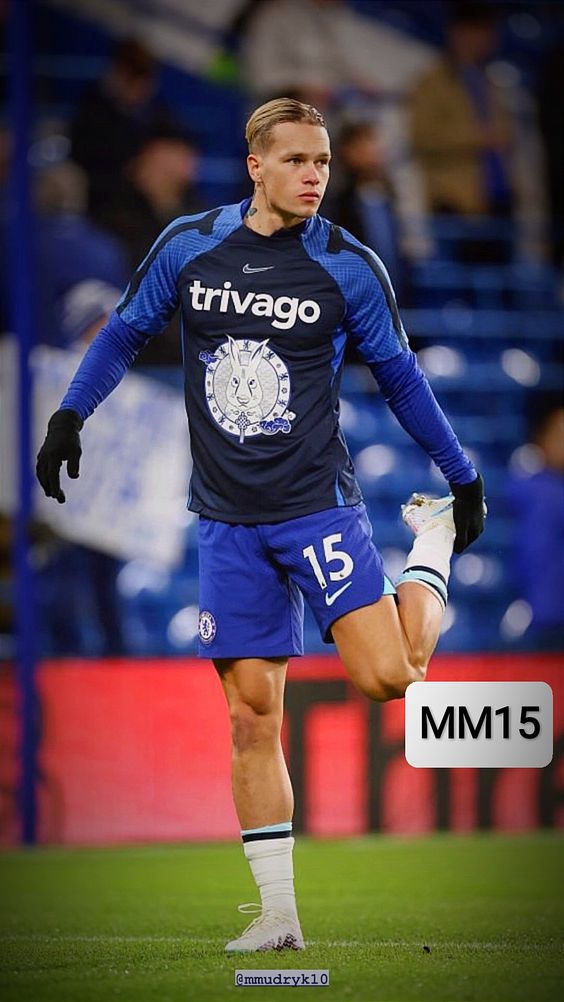
A player like Manchester City’s Jérémy Doku is often cited here. Coaches have called him “the best in the world in the first five meters.” His ability to shift direction and explode is what beats defenders, even if his absolute top speed isn’t chart-topping. This is where agility ladder drills and specific quickness drills pay off directly on the pitch.
I used to think pure speed was everything until I watched a youth team session focused entirely on first-step explosiveness. The coach had players do resisted sprints from a variety of staggered stances. The kid who won the 30-meter fly wasn’t winning the 3-meter starts. That’s when it clicked: acceleration is a technical skill you train separately.
Think of it this way. Top speed is for breaking into open space behind a high defensive line. Acceleration is for creating that space in the first place, a quick feint, a sharp one-two, and you’re gone. Most goals are created with acceleration, not a 40-meter footrace. Training both is non-negotiable for modern player fitness program design.
How Elite Players Maintain Speed as They Age
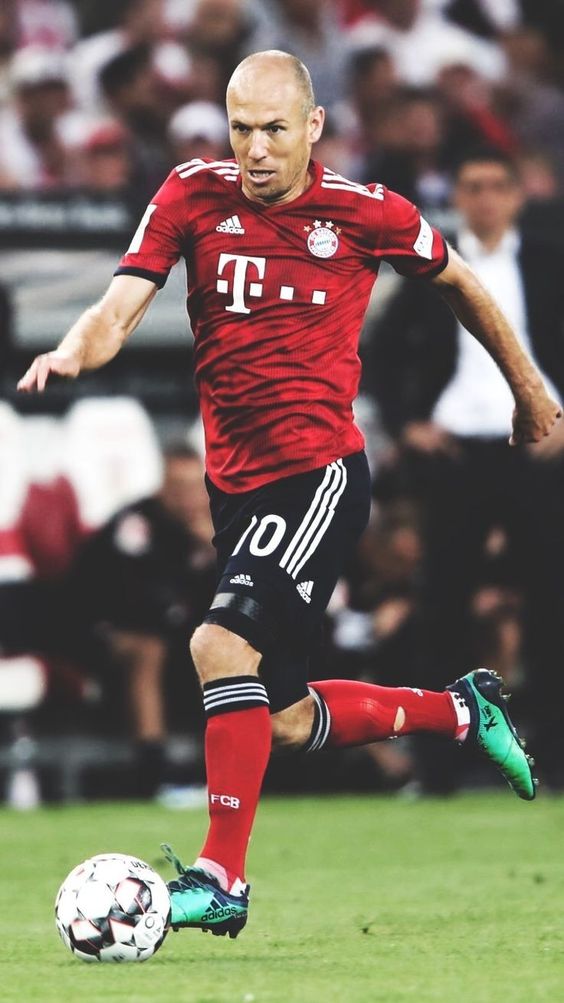
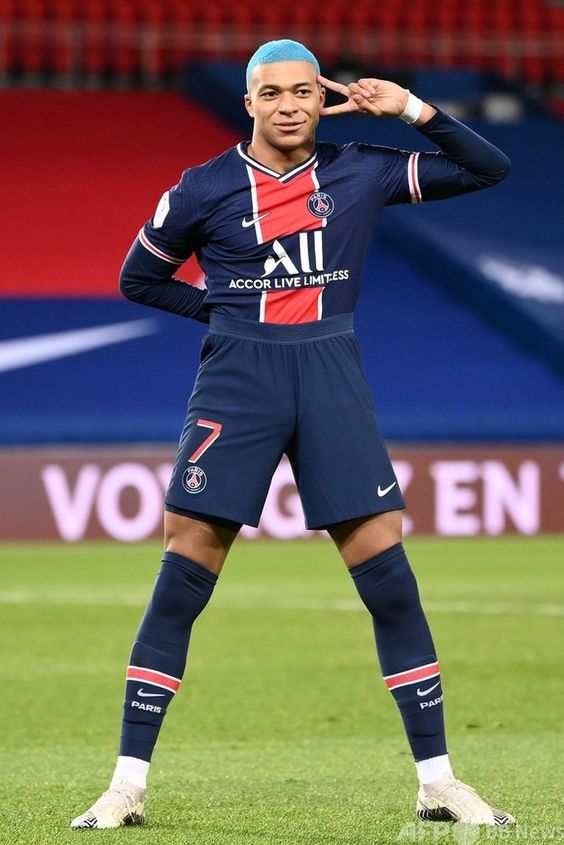
Kylian Mbappé is the case study. Now at Real Madrid and 27 years old, he’s no longer the teenage phenom. Yet in the 2025/26 Champions League, he was still clocked at 38.0 km/h. That’s faster than almost every player in the Premier League. How?
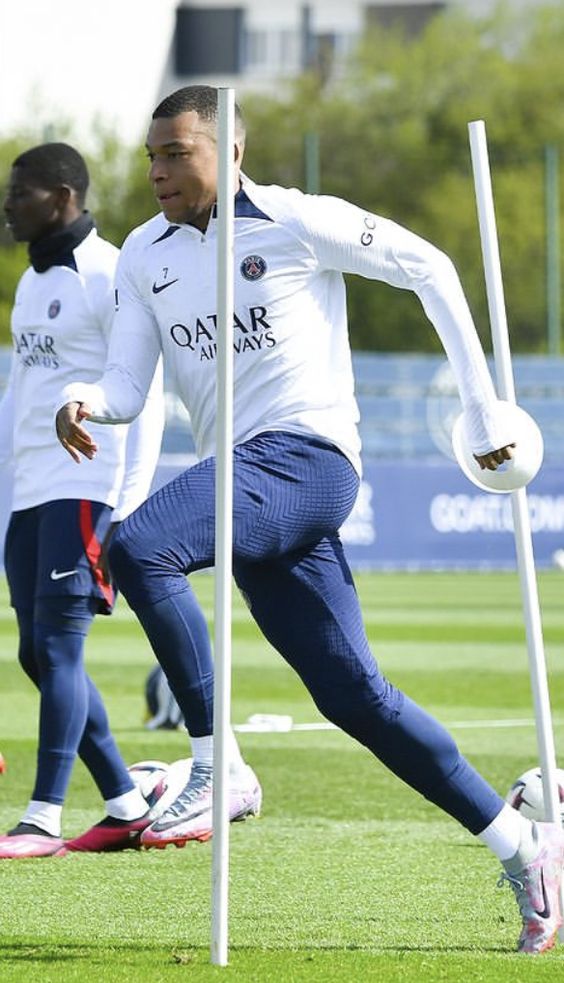
It’s not genetics alone. It’s a brutal, specific maintenance program. As explosive athletes age, they lose fast-twitch muscle fibers first. The training shifts from building top-end speed to preserving it. This means:
* Reduced volume, higher intensity: Fewer overall sprints in training, but each one at 95-100% effort.
* Extended recovery: More focus on physiotherapy, cryotherapy, and sleep metrics than in their early 20s.
* Technical refinement: Players like Doku have spoken about consciously “slowing down” their decision-making to preserve their burst for the right moment.
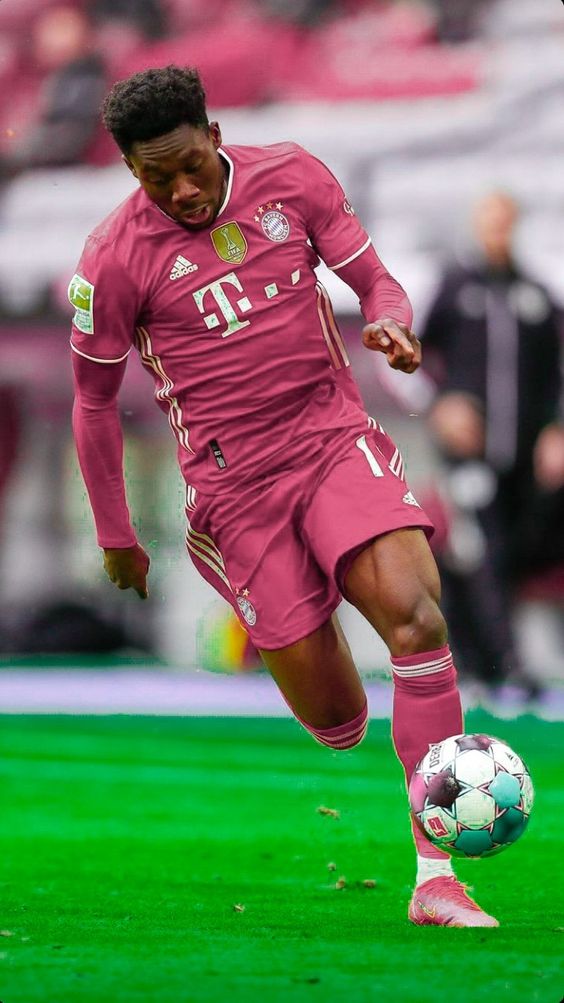
This is the difference between a 2026 soccer legend and a flash-in-the-pan speedster. The greats adapt. They manage minor soft-tissue injuries before they become major. They might lose half a step over 40 meters, but they keep that critical first-step explosion. Cristiano Ronaldo’s longevity, detailed in looks at his early start in soccer and career evolution, is the ultimate blueprint for this.
Common mistake: Assuming a 28-year-old winger is “past it” because he seems slower. He’s likely just smarter, picking his moments. His peak speed might still be elite, but he uses it three times a game instead of ten, making it more effective.
TL;DR: Players like Mbappé maintain elite speed past 25 through specialized high-intensity training, superior recovery, and smarter in-game usage. It’s a managed athletic decline.
The Tactical Impact of Having the Fastest Players
Speed isn’t just a cool stat. It directly shapes how managers set up their teams and how matches are won. Look at the two distinct models in the Premier League.
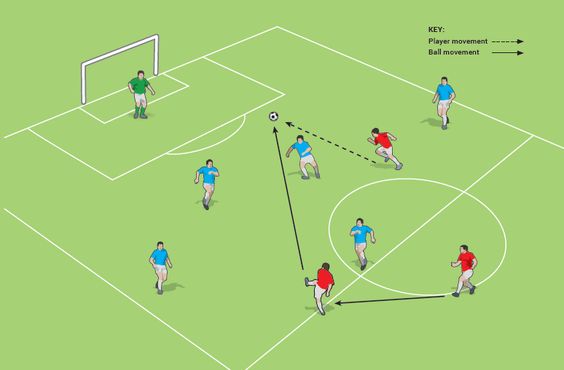
The Newcastle Model (Counter-Attacking Weapon): As noted, Newcastle has three of the league’s top ten fastest players. Manager Eddie Howe uses this deliberately. His team often defends in a mid-block, inviting pressure. The moment they regain possession, the instruction is clear: release Gordon, Elanga, or Osula immediately. Their job is to sprint into the channels, turning defense into attack in under ten seconds. This strategy preys on teams who commit full-backs forward.

The Tottenham / Wolves Model (Defensive Insurance): Spurs have two of the fastest full-backs (Spence, Udogie), plus the second-fastest player overall in centre-back Micky van de Ven. This allows them to play a much higher defensive line. If an opponent plays a ball over the top, their defenders have the recovery pace to snuff out the chance. It’s a tactical luxury that lets them dominate possession higher up the pitch without constant fear of the through ball.
This is why scouts now prioritize pace in positions they previously didn’t. A fast centre-back like Van de Ven or Crystal Palace’s Maxence Lacroix (his team’s fastest player) is worth tens of millions because he enables an entire system. Similarly, the rise of the ultra-fast full-back has changed the physical attributes teams look for, making sheer pace as important as crossing ability for some roles.
Frequently Asked Questions
Who is faster, Kylian Mbappé or Kyle Walker?
Based on the latest 2025/26 data, Kylian Mbappé is faster. Mbappé was recorded at 38.0 km/h in the UEFA Champions League for Real Madrid. Kyle Walker’s top speed for the 2025/26 season (with Burnley) is 37.31 km/h. Walker held the crown for years, but Mbappé’s sustained elite speed into his late twenties is remarkable.
What is the fastest speed ever recorded in a soccer match?
The fastest officially verified speed in a top-flight match is Nany Dimata’s 39.6 km/h for Pafos FC in the 2025-26 UEFA Champions League. In the Premier League, the all-time record is held by former Manchester City defender Kyle Walker, who reached 37.8 km/h in the 2019/20 season.
Do taller players tend to be slower?
Not necessarily. While acceleration can be harder for taller players due to longer levers, many of the fastest are tall. Micky van de Ven (37.38 km/h) is 6’4″. The list of the tallest soccer players includes many who are deceptively quick. Top speed is more about stride length and power, which taller athletes can possess.
How can a young player increase their soccer speed?
Focus on two areas: maximum velocity and acceleration. For top speed, work on resisted sled sprints and flying 30s. For acceleration, perfect your first-step mechanics and incorporate footwork exercises like ladder drills. Critically, always pair this with strength training, power cleans, squats, to build the force needed to propel yourself. A dedicated soccer workout plan is essential.
Is being the fastest player enough to be successful?
No. Speed is a tool, not a talent. Without technical ball control, tactical awareness, and the ability to make decisions at high speed, a fast player is just a track athlete on a pitch. Many overlooked speedsters never make it because they lack these other components. The best players, like a young Cristiano Ronaldo, combine elite physical gifts with relentless technical practice.
The Bottom Line
The 2026 speed landscape shows a game transformed by data and athletic specialization. The crown belongs to an unexpected name. Nany Dimata, but the real story is in the Premier League, where full-backs are now the primary pace merchants. Remember that the number on the chart is just the starting point. Acceleration dictates duels, repeatability wins matches, and tactical intelligence makes speed matter. The players who understand this, who train their first step as hard as their top gear, are the ones who truly define the modern game. Don’t just watch who’s fast. Watch who uses it.

I come from the “soccer heart” of Germany, the Ruhrpott. I have played, trained and followed soccer all my life and am a big fan of FC Schalke 04. I also enjoy following international soccer extensively.