Soccer Grip Socks Explained: How They Work & What They Do
Soccer grip socks are performance socks with silicone or rubberized grip zones on the sole, heel, and sides. They work by increasing the coefficient of friction between your foot and the boot’s insole, which reduces internal slippage during cuts, stops, and accelerations. This locked-in feel aims to boost stability, prevent blisters, and improve proprioception.
Most players try them because their feet slide around inside their cleats on a wet pitch or during a hard turn. That sliding isn’t just annoying. It burns energy, blisters your heels, and makes your touches feel delayed. You think you’re planting your foot, but it’s still moving a millimeter inside the boot. That millimeter costs a split-second on a tackle or a pass.
This guide breaks down the physics behind the grip, the real performance claims, and the practical details, like how to actually wear them in a match without getting flagged by the ref. We’ll cover what the silicone dots do, why some designs fail, and how to match a grip sock to your specific boot fit.
Key Takeaways
- Grip socks fight internal slippage, not ground traction. The silicone zones grip the boot’s insole, not the grass.
- Effective designs use dual-sided grip (inside and outside of sock) mapped to high-pressure zones: the ball of the foot and the heel.
- Sock thickness dictates boot fit. A thick grip sock in a snug cleat creates pressure; a thin one in a roomy boot still slips.
- The cut-sock technique is the standard pro method for wearing grip socks under mandatory team socks.
- Grip material degrades with heat. Wash in cool water and air dry to keep the silicone sticky for more than a season.
How Soccer Grip Socks Actually Work: The Physics
They don’t make you stick to the pitch. They make your foot stick to the inside of your cleat.
The functional mechanism is an increased coefficient of friction between the foot-sock system and the boot insole. Silicone or polymer grip zones, typically with a raised dot or stripe pattern, are bonded to the sock fabric at key plantar pressure points. This reduces the shear forces generated during lateral acceleration and deceleration, translating player input more directly into boot movement.
When you cut left, your body’s inertia wants your foot to keep moving right inside the boot. Traditional cotton or polyester socks slide against the insole. That slide creates a tiny lag between your muscle command and the boot’s actual position on the ground. It also generates heat and friction, the exact forces that blister your skin.
Grip socks interrupt that slide. The silicone dots grab the insole material. Your foot stays where you put it.
TL;DR: Silicone dots on the sock sole increase friction with the boot insole, reducing internal foot movement and the shear forces that cause blisters and lag.
The Two Pressure Zones That Matter
Not all grip placement is smart. Cheap socks throw dots everywhere. Good socks map them.
| Pressure Zone | Movement Type | Consequence of Slippage | Effective Grip Solution |
|---|---|---|---|
| Forefoot / Ball | Cutting, pushing off, sprinting acceleration | Toe jamming, lost explosive power, blisters under metatarsals | Dual-sided silicone coverage (inside & outside sock) across the widest part of the foot |
| Heel | Deceleration, backpedaling, landing from jumps | Heel lift, Achilles rubbing, blisters at heel base | Concentrated grip on heel cup and up the sides to counteract lift |
The forefoot zone is your engine. Slippage here means your push-off force isn’t fully transferred. You feel slower. The heel zone is your brake. Slippage here lets your foot lift, which rattles your ankle and grinds your skin.
Common mistake: Buying socks with grip only on the bottom sole, your foot still slides laterally against the inside of the boot’s sidewall, especially during sharp turns. Dual-sided grip (dots on the inside and outside of the sock fabric) is what actually locks you in.
The Performance Claims: What’s Real, What’s Hope
Do they make you faster? No. Do they make your fast movements more precise? Yes.
The benefit is in efficiency, not magic. By eliminating wasted micro-movements, you conserve energy. Your cuts are crisper because your foot isn’t fighting its own housing. Your balance improves because your proprioception, your body’s sense of its position, gets a clearer signal from a stable foot.
I played a full season with standard team socks before switching to a pair of Luson grip socks. The first training session with them felt weird, almost too tight. But after twenty minutes, I noticed I wasn’t constantly re-adjusting my foot after a hard turn. The heel stayed put. By the third match, I’d forgotten about them until I took my boots off and saw no new blisters on my usual hot spots. That was the proof.
Blister prevention is their most tangible win. Shear force is the enemy. Grip socks reduce it. If you get blisters on the sides of your heels or under your toes, a proper grip sock will cut that down within a few uses.
Stability for ankle-sprain recovery is another real use. Players coming back from ligament injuries often feel insecure in their boots. The enhanced lock-in gives a confidence boost, letting them trust their footing during rehab drills. It’s not a brace, but it’s a useful tactile aid.
Choosing Your Grip Socks: A Buyer’s Matrix
This isn’t about picking the most expensive pair. It’s about matching three things to your game and your boots.
1. Grip Pattern and Placement
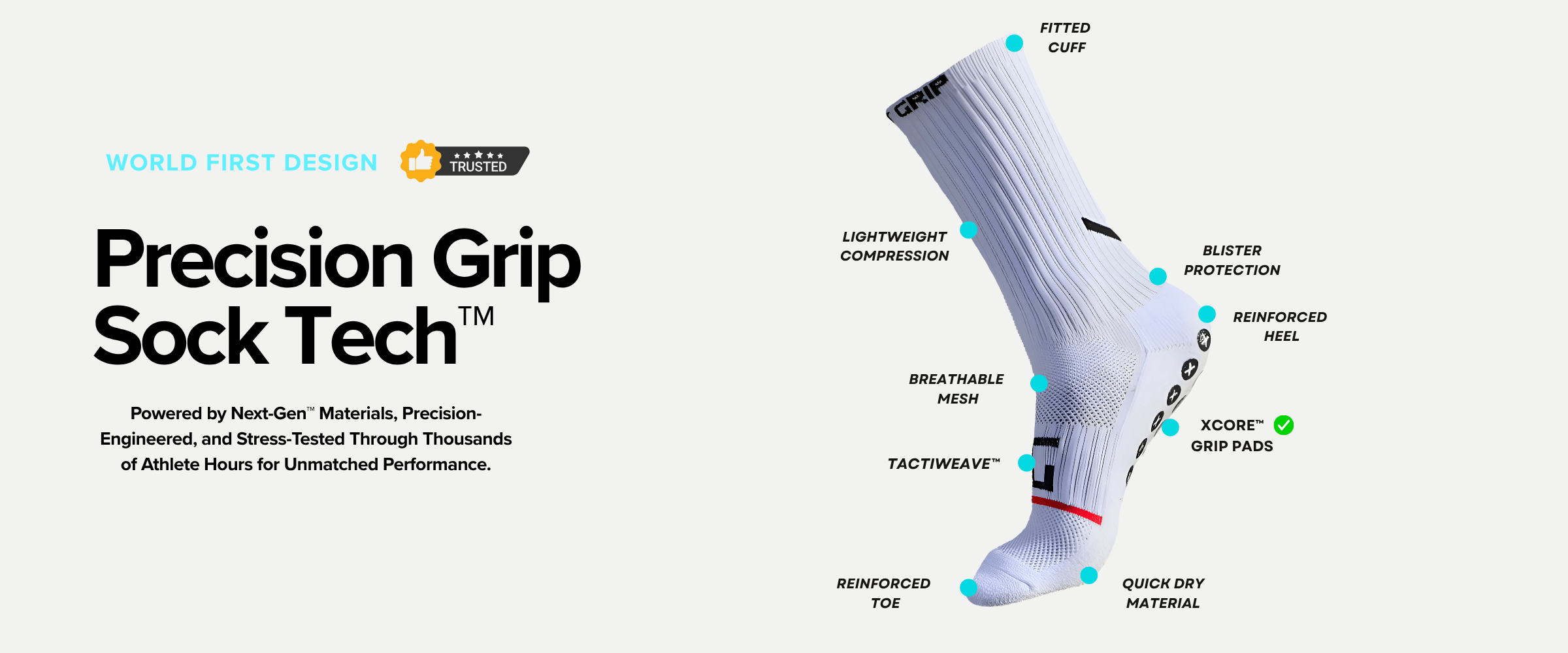
Look for the dots. They should be:
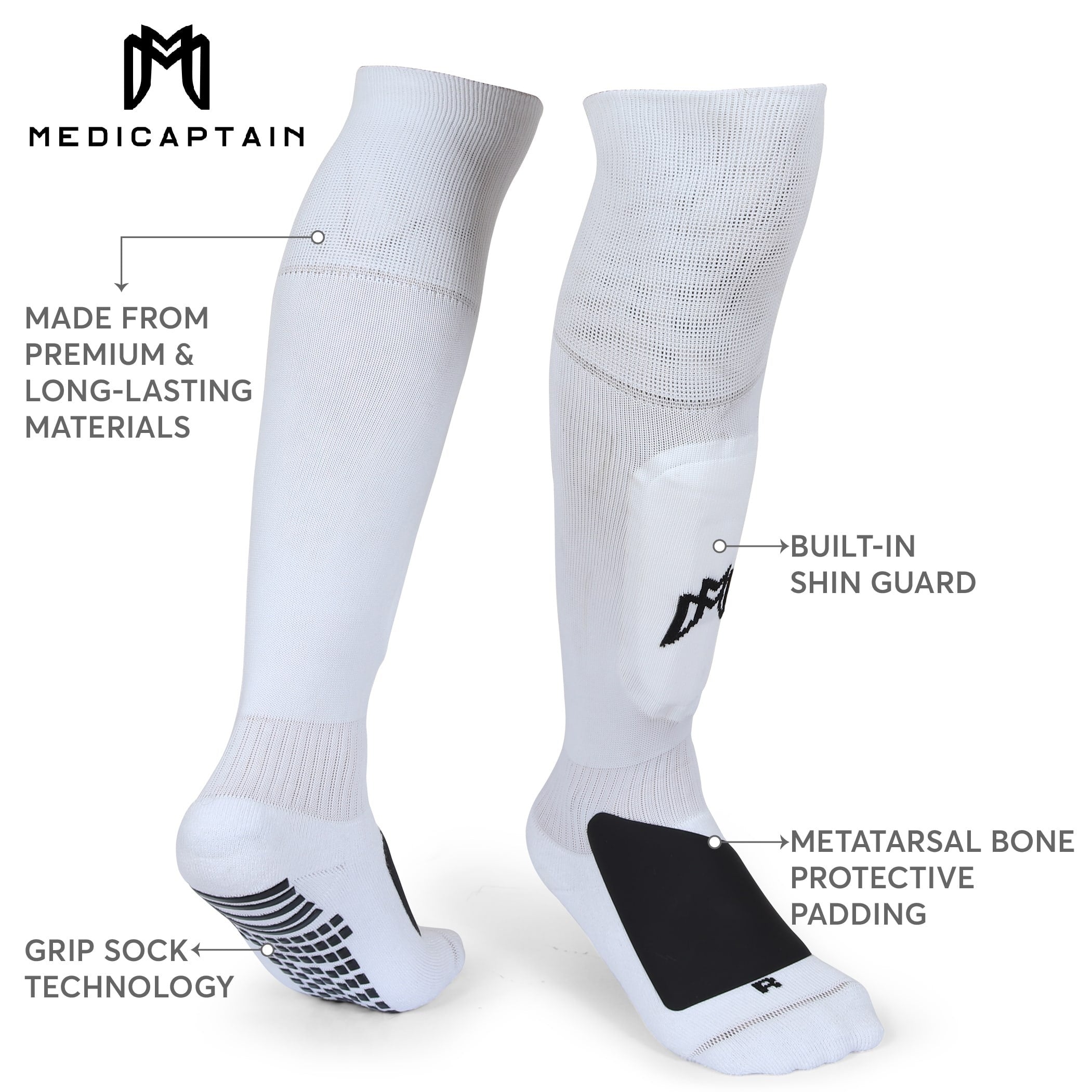
– On both sides of the sock (dual-sided).
– Concentrated on the ball and heel.
– Made of silicone, not just textured fabric (texture wears flat fast).
Avoid socks that place grip only on the arch or the toes. Those areas don’t drive traction.
2. Thickness and Cushioning
This choice changes your boot fit.
– Thin, minimal cushion: For players in tight-fitting, speed-oriented cleats like the Nike Mercurial or Adidas X. Prioritizes ball feel and a snug fit. Adds almost no volume.
– Medium cushion: The all-rounder. Works with most boot types, like the Adidas Copa or Puma Ultra. Offers some impact protection for defenders and goalkeepers.
– Thick, high cushion: For roomier boots or players who want maximum comfort. Can make a snug boot uncomfortably tight. Often used by goalkeepers or players with older, stretched-out cleats.
3. Material and Build
Moisture-wicking is non-negotiable. Sweat reduces grip effectiveness. Look for blends like polyester-spandex or advanced bamboo mixes. Anatomical knitting (left and right specific socks) and flat-linked toe seams eliminate interior ridges that can rub.
Here’s a quick decision table:
| Player Profile | Primary Need | Recommended Sock Type | Boot Fit Consideration |
|---|---|---|---|
| Forward / Winger | Ball feel, lightweight, agility | Thin grip sock with low cushion | Already wears tight speed cleats |
| Midfielder | Balance, all-round comfort, durability | Medium cushion grip sock with dual-sided grip | Standard fit boot; avoid adding bulk |
| Defender / Goalkeeper | Impact protection, long-match comfort | Thicker cushion grip sock | Often roomier boots; thickness fills space |
| Youth Player | Durability, ease of wear, cost | Medium cushion with robust grip zones | Boots often sized for growth; avoid too thick |
How to Wear Grip Socks in Official Matches
League rules demand team socks. Grip socks are personal gear. The solution is the cut-sock technique.
You cut the foot section off your team socks. You wear your grip socks underneath. Then you pull the team sock sleeve over the grip socks and your shin guard. The grip sock’s foot is now in direct contact with your boot’s insole, while the team sock’s colors show on your calf.
It looks like this:
1. Take your official team sock.
2. Cut straight across the foot, just above the ankle elastic.
3. Discard the foot part.
4. Put on your grip sock normally.
5. Slide the team sock sleeve (the remaining calf part) over your leg, covering the grip sock and shin guard.
6. Secure the overlap at the top with a strip of pre-wrap or athletic tape if it feels loose.
The high-sock, over-the-knee look some pros wear is easier with sock sleeves, separate calf covers without a foot. But the cut method works for any team sock.
Common mistake: Layering the full team sock over the full grip sock, this creates fabric wrinkles and extra bulk that can jam in the boot collar and actually increase rubbing. Always cut.
Maintenance and Durability: When the Grip Dies

Silicone doesn’t last forever. Heat, abrasion, and time degrade it.
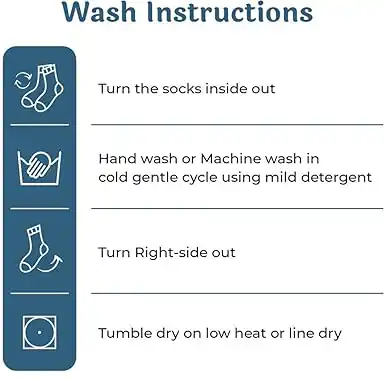
Wash them in cool or cold water. Hot water and high-heat drying (tumble dryers) soften the silicone bonding. After about 30 cycles in hot water, the dots start to peel or feel smooth. They lose their tack.
Air dry them flat. Don’t hang them stretched out; that stresses the elastic.
Signs your grip socks are retiring:
– The dots feel smooth, not slightly raised and tacky.
– You notice your foot sliding again on sharp cuts, especially on a damp pitch.
– The sock’s elasticity is gone; it bags around your ankle.
A good pair should last a full season if cared for. Two seasons is pushing it.
Frequently Asked Questions
Are grip socks allowed in professional matches?
Yes. Almost all pros use them via the cut-sock technique described above. The team sock must be visible, but the grip sock underneath is personal equipment and permitted. Referees check for the correct team colors on the calf, not the foot.
Do grip socks work with any soccer cleats?
They work with any cleat design, but the sock’s thickness must match your boot’s fit. A thick grip sock in a ultra-snug Nike Mercurial will create pressure points. A thin one in a roomy Adidas Predator might still allow some slip. Always consider the combo. Our guide on soccer cleat types details how boot volume varies.
Can grip socks prevent ankle injuries?
They don’t replace proper ankle support or technique. However, by improving stability and reducing erratic foot movement inside the boot, they can lower the risk of minor twists or rolls. For players with existing concerns, a dedicated ankle support cleats design is a more direct solution.
How do I know if I need grip socks?
If your feet slide inside your boots during play, you feel heel lift on stops, or you develop blisters in specific spots (heel sides, under toes), try them. They are a solution to internal slippage, not a generic upgrade for everyone. Players with perfectly fitting boots and no blister issues might not notice a dramatic change.
What’s the difference between soccer grip socks and regular football socks?
Regular socks are smooth. Grip socks have silicone traction zones. Regular socks focus on moisture management and cushion. Grip socks add the friction layer. The base materials can be similar, but the grip function is the defining addition. For more on standard options, see our article on socks for cleats.
Before You Go
Grip socks are a tool, not a talisman. They solve a specific mechanical problem: foot slippage inside the cleat. If you have that problem, a well-chosen pair with dual-sided silicone on the forefoot and heel will cut blisters, sharpen your cuts, and make your boots feel more responsive.
Ignore the hype about raw speed increases. Focus on the efficiency gains. Match the sock thickness to your boot fit, that’s the step most buyers skip. And learn the cut-sock technique; it’s the standard for match day.
Finally, treat them like performance gear. Wash cool, air dry, and replace them when the dots go smooth. A dead grip sock is just a slightly thicker regular sock, and your feet will slide again.

I come from the “soccer heart” of Germany, the Ruhrpott. I have played, trained and followed soccer all my life and am a big fan of FC Schalke 04. I also enjoy following international soccer extensively.