What Soccer Goalkeeper Gloves Are Made Of: Materials Guide
This post contains affiliate links. As an Amazon Associate, we earn from qualifying purchases.
Soccer goalkeeper gloves are made of a layered composite of synthetic materials engineered for grip, protection, and feel. The palm uses natural or synthetic latex for tackiness, backed by shock-absorbing polyurethane foam. The backhand and fingers are constructed from flexible, durable polyester or nylon, often with plastic finger spines for support. An elastic wrist strap with Velcro secures the fit.
Most people think a glove is just a sticky hand. They buy the flashiest pair or the one their favorite pro wears. Then the palms shred after three training sessions, or the ball slips through their fingers in the rain. The sticker shock hits harder than a penalty.
This guide breaks down every layer, from the chemistry of the latex to the plastic in the spines. You will learn why a damp palm grips better than a dry one, how a stitch changes the fit, and why you probably need two different pairs.
Key Takeaways
- Latex is a trade-off. The stickiest match latex (like 4mm German Contact) offers unreal grip but can deteriorate in under 10 games. Durable training latex lasts months but needs a firm, dry catch.
- Wet the palms. Premium latex is hydrophilic. A light spray of water before play opens its pores, creating a suction-like tack that a bone-dry palm cannot match. This is non-negotiable for match gloves.
- The cut decides the feel. A negative cut stitches the seams inside for a tight, second-skin fit that improves ball control. A flat cut stitches seams outside for a roomier, more forgiving fit that better suits wider hands or beginners.
- Use a two-glove system. Serious keepers own separate pairs: a soft-latex pair for games and a hard-latex pair for daily training. Using your match gloves on astroturf or in muddy drills burns 50 euros in 90 minutes.
- Finger spines are for safety, not feel. Removable spines let you choose. For matches on hard ground, use them. For training where feel and flexibility are priority, take them out. Ignoring this is how you get a hyperextended finger.
The Palm: Latex and Foam – The Grip Engine
This is where the magic happens. The palm is not one material but a sandwich. The outer layer is latex, a natural or synthetic rubber compound. Its job is to stick to the ball. The inner layer is foam, usually polyurethane (PU). Its job is to cushion impact and mold the latex to the ball’s surface.
Goalkeeper glove palms utilize a layered construction where a top sheet of molded latex is bonded to a substrate of shock-absorbing polyurethane foam. The latex provides the surface tack through microscopic pores that create adhesion, while the foam compresses upon impact to increase the surface contact area and reduce force transfer to the hand. Latex grades are classified by softness, with softer compounds offering higher grip but lower abrasion resistance.
Latex grades follow a simple, brutal rule: grip and durability are enemies. Manufacturers categorize them.
| Latex Grade | Primary Use | Grip Level | Durability (Est. Sessions) | Feel |
|---|---|---|---|---|
| Match / Contact | Official matches | Maximum, sticky | 5–10 | Very soft, molds instantly |
| Grip / Reactive | Advanced training | Very High | 20–30 | Soft, responsive |
| Durability / Training | Daily practice | Good | 50+ | Firm, less conforming |
The softest latex, often called “Contact” or “Elite,” feels almost gelatinous. It grips like glue on a dry, clean ball. It also disintegrates if you so much as look at a gravel pitch. I learned this with my first pair of premium Adidas gloves. The palms were shredded after two weeks of training on rough turf, a 100-euro lesson.
The foam backing matters just as much. Thicker foam (6mm or more) offers more cushion for hard shots and dives. Thinner foam (3-4mm) gives a better “feel” for the ball, allowing more precise throws and distribution. For young keepers or those with less hand strength, thicker foam reduces sting.
TL;DR: Match latex is sticky and fragile; training latex is tough and less grippy. The foam behind it decides cushioning versus ball feel.
Glove Cuts: How Stitching Changes Everything
The “cut” refers to how the panels of latex and backing material are stitched together to form the glove’s shape. This is not about fashion. The cut determines how the glove fits your hand and how much latex touches the ball during a catch.
There are three primary cuts, each with a distinct purpose.
Negative Cut: The Second Skin
Seams are stitched on the inside of the fingers. This pulls the material tight around the hand, eliminating excess fabric. The fit is snug, almost like a surgical glove. It provides maximum dexterity and a clean latex surface for ball contact. Most professional and advanced keepers prefer this for the control it offers. The trade-off is a tighter fit that can feel restrictive for those with wider hands.
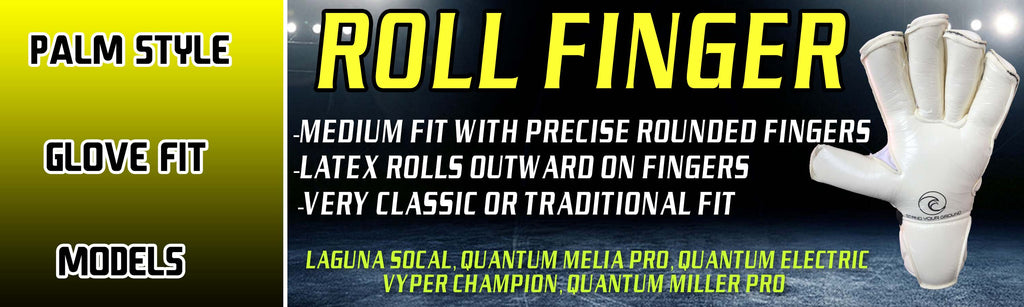
Roll Finger Cut: The Max-Contact Wrap
Here, the latex panel is wrapped around the fingertips and stitched along the side or back of the finger. This maximizes the latex surface area in contact with the ball, which is especially beneficial in wet conditions as water has fewer seams to penetrate. The fit is snug but often more forgiving in the palm than a negative cut. It is a common choice for match gloves in variable weather.
Flat Cut (Regular): The Roomy Classic
The panels are stitched with seams on the outside of the fingers. This creates more internal volume, resulting in a roomier, more comfortable fit. It is excellent for keepers with wider hands or those who prefer a less constrictive feel. While it offers a larger overall palm surface, the raised seams can sometimes create slight inconsistencies in grip. For beginners or those seeking comfort and value, this is often the best starting point.
Common mistake: Choosing a negative cut because the pros wear it, when you have wide hands, the constant pressure on the seams accelerates wear, and the tight fit can actually reduce blood flow during long sessions, numbing fingertips.
The right cut is personal. I have narrow, long fingers, so the negative cut feels like an extension of my hand. My training partner has shovel-like hands; he swears by a roll finger cut for the extra room at the knuckles. Trying them on is the only real test.
TL;DR: Negative cut for a tight, controlled fit; roll finger for maximum latex contact; flat cut for comfort and wider hands.
Finger Protection: Spines and Safety
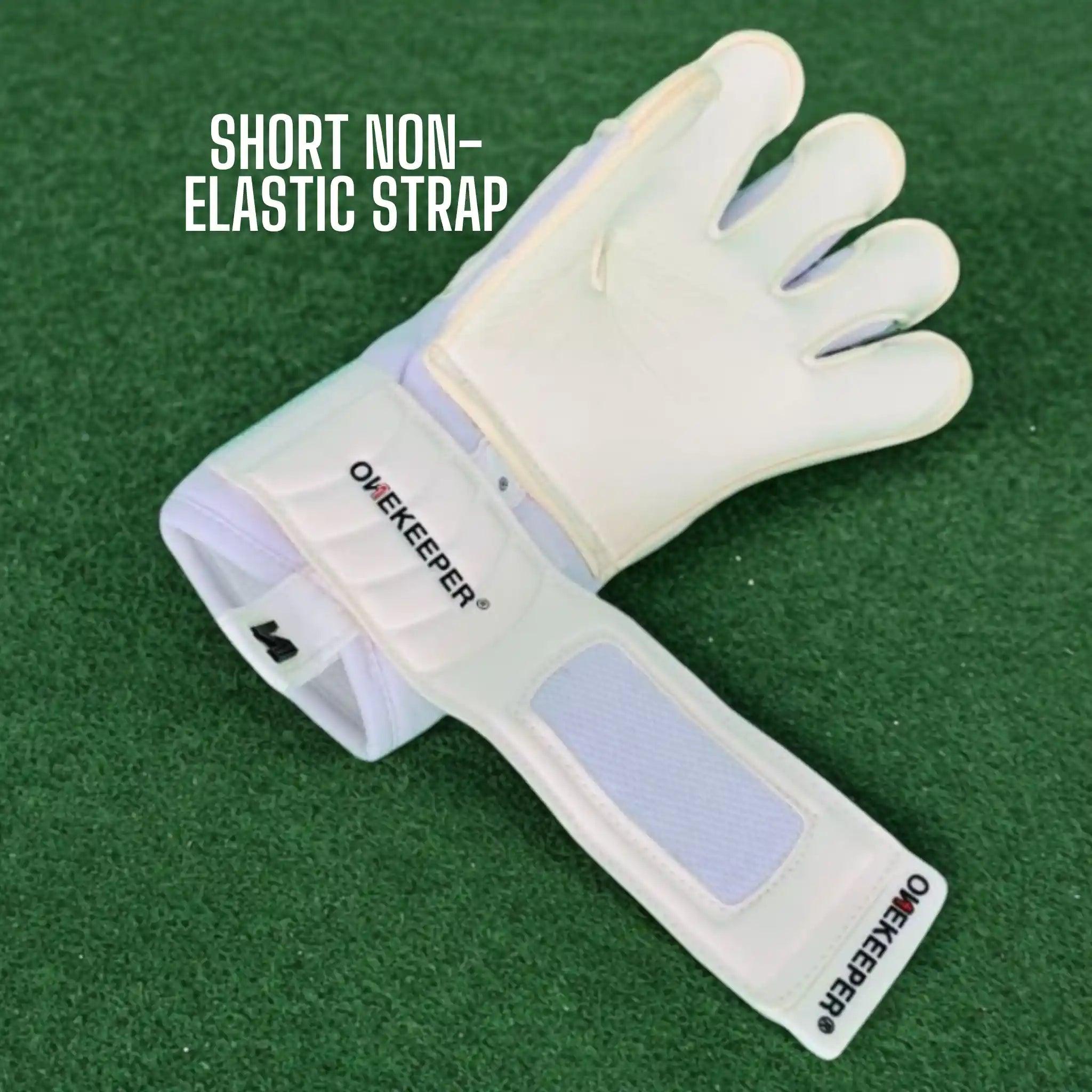
This is the most debated feature in glove design. Finger protection systems, commonly called “Fingersave” spines, are flexible plastic inserts that slot into channels on the back of the fingers. Their sole purpose is to prevent hyperextension, bending fingers backward beyond their normal range.
The physics are simple. The plastic spine resists backward bending force, distributing the impact along the length of the finger instead of letting it concentrate at the joint. For a keeper landing hard on an outstretched hand or punching a powerful shot, this can be the difference between a sore finger and a six-week ligament tear.
| Spine Type | Best For | Flexibility Impact | Injury Risk Mitigation |
|---|---|---|---|
| Fixed Spines | Youth players, beginners | Significant reduction | High – prevents most hyperextensions |
| Removable Spines | Versatile keepers | Adjustable (in/out) | High when in, low when out |
| No Spines | Professionals, purists | Maximum flexibility | None – relies on technique |
Removable spines offer the best of both worlds. You can insert them for matches on hard ground or when facing powerful shooters. For training on soft grass or when working on distribution where feel is paramount, you can take them out. I keep mine in a small pouch in my bag. For Sunday league matches on rock-hard autumn pitches, they go in every time.
The thumb often gets a different system. Because of its unique range of motion, a rigid spine would be too restrictive. Many gloves use a softer, flexible plastic or a padded “wing” on the thumb to protect against impacts from the side without limiting mobility.
TL;DR: Spines prevent finger injuries but reduce feel. Removable spines let you choose based on the session. Never skip them on hard ground.
The Backhand, Wrist, and Internal Lining
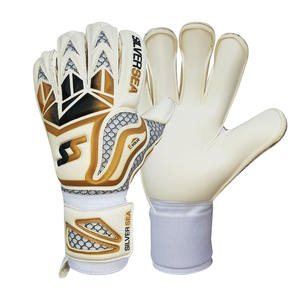
While the palm gets the glory, the rest of the glove enables it to function. The backhand is typically a single layer of durable, flexible synthetic material like polyester or nylon. It is designed to stretch, breathe, and withstand abrasion from the ground. Some models add silicone prints or padding for extra protection when punching.
The wrist closure is critical for stability. A simple Velcro strap works, but the best systems use a wrap-around design that locks the wrist in a neutral position. This support can prevent the subtle collapses that lead to wrist sprains on hard dives. A loose wrist strap is a common culprit behind gloves feeling “slippery”, the glove itself is moving on your hand.
Inside, a soft cloth lining, often a moisture-wicking mesh, manages sweat and comfort. In cold-weather models, this lining will be thicker and thermally insulated. A poor lining leads to clammy hands, which degrades grip from the inside out. For those playing in winter, understanding the insulation in cold weather gloves is as important as the latex outside.
Material Innovations and Brand Technologies
The quest for the perfect grip is a laboratory battle. Major brands invest heavily in proprietary latex compounds and constructions.
- Adidas URG (Ultimate Response Grip): This foam-backed latex system is designed for a damp environment. The latex is formulated to maintain tack when wet, a direct response to the rainy conditions of European football. The URG 2.0 iteration adds a textured surface to channel water away.
- Reusch Fusion Grip: Reusch bonds the latex palm to the foam backing without an adhesive layer, claiming a more direct energy transfer and a softer, more responsive feel. Their “Ortho-Tec” finger protection system is also a benchmark for removable spine design.
- Uhlsport Absolutgrip: This latex is known for its extreme softness and stickiness in dry conditions. It is a classic “match day” latex that offers arguably the best pure grip on the market, with the expected sacrifice in durability.
These are not marketing gimmicks. The difference between a standard latex and a top-tier proprietary one is tangible. The premium latex conforms faster, retains its tack with moisture, and wears more evenly. When researching best goalkeeper gloves, the specific latex technology is a key differentiator.
I switched to a glove with Reusch’s Fusion Grip latex for a wet autumn season. The grip in the rain was noticeably more reliable than my old pair, but the palms showed significant wear after 15 games. The performance was real, but the cost per match was high. That is the calculus.
Care, Maintenance, and the Two-Glove Rule
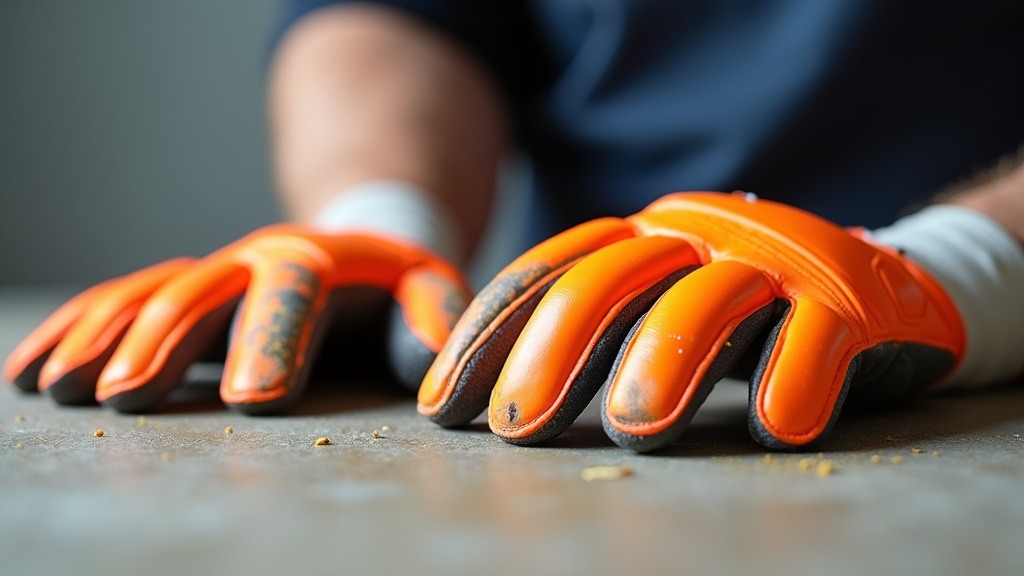
The materials dictate the care. Latex is organic and breaks down with heat, dirt, and dry rot.
- Rinse immediately after use. Use lukewarm water to remove mud, grass, and sweat. Never use hot water or soap, they strip the natural oils from the latex.
- Air-dry naturally. Lay them flat, palms up, in a cool, shaded place with good airflow. Never put them on a radiator, in a clothes dryer, or in direct sunlight. Heat is latex’s killer.
- Store them flat. Do not roll them up or crush them in your bag. Use a glove bag that allows them to keep their shape.
- Pre-wet for performance. Before a match or key training, lightly dampen the palms with a spray bottle. This activates the latex’s grip.
This regimen extends the life of any glove. But the single most effective practice is the two-glove system. You maintain a pair of soft, high-grip gloves for maximum grip exclusively for matches. For all training sessions, especially on artificial turf or in poor weather, you use a pair with a harder, more durable latex. This simple rule can triple the lifespan of your expensive match gloves. It is the standard for any serious academy or club keeper.
The Evolution and Environmental Impact
The first goalkeepers used bare hands or simple leather gloves. The 1970s saw the introduction of latex palms, a revolution documented in historical archives like the DPMA’s exhibit on football technology. Today’s gloves are marvels of synthetic chemistry, but this comes with a cost.
The core materials, latex, PU foam, polyester, nylon, are petroleum-based and not easily biodegradable. The industry’s environmental footprint is significant. Some brands are now exploring more sustainable solutions, like recycled plastics in backhand materials or water-based latex adhesives. As a consumer, supporting these initiatives matters. The durability of a glove is itself an environmental act; a glove that lasts two seasons creates half the waste of one that lasts one.
Frequently Asked Questions
What is the sticky part of goalkeeper gloves made of?
The sticky palm is made primarily of natural or synthetic latex. This rubber-like material is molded into a sheet and bonded to a layer of cushioning foam. The stickiness, or tack, comes from the latex’s porous surface which creates adhesion on the ball’s surface. Performance is enhanced when the latex is slightly damp.
Why do goalkeepers put water on their gloves?
Goalkeepers dampen their gloves because premium latex is hydrophilic. Water opens the microscopic pores on the latex surface, dramatically increasing its tackiness and creating a better seal on the ball. A completely dry palm can be slippery, especially with newer gloves. Some keepers also use specialized grip-enhancing sprays for a similar effect.
What are finger spines in goalkeeper gloves?
Finger spines are removable plastic inserts that slide into sleeves on the back of the glove’s fingers. They work like a splint to prevent the fingers from bending backwards upon impact, reducing the risk of hyperextension injuries like “goalkeeper’s finger.” They add safety but can reduce the flexibility and feel of the glove.
How long do goalkeeper gloves typically last?
Durability depends entirely on the latex grade and usage. Soft match latex may last only 5-10 full games. Durable training latex can withstand 50 or more training sessions. Using a two-glove system, separate pairs for matches and training, is the most effective way to maximize the lifespan of your equipment.
What is the difference between flat cut and negative cut gloves?
The difference is in the seam placement. Flat cut gloves have seams stitched on the outside of the fingers, creating a roomier, more forgiving fit. Negative cut gloves have seams stitched on the inside, yielding a tighter, second-skin fit that offers better ball control and is preferred by many advanced keepers. The choice depends on hand shape and preference.
Are there specific gloves for young players?
Yes. When selecting youth football gloves, prioritize safety (removable finger spines are wise), durability (harder training latex), and value over ultra-sticky match latex. A good flat or roll finger cut often provides a more adaptable fit for growing hands.
Before You Go
A goalkeeper’s glove is a tool, not a trophy. Its value lies in the materials engineered for a specific job: to grip, to cushion, to protect. Choose the latex grade that matches your primary use, stickiness for games, durability for practice. Understand that a damp palm is a fast palm. Respect the cut that fits your hand, not just the trend. And if you take the position seriously, budget for two pairs. The right materials, understood and maintained, turn a good save into a clean catch every time. Your hands are your first line of defense; what you put on them matters.

I come from the “soccer heart” of Germany, the Ruhrpott. I have played, trained and followed soccer all my life and am a big fan of FC Schalke 04. I also enjoy following international soccer extensively.