The World Cup Captains List: Meet All 48 Leaders & Stories
The 2026 FIFA World Cup captains list includes 48 leaders, from legendary veterans like Cristiano Ronaldo and Lionel Messi to rising stars like Kylian Mbappé and Alphonso Davies. Each captain brings a unique story, from refugee backgrounds to record-breaking tournament appearances, and their selection reflects a blend of experience, on-field brilliance, and organizational leadership essential for the expanded 48-team format.
Most articles just dump the names. They miss why a 20-year-old winger gets the armband for Canada while a 39-year-old icon still leads Portugal. They skip the part where a captain’s story directly shapes how his team will play under pressure.
This guide gives you the full roster of 48 captains grouped by the tournament’s new format, unpacks the three archetypes of World Cup leadership, and delivers the human stories behind each armband. We’ll also look at the tactical weight a captain carries and what could change before kickoff in June 2026.
Key Takeaways
- The 2026 World Cup captains list is built on three archetypes: Veteran Legends (Ronaldo, Modrić), Superstar Captains (Mbappé, Messi), and Defensive Anchors (van Dijk, Koulibaly).
- Alphonso Davies’ story as a Liberian refugee born in Ghana defines Canada’s resilient identity, while Cristiano Ronaldo aims for a record sixth World Cup as captain.
- Final 26-player squads and captaincies are not locked until June 2, 2026 – injury or managerial change can shift the armband even for icons like Messi.
- The expanded 48-team tournament increases pressure on captains from smaller nations, where the leader is often the only world-class player carrying the team’s tactical structure.
- A captain’s primary job is off-field unity and on-field tactical adjustment, not just motivational speeches – the best ones, like Germany’s Joshua Kimmich, operate as a second coach.
The Definitive 2026 World Cup Captains List
Find your team’s group. The tournament uses 12 groups (A through L) with four teams each. This structure is new for the 48-team format.
The 2026 FIFA World Cup will be co-hosted by 16 cities across the United States, Canada, and Mexico. The opening match is scheduled for Mexico City on June 11, 2026, and the final will be held at MetLife Stadium in East Rutherford, New Jersey, on July 19, 2026. Each national team must submit a final squad of 23 to 26 players, including three goalkeepers, by June 2, 2026.
Captain selection follows a clear logic. Managers pick the player who commands respect in the dressing room, translates tactical instructions on the pitch, and embodies the team’s public face. Sometimes that’s the oldest legend. Sometimes it’s the fastest winger.
Common mistake: Assuming the star forward always gets the armband – for teams like the Netherlands or Senegal, the defensive organizer (Virgil van Dijk, Kalidou Koulibaly) is the natural leader because he sees the entire field and directs the shape.
Here is the expected captain for each of the 48 qualified teams, organized by group.
| Group | Team | Captain | Notable Detail |
|---|---|---|---|
| A | Mexico | Edson Álvarez | Midfield anchor for a host nation under immense pressure. |
| A | South Africa | Ronwen Williams | Goalkeeper who has spent his entire career in South African leagues. |
| A | South Korea | Son Heung-min | Tottenham Hotspur star, carries the nation’s creative burden. |
| A | Czech Republic | Tomáš Souček | West Ham United defensive midfielder, the team’s tactical spine. |
| B | Canada | Alphonso Davies | Bayern Munich winger, refugee story defines his leadership. |
| B | Bosnia and Herzegovina | Edin Džeko | Veteran striker, provides calm and goal threat for a smaller nation. |
| B | Qatar | Hassan Al-Haydos | Domestic league star, experience in regional tournaments. |
| B | Switzerland | Granit Xhaka | Arsenal midfielder known for his combative, organizing style. |
| C | Brazil | Marquinhos | Paris Saint-Germain defender, leads a new generation after Neymar. |
| C | Morocco | Achraf Hakimi | PSG full-back, symbol of Morocco’s modern, athletic football. |
| C | Haiti | Johny Placide | Goalkeeper, often the last line of defense for an underdog team. |
| C | Scotland | Andy Robertson | Liverpool left-back, started his career with Queen’s Park. |
| D | United States | Christian Pulisic | AC Milan attacker, the face of American soccer’s new era. |
| D | Paraguay | Gustavo Gómez | Defensive leader, crucial for a team that relies on structure. |
| D | Australia | Mathew Ryan | Goalkeeper with extensive European experience. |
| D | Türkiye | Hakan Çalhanoğlu | Inter Milan midfielder, the creative engine and set-piece specialist. |
| E | Germany | Joshua Kimmich | Bayern Munich midfielder, operates as the team’s tactical director. |
| E | Curaçao | Cuco Martina | Veteran defender, brings stability to a small island nation. |
| E | Côte d’Ivoire | Franck Kessié | Physical midfield presence for a powerful African side. |
| E | Ecuador | Enner Valencia | Striker, the primary goal threat and emotional leader. |
| F | Netherlands | Virgil van Dijk | Liverpool defender, organizes the back line and team shape. |
| F | Japan | Wataru Endo | Liverpool midfielder, embodies Japan’s disciplined, technical style. |
| F | Sweden | Victor Lindelöf | Manchester United defender, calm presence in a physical team. |
| F | Tunisia | Ellyes Skhiri | Eintracht Frankfurt midfielder, the engine in a compact system. |
| G | Belgium | Youri Tielemans | Aston Villa midfielder, leads a Belgian team in transition. |
| G | Egypt | Mohamed Salah | Liverpool forward, the superstar carrying national expectations. |
| G | Iran | Alireza Jahanbakhsh | Experienced winger, key for a team that plays with intensity. |
| G | New Zealand | Chris Wood | Striker, target man and scorer for a team that relies on set plays. |
| H | Spain | Álvaro Morata | Atlético Madrid striker, leads a Spanish team focused on control. |
| H | Cape Verde | Ryan Mendes | Winger, the creative outlet for a small, passionate nation. |
| H | Saudi Arabia | Salem Al-Dawsari | Domestic star, scorer and leader for a team building momentum. |
| H | Uruguay | Federico Valverde | Real Madrid midfielder, the dynamo for a gritty Uruguayan side. |
| I | France | Kylian Mbappé | Paris Saint-Germain forward, the young superstar and face of the team. |
| I | Senegal | Kalidou Koulibaly | Chelsea defender, powerful organizer for a physical African side. |
| I | Iraq | Jalal Hassan | Goalkeeper, crucial for a team that defends deep and counters. |
| I | Norway | Martin Ødegaard | Arsenal midfielder, the creative captain for a nation featuring Erling Haaland. |
| J | Argentina | Lionel Messi | Inter Miami forward, the legendary icon playing in his final World Cup. |
| J | Algeria | Aïssa Mandi | Villarreal defender, stable presence for a disciplined North African team. |
| J | Austria | David Alaba | Real Madrid defender, versatile leader for a tactically flexible side. |
| J | Jordan | Ihsan Haddad | Domestic captain, experience in Asian football tournaments. |
| K | Portugal | Cristiano Ronaldo | Al-Nassr forward, aiming for a record sixth World Cup as captain. |
| K | DR Congo | Chancel Mbemba | Marseille defender, athletic leader for a physically imposing team. |
| K | Uzbekistan | Eldor Shomurodov | Forward, the main goal threat for a Central Asian underdog. |
| K | Colombia | James Rodríguez | Veteran playmaker, the creative heart for a talented Colombian side. |
| L | England | Harry Kane | Bayern Munich striker, the consistent scorer and calm leader. |
| L | Croatia | Luka Modrić | Real Madrid midfielder, the veteran maestro controlling the tempo. |
| L | Ghana | Jordan Ayew | Striker, experienced forward for a Ghana team in rebuild. |
| L | Panama | Aníbal Godoy | Midfielder, the defensive organizer for a compact Central American side. |
TL;DR: The 48 captains list is split into 12 groups. It includes legends (Ronaldo, Messi), young superstars (Mbappé, Davies), and defensive organizers (van Dijk, Koulibaly). Their stories range from refugee backgrounds to record-breaking sixth tournaments.
Captain Archetypes: What Makes a World Cup Leader
Not every captain is chosen for the same reason. You can break them into three clear types. The type dictates how the team will function under pressure.
Veteran Legends are the icons. Cristiano Ronaldo, Luka Modrić, Lionel Messi. Their leadership comes from sheer experience and the weight of their legacy. A team with a veteran captain often plays with a specific tempo – slower, more controlled, relying on the captain’s decision-making in key moments.
Ronaldo’s potential sixth World Cup is a story of relentless longevity. His captaincy for Portugal is less about tactical instruction and more about embodying an impossible standard. Younger players follow because he has done it all.
Superstar Captains are the current best player on the team. Kylian Mbappé, Christian Pulisic, Mohamed Salah. They get the armband because their on-field brilliance is the team’s primary weapon. Leadership here is about leading by example – scoring the goal, making the run, taking the risk.
Mbappé carries France not just with speed but with the expectation that he will decide games. That pressure changes how a team supports him. Every tactical plan flows through the superstar captain’s position.
Defensive Anchors are the organizers. Virgil van Dijk, Kalidou Koulibaly, Marquinhos. These are often defenders or deep midfielders who see the whole pitch. Their captaincy is tactical – they adjust the line, shift the midfield block, and communicate constantly.
Van Dijk’s voice is the loudest on the pitch for the Netherlands. He doesn’t need to score. He needs to ensure the team’s structure never breaks. This archetype is common for teams that prioritize defensive solidity over flashy attack.
I prefer the defensive anchor captain for tournament football. Not because they’re more charismatic, but because a tight defensive shape is harder to build than a moment of attacking brilliance. A back line that holds for 90 minutes wins more knockout games than a striker who scores once. Found that out watching Germany’s 2014 run with Philipp Lahm.
The archetype mix across the 48 teams reveals a tournament trend. Smaller nations, like Canada or Morocco, often appoint their single world-class player (Davies, Hakimi) as captain – he is both superstar and leader. Larger, established nations split the roles: France has Mbappé (superstar) but the defensive work falls to others.
Common mistake: Believing a captain must be the oldest player – for teams like Norway, the creative hub Martin Ødegaard is the natural captain despite his age because he dictates the team’s attacking rhythm and embodies its modern identity.
The Human Stories Behind the Armband
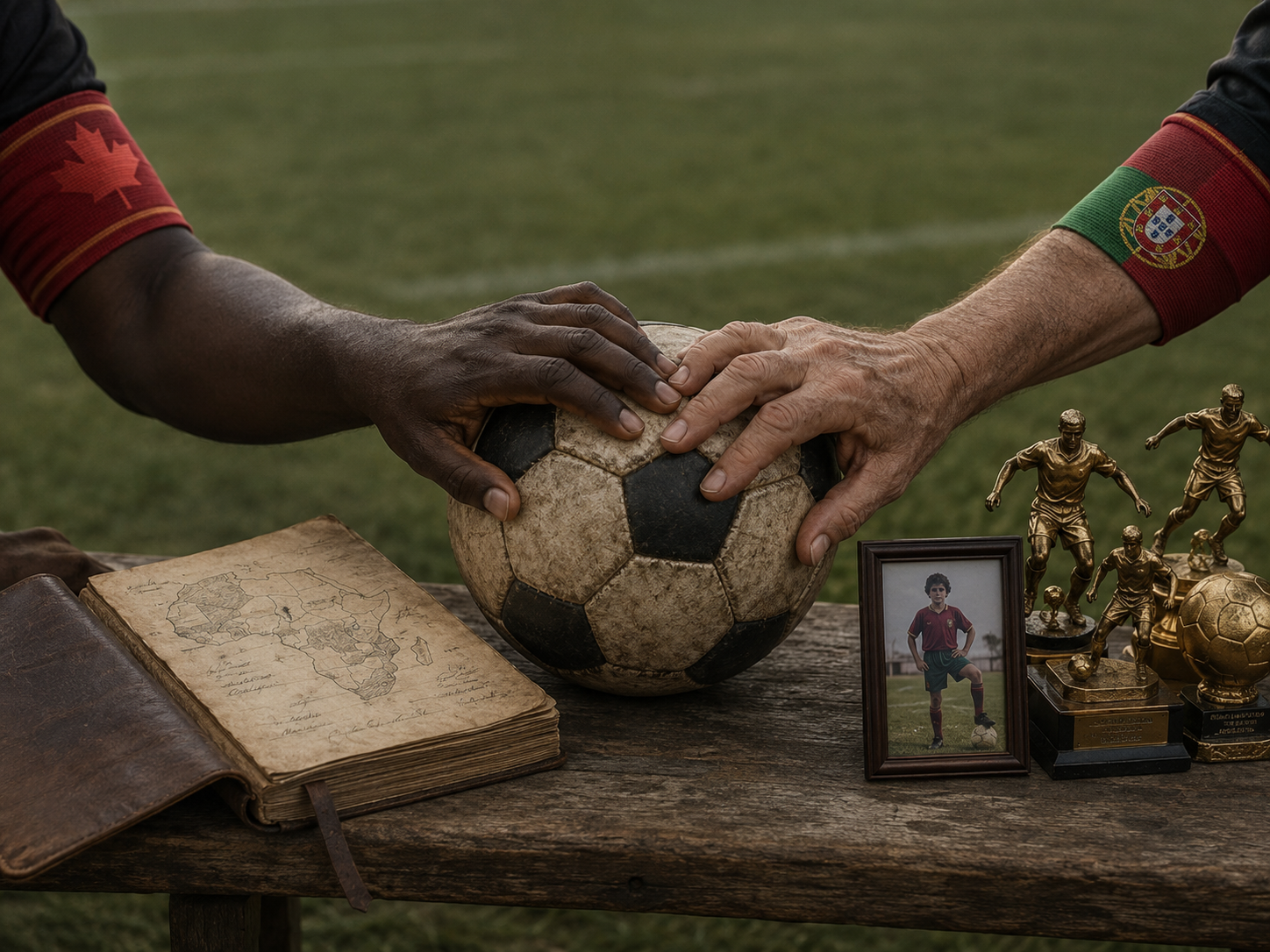
The list is names. The stories are why you remember them. Each captain carries a narrative that shapes their team’s identity.
Alphonso Davies was born in a Ghanaian refugee camp to Liberian parents. He moved to Canada at age five. His football rise is a story of escape and opportunity. That background gives his captaincy for Canada an emotional weight – he represents resilience. The team plays with a visible hunger.
Cristiano Ronaldo’s story is about records. If he captains Portugal in 2026, it will be his sixth World Cup. No player has done that before. His leadership is now about legacy, about proving age is just a number. The squad follows a living legend.
Andy Robertson started at Queen’s Park, a Scottish amateur club. He worked through Hull City before landing at Liverpool. His captaincy for Scotland isn’t about glamour – it’s about grit, about proving that hard work beats pedigree. That mentality defines Scotland’s underdog approach.
From the BBC Sport article on Norway’s captain, we know Martin Ødegaard’s rise from teenage prodigy at Real Madrid to Arsenal captain and now national team leader. His story is one of early pressure and mature growth. He now leads a Norway squad featuring Erling Haaland, balancing creative duty with tactical responsibility.
Other stories are quieter but telling. Ronwen Williams, South Africa’s captain, has never played outside his domestic league. His leadership is rooted in local experience, understanding the specific pressures of representing a nation still building its football profile. That’s a different kind of weight than a European star faces.
Never assume a captain’s story is only about football. Davies’ refugee background, Robertson’s amateur start, Williams’ domestic career – these elements directly affect how the team responds in a crisis moment. A captain who has overcome real-world adversity commands a different kind of respect in the dressing room.
These narratives matter because the World Cup is about more than tactics. It’s about national identity. The captain is the symbol.
TL;DR: Captain stories range from refugee backgrounds (Davies) to record-breaking longevity (Ronaldo) and gritty rises from amateur clubs (Robertson). These human elements define team identity and resilience under tournament pressure.
Which Teams Have the Most Iconic Captain Duels?
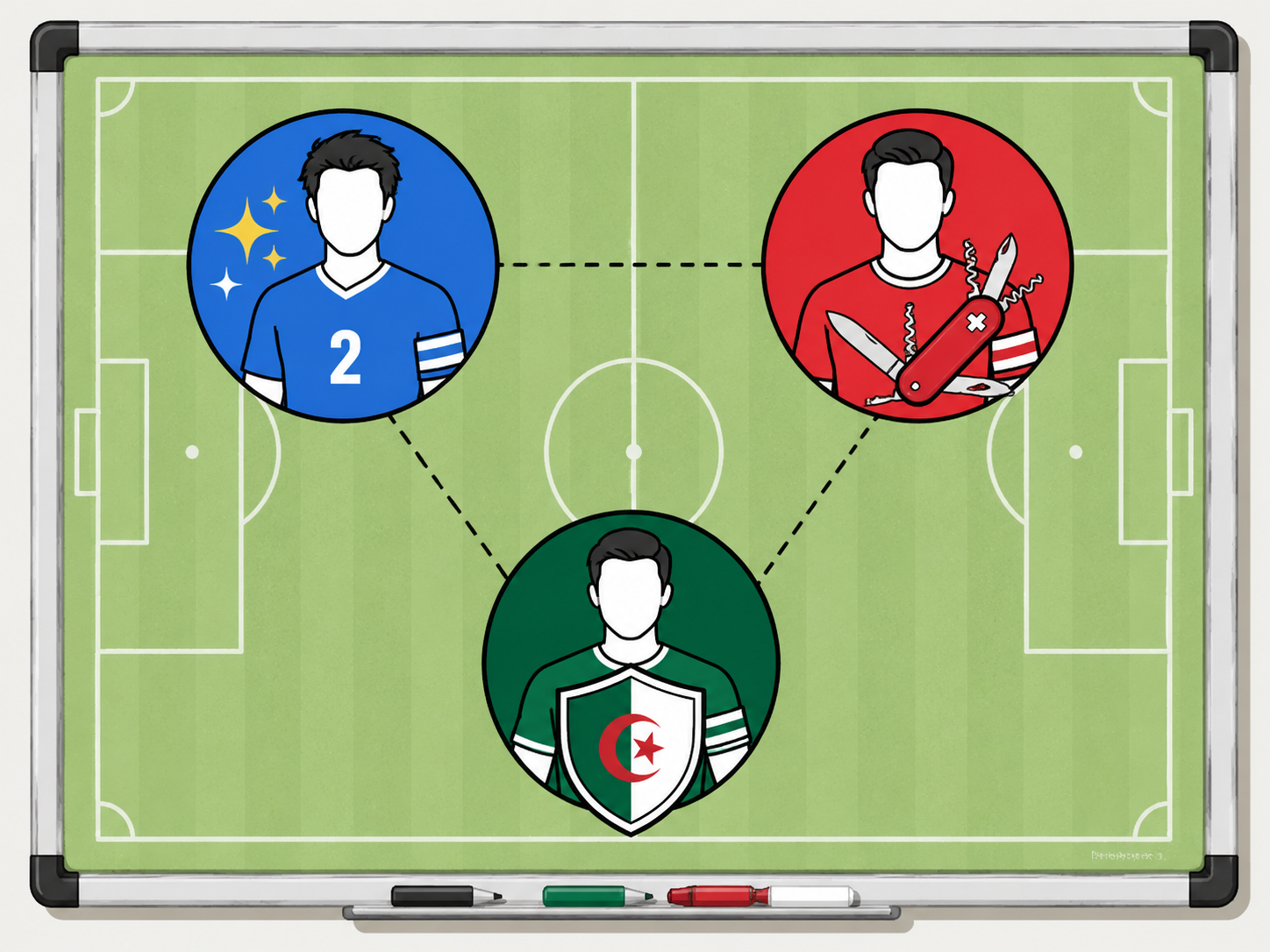
Look at the groups. Some contain direct clashes between legendary captains. These matches become about leadership as much as skill.
Group J is the obvious one. Argentina with Lionel Messi faces Algeria with Aïssa Mandi and Austria with David Alaba. The duel is Messi’s creative genius against Mandi’s defensive discipline and Alaba’s tactical versatility. The captain’s style dictates the tactical battle.
Group K features Cristiano Ronaldo’s Portugal against James Rodríguez’s Colombia. It’s a clash of veteran playmakers – Ronaldo’s direct goal threat versus Rodríguez’s passing vision. The team’s attacking shape will mirror their captain’s preferred style.
Group I has Kylian Mbappé’s France against Kalidou Koulibaly’s Senegal. This is superstar versus defensive anchor. Mbappé’s pace and dribbling tested against Koulibaly’s physical organization and reading of the game. The captain contrast defines the match’s dynamic.
Group L offers Harry Kane’s England against Luka Modrić’s Croatia. Kane is the consistent finisher, Modrić the tempo-controlling maestro. Their captaincy approaches reflect their teams – England’s directness, Croatia’s patient buildup.
These duels highlight a captain’s tactical footprint. When Mbappé is captain, France’s attacks funnel through his left-wing position. When Koulibaly is captain, Senegal’s defensive line is compact and aggressive. The game plan is built around the leader’s strengths.
Before you start: Remember that a captain’s influence isn’t just motivational. In these duels, the captain’s playing position and style force specific tactical adjustments from the opponent. Marking Mbappé requires a defensive shift that opens space elsewhere. Pressing Modrić risks losing midfield shape. Ignoring this and just focusing on “leadership speeches” misses the real game.
The expanded 48-team format creates more of these clashes. Smaller nations with a single star captain, like Canada with Davies, now face giants with veteran leaders. The pressure on that one player to carry both performance and leadership is immense.
TL;DR: Iconic captain duels include Messi vs. defensive organizers in Group J, Ronaldo vs. James Rodríguez in Group K, and Mbappé vs. Koulibaly in Group I. The captain’s playing style directly shapes the tactical battle in these matches.
How the 48-Team Format Changes Captaincy
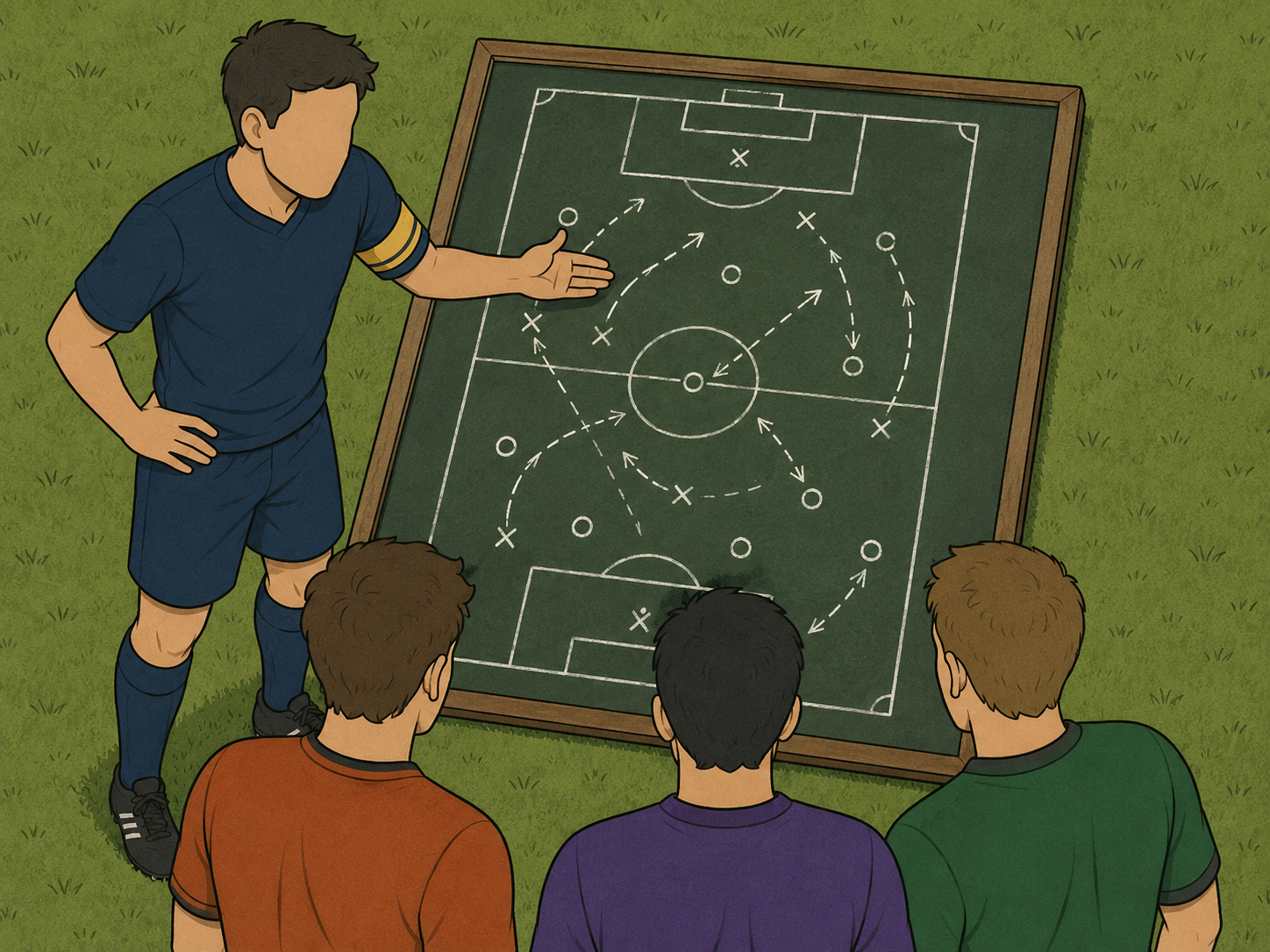
The jump from 32 to 48 teams isn’t just more matches. It changes what a captain needs to do. The pressure profile shifts.
For teams from smaller federations, the captain is often the only player with top-level European experience. Think of Alphonso Davies for Canada or Achraf Hakimi for Morocco. They become the tactical reference point for teammates who play in domestic leagues. Their leadership includes explaining positional demands that are new to some squad members.
The group stage is now three matches instead of four for some teams, but the path to the knockout rounds is more congested. A captain’s role in managing squad energy and focus across a potentially longer tournament (more teams mean more potential match days) becomes critical. Veteran captains like Ronaldo or Modrić have the experience to pace a squad’s emotional investment.
There is also a visibility shift. With 48 captains, the media spotlight spreads thinner. This can relieve pressure for captains of less glamorous teams, allowing them to focus on internal squad dynamics without constant external scrutiny. Conversely, captains of the top 10 nations face even more scrutiny because their teams are expected to dominate the enlarged field.
The physical demands are higher. More teams mean a greater variety of playing styles and physical challenges. A captain must help adapt the team’s approach from match to match – from facing a technical South American side to a physical African team. Defensive anchors like Virgil van Dijk are crucial here, as they read the opponent’s pattern and adjust the defensive line accordingly.
I watched the 2022 tournament with 32 teams. The captain’s press conference load was already immense. With 48 teams, the media schedule will be brutal for the top sides. Captains who can delegate – like Germany’s Joshua Kimmich relying on veteran teammates for certain interviews – will preserve mental energy for the pitch. Those who try to do everything will burn out by the second group match.
The new format also increases the chance of a “captain’s story” emerging from a completely unexpected nation. A leader from a team like Curaçao or Uzbekistan, who navigates his squad through a historic upset, becomes an instant tournament legend. That possibility adds a layer of narrative excitement that the 32-team format rarely offered.
TL;DR: The 48-team format increases tactical teaching duties for captains of smaller nations, demands greater squad energy management from veterans, and spreads media pressure unevenly. It also creates more opportunities for underdog captain stories to become tournament legends.
Tactical Leadership: What a Captain Actually Does on the Pitch
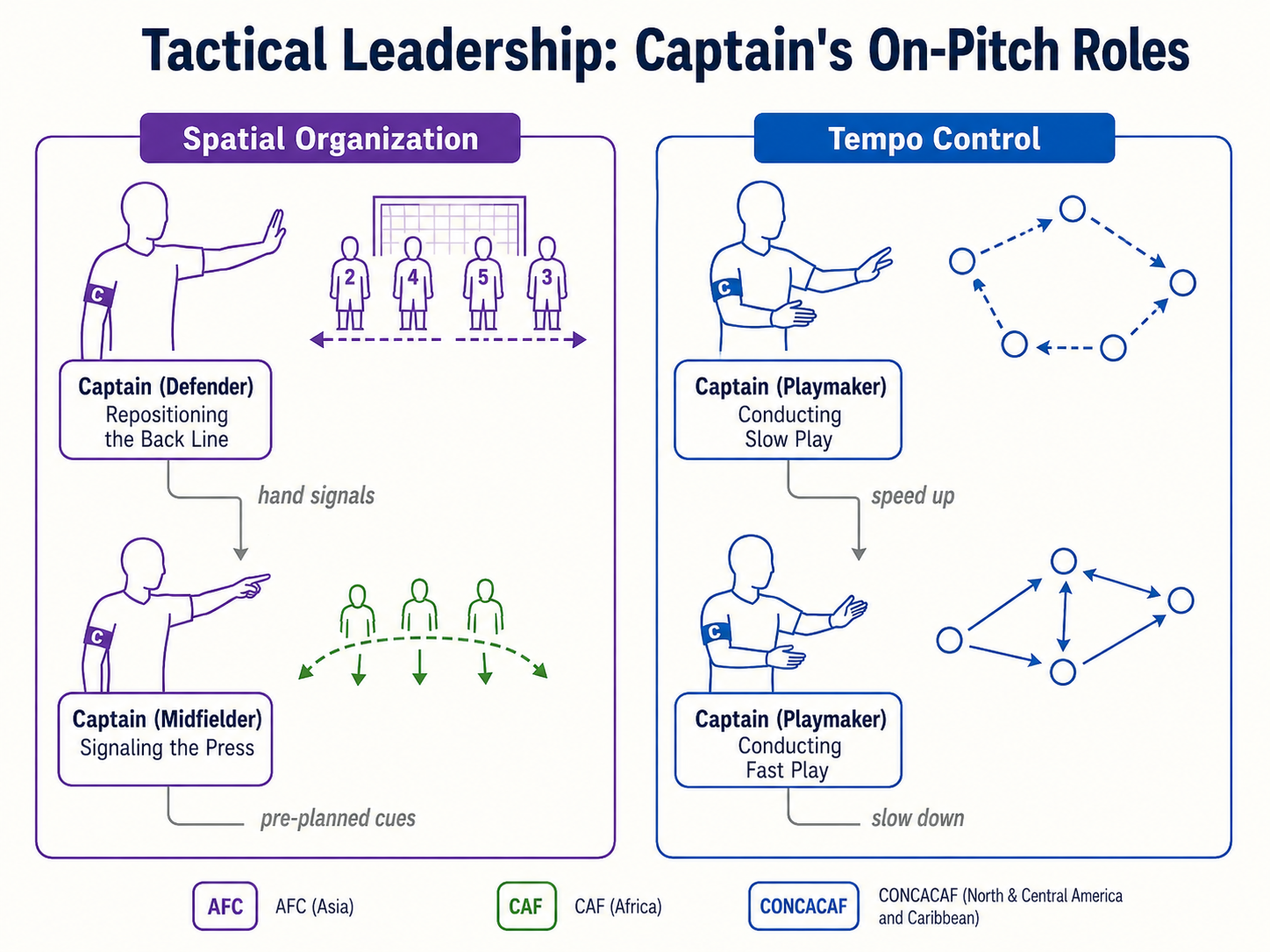
It’s not about shouting. It’s about adjusting. A real captain operates as a second coach during the match.
The first job is spatial organization. Defensive captains like Virgil van Dijk constantly reposition their back line based on the opponent’s striker movement. Midfield captains like Joshua Kimmich shift the pressing triggers – when to step up, when to drop. This happens with hand signals, short shouts, and pre-planned cues.
The second job is tempo control. Playmaker captains like Luka Modrić decide when to speed up the passing or when to slow it down to regain composure. They sense the team’s emotional rhythm and adjust the play to stabilize it. A rushed team makes mistakes; a captain slows the game.
The third job is problem-solving. If the left winger is getting isolated, the captain (often a central player) will drift over to provide support or instruct the midfielder to shift wider. This is real-time tactical correction, not waiting for the coach’s halftime talk.
Look at the contrast between captain types. A superstar captain like Kylian Mbappé focuses on problem-solving by creating individual solutions – beating his marker to open space. A defensive anchor like Kalidou Koulibaly focuses on spatial organization – keeping the defensive block compact. Both are leadership, but the method is different.
Common mistake: Believing a captain’s primary duty is to motivate with speeches. On the pitch, motivation comes from actions – a crucial interception, a key pass, a covering run. The tactical adjustments are what change the game. I’ve seen teams with a charismatic but tactically silent captain lose shape in 10 minutes and never recover it.
This is why managers often pick defenders or midfielders as captains. They are positioned to see the whole field. Strikers, like Harry Kane, can still provide tactical leadership through their positioning and pressing signals, but their view is more limited.
A captain’s tactical role is amplified in the World Cup because the coach’s direct influence is reduced during the match. The manager can shout from the sideline, but the captain is inside the system, feeling the pressure gaps and communication breakdowns. He fixes them immediately.
TL;DR: A captain’s on-pitch duties are spatial organization (defenders), tempo control (playmakers), and real-time problem-solving (all types). Motivational speeches are secondary; tactical adjustment during the match is the primary leadership function.
Could This List Change Before June 2026?
Yes. Absolutely. The list above is based on current expectations and preliminary squad announcements.
The final deadline for 26-player squad submission is June 2, 2026, per FIFA regulations. Until that date, managers can change their minds. An injury to a key player can force a captaincy reshuffle. Lionel Messi’s fitness will be monitored closely; a serious issue could see the armband pass to another veteran like Rodrigo De Paul.
Managerial changes are another factor. If a national team fires its coach before the tournament, the new manager might prefer a different leadership profile. A more defensive coach might favor a defensive anchor captain over a superstar.
There is also the form variable. A captain like Christian Pulisic is secure now, but a dramatic dip in performance or a locker room issue at his club could alter the calculus. Captaincy is about respect – if a player’s form erodes that respect, the manager might act.
For record-chasing veterans, the decision is emotional. Cristiano Ronaldo’s quest for a sixth World Cup depends on his physical condition and the coach’s belief that he is still the best leader. If Portugal’s manager thinks the team needs a younger, more tactically vocal captain, the story changes.
I remember a World Cup where a nation’s star player was named captain in all pre-tournament articles. Two weeks before the squad submission, he pulled a hamstring in a friendly. The manager switched the armband to a less famous but fit midfielder, and the team’s dynamic changed completely. They played more cohesively without the superstar’s shadow. It happens.
The expanded squad size (26 players) also allows for more leadership depth. Teams might appoint a “vice-captain” who is essentially a co-leader, ready to step into the role if the primary captain is struggling during the tournament. This is common for sides with young superstar captains – France might have a defensive veteran like Raphaël Varane ready to support Mbappé.
TL;DR: Captaincies can change due to injury (Messi), managerial turnover, or form dips before the June 2, 2026 squad deadline. Record-chasing veterans like Ronaldo are particularly vulnerable if their physical condition declines.
Frequently Asked Questions
Who is the captain of Argentina for the 2026 World Cup?
Lionel Messi is expected to captain Argentina. This will likely be his final World Cup, and his leadership extends beyond his playing role to embodying the nation’s football legacy. His story as an Argentine captain is one of sustained excellence and delivering a long-awaited World Cup title in 2022.
Could Cristiano Ronaldo really play in a sixth World Cup?
Yes. Cristiano Ronaldo is aiming to captain Portugal in his sixth World Cup, which would be a record. His selection depends on maintaining his physical condition and the coach’s confidence in his leadership for the 2026 campaign. Messi’s World Cup story might end in 2026, but Ronaldo’s could extend further.
Who is the youngest captain in the 2026 World Cup?
Kylian Mbappé (France) and Alphonso Davies (Canada) are among the youngest expected captains, both in their mid-20s. True teenage captains are rare at the World Cup due to the pressure, but the expanded format could see a very young leader emerge from a smaller nation if a prodigy is their best player.
Why do some teams choose defenders as captains?
Defenders like Virgil van Dijk (Netherlands) or Kalidou Koulibaly (Senegal) are chosen because they see the entire field and can organize the team’s spatial structure during the match. Their leadership is tactical, ensuring defensive shape and communication, which is crucial in tournament knockout games.
How does the 48-team format affect captain pressure?
The 48-team format increases tactical teaching duties for captains of smaller nations, as they often guide teammates with less top-level experience. It also creates more potential for underdog captain stories to emerge. The media pressure spreads, but captains of top nations face even more scrutiny due to higher expectations.
Can a team change its captain after the tournament starts?
Officially, the captain is designated in the squad submission. However, if the designated captain is injured or suspended during the tournament, the manager can appoint a new leader for subsequent matches. This is rare but possible, especially if the primary captain is a veteran carrying a minor injury.
The Bottom Line
The 2026 World Cup captains list is a mix of legend, rising star, and defensive organizer. Each name carries a story that defines their team’s identity – from refugee resilience to record-breaking longevity.
Focus on the captain archetypes to understand how each team will play. Veteran legends control tempo, superstar captains provide the offensive spark, and defensive anchors ensure tactical solidity. Their on-pitch duties are about real-time adjustment, not just pre-match speeches.
Remember this list is provisional until June 2, 2026. Injury, form, or managerial change can shift the armband, even for icons. The expanded 48-team tournament adds new pressures and opportunities, making the captain’s role more complex and more visible than ever.
Pick a few captain duels to watch – Messi versus defensive organizers, Ronaldo versus James Rodríguez, Mbappé versus Koulibaly. Those clashes will showcase how leadership style directly shapes the tactical battle. That’s where the tournament’s narrative will be written.

I come from the “soccer heart” of Germany, the Ruhrpott. I have played, trained and followed soccer all my life and am a big fan of FC Schalke 04. I also enjoy following international soccer extensively.