FIFA World Cup History & Record of Germany’s National Team
Germany’s FIFA World Cup history and record is defined by four championships, a record 13 semi-final appearances, and a staggering 85% rate of reaching at least the quarter-finals in the tournaments they entered. Their story spans the 1954 ‘Miracle of Bern’, the Beckenbauer era, reunification, a 2014 peak in Brazil, and recent unexpected group-stage failures.
Most summaries just list the trophies. They miss the through-line, the uncanny, almost mechanical consistency that made two consecutive group-stage exits in 2018 and 2022 feel like a system shock. This isn’t just a tally of wins; it’s the biography of a football institution that has defined tournament football for nearly a century.
We’ll break down each title run, the statistical pillars of their dominance, the tactical evolution across eras, and what the recent stumbles signal for the future of German football.
Key Takeaways
- Germany’s four World Cup wins (1954, 1974, 1990, 2014) are matched by four runner-up and four third-place finishes, showcasing relentless competitiveness.
- They hold the record for most semi-final appearances (13) and have reached the quarter-finals or better in 17 of their 20 tournaments, an 85% consistency rate.
- FIFA treats the records of Germany (pre-1945), West Germany (1949–1990), and reunified Germany as one continuous history for the German Football Association (DFB).
- The 7-1 victory over Brazil in the 2014 semi-final was a historic event that propelled Germany to their fourth title and Miroslav Klose to the all-time World Cup scoring record.
- The group-stage exits in 2018 and 2022 mark the first time Germany has failed to reach the knockout rounds in consecutive World Cups since the 1930s.
How Many World Cups Has Germany Won?
Germany has lifted the FIFA World Cup trophy four times. Their victories came in 1954, 1974, 1990, and 2014. This places them tied with Italy for the second-most titles, behind only Brazil’s five.
Each win represents a distinct chapter in the nation’s history. The 1954 triumph was a post-war statement. The 1974 win was a triumph of home-soil organization and a golden generation. The 1990 victory came on the eve of national reunification. The 2014 title in Brazil was a masterclass in modern, systematic football. This quartet of wins, spread across six decades, underscores a longevity that few nations can match. For a deeper look at the moments that defined these runs, including dramatic finishes, explore our article on memorable extra time matches.
Germany’s four World Cup victories were achieved under three different political designations: as West Germany in 1954 and 1974, as West Germany representing a unified German Football Association in 1990, and as reunified Germany in 2014. FIFA’s official records consolidate these achievements under the continuous history of the DFB.
The official tally is clear on the Wikipedia page on German World Cup. What the number four doesn’t convey is the sheer weight of near-misses. Four times they’ve been runners-up. Another four times they’ve finished third. This means in over half of their 20 tournament appearances, they’ve stood on the podium. That consistency is their true signature.
TL;DR: Four wins, four second-place finishes, and four third-place finishes. Germany has been on the podium in 12 of their 20 World Cups.
The Trophies: Four Titles and the Stories Behind Them
The first win is still the most mythic. The 1954 final in Bern saw West Germany, led by captain Fritz Walter, defeat the seemingly invincible Hungarian “Golden Team” 3-2. The match was played on a waterlogged pitch, conditions that favored the industrious Germans over the technical Magyars. This “Miracle of Bern” was more than a sporting upset; it was a pivotal moment of national pride for a country still grappling with the aftermath of World War II.
The 1974 victory was expected. Hosting the tournament, West Germany boasted a squad featuring the iconic Franz Beckenbauer, who redefined the sweeper role. After a shocking loss to East Germany in the group stage, a politically charged encounter, they regrouped. In the final, they faced the total football of the Netherlands, led by Johan Cruyff. Gerd Müller’s typical striker’s finish secured a 2-1 win, cementing Beckenbauer’s legacy as a champion captain.
By 1990, Beckenbauer was the manager. His team, featuring Lothar Matthäus, Jürgen Klinsmann, and Andreas Brehme, played with a pragmatic efficiency. The final in Rome against Argentina was a tense, foul-strewn affair decided by an 85th-minute Brehme penalty. The image of Beckenbauer, now in a suit, casually walking onto the pitch holding the trophy is iconic. It was the last major triumph for West Germany before reunification months later.
The 2014 triumph in Brazil was a tactical masterpiece. Manager Joachim Löw’s side, years in the making, peaked at the perfect moment. Their semi-final 7-1 demolition of the hosts was a seismic event in football history. It wasn’t just a win; it was a systematic deconstruction. Miroslav Klose scored his record-breaking 16th World Cup goal in that match. The final against Argentina, won 1-0 by Mario Götze’s extra-time volley, was almost an afterthought in its tension. This victory validated a decade of youth development and a shift toward a possession-based, high-pressing style that influenced the global game.
The Statistical Pillars of German Consistency
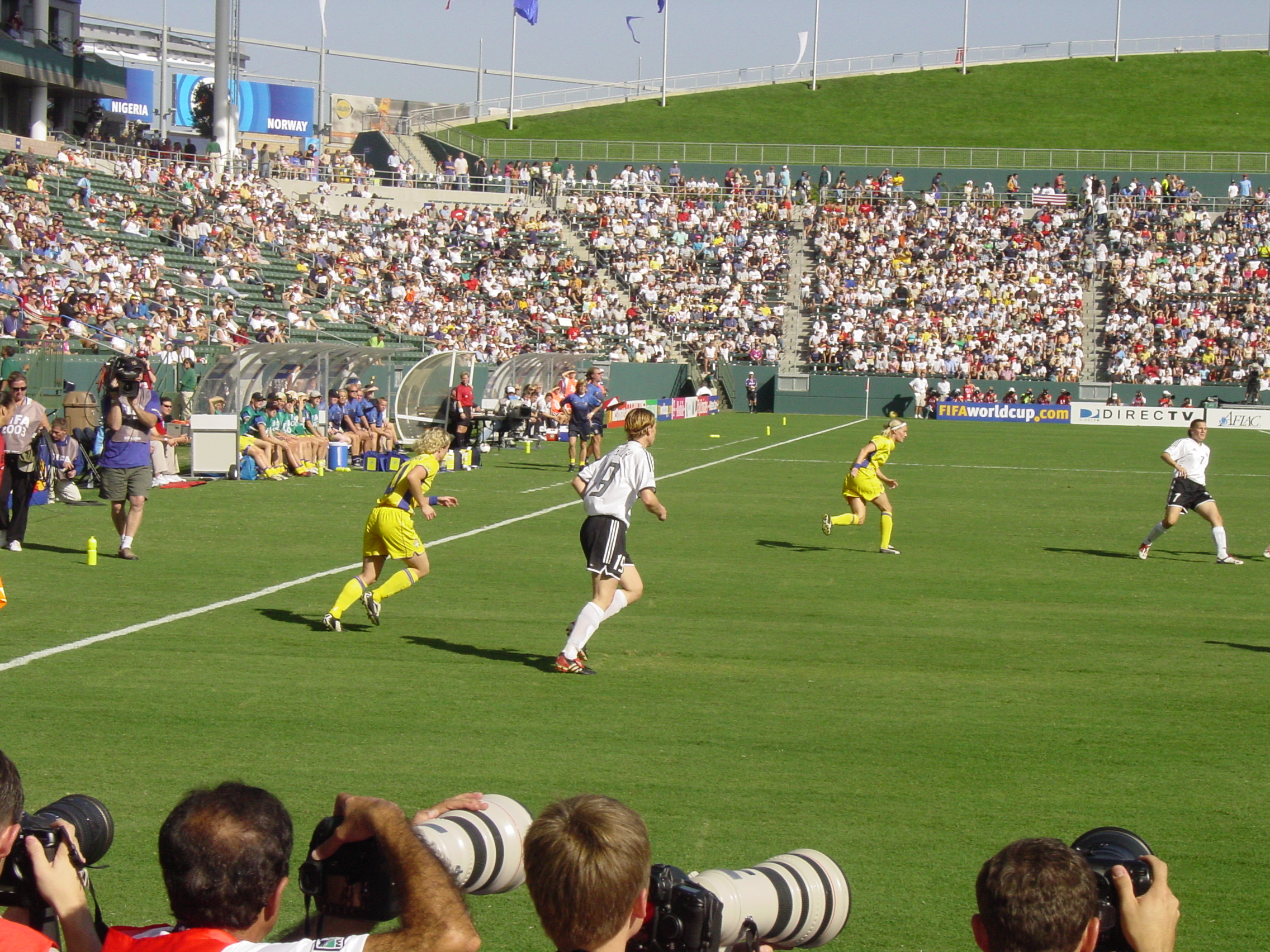
Photo: Curt Gibbs / Wikimedia Commons / CC BY 2.0

The trophy count is impressive, but the underlying numbers reveal the engine of German World Cup history. Their qualification record is nearly flawless: they have entered 20 tournaments and qualified for all 20. They missed the inaugural 1930 edition by choice and were banned from the 1950 tournament post-war.
Once there, their progression is a model of reliability. Reaching 13 semi-finals is a record no other nation touches. Their 85% quarter-final rate means that in 17 out of 20 tournaments, they were among the last eight teams standing. This isn’t sporadic success; it’s institutionalized excellence.
| Metric | German Record | Global Ranking |
|---|---|---|
| World Cup Titles | 4 | 2nd (tied) |
| Finals Appearances | 8 | 2nd |
| Semi-final Appearances | 13 | 1st |
| Tournament Appearances | 20 | 2nd |
| Overall Win Percentage* | ~63% | Top 5 |
*Based on matches in tournaments entered. Source: FIFA consolidated records.
This statistical backbone is detailed in the comprehensive German football statistics archive. The numbers tell a story of a football association that treats tournament progression not as a hope, but as a baseline expectation. This mindset, built on robust youth systems and organizational stability, is what separates them from nations that rely on golden generations.
Common mistake: Focusing only on Germany’s four wins without acknowledging their eight final appearances and 13 semi-finals. This overlooks their true strength: an unparalleled floor of high performance, tournament after tournament.
Their record in knockout matches is particularly fearsome. Before the 2018 stumble, they had won their first knockout game in 16 consecutive World Cups, a streak spanning from 1954 to 2014. This mental fortitude in win-or-go-home scenarios became a hallmark, often breaking the hearts of opponents in dramatic World Cup overtimes.
The Evolution of Die Mannschaft: From Power to Precision
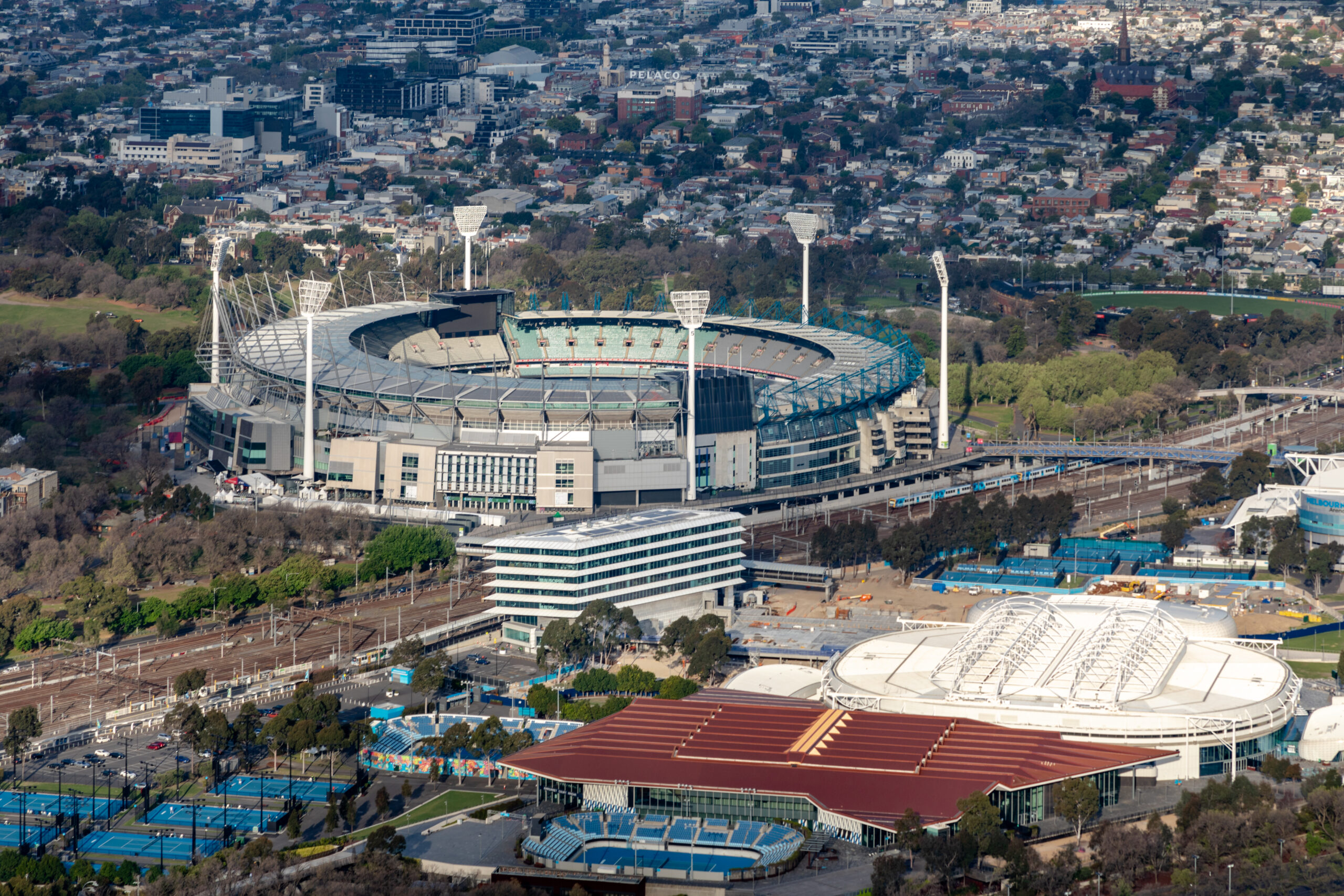
Photo: Dietmar Rabich / Wikimedia Commons / CC BY-SA 4.0
,_View_from_Eureka_Tower,_Melbourne_Cricket_Ground_--_2019_--_1450.jpg)
Germany’s playing style has undergone a profound transformation, mirroring changes in the global game. The early post-war identity was built on resilience and physical power, the “German mentality.” Think of the 1954 team overcoming the mud and the Magyars. This evolved into a more organized, efficient approach in the 1970s and 80s, exemplified by Beckenbauer’s calm orchestration from the back and the lethal finishing of Gerd Müller.
The 1990 champions were perhaps the peak of this pragmatic, physically dominant model. After reunification, integrating players from the East German system initially led to a period of adjustment. The late 90s and early 2000s saw Germany still relying on toughness and set-piece prowess, even as technical flair began to rise elsewhere.
A pivotal shift began after the Euro 2000 group-stage exit. The DFB initiated a massive overhaul of youth development, emphasizing technical skills, creativity, and versatility. This philosophy bore fruit a decade later. The 2010 and 2014 teams, under Joachim Löw, represented the new Germany: a possession-based, high-pressing, tactically flexible unit. Players like Mesut Özil, Toni Kroos, and Thomas Müller replaced traditional target men with interchanging playmakers.
This tactical evolution in football was led by Germany, influencing a generation of coaches. The 7-1 win over Brazil was its ultimate expression. However, this shift also had a cost. Some argue the move away from a classic, physical number nine and a steely defensive core left the team unbalanced when their technical game wasn’t firing, a vulnerability exposed in 2018 and 2022.
Key Rivalries and Defining Matches
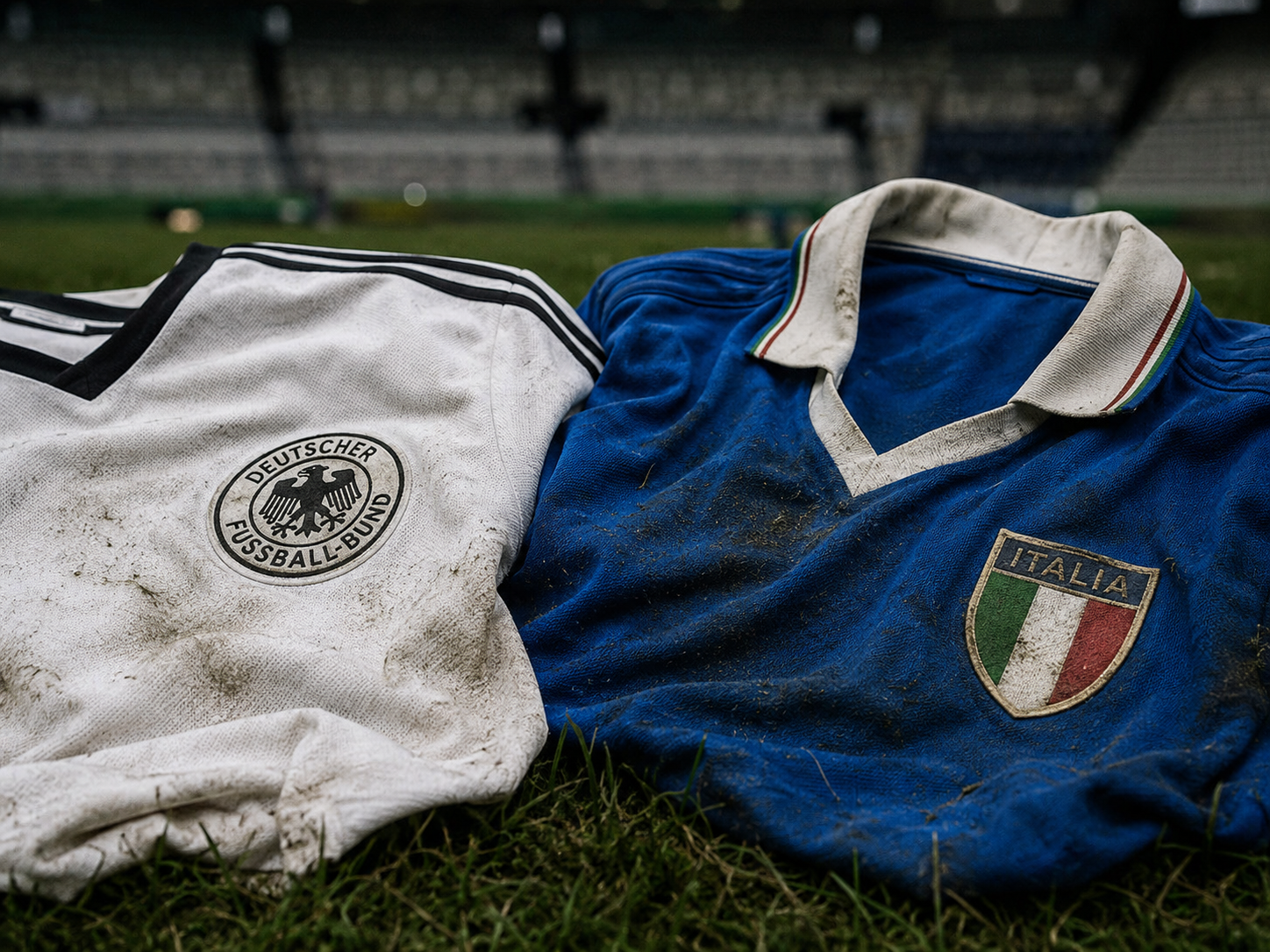
A team’s history is written in its rivalries. For Germany, two opponents stand above all: Italy and Argentina.
The rivalry with Italy is one of psychological weight. Germany has never beaten Italy in a World Cup knockout match. The classic 1970 semi-final, a 4-3 Italian win dubbed the “Game of the Century,” and the heartbreak of the 2006 semi-final in Dortmund are seared into German memory. This hex is a rare mental block in their otherwise confident tournament psyche.
The Argentina rivalry is a final-stage drama. They have met in three World Cup finals (1986, 1990, 2014), with Germany winning the latter two. The 1986 final showcased Diego Maradona’s genius against German resilience. The 1990 and 2014 finals were cagey, tactical affairs decided by the finest margins. These clashes against World Cup rivals Argentina represent the ultimate test of nerve.
Then there is the rivalry with the Netherlands, fueled by geographical proximity and historical tension. The 1974 final is the crown jewel, but epic battles in 1978 and 1990 add layers. Matches against England carry their own historical baggage, from the controversial 1966 final to the penalty shootout wins in 1990 and 1996 (Euro). Each of these rivalries has shaped a different facet of the German football character.
The 7-1 victory over Brazil in 2014 deserves its own category. It wasn’t a rivalry in the traditional sense, but it created a new, stark historical marker. It was the day the historical football powerhouses of Brazil were humbled on home soil, and Germany’s modern system announced its total dominance. It’s a result that will be replayed for as long as the World Cup exists.
Record Holders and Iconic Figures
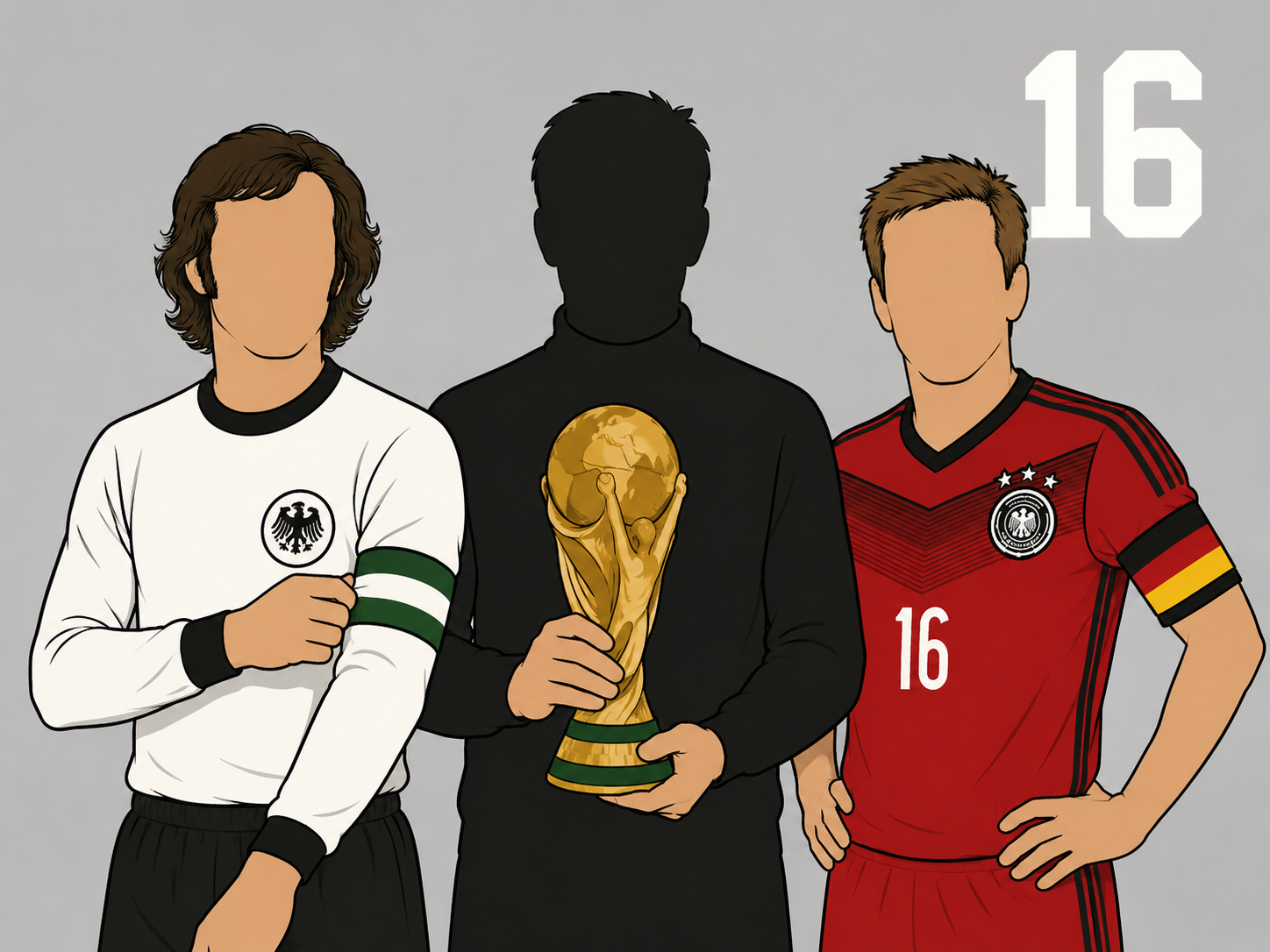
Individuals etch their names into this history. Franz Beckenbauer is the central figure, champion as captain (1974) and manager (1990). His elegance and intelligence defined an era and an archetype.
Miroslav Klose stands alone as the all-time leading scorer in World Cup history, with 16 goals across four tournaments (2002-2014). His record is a testament to remarkable longevity and a predator’s instinct in the box. His career overlapped with the transformation from the old power game to the new, and he excelled in both.
Lothar Matthäus holds the record for most World Cup matches played by a German (25). A leader of the 1990 winners, his career spanned five tournaments, embodying durability. In the modern era, Thomas Müller announced himself with 5 goals and 3 assists in 2010, a debut tournament performance that set a new standard for versatile forwards.
The managerial influence of Helmut Schön (1974 winner) and Joachim Löw (2014 winner) cannot be overstated. Schön managed the transition to professionalism. Löw was the architect of the modern style, serving for 15 years, a tenure of rare stability in international football. His work is a case study in long-term coaching strategies for tournaments.
I watched Klose break Ronaldo’s record live in 2014. The commentary was frantic, but the goal itself was so typically Klose, a scrappy, close-range tap-in after a keeper parry. No flair, just absolute certainty of position. That was his genius. He taught a generation that goalscorers don’t need 30-yard screamers; they need to be in the right spot, every single time.
These figures, and many others, are chronicled in the Wikipedia history of German football. Their stories are the human texture on the statistical canvas.
The Modern Era: Peak and Sudden Decline
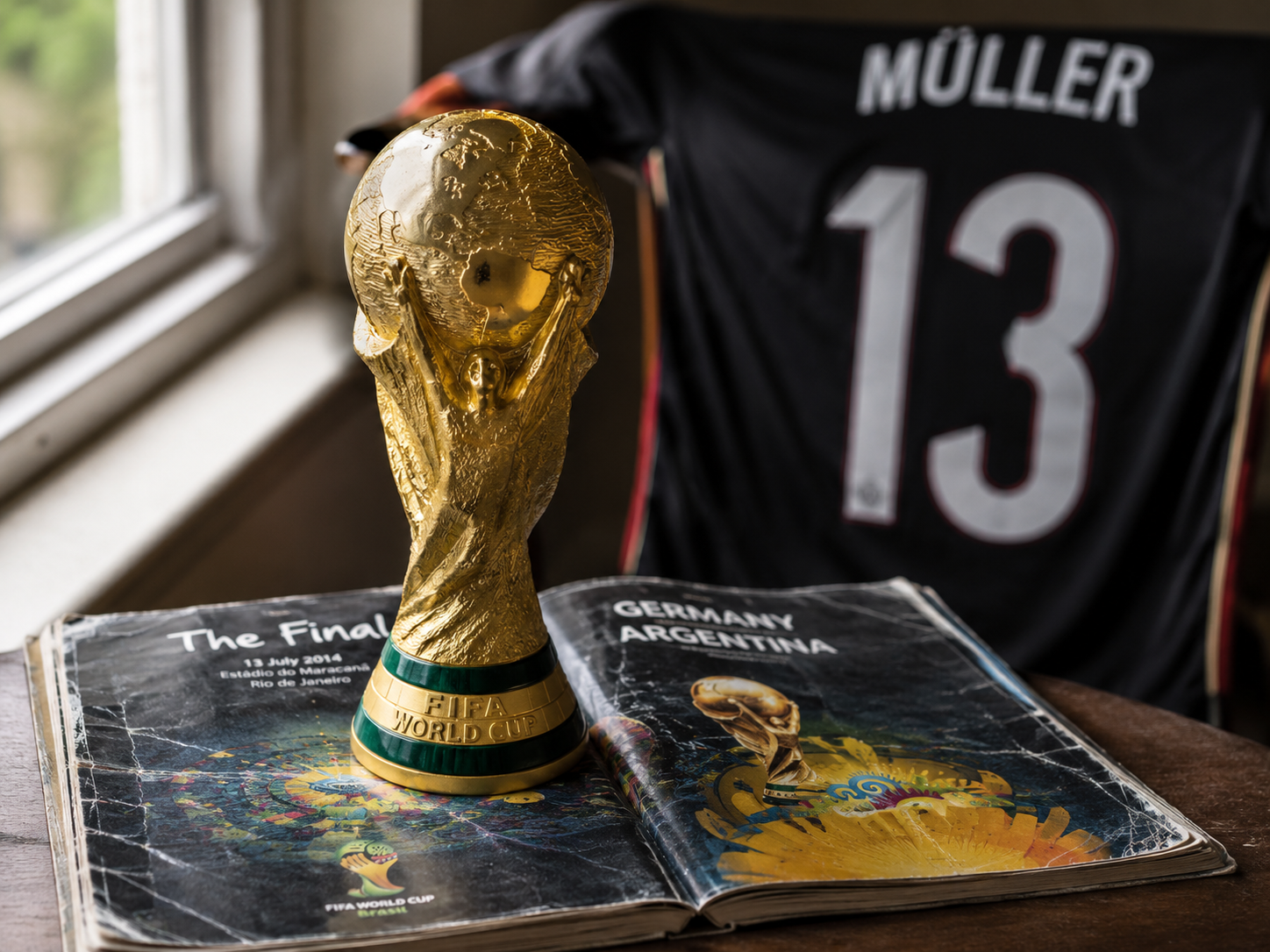
The period from 2006 to 2016 represents the modern zenith of German football. Starting with the home World Cup in 2006, the “Summer Fairy Tale”, they finished third, playing an exciting, attacking style that captivated the nation. This was the preview of Löw’s project. They reached the semi-finals in 2010 with a youthful, thrilling team, and then culminated with the 2014 victory in Brazil.
The 2014 team is arguably the most complete side in the nation’s history. They had world-class talent in every unit: Manuel Neuer in goal, a disciplined defence, the peerless midfield control of Kroos and Schweinsteiger, and a multifaceted attack. Their 7-1 win over Brazil wasn’t a fluke; it was the logical outcome of a perfectly executed game plan against a fractured opponent. This era also saw German players become key top assist providers at club and international level.
The decline was abrupt. At the 2018 World Cup in Russia, as defending champions, they lost their opener to Mexico and were eliminated after a shocking last-minute loss to South Korea. The 2022 tournament in Qatar followed a similar script: a loss to Japan, a draw with Spain, and a win over Costa Rica that wasn’t enough. For a team built on reliability, two consecutive group-stage exits are an existential crisis.
The causes are multifaceted. The golden generation aged out without like-for-like replacements in key positions, especially at striker and full-back. The tactical model pioneered by Löw was dissected and countered by opponents. Some argue the intensity of the pressing game had waned. Internal dynamics and a perceived lack of leadership on the pitch were also cited. The system that produced a decade of dominance suddenly looked stale.
Frequently Asked Questions
What is Germany’s overall World Cup win-loss record?
As of the 2022 tournament, Germany has played 112 World Cup matches. They have won 68, drawn 21, and lost 23. This gives them an overall win percentage of approximately 61%, one of the highest in tournament history.
Has Germany ever failed to qualify for the World Cup?
No. In the 22 World Cup tournaments held, Germany has entered 20 and qualified all 20 times. They did not enter in 1930 and were banned from qualifying for the 1950 tournament due to World War II.
Who is Germany’s all-time top scorer at the World Cup?
Miroslav Klose is Germany’s and the world’s all-time top scorer at the World Cup, with 16 goals scored across the 2002, 2006, 2010, and 2014 tournaments.
Which manager has won the World Cup for Germany?
Two managers have led Germany to World Cup victory: Helmut Schön (1974) and Franz Beckenbauer (1990). Joachim Löw managed the 2014 winning team. Schön and Beckenbauer also won it as players.
What was Germany’s biggest World Cup win and worst defeat?
Their biggest win is an 8-0 victory over Saudi Arabia in the 2002 group stage. Their heaviest defeat was a 6-0 loss to Austria in the 1938 tournament, a match with significant political overtones known as the “Anschluss game.”
How did German reunification affect the national team?
Reunification in 1990 integrated the football structures and player pool of East Germany into the DFB. While it added depth, the immediate footballing impact was less dramatic than the symbolic weight. The first unified team won Euro 1996, but integrating the different football cultures took time. It ultimately expanded the talent base, contributing to the development of the 2014-winning generation.
Before You Go
Germany’s World Cup story is a paradox of relentless machine-like consistency and dramatic human moments. The four trophies are the headline, but the 13 semi-finals are the real testament to their DNA. From the mud of Bern in 1954 to the sunshine of Rio in 2014, they have been a permanent, formidable presence.
The recent group-stage exits are not the end of that story, but a stark reminder that no system is immune to entropy. The challenge for the next generation, potentially featuring new young German talents, is to rediscover the blend of technical precision and tournament toughness that defined their predecessors. The history is written. The next chapter demands a response.
I come from the “soccer heart” of Germany, the Ruhrpott. I have played, trained and followed soccer all my life and am a big fan of FC Schalke 04. I also enjoy following international soccer extensively.