What Are Soccer Balls Made Of? Our Guide to the Best Balls
Soccer balls are made of four core layers: a synthetic outer cover (PU, TPU, or PVC), a foam backing for feel, multiple cotton-polyester inner linings for structure, and an airtight bladder (butyl or latex). The best balls match these specific materials to your playing surface, frequency of use, and required performance level.
Most people grab the first ball that looks right and feels okay in the store. They don’t check the label for the cover material or the bladder type. A month later, that ball is either flat, waterlogged, or feels like a rock. The problem isn’t the ball. It’s picking the wrong material for the job.
This guide breaks down every layer. You’ll learn why a FIFA Pro match ball costs ten times more than a training ball, what “thermally bonded” actually means for your touch, and how to choose the right construction for street, turf, or grass.
Key Takeaways
- The outer cover material dictates feel and durability: Polyurethane (PU) for match-level softness, Thermoplastic Polyurethane (TPU) for tough training, and Polyvinyl Chloride (PVC) for concrete and asphalt.
- Bladder choice is a trade-off: A butyl bladder holds air for months but feels dead. A latex bladder is lively and responsive but needs pumping every few days.
- FIFA certification is your quality guarantee. A FIFA Quality Pro stamp means the ball passed strict tests for weight, sphericity, rebound, and water absorption. Ignore this for match play at your peril.
- Construction method affects flight. Thermally bonded balls have seamless surfaces for predictable aerodynamics. Stitched balls have deeper seams that some players prefer for grip.
- Match, training, and street balls are built differently. Using a delicate match ball on concrete destroys its foam backing in two sessions. The materials are not interchangeable.
The 4 Core Layers of a Modern Soccer Ball
Forget the old 32-panel leather ball. Modern construction is a sandwich of engineered synthetics. Each layer has a job, and cheap balls fail by skipping one.
The outer cover is your first point of contact. Under that sits a thin foam backing, this is the shock absorber. Beneath the foam are the lining plies, usually two to four layers of cotton and polyester fabric that lock the ball’s shape. At the heart is the bladder, the balloon that holds the air. These soccer ball materials are selected for specific performance outcomes.
A standard FIFA Quality Pro match ball specification requires a polyurethane (PU) outer cover, a minimum of four cotton-polyester lining plies, a latex or high-grade butyl bladder, and thermal bonding for seam integrity. This combination ensures consistent weight (410–450 grams), circumference (68.5–69.5 cm), and rebound height within a 10% tolerance band after 2,000 accelerated impacts.
1. The Outer Cover: PU, TPU, and PVC
This is the ball’s skin. The material here decides everything from your first touch to how it survives a kick against a brick wall.
Polyurethane (PU) is the gold standard for match balls. It’s a synthetic material engineered to mimic the soft, grippy feel of old leather without the fatal flaw. Leather soaks up water like a sponge, adding significant weight. PU is hydrophobic. Water beads up and rolls off. High-end PU, like that on an Adidas match ball, has a textured, almost tacky surface for enhanced grip in wet conditions. The trade-off is cost and scuff resistance.
Thermoplastic Polyurethane (TPU) is the workhorse. It’s less expensive than PU and significantly more resistant to abrasion. The feel is firmer, not as supple, but the durability makes it the default choice for serious training ball construction. Most top Nike match balls for club use are actually high-grade TPU.
Polyvinyl Chloride (PVC) is the tank. It’s the hardest, most durable, and least expensive cover option. The feel is unforgiving, like kicking a firm plastic shell. That’s why it’s reserved for recreational balls and street soccer balls meant for concrete and asphalt. It won’t scuff or tear, but your instep will know.
2. The Foam Backing & Lining Plies
The magic of a soft touch happens here, not in the cover. The foam backing is a thin layer of polyester or latex foam glued beneath the cover. This layer cushions impact. More or denser foam equals a softer feel, but it can also mute responsiveness.
Beneath the foam are the lining plies. Think of these as the ball’s musculature. They are sheets of woven fabric, typically a blend of cotton for flexibility and polyester for strength, layered and cross-laminated. More plies mean a more stable, round shape that won’t deform on a hard shot.
- Recreational balls: 2 plies. They deform.
- Quality training balls: 3 plies. Good shape retention.
- Match balls: 4 or more plies. This is why a pro ball feels rock-solid and perfectly round off your foot.
Skip this layer in your evaluation, and you’ll buy a ball that wobbles in flight after a month of hard use. The lining is what separates a serious piece of equipment from a toy.
3. The Bladder: Butyl vs. Latex
The bladder holds the air, but its material dictates the ball’s soul. This is a critical choice in ball selection guide.
Butyl bladders are synthetic rubber. Their polymer structure is virtually impermeable to air. A butyl bladder might lose only 1-2 PSI over a month. For a training ball that sits in a bag, this is perfect. The downside is feel. Butyl is less elastic, so the ball doesn’t “spring” off the foot as crisply. It can feel a bit dead.
Latex bladders are natural rubber. They are highly elastic, giving a lively, responsive rebound. Professionals prefer this for the instant feedback. The cost is air retention. Latex is porous. A latex-bladder ball needs inflation every 3-5 days of use. Leave it in a cold car trunk, and it will be flat the next day.
Common mistake: Choosing a latex bladder for a team bag ball, it will be under-inflated for every second session, ruining passing drills. Choose butyl for consistency, latex for feel.
| Bladder Type | Best For | Air Retention | Feel & Response |
|---|---|---|---|
| Butyl | Training, team bags, recreational play | Excellent (weeks) | Softer, less lively |
| Latex | Match play, professional training | Poor (days) | Crisp, responsive |
| Synthetic Rubber (SR) | Mid-range training, hybrid use | Good (1-2 weeks) | Balanced, improved over butyl |
TL;DR: Butyl for air, latex for feel. Your use case picks the winner.
Construction: Stitching vs. Thermal Bonding
How the panels come together is as important as what they’re made of. There are two main methods, and they change the ball’s behavior.
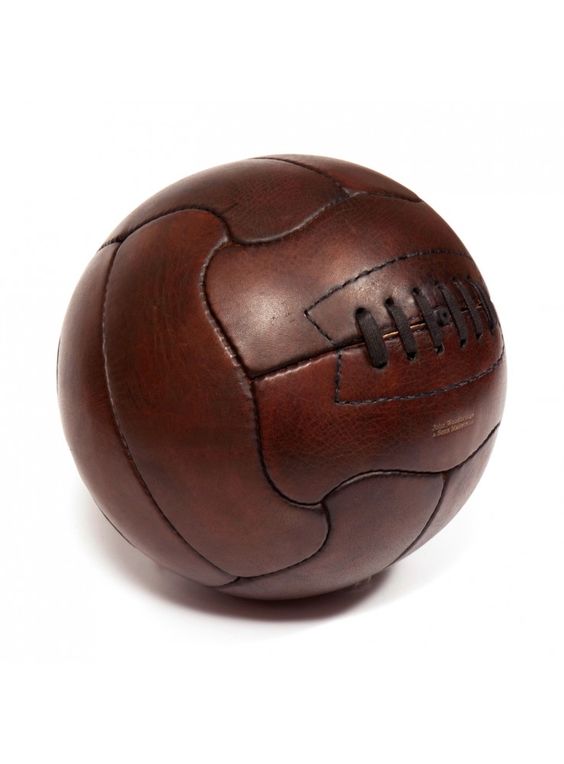
Hand-stitching is the traditional craft. Panels are sewn together from the inside out with polyester thread. The seam is deep and raised. Some players, especially older ones, swear by the grip a deep seam provides for bending shots. It’s also incredibly durable, a well-stitched ball can outlast its cover. Many best leather footballs use this method for authenticity.
Machine-stitching is the modern standard for durability. It’s faster and creates a strong, consistent seam. Most performance soccer balls in the training category are machine-stitched.
Thermal bonding is the high-tech path. Panels are cut and then fused together using heat and glue, creating a completely seamless surface. This has two major advantages. First, zero water ingress through seams. Second, a perfectly smooth aerodynamics profile for a more predictable, stable flight. Every modern FIFA Quality Pro match ball is thermally bonded. The downside is that if the bond fails, the whole panel can peel off.
I used a thermally bonded Adidas Finale for a full season on wet Saturday morning pitches. It never gained a gram of water weight. The club’s stock of stitched training balls? They’d start the match fine and end the second half feeling like medicine balls. The bonding works.
Match vs. Training vs. Street: Picking the Right Ball
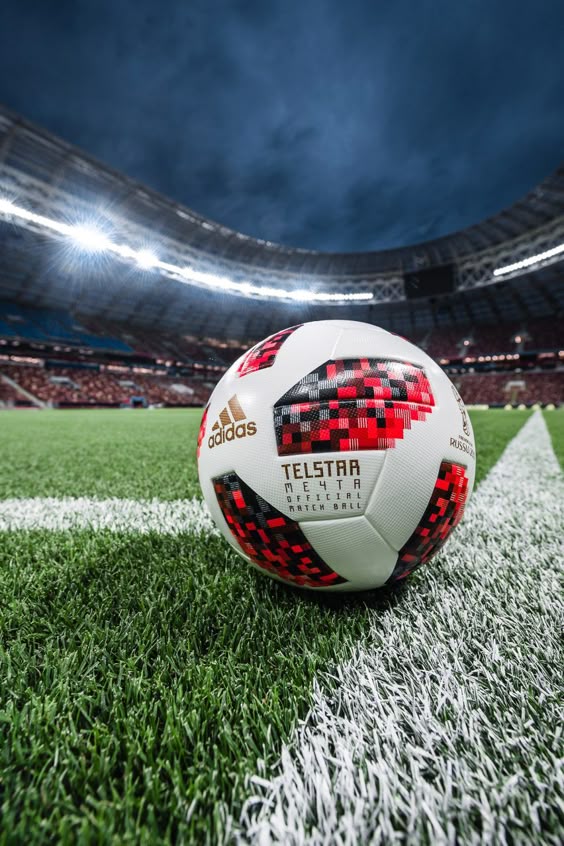
You wouldn’t use a Formula 1 car for a grocery run. Don’t use a match ball on concrete. The soccer ball types are engineered for specific environments, and using them wrong is expensive.
| Ball Type | Primary Cover | Bladder | Construction | Built For | Will Fail If Used On |
|---|---|---|---|---|---|
| Match Ball | Premium PU | Latex (or top Butyl) | Thermal Bonding | Grass pitches, official games | Concrete, asphalt, abrasive turf |
| Training Ball | TPU or Mid-PU | Butyl | Machine-Stitched | Daily practice, grass/turf | Street surfaces |
| Street Ball | Reinforced PVC or TPU | Butyl | Reinforced Stitching | Concrete, asphalt, walls | N/A (it’s the tank) |
A match ball is a precision instrument. Its soft PU cover and foam backing are designed for the consistent give of natural grass. On artificial turf or concrete, the foam compresses and tears internally. The cover scuffs instantly. You’ll kill a $150 ball in two street sessions. Save it for the game.
A training ball is the squad player. The tougher TPU cover and butyl bladder are built for repetition and neglect. It can handle turf pellets and the occasional kick against a fence. It won’t feel as good, but it will last a season.
A street ball is the survivor. The PVC shell has almost no foam backing, it’s hard by design. The ball construction materials are chosen for abrasion resistance, not touch. It’s for walls, concrete, and not caring.
TL;DR: Buy a training ball for 90% of your kicks. Get a match ball only if you play weekly on grass. Never mix the two jobs.
The Role of Certification: FIFA Quality Pro, Quality, and IMS
When a ball says FIFA Quality Pro, that’s not a marketing sticker. It’s a hard-earned license. The Fédération Internationale de Football Association sets the global standard. Balls are subjected to a battery of tests at an independent lab.
FIFA Quality Pro is the highest grade. It’s mandatory for all top professional leagues (Bundesliga, Premier League, etc.) and FIFA competitions. The tests are brutal: 2,000 shots from a steel cannon at 50 km/h to check weight and shape retention, water absorption tests, repeated pressure loss cycles, and precise measurements of rebound and circumference. Maybe 20 ball models worldwide carry this badge in a given year.
FIFA Quality is the tier below, intended for amateur club and youth play. The tests are similar but slightly less stringent. It’s the mark of a reliable, high-performance ball.
IMS (International Matchball Standard) is essentially the FIFA Quality standard without the licensing fee paid to FIFA. The testing body is the same. You see this on many high-quality Nike training footballs and other brands’ top models.
Common mistake: Assuming a high price equals FIFA quality, many expensive “replica” or “stadium” balls are not certified. They might look like the match ball, but they haven’t passed the tests. For consistent performance, the certification stamp is non-negotiable.
Ignoring this is why your team’s bag of balls all feel different. Certified balls are consistent. One size 5 football feels like the next.
How to Choose Your Best Ball
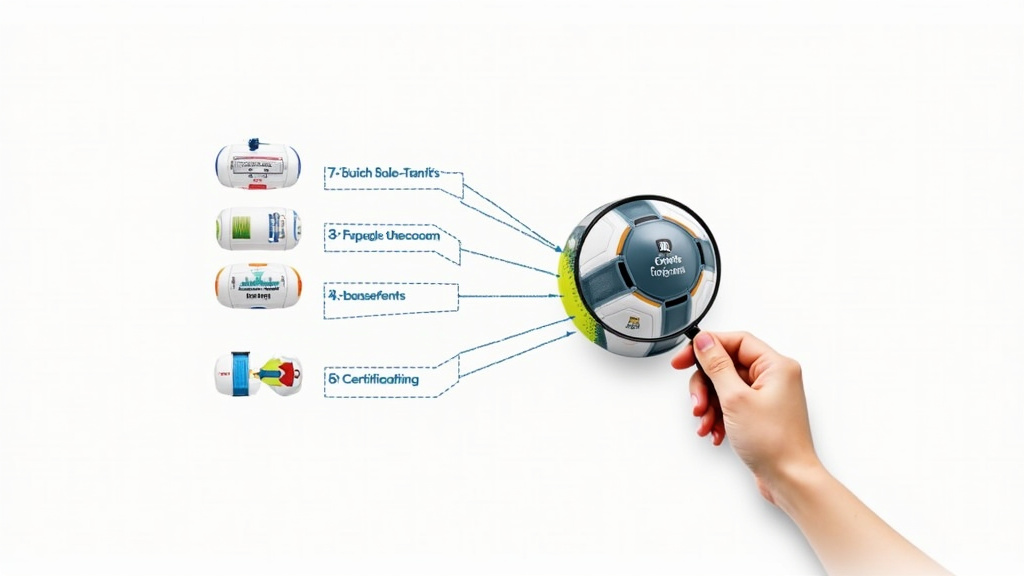
Stop looking at the color first. Start a checklist based on where and how you play. This logic applies whether you’re picking from the best Adidas soccer balls or a generic brand.
First, diagnose your surface. Is it pristine grass, hard-packed dirt, artificial turf with black rubber crumbs, or concrete? Your surface picks your cover material (Grass/Turf = PU/TPU, Concrete = PVC).
Second, be honest about frequency. If this ball is going in a bag for weekly team training, prioritize a butyl bladder. The convenience outweighs the slight feel penalty. If it’s for your personal sessions where you can pump it before each use, consider latex.
Third, check the seams. For a true match feel and wet-weather performance, thermal bonding is superior. For classic feel and maximum durability against abrasion (like sand or turf), a tightly stitched ball is better.
Finally, find the certification. For any serious match or league play, look for the FIFA Quality Pro, Quality, or IMS logo. It’s your guarantee of correct ball inflation specs, true roundness, and predictable bounce. This step alone filters out 80% of the unsuitable options on the shelf.
Your perfect ball exists. You just have to read its label like an ingredient list, not an advertisement.
Frequently Asked Questions
What is the best material for a soccer ball?
For overall performance and feel, Polyurethane (PU) is the best material. It provides the softest touch, excellent grip, and strong water resistance, making it the standard for match balls. For durability on rough surfaces, Thermoplastic Polyurethane (TPU) is the best balance, while Polyvinyl Chloride (PVC) is the most durable for street use.
Are leather soccer balls better than synthetic ones?
No, not for modern play. Traditional leather ball construction has historical charm but absorbs water, becoming heavy and unpredictable. Modern synthetic materials like PU replicate the soft feel of leather while being waterproof, more consistent, and longer-lasting. Leather is now primarily for collectors or casual kickabouts.
How many panels does the best soccer ball have?
The “best” is defined by purpose. For aerodynamic consistency and a seamless surface, modern high-end match balls often have as few as 4, 6, or 8 thermally bonded panels. The classic 32-panel design is still common in stitched training balls for its proven durability and familiar seam pattern. Panel count matters less than the quality of the modern ball materials and construction.
Why is my new soccer ball losing air so quickly?
You likely have a ball with a latex bladder. Latex is porous and naturally loses air faster than a butyl bladder. It’s normal to need to inflate a latex-bladder ball every few days with regular use. If a butyl-bladder ball is losing air quickly, check the valve for leaks or damage. Always follow ball pressure guidelines and use a pump with a needle.
What’s the difference between a match ball and a training ball?
match ball uses premium materials (PU cover, latex bladder, multiple lining plies) and thermal bonding for peak, consistent performance in games. A training ball uses more durable materials (TPU cover, butyl bladder) and stitching to withstand daily abuse and neglect while maintaining decent performance. Using a match ball for training wears it out prematurely.
What size soccer ball should I buy?
Follow official age-appropriate ball sizes. Size 5 (27-28 inches) is standard for adults and players aged 12+. Size 4 (25-26 inches) is for players aged 8-12. Size 3 (23-24 inches) is for young children under 8. Using the correct soccer ball sizes is crucial for proper technical development.
The Bottom Line
The best soccer ball isn’t the most expensive one. It’s the one built with the right outer cover materials and ball bladder materials for your specific patch of ground. Want a ball that feels incredible for 90 minutes on grass? Invest in a thermally bonded PU ball with a latex bladder and a FIFA badge. Need a workhorse that survives a season of turf, rain, and bag storage? A stitched TPU ball with a butyl bladder is your tool.
Understand the four-layer sandwich, cover, foam, lining, bladder, and you’ll never waste money on the wrong ball again. Check the label, respect the certification, and match the materials to your mission. Your first touch will thank you.

I come from the “soccer heart” of Germany, the Ruhrpott. I have played, trained and followed soccer all my life and am a big fan of FC Schalke 04. I also enjoy following international soccer extensively.