Why is Brazil So Good at Soccer? The 5 Unbreakable Pillars
This post contains affiliate links. As an Amazon Associate, we earn from qualifying purchases.
Brazil is so good at soccer due to a five-pillar system: a cultural obsession treating it as a national language, a youth pathway built on futsal, a vast free-academy network, a history of tactical innovation, and unique social pressure that makes football a viable escape route. This creates a perpetual talent machine.
Brazil is so good at soccer because of a self-reinforcing system built on five pillars: a cultural obsession that treats the sport as a national language, a youth development pathway centered on futsal, a vast and ruthless free-academy network, a history of tactical innovation that balances beauty with efficiency, and the unique social pressure that turns football into a viable escape route. This system doesn’t just produce players; it manufactures a specific type of creative, resilient, and technically flawless footballer at a scale no other nation can match.
Most explanations stop at “they love soccer” or “they play on the beach.” That’s the surface. The real story is how a country engineered a perpetual talent machine by turning survival instincts into artistic expression and social aspiration into global export. It’s a factory with its own distinct blueprint.
This guide breaks down the five unbreakable pillars, the legends they created, and why the machine keeps running even when the rest of the world tries to copy it.
Key Takeaways
- Soccer in Brazil isn’t a sport; it’s the primary cultural operating system and a proven path out of poverty, creating unmatched drive.
- Futsal is the non-negotiable technical foundation, forcing mastery of touch and decision-making in confined spaces years before kids see a full pitch.
- The free, hyper-competitive academy system acts as a talent filter, identifying and polishing technical prodigies as young as eight.
- Brazilian tactical evolution absorbed European discipline without sacrificing the creative ginga, leading to a balanced, championship-winning style.
- The “release valve” theory posits that soccer temporarily suspends Brazil’s rigid social hierarchy, adding a layer of existential urgency to every match.
The Cultural Engine: More Than a Game
In Brazil, football is the national dialect. They call it “o País do Futebol” – the country of football. It’s not an activity you do; it’s an identity you inhabit. This isn’t hyperbole. A BBC Sport analysis quotes former player and coach Leonardo describing it as a “way to communicate the power of Brazil to the world.” From the favelas to the affluent neighborhoods, the ball is the common currency.
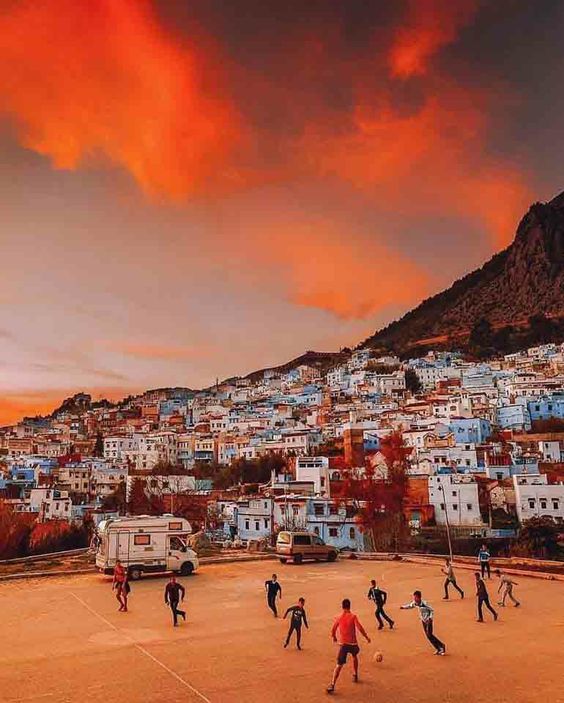
This cultural saturation creates a feedback loop of exposure and aspiration. Around half of all Brazilian children are kicking a ball by age three. The game is omnipresent – on television, in conversation, on every patch of open ground. For millions of boys, especially from less privileged backgrounds, it represents the clearest, most visible path to financial freedom. The dream isn’t abstract. They see the houses, the cars, the global fame of their idols. That dream translates into a raw, relentless hunger you can’t coach.
Football in Brazil functions as a social release valve. In a society with steep economic divides, the pitch is one of the few places where ability can, temporarily, eclipse social status. That possibility injects a unique, palpable urgency into the game.
The consequence is a bottomless well of intrinsic motivation. Kids aren’t playing because a parent signed them up for a league. They’re playing because it’s the language they speak and the door they hope to walk through. This cultural engine ensures the talent pool isn’t just large; it’s desperately passionate. It’s the first and most critical pillar.
TL;DR: Soccer is Brazil’s cultural core and primary social elevator, creating a massive, hyper-motivated talent pool from infancy.
The Futsal Forge: Where Technique is Born
Forget the beach for a second. The real technical boot camp happens indoors. Futsal – the five-a-side indoor variant played with a smaller, heavier ball – is the mandatory apprenticeship for virtually every Brazilian great. Pelé, Ronaldo, Ronaldinho, Neymar – their first touches were honed on the hardcourt, not the grass.
The game’s constraints are its genius. A smaller, denser ball demands a softer touch. A cramped court eliminates time and space, forcing players to think and execute in fractions of a second. Dribbling becomes about micro-touches and sudden shifts of balance, not long sprints. You learn to protect the ball with your body, to pass with precision, to shoot with accuracy because there’s no room for error.
Common mistake: Skipping futsal for full-sized pitches too early — it builds a technical ceiling. Players who transition at 14 instead of 10 often lack the same intimate, instinctive ball control under pressure.
The translation to the outdoor game is almost unfair. A player who has mastered control in a 20×40 meter gymnasium finds the expanse of a full pitch liberating. The skills become automatic. The famous “ginga” – the sway, the feint, the improvisation – isn’t just flair. It’s a survival skill developed in a crowded, chaotic environment where the straight path is blocked. This philosophy of navigating tight spaces, as noted in analyses from BrazilCore, reflects a broader cultural trait of finding creative solutions in a complex society. The futsal court is where that instinct is coded into muscle memory.
| Futsal Skill | Translation to Soccer | Brazilian Legend Who Excelled At It |
|---|---|---|
| Close control in tight spaces | Beating defenders in crowded penalty areas | Ronaldinho |
| Quick one-touch passing | Fast, triangulating build-up play | Kaká |
| Shooting with little backlift | Deceptive, powerful finishes | Ronaldo |
| Improvisation under pressure | The “ginga” and unexpected dribbles | Garrincha |
TL;DR: Futsal’s small spaces and heavy ball forge the technical precision, quick thinking, and improvisation that define the Brazilian style.
The Academy Machine: Scouting and Polishing Diamonds
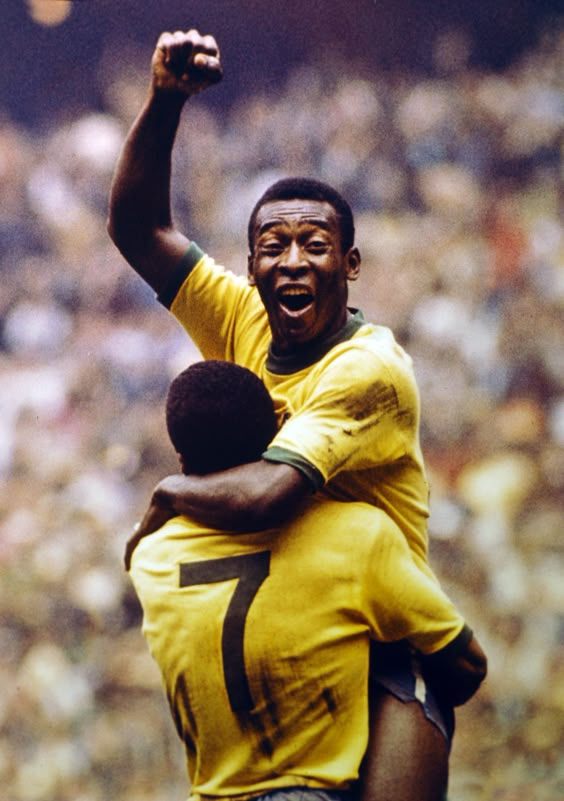
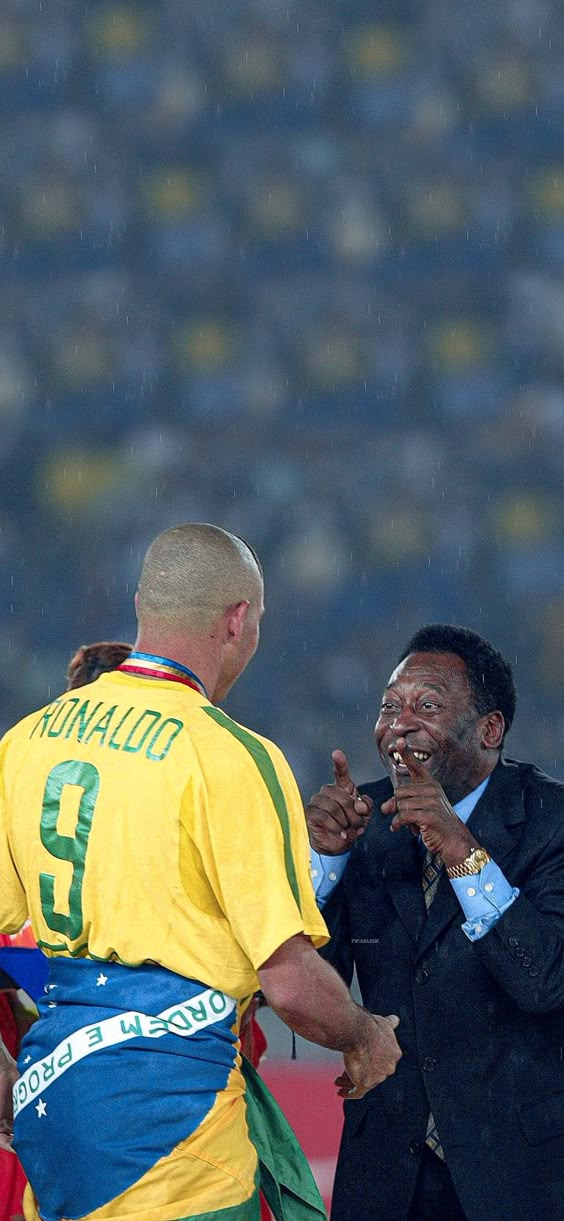
The romantic image is a kid from the favelas dribbling through makeshift goals on the street. That’s the origin story, not the full production line. The modern Brazilian star is a product of a ruthless, industrialized academy system run by clubs like São Paulo, Flamengo, Santos, and Cruzeiro. These are not pay-to-play academies. They are free, full-time football schools that scour the country for talent as young as eight years old.
The scale is immense. With a population over 214 million, the raw numbers game favors Brazil. The academies turn that potential into a pipeline. They identify technical prodigies – the small, agile kids with magical feet – and immerse them in a hyper-competitive environment. Thousands enter; a handful graduate to professional contracts. The system prioritizes skill and creativity over pure physicality at the youth level, a key differentiator from models in Europe or the United States.
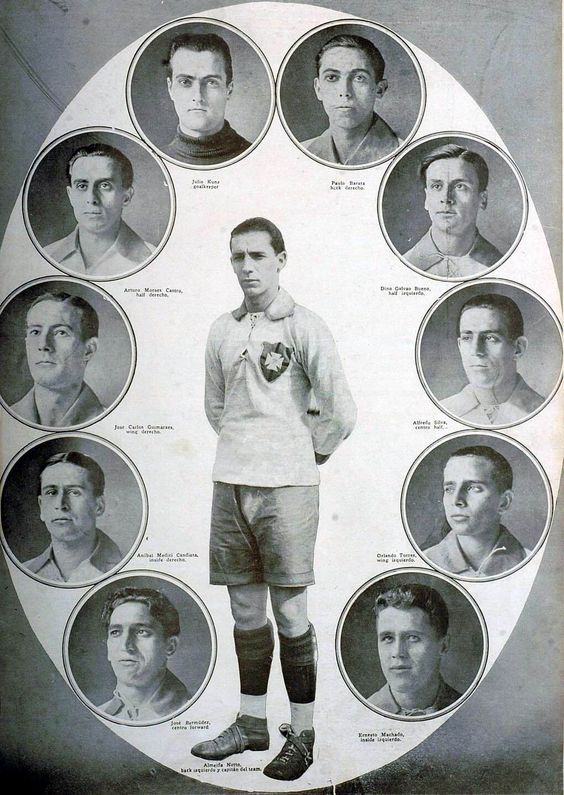
This process of identifying and refining talent is a global obsession, similar to the pathways that define entry into elite competitions like the Champions League qualification. The intensity of that domestic competition, where every match is a trial, prepares young Brazilians for high-stakes environments early. The dream of reaching a top European club, the pinnacle of the continental club football pyramid, fuels the entire machine. It’s a funnel with a very narrow, very lucrative outlet.
I’ve seen the intensity at youth tournaments in South America. The pressure on a 14-year-old playing for his club’s future, and by extension his family’s future, is something you can feel in the air. It’s not just a game. It’s an audition for a life-altering contract. That environment doesn’t create players who fold under pressure. It creates warriors with silky skills.
Tactical Evolution: Beauty with a Pragmatic Edge
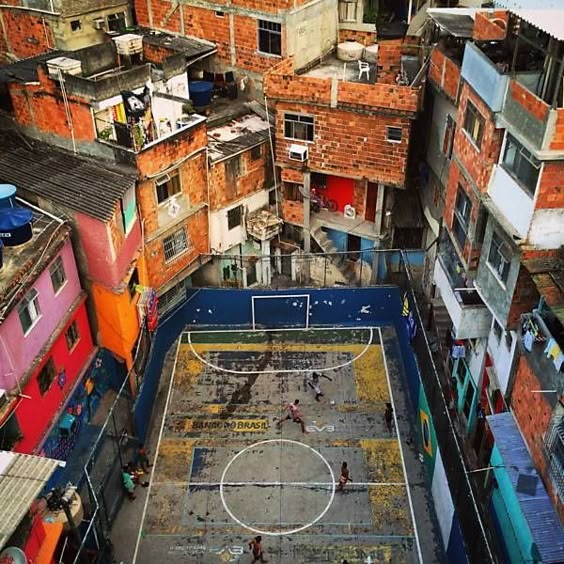
The stereotype is of a team that only cares about attacking, about “Jogo Bonito” (The Beautiful Game). The record, however, tells a story of sophisticated tactical innovation. Brazil didn’t win five World Cups on flair alone. Their first World Cup victory in 1958 wasn’t just about Garrincha and Pelé’s genius; it was about manager Vicente Feola implementing a 4-2-4 formation that balanced defensive solidity with devastating wing play.
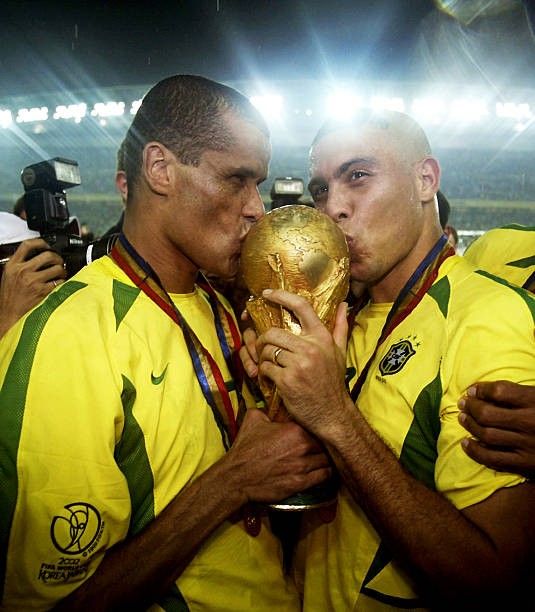
They were early adopters. While Europe clung to rigid WM formations or direct play, Brazil in the 1930s was already developing a more fluid, passing-oriented style. They invented the 4-2-4, then the 4-3-3, always with attacking full-backs – a tactical novelty that became their trademark. This willingness to innovate created a style that was uniquely Brazilian: aesthetically thrilling but built on a sound structural foundation.
The most successful Brazilian teams master this balance. The 1970 team, often called the greatest ever, possessed magical individuals but also incredible tactical discipline and fitness. The 2002 World Cup-winning side had the “Three R’s” (Ronaldo, Rivaldo, Ronaldinho) but was anchored by Gilberto Silva and anchored by a miserly defense that conceded only four goals in seven matches. The idea that Brazil is defensively naive is a myth perpetuated by their occasional, and memorable, failures when the balance tips too far toward individualism.
I used to think Brazilian football was just about the samba rhythm and spontaneous genius. Watching them dismantle Germany in the 2002 final changed that. It was a surgical, controlled performance. The beauty was in the efficiency.
This evolution continues. The modern Seleção incorporates high-pressing triggers and structured build-up from the European game, but the DNA of improvisation remains. They learn from the globalized international soccer tournament landscape, adapting without losing their soul. This pragmatic adaptation of their core philosophy is what sustains their challenge in every FIFA World Cup cycle.
The Legends and the Global Stage
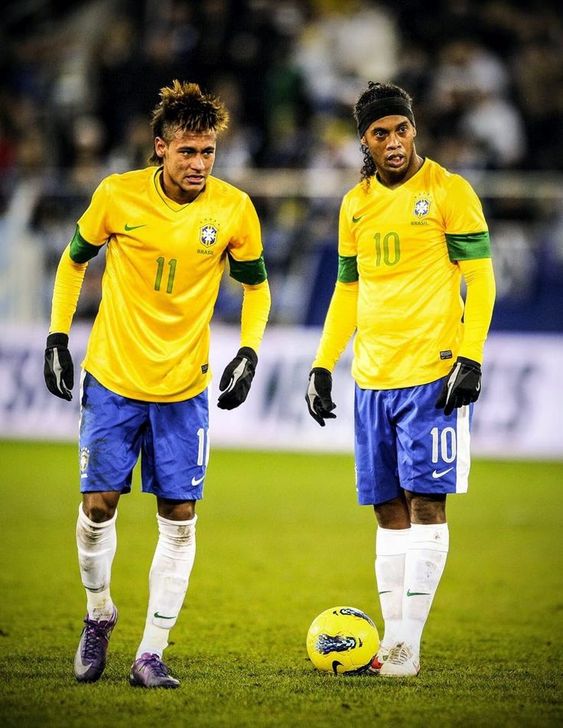
The system exists to produce icons. The names are a testament to its success across eras: Pelé (the king), Garrincha (the dribbling wizard), Zico (the white Pelé), Romário, Ronaldo (the phenomenon), Ronaldinho (the smile), Kaká, and now Neymar. Each represents a different facet of the Brazilian football ideal – clinical finishing, unstoppable dribbling, visionary passing, audacious flair.
These players didn’t just dominate domestically. Since the 1970s, there has been a massive exodus of talent to Europe’s richest leagues. This “brain drain” was initially seen as a weakness. It turned into a colossal strength. Playing week-in, week-out against different styles in England, Spain, Italy, and Germany hardened Brazilian players. They absorbed tactical discipline, physical rigor, and professional habits without shedding their technical superiority.
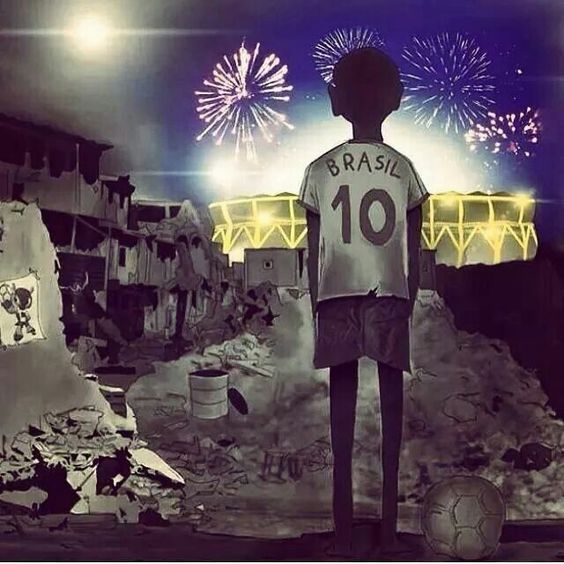
The result is the complete modern footballer: a creative Brazilian talent with European tactical intelligence. This globalized player then returns to the national team, raising the overall level. The constant exposure to the highest levels of continental club football means the Brazilian national team is never starting from scratch. They are a collection of stars already battle-tested in the UEFA tournament pathways. This integration into the global game is the final piece of the puzzle, ensuring the national team’s philosophy is constantly stress-tested and refined.
When you watch the upcoming 2026 World Cup, look for this synthesis. The young Brazilian players will have the ginga, the futsal-honed touch, and the academy polish. But they will also execute a coordinated press and a defensive shape their predecessors might not recognize. That’s the machine evolving in real time.
Frequently Asked Questions
Who is the best Brazilian soccer player of all time?
The debate centers on Pelé and, for modern fans, Ronaldo. Pelé’s three World Cup wins and mythical status give him the historical edge for most. Ronaldo’s (the original) combination of power, speed, and clinical finishing at his peak, before injuries, represents the most complete striker the game has ever seen. It’s a choice between the symbol and the spectacle.
How does Brazil’s style differ from Argentina’s?
Both produce incredible technical players, but the philosophies diverge. Brazilian style (Jogo Bonito) prioritizes fluidity, improvisation, and individual flair within a team framework. The Argentine style, shaped by its own tough domestic league and embodied by Argentine soccer legends like Maradona and Messi, often emphasizes more grit, street-smart cunning, and a relentless competitive fury. You can see this contrast in the careers of modern soccer icon Lionel Messi and Brazilian counterparts like Neymar.
What is “Ginga” in Brazilian soccer?
Ginga is the quintessential Brazilian movement – a rhythmic, swaying motion used in dribbling, feints, and overall body control. It’s not a taught technique; it’s a cultural rhythm expressed through sport. It’s the hip swing that throws a defender off balance, the shoulder drop that promises a move one way before going the other. It’s the physical manifestation of improvisation.
How many World Cups has Brazil won?
Brazil has won the FIFA World Cup five times (1958, 1962, 1970, 1994, 2002), more than any other nation. This record is the ultimate validation of their system, proving their approach can triumph across different eras of the game, from the 24-team tournament participant numbers of 1994 to the upcoming 48-team global competition size in 2026.
Is Brazilian soccer declining?
The machine has sputtered but not broken. The lack of a World Cup win since 2002 stings, and European nations have systematized youth development. However, Brazil still produces a staggering volume of world-class talent. The challenge is no longer producing stars, but integrating them into a cohesive national team that can win the grueling World Cup group stage and the knockout rounds under immense pressure. The talent is there. The next step is the hardest.
The Bottom Line
Brazil’s soccer supremacy isn’t magic. It’s a cold, efficient system built on hot cultural passion. It takes a child’s dream, refines it on the futsal court, polishes it in a free academy, tempers it with tactical wisdom, and exports it to the world’s toughest leagues. The system feeds itself: every legend inspires the next generation, every trophy validates the method.
The rest of the world has copied parts – the futsal, the academies, the scouting. But no one has replicated the entire ecosystem, where the sport is both a national religion and a personal lifeline. That’s why, when you ask why Brazil is so good, the answer is never just one thing. It’s the unbreakable combination of all five pillars, working together to turn a nation’s identity into a dynasty.
I come from the “soccer heart” of Germany, the Ruhrpott. I have played, trained and followed soccer all my life and am a big fan of FC Schalke 04. I also enjoy following international soccer extensively.