World Cup 2026: Schedule, Teams, Host Cities & How to Watch
The 2026 FIFA World Cup is a 48-team tournament hosted across 16 cities in Canada, Mexico, and the United States from June 11 to July 19, 2026. It features a new format with 12 groups, a Round of 32 knockout stage, and 104 total matches, concluding with the final at MetLife Stadium in New Jersey.
Most previews list the dates and cities, then stop. They miss the real story, the physical toll on players traveling continent-wide, the logistical puzzle for fans trying to attend, and the genuine political controversy simmering beneath the surface. This isn’t just a bigger World Cup; it’s a stress test for the sport’s global model.
This guide cuts through the brochure. You’ll get the essential schedule, the confirmed teams, and the new rules. More importantly, you’ll see the travel distances that will break tired legs, the time-zone math that ruins sleep schedules, and the honest talk about who can actually win this sprawling, unprecedented event.
Key Takeaways
- The tournament expands to 48 teams and 104 matches, adding a Round of 32 and extending the knockout stage.
- Travel is the hidden opponent. Teams in the final could log over 10,000 air miles crisscrossing North America.
- Broadcast coverage is split: every game streams on Peacock in the U.S., with Telemundo and Universo handling Spanish-language TV.
- A record $727 million prize pool is on the line, with $50 million going to the champion.
- Political and safety concerns, highlighted in discussions on platforms like Reddit, add a complex, real-world backdrop absent from official promotions.
What is the 2026 World Cup Schedule?
The 2026 World Cup schedule runs for 39 days, from June 11 to July 19. It’s the longest World Cup in history, a direct result of the new expanded 48-team format. The group stage kicks off on June 11 at Mexico City’s Estadio Azteca and concludes on July 2. The knockout phase then begins not with 16, but with 32 teams.
The 2026 FIFA World Cup features 104 matches over 39 days. The group stage comprises 72 matches across 12 groups of four teams, followed by a 32-match knockout stage starting with a Round of 32. Match days are structured with up to four games per day during the group phase, utilizing 13 distinct kick-off time slots across Eastern, Central, Mountain, and Pacific time zones.
The final group games are not played simultaneously. FIFA has staggered them to maximize television audiences across global time zones. This creates a potential sporting integrity issue, teams in the same group could know exactly what result they need from their final match based on earlier outcomes.
TL;DR: The tournament is 39 days long. The group stage ends July 2, followed immediately by the new Round of 32. Final group matches are staggered, not simultaneous.
Which Teams Have Qualified for the 2026 World Cup?
As of now, 41 of the 48 slots are filled. The three host nations. Canada, Mexico, and the United States, qualified automatically. The rest have come through their continental qualifying tournaments.
The field includes all the usual giants: defending champion Argentina, France, England, Spain, and Brazil. The real intrigue lies in the debutants. Uzbekistan, Jordan, Cape Verde, and Curacao will play on this stage for the first time. Their inclusion is the whole point of the expansion.
| Confederation | Qualified Teams (Highlights) |
|---|---|
| AFC (Asia) | Japan, South Korea, Saudi Arabia, Iran, Australia, Qatar, Uzbekistan (debut), Jordan (debut) |
| CAF (Africa) | Morocco, Senegal, Egypt, Cape Verde (debut), Algeria, Ivory Coast, Ghana, Tunisia, South Africa |
| CONCACAF | USA (host), Mexico (host), Canada (host), Panama, Haiti, Curacao (debut) |
| CONMEBOL | Argentina, Brazil, Uruguay, Colombia, Ecuador, Paraguay |
| OFC | New Zealand |
| UEFA (Europe) | Spain, France, England, Germany, Portugal, Netherlands, Belgium, Croatia, Switzerland, Scotland, Norway, Austria |
Seven spots remain. They will be decided through inter-confederation playoffs in March 2026. This late qualification adds another layer of frantic preparation for the teams that make it.
The expanded field means we see nations that have long been on the cusp. It also dilutes the group stage. The gap in quality between a top seed and a fourth-placed team in a four-team group will be more pronounced than ever.
Where Are the 2026 World Cup Host Cities and Stadiums?
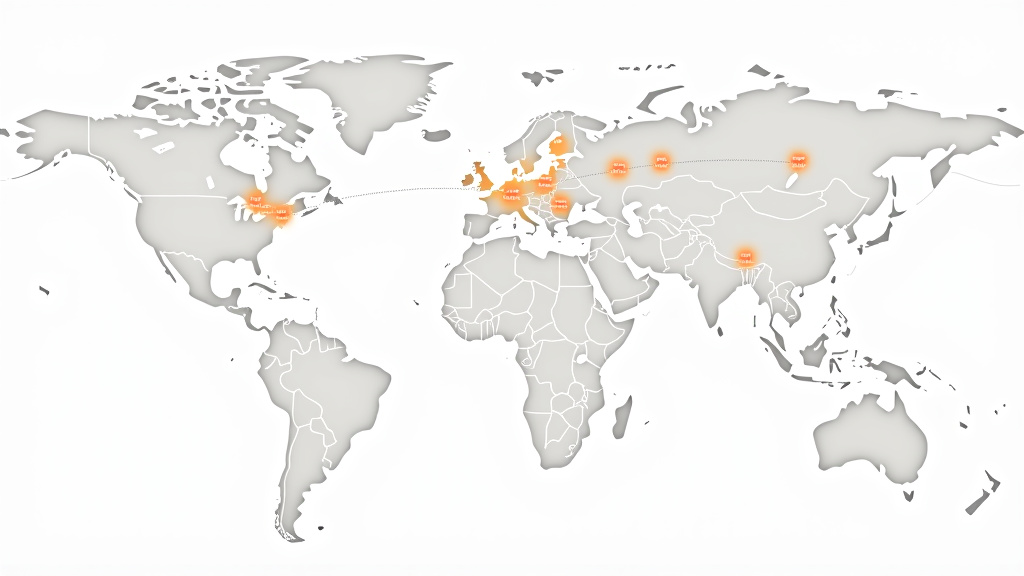
Sixteen cities are split across three nations. Eleven are in the United States, three in Mexico, and two in Canada. This isn’t a compact tournament like Germany 2006. It’s a continent-wide trek.
The stadiums are a mix of modern NFL cathedrals and historic soccer venues. The opener is at the iconic Estadio Azteca in Mexico City, the first stadium to host three World Cup finals. The final will be at the 82,500-seat MetLife Stadium in East Rutherford, New Jersey, a venue built for American football.
Here’s the complete list, which reveals the travel challenge:
- Arlington, Texas: AT&T Stadium (Dallas Cowboys)
- Atlanta, Georgia: Mercedes-Benz Stadium (Atlanta Falcons)
- East Rutherford, New Jersey: MetLife Stadium (New York Jets/Giants) – FINAL
- Foxborough, Massachusetts: Gillette Stadium (New England Patriots)
- Houston, Texas: NRG Stadium (Houston Texans)
- Inglewood, California: SoFi Stadium (Los Angeles Rams/Chargers)
- Kansas City, Missouri: GEHA Field at Arrowhead Stadium (Kansas City Chiefs)
- Miami Gardens, Florida: Hard Rock Stadium (Miami Dolphins)
- Philadelphia, Pennsylvania: Lincoln Financial Field (Philadelphia Eagles)
- Santa Clara, California: Levi’s Stadium (San Francisco 49ers)
- Seattle, Washington: Lumen Field (Seattle Seahawks)
- Guadalajara (Zapopan), Mexico: Estadio Akron (Club Deportivo Guadalajara)
- Mexico City, Mexico: Estadio Azteca (Club América) – OPENER
- Monterrey (Guadalupe), Mexico: Estadio BBVA (CF Monterrey)
- Toronto, Canada: BMO Field (Toronto FC)
- Vancouver, Canada: BC Place (Vancouver Whitecaps)
Common mistake: Underestimating travel distances. A team based in Vancouver for the group stage that advances to a knockout match in Miami faces a 2,700-mile (4,350 km) flight, a five-hour time zone change. Do that twice in a week and performance drops.
TL;DR: Games are in 16 cities from Vancouver to Miami. The opener is at Mexico City’s Estadio Azteca; the final is at New Jersey’s MetLife Stadium. Cross-continent travel will be a major factor.
What is the New 2026 World Cup Format?
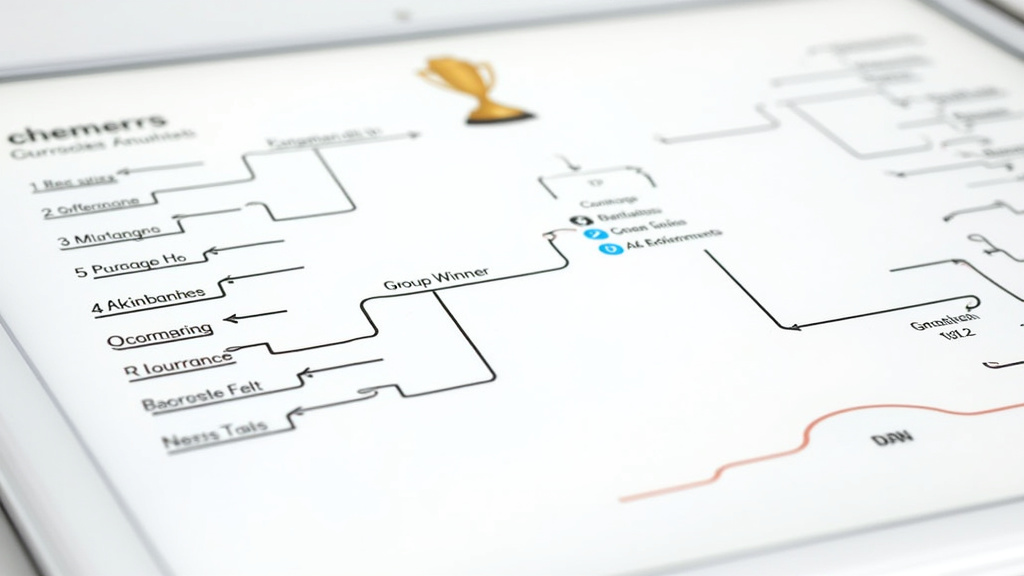
The format is the biggest change since 1998. Ditch the old 32-team model. The 2026 FIFA World Cup format starts with 12 groups of four teams. The top two from each group advance automatically. That’s 24 teams. Then, the eight best third-place teams also qualify for the knockout stage. This brings the total to 32.
This means the knockout stage begins with a Round of 32. It’s an extra round that adds three more matches for the finalists. A team that goes all the way will play eight games, not seven. The physical demand is unprecedented in the modern era.
The new tournament group phase has a subtle strategic shift. Finishing first in your group is less about avoiding a specific strong opponent in the next round, the bracket is too big and unpredictable. It’s more about securing a geographically favorable venue for your Round of 32 match to minimize travel.
The knockout stage then proceeds as follows:
1. Round of 32 (June 28 – July 3)
2. Round of 16 (July 4 – July 7)
3. Quarterfinals (July 9 – July 11)
4. Semifinals (July 14 & 15)
5. Third-Place Match (July 18)
6. Final (July 19)
If knockout matches are tied after 90 minutes, they will proceed to World Cup extra time, two 15-minute periods, followed by penalties if necessary.
How Can You Watch the 2026 World Cup?
The broadcast rights in the United States are held by NBCUniversal, Fox, and Telemundo under a complex partnership. For viewers, the breakdown is straightforward.
- Streaming: Every single one of the 104 matches will be available to stream on Peacock (with Spanish-language commentary via the ‘Peacock En Español’ feed).
- Spanish-Language TV: Telemundo will broadcast 92 matches, and its sister network Universo will air the remaining 12.
- English-Language TV: Fox holds the rights for English-language television broadcasts. Specific channel details and coverage plans are still being finalized.
Outside the United States, broadcast rights are held by the usual partners: the BBC and ITV in the United Kingdom, ARD and ZDF in Germany, and so on. The global audience is expected to shatter records, surpassing the estimated 5 billion cumulative viewers for the 2022 tournament.
The match schedule, with its 13 different kick-off times, is designed to create a near-constant flow of games for global TV. A fan in Europe could watch a lunchtime match from the East Coast, an evening match from the West Coast, and a late-night match from the Mountain time zone.
Who Are the Favorites to Win in 2026?
The favorites are the teams with the deepest squads. This tournament will be won in the physio room as much as on the pitch. Spain, the reigning European champion, plays a possession style that can control games and conserve energy. France has a generational talent pool that allows for rotation without a drop in quality.
Argentina, the defending champion, will be led by a 38-year-old Lionel Messi if he chooses to participate. Their fight and tactical discipline are unmatched, but the core of their 2022-winning team will be four years older. The sheer physical grind of the eight-match path works against them.
I’ve followed tournaments where travel fatigue decided a semifinal. At the 1994 World Cup in the USA, Italy looked dead on their feet in the Pasadena heat after crisscrossing the country. The 2026 distances are longer, the climate zones more varied. The favorite isn’t the most talented team, it’s the one with the best sports science department and the willingness to rotate.
Look at the underdogs. A team like Morocco, with a cohesive, athletic squad and less pressure, could replicate their 2022 semifinal run. Japan’s high-intensity, disciplined system can frustrate anyone on a single day. Norway, with Erling Haaland, finally has the striker to punish tired defenses in the knockout stages.
The dark horse is a nation used to long domestic travel. Australia or the United States could find the logistical hurdle less daunting than European or South American sides.
What is the Prize Money for the 2026 World Cup?
The total prize pool is a record $727 million, a significant jump from the $440 million in 2022. FIFA’s revenue from the expanded tournament finances this. The payouts are structured to reward performance at every stage.
- Champion: $50 million
- Runner-up: $33 million
- Third Place: $25 million
- Fourth Place: $22 million
Even teams eliminated in the group stage will receive $10.5 million for participation, up from $9 million in 2022. This money is a lifeline for smaller federations. For a nation like Cape Verde, that participation fee can fund its entire football development program for years.
The prize money reflects the commercial scale of the event. It also increases the stakes for every match. Finishing third in your group and sneaking into the knockout stage could mean an extra $5-10 million in federation revenue compared to going home early.
What Are the Biggest Controversies and Challenges?
The official guides won’t mention this, but the 2026 World Cup faces real-world headwinds. On forums like Reddit, fans and journalists point to the political climate in the United States. Discussions highlight concerns about federal immigration policies potentially affecting fans from qualified nations and the use of the event for political messaging.
The logistical challenge is immense. FIFA has to coordinate security, transportation, and fan zones across three countries with different laws and infrastructure. A fan with tickets to matches in Vancouver, Kansas City, and Atlanta is looking at a trip of over 4,000 miles.
For the players, the 2026 soccer tactics will emphasize squad rotation and low-energy defensive shapes. Coaches who try to press high for 90 minutes across an eight-game tournament will see their teams collapse by the quarterfinals. The physical specifications of the pitch remain standard, but the grass in hybrid NFL stadiums, the summer heat in Texas or Miami, and the altitude in Mexico City become exaggerated factors when players are fatigued.
Finally, ticketing. With high demand and a finite number of seats in non-soccer-specific stadiums, getting tickets for the big matches will be fiercely competitive and expensive. The secondary market will be chaotic.
Frequently Asked Questions
When do 2026 World Cup tickets go on sale?
FIFA has not announced the ticket sales timeline. Based on previous cycles, expect a first-come-first-served lottery for the general public to open in late 2025. Hospitality packages will likely go on sale earlier, through FIFA’s official partners.
Will Lionel Messi play in the 2026 World Cup?
He will be 38 years old. While he hasn’t officially retired from international football, his participation is highly uncertain. It would require his body to hold up through the 2025 club season and his desire to endure the grueling 2026 format. Most expect him to have retired by then.
How does the 48-team format affect the quality of the tournament?
It increases the number of less competitive matches in the group stage. However, it also provides unforgettable moments for debutant nations and their fans. The knockout stage, starting with 32 teams, should maintain high intensity, as the weaker third-place qualifiers are usually eliminated quickly.
What are the visa requirements for attending the 2026 World Cup?
This is a critical, unresolved issue. Fans will likely need visas for the specific host country (U.S., Canada, or Mexico) their match ticket is for. FIFA is negotiating with the three governments for streamlined processes, but no guarantees exist. Check official government travel advisories well in advance.
Why is the World Cup every four years?
The quadrennial event cycle is a tradition dating to the 1930s. It allows time for a global qualification process involving over 200 nations, gives host countries years to prepare infrastructure, and maintains the tournament’s prestige as a rare, special event.
Before You Go
The 2026 World Cup is a landmark event. It’s bigger in every way: more teams, more games, more cities, more money. The new format with its Round of 32 creates a marathon knockout stage where squad depth and travel management might outweigh individual brilliance.
Remember the scale. Following your team could mean tracking games across four time zones. The eventual champion will have survived a unique test of endurance. Look beyond the favorite’s talent; watch their travel schedule and their coach’s rotation policy.
Keep an eye on the debutants, their first World Cup goal will be a historic moment. And start planning early if you want to attend. Navigating visas, tickets, and cross-border travel for this three-nation spectacle will be a project in itself. The football will be compelling, but the story of 2026 will be written as much in airport lounges as on the pitch.
I come from the “soccer heart” of Germany, the Ruhrpott. I have played, trained and followed soccer all my life and am a big fan of FC Schalke 04. I also enjoy following international soccer extensively.