Portugal World Cup History & Record: Stats & Golden Eras
Portugal’s World Cup history and record spans eight tournament appearances, with their best finish being third place in 1966. They have played 35 matches, winning 15, drawing 9, and losing 11, scoring 49 goals and conceding 35. The narrative is defined by two golden eras: the 1966 breakthrough led by Eusebio and the consistent modern era anchored by Cristiano Ronaldo.
Most summaries stop at those numbers. They miss the 20-year gap between heroics, the specific tactical shifts that unlocked their best runs, and the precise moment their mentality changed from hopeful participants to title contenders. The story isn’t just about appearances; it’s about a nation oscillating between long droughts and spectacular, concentrated bursts of world-class talent.
This guide breaks down Portugal’s tournament journey year by year. You’ll see the stats, the stars, the near-misses, and the evolving identity of the Seleção das Quinas on the world’s biggest stage.
Key Takeaways
- Portugal’s best World Cup finish is third place, achieved in their debut 1966 tournament behind Eusebio’s 9-goal Golden Boot performance.
- A 20-year qualification gap followed 1966, missing four straight World Cups (1970, 1974, 1978, 1982) despite strong Benfica and Sporting clubs.
- The “Golden Generation” with Luís Figo peaked at the 2006 semi-finals, losing 1-0 to France in a match defined by a Zinedine Zidane penalty.
- The Cristiano Ronaldo era (2006–present) guarantees qualification and at least a round-of-16 finish, but hasn’t matched the 1966 or 2006 peaks.
- Portugal’s historical identity has shifted from plucky overachievers to consistent contenders, yet they remain without a final appearance.
The 1966 Breakthrough: Eusebio’s Golden Boot
Before 1966, Portugal was a footballing footnote. Their qualification for the England tournament changed everything. The team, built around S.L. Benfica’s European Cup-winning core, played with a fusion of technical flair and physical power uncommon for the era.
The campaign turned on the legendary quarter-final against North Korea. Portugal conceded three goals in the first 25 minutes. The game looked finished. Then Eusebio happened. The “Black Panther” scored four goals—two from the penalty spot—in a shocking 5-3 comeback victory. His total of nine goals for the tournament secured the Golden Boot. A tight 2-1 semi-final loss to eventual champions England was followed by a 2-1 win over the Soviet Union in the third-place playoff.
Eusebio da Silva Ferreira scored nine goals for Portugal at the 1966 FIFA World Cup in England, winning the Golden Boot award. His four-goal performance in the 5-3 quarter-final victory over North Korea remains one of the most iconic individual displays in tournament history, dragging Portugal back from a 3-0 deficit.
That team set a ridiculously high bar. The tactical setup was a direct, attacking 4-2-4, leveraging Eusebio’s explosive power from a withdrawn forward role. Expecting that level of immediate success created a psychological burden that lingered for decades. The nation assumed a golden era had begun. The federation did not build the necessary youth infrastructure to sustain it.
TL;DR: Eusebio’s nine goals and a third-place finish in 1966 created a legendary debut, but the lack of a systemic follow-up led to a 20-year World Cup drought.
The Long Drought: Missing the World Stage (1970–1986)
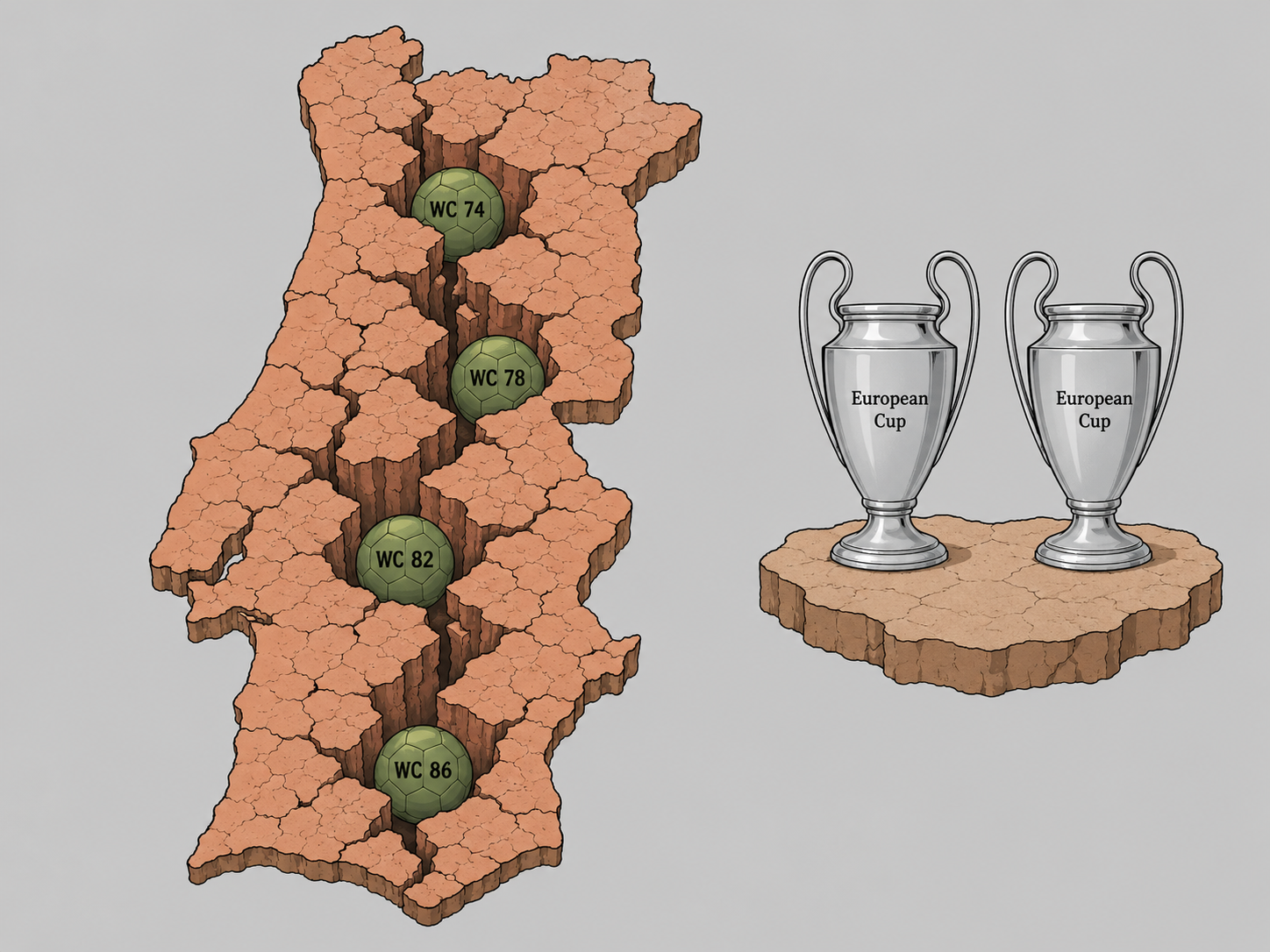
The two decades after 1966 are the baffling gap in Portugal’s World Cup history. This was not a period devoid of talent. Benfica and FC Porto reached European finals. The domestic league was strong. Yet the national team failed to qualify for four consecutive tournaments.
The reason was systemic. The success in 1966 was harvested from a single, exceptional club generation at Benfica. There was no coordinated national team project or youth pipeline. Club rivalries often spilled over into the national squad, fracturing cohesion. Coaching was inconsistent, and the federation lacked the modern scouting and development programs that neighbors like Spain were beginning to implement.
Common mistake: Assuming a golden generation automatically leads to sustained success — Portugal’s 20-year absence after 1966 proves that without institutional investment, a peak is just an isolated event.
Qualification campaigns during this period were marked by narrow, costly failures. A loss to Bulgaria here, a draw against Sweden there. The margins were fine, but the pattern was clear: the team lacked the tactical discipline and collective mental fortitude required for the grueling marathon of European qualification. It was a stark lesson. Talent alone isn’t enough. You need a solid defensive structure and a resilient team culture, elements later coaches would prioritize.
| Tournament | Qualification Outcome | Key Reason for Failure |
|---|---|---|
| 1970 | Failed in group stage | Loss to Romania, weak away form |
| 1974 | Failed in group stage | Finished behind Bulgaria |
| 1978 | Failed in group stage | Poor start, lost to Poland |
| 1982 | Failed in group stage | Goal difference behind USSR |
The Return and the “Golden Generation” (1986–2006)
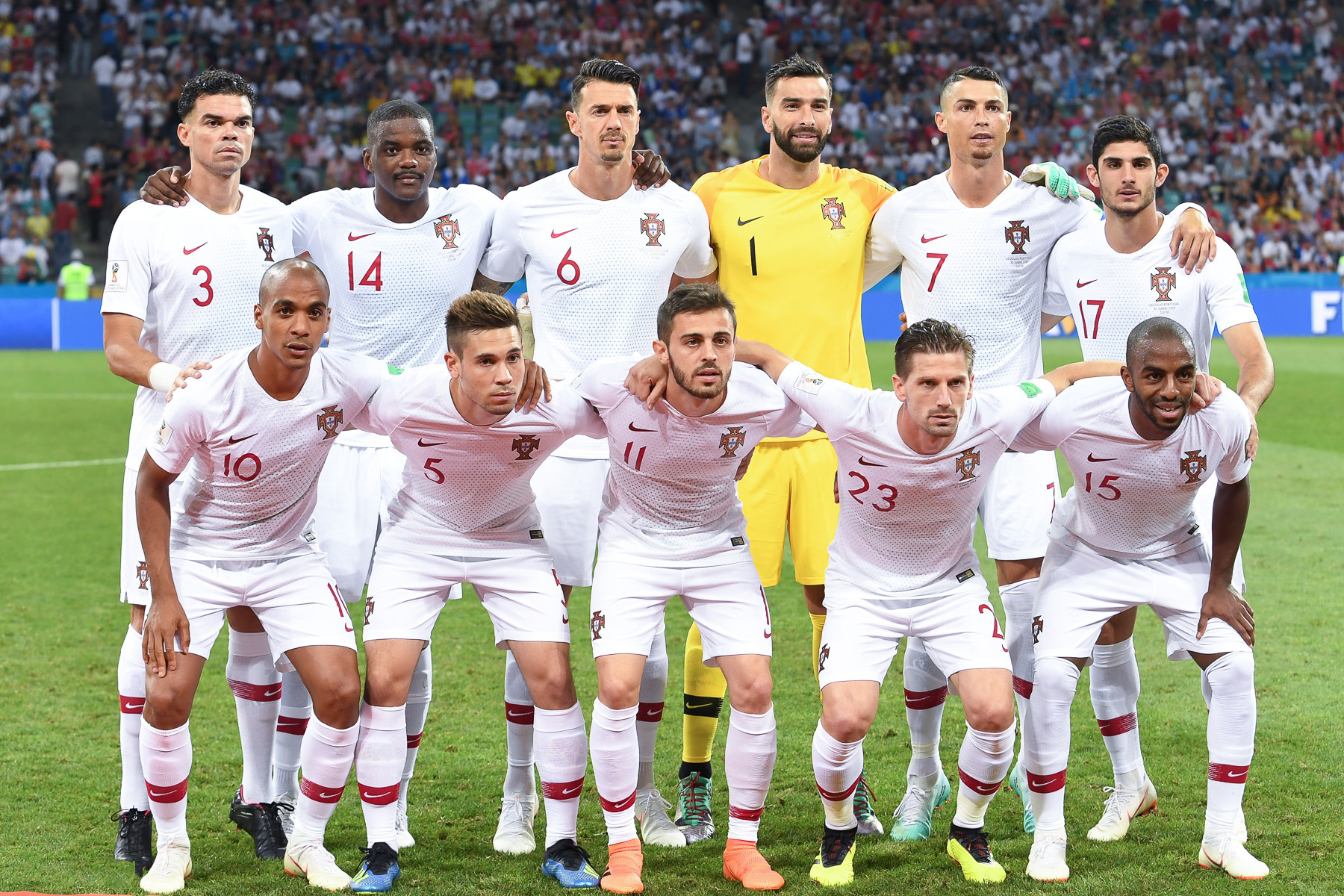
Photo: Анна Нэсси / Wikimedia Commons / CC BY-SA 3.0
Portugal finally returned to the World Cup in 1986, but it was a brief, forgettable appearance. They lost to England and Morocco, drew with Poland, and went home after the group stage. The real story began with the emergence of the “Golden Generation” – players like Luís Figo, Rui Costa, and Fernando Couto who won back-to-back FIFA World Youth Championships in 1989 and 1991.

The hype was immense. Their first major senior tournament was Euro 1996, but the World Cup stage remained elusive until 2002. That tournament in Korea/Japan was a disaster. A shock 3-2 loss to the United States was followed by a defeat to co-hosts South Korea, resulting in a group-stage exit. The problem was a mismatch of style and substance. The team was technically sublime but physically and tactically naive. They played a slow, possession-based game that was easily disrupted by high-pressing, athletic sides.
The correction came in 2006 under coach Luiz Felipe Scolari. He instilled toughness. He balanced the flair of Figo and Deco with the defensive grit of Costinha and Maniche. The team switched to a more pragmatic 4-2-3-1. The result was a deep run: wins over the Netherlands and England (on penalties) led to a semi-final against France.
That semi-final in Munich is a permanent scar. It was decided by a Zinedine Zidane penalty after a Ricardo Carvalho foul on Thierry Henry. Portugal created chances but lacked a clinical edge. The 1-0 loss, followed by a 3-1 defeat to Germany in the third-place playoff, felt like a missed destiny. This was the peak of the Portugal national football team historical overview – a talented squad finally molded into a tournament-hardened unit, falling one step short.
TL;DR: The “Golden Generation” overcame early tournament fragility under Scolari in 2006, using a pragmatic 4-2-3-1 to reach the semi-finals, where a single penalty decided their fate.
The Cristiano Ronaldo Era: Consistency and Glory
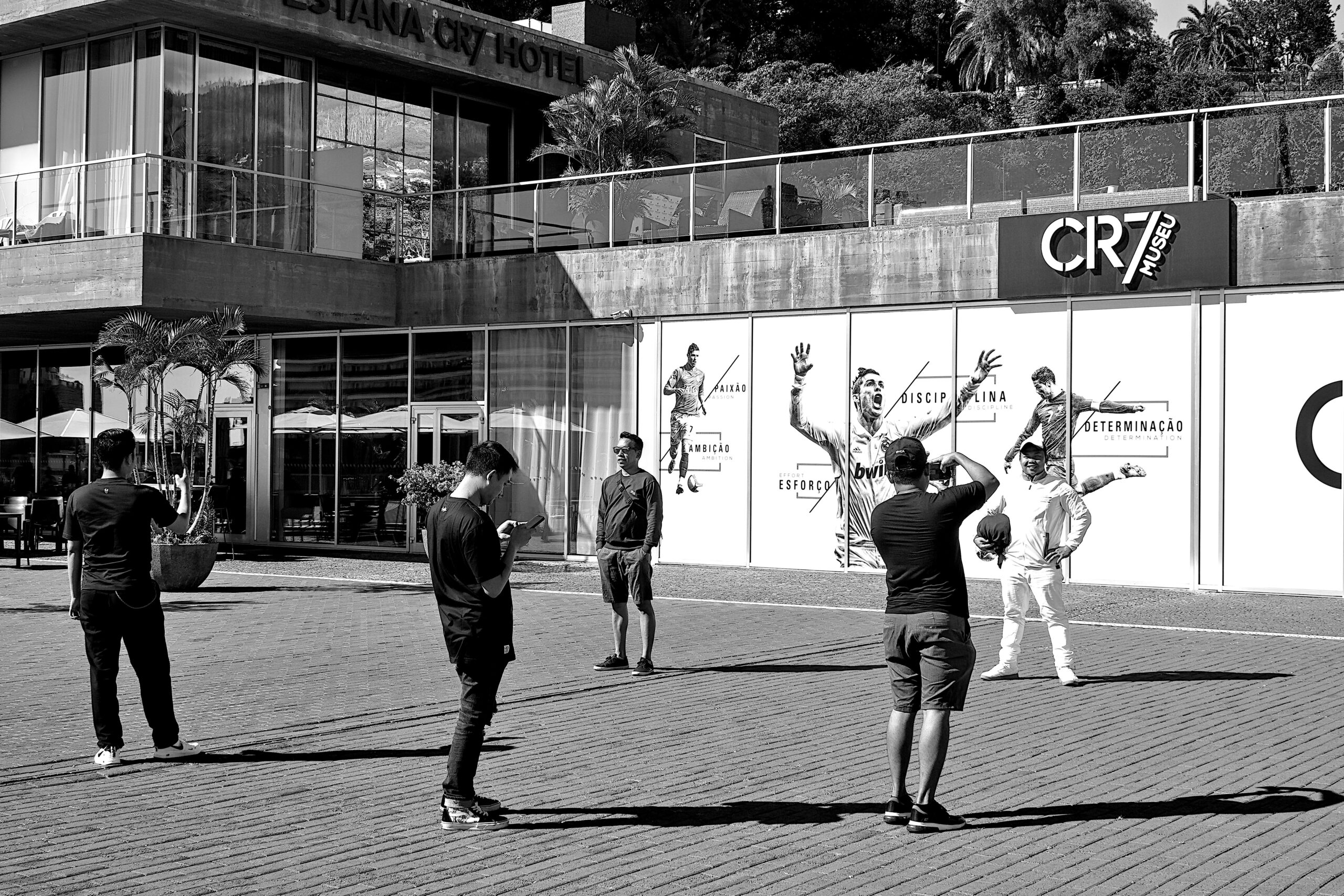
Photo: A Guy Named Nyal / Wikimedia Commons / CC BY-SA 2.0
The 2006 semi-final marked a transition. Luís Figo retired, and Cristiano Ronaldo ascended as the undisputed leader. This era, spanning from 2006 to the present, is defined by remarkable consistency but also by unmet ultimate expectations on the World Cup stage.
.jpg)
Portugal has qualified for every World Cup since 2006. The floor has been the round of 16. They achieved that in 2010 (loss to Spain), 2018 (loss to Uruguay), and 2022 (loss to Morocco). The 2014 campaign was a disaster, failing to advance from a group with Germany, the USA, and Ghana. The common thread in these exits has been a lack of attacking fluency against organized, defensive opponents. The team often looked overly reliant on Ronaldo for moment of magic, a strategy that works in qualifiers but gets neutralized in tournament knockouts.
The tactical approach under Fernando Santos, who led them to Euro 2016 glory, became famously pragmatic, even conservative. He often employed a defensive 5-3-2 formation or a 4-1-4-1, prioritizing defensive solidity and waiting for a counter-attack or set-piece opportunity. This brought them the European Championship and the UEFA Nations League title, but it arguably limited their ceiling at the World Cup, where you need to proactively break down elite defenses.
I backed Fernando Santos’s system for years because it delivered trophies. But watching the 2022 quarter-final against Morocco, a 1-0 loss where we had 73% possession and one shot on target, broke that faith. The safety-first approach had reached its limit. A new coach with a more progressive national team formation is now essential.
The legacy of this era is dual. On one hand, Portugal shed its historical inconsistency and became a permanent World Cup fixture. On the other, with arguably the greatest player in their history, they could not surpass the semi-final achievement of the 2006 squad. The search for the right tactical blend to support generational talents like Bernardo Silva and Bruno Fernandes continues.
What Is Portugal’s Overall World Cup Record?
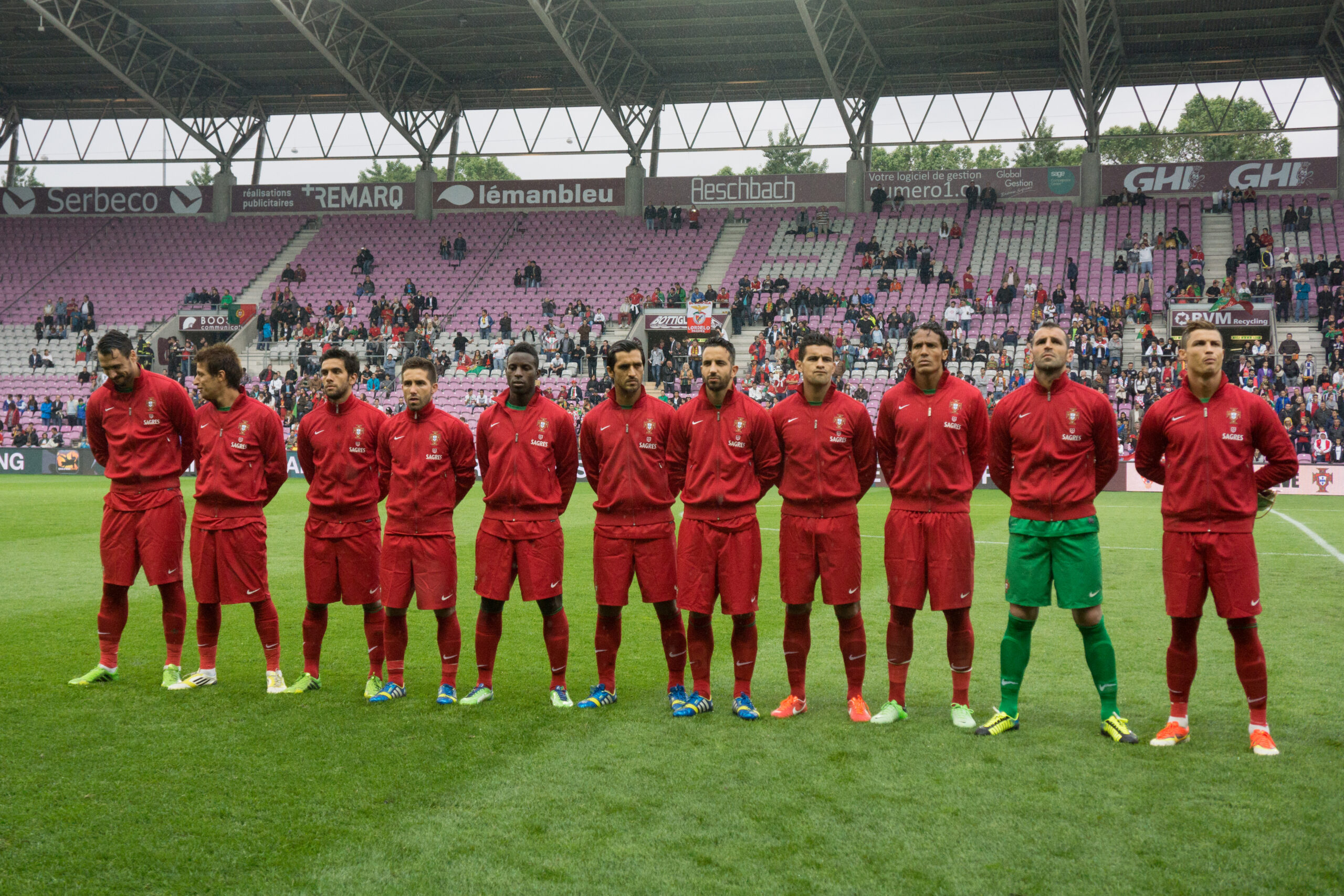
Photo: Fanny Schertzer / Wikimedia Commons / CC BY-SA 3.0
For a quick, scannable reference, here is Portugal’s complete tournament record. The numbers reveal a team that is difficult to beat but has a limited number of deep runs.

| Metric | Total | Notes |
|---|---|---|
| Appearances | 8 | (1966, 1986, 2002, 2006, 2010, 2014, 2018, 2022) |
| Matches Played | 35 | |
| Wins | 15 | 42.9% win rate |
| Draws | 9 | |
| Losses | 11 | |
| Goals Scored | 49 | Average: 1.4 per game |
| Goals Conceded | 35 | Average: 1.0 per game |
| Best Finish | Third Place | 1966 |
| Top Scorer (All-time) | Eusebio | 9 goals (all in 1966) |
| Top Scorer (Active) | Cristiano Ronaldo | 8 goals |
The record shows a team that is generally strong defensively (conceding just one goal per game on average) but not a prolific tournament scorer. Their historic World Cup overtimes have often been tense, low-scoring affairs, reflecting their tactical leanings. The gap between their third-place finish and their next best result (semi-finals in 2006) is 40 years, highlighting the erratic nature of their journey.
For the most detailed and updated statistical breakdown, the Wikipedia page on Portugal’s World Cup record remains the definitive source.
Portugal’s World Cup Legacy and Future
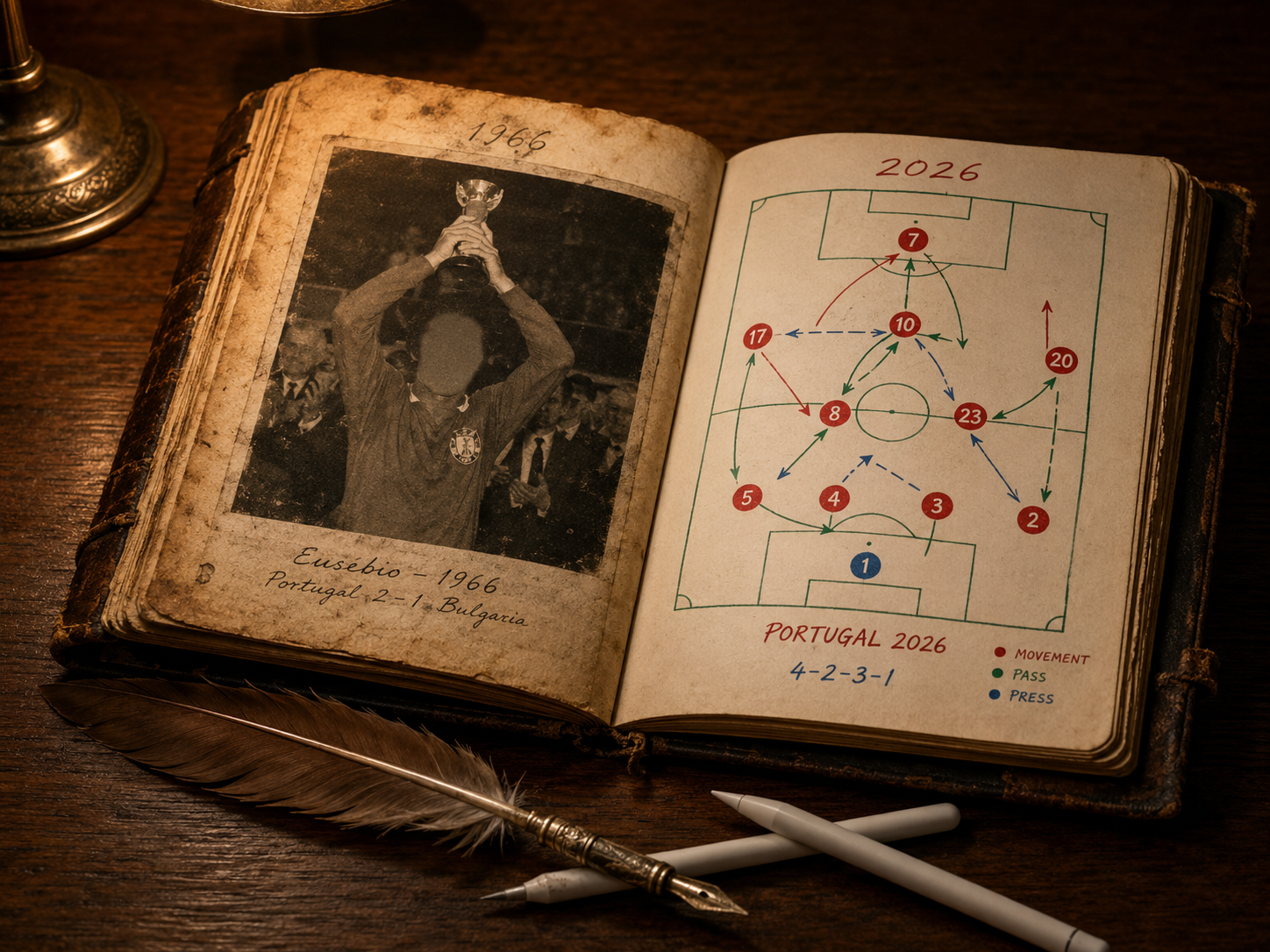
Portugal’s World Cup story is one of brilliant flashes separated by long shadows. They lack the relentless consistency of Germany or Brazil, but their peaks—1966 and 2006—are etched in tournament lore. Their identity has evolved from the free-scoring excitement of Eusebio’s era to the pragmatic, results-oriented machine of the Santos years.
The key question for the future, especially looking toward the 2026 tournament, is whether they can synthesize these eras. They possess a squad overflowing with technical talent across Europe’s top clubs. The new generation doesn’t carry the psychological burden of past failures. The challenge is tactical. Can they develop a proactive, controlling style that leverages players like Bernardo Silva, João Félix, and Rúben Dias to dominate games, rather than react to them?
Their group-stage draw and potential knockout path will always matter. But the core lesson from their history is that Portugal at their best are never an easy out. They have the stars to produce magic and, as 1966 and 2006 proved, the capacity to rally as a unit when it counts. The final step to a World Cup final remains the last, great frontier for a nation that has conquered Europe.
Frequently Asked Questions
Has Portugal ever won the FIFA World Cup?
No, Portugal has never won the FIFA World Cup. Their best finishes are third place in 1966 and fourth place in 2006. They have also never appeared in a World Cup final.
What was Portugal’s best World Cup result?
Portugal’s best World Cup result is third place, which they achieved in their first-ever appearance in 1966. They beat the Soviet Union 2-1 in the third-place playoff match after losing to England in the semi-finals.
How many times has Portugal qualified for the World Cup?
Portugal has qualified for the FIFA World Cup eight times: 1966, 1986, 2002, 2006, 2010, 2014, 2018, and 2022. There was a 20-year gap between their 1966 and 1986 appearances.
Who is Portugal’s all-time top scorer in the World Cup?
Eusebio is Portugal’s all-time top scorer at the World Cup with 9 goals, all scored during the 1966 tournament where he won the Golden Boot. Cristiano Ronaldo is the active leader with 8 goals across five tournaments.
Why didn’t Portugal qualify for the World Cup between 1966 and 1986?
Portugal failed to qualify for the 1970, 1974, 1978, and 1982 World Cups due to a combination of factors: lack of sustained investment in youth development after 1966, internal squad divisions stemming from club rivalries, and narrow failures in competitive European qualification groups.
How far did Portugal get in the 2022 World Cup?
Portugal reached the quarter-finals of the 2022 FIFA World Cup in Qatar. They won their group, beat Switzerland 6-1 in the round of 16, and were eliminated by Morocco 1-0 in the quarter-finals.
The Bottom Line
Portugal’s World Cup history is a tale of two distinct golden eras bookending a long fallow period. Eusebio’s 1966 heroics created a legend, while the Cristiano Ronaldo era established unwavering qualification consistency. The persistent gap is a World Cup final appearance. With the 2006 semi-final run as a blueprint and a new generation of talent now leading, the project for 2026 and beyond is clear: evolve the tactical approach to match the technical quality of the squad. The statistics show a solid, defensively sound tournament team. The future demands they become a dominant one.

I come from the “soccer heart” of Germany, the Ruhrpott. I have played, trained and followed soccer all my life and am a big fan of FC Schalke 04. I also enjoy following international soccer extensively.