Youngest World Cup Squads: Average Ages & Players to Watch
To identify the youngest squads for the 2026 FIFA World Cup, look at the projected average age of each 26-man roster. The youngest team is Côte d’Ivoire at 25.48 years, followed by Ecuador (25.62) and Algeria (25.67). Key players to watch include 17-year-old Gilberto Mota of Mexico and Spain’s 18-year-old phenom Lamine Yamal.
Most fans get this wrong by looking at squad announcements in May 2026 and counting a player’s age that day. That’s not how FIFA does it. The official age for every player on every “youngest” list is locked on the tournament’s opening day. June 11, 2026. A player who turns 20 on June 10 doesn’t make the cut. One who turns 20 on June 12 does. That single day changes everything.
This guide breaks down the youngest squads and the teenage talents who could define the expanded 48-team tournament. We’ll cover the statistical projections, the specific players who will still be teenagers, and why some coaches are gambling on youth while others, like Argentina, are leaning on a veteran core for one last run.
Key Takeaways
- Côte d’Ivoire leads the youth charge with a projected average squad age of just 25.48 years, featuring 17 players aged 25 or under.
- Age is calculated on opening day (June 11, 2026), not the squad announcement date. This makes 17-year-old Gilberto Mota (Mexico) the likely youngest participant.
- The 48-team format encourages youth inclusion. More matches mean coaches need deeper squads for rotation, creating spots for energetic, young impact substitutes.
- France is the youngest among the favorites. Ranked world #1, their projected average age of 26.31 years shows a perfect blend of elite talent and youthful legs.
- Pure youth is a gamble. Belgium’s decision to name their most inexperienced squad since 1998, with five uncapped players, immediately saw their tournament odds drift.
The Youngest Squads of the 2026 World Cup
Forget just naming a few young players. The real story is which federations are committing to an entire generation. Statistical projections using current player pools and expected call-ups point to a clear top three. Côte d’Ivoire isn’t just bringing a couple of kids, they’re projected to field a squad where two-thirds of the players are 25 or younger. Six of those will be 22 or under. That’s a systemic bet on an entire golden generation, not a token inclusion.
Ecuador and Algeria follow closely. Their models suggest similar philosophies: build around athletic, pressing-friendly players who can handle the grueling schedule of an expanded tournament. The United States, Iraq, and Japan are all tied at an average of 26 years flat. For the USMNT, that number represents a deliberate cycle-turning, moving on from the Pulisic/McKennie/Adams core that is now entering its late prime and integrating the next wave.
A squad’s average age is calculated by summing the ages of all 26 players on June 11, 2026, and dividing by 26. This single snapshot, mandated by FIFA for consistency, determines official rankings like “youngest squad.” Projections from sites like RotoWire simulate this final calculation using current player pools and expected selections.
The contrast with the oldest squads is stark. Colombia leads that list at nearly 30 years on average. Defending champion Argentina sits fifth-oldest at 28.91 years. The presence of 38-year-olds Lionel Messi and Nicolás Otamendi pulls that average up, but it speaks to a different strategy: proven tournament know-how over untapped potential. The last ten World Cup winners averaged 26.91 years, right between the youthful exuberance of Côte d’Ivoire and the veteran savvy of Argentina.
| Team | Projected Avg. Age | Youth Profile | Tournament Context |
|---|---|---|---|
| Côte d’Ivoire | 25.48 years | 17 players ≤25 years old | Lowest average; all-in on new generation |
| Ecuador | 25.62 years | High proportion of U23 players | Relies on athleticism for high-altitude matches |
| Algeria | 25.67 years | Fast, technical midfield core | Seeking to replicate 2014 World Cup success |
| United States | 26.00 years | Transition between cycles | Integrating new stars after 2026 home tournament |
| France | 26.31 years | Balanced with world-class experience | Youngest squad among top betting favorites |
TL;DR: Côte d’Ivoire, Ecuador, and Algeria project as the three youngest squads, all under 26 years average age, betting on athleticism for the 48-team marathon.
How Age Is Calculated for the 2026 World Cup
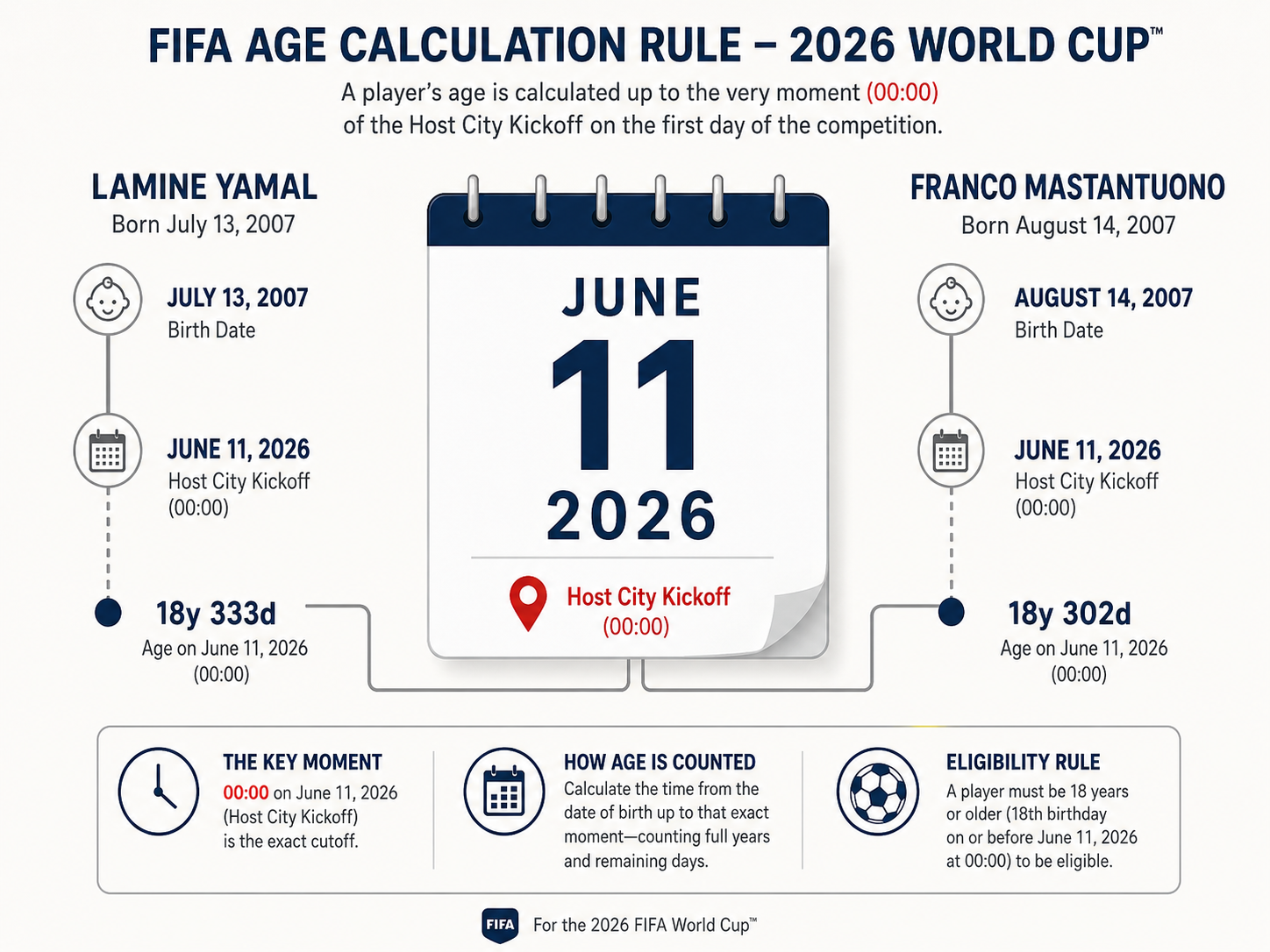
This is the rule that catches everyone. When you see a headline declaring “Youngest Player at the 2026 World Cup,” that age is not from the photo of the kid holding up his jersey at the squad announcement. It’s from a fixed point in time: 00:00 on June 11, 2026, in the host city of the opening match. FIFA’s standardization removes all ambiguity.
It means a player like Spain’ Lamine Yamal, born July 13, 2007, will be 18 years and 333 days old when the tournament kicks off. He’s a lock for every “youngest” list. Argentina’s Franco Mastantuono, born August 14, 2007, will be 18 years and 302 days old. The difference of a month is irrelevant. What matters is the year and the date falling before June 11.
Common mistake: Counting a player’s age at the squad reveal in May 2026, this can mislabel a player by almost a full year and completely skew “youngest player” rankings. Always recalibrate to June 11.
The scouting implication is huge. A national team coach isn’t just evaluating a 17-year-old in spring 2026. He’s evaluating what that player will be as an 18-year-old six weeks later, under the brightest lights. This timeline forces federations to fast-track prodigies into senior club minutes and international friendlies earlier than ever. You can’t trust a teenager in a World Cup if you haven’t seen him handle a senior league match in March. This pressure explains the early senior debuts we’re already seeing for talents like England’s Ethan Nwaneri.
The Youngest Players to Watch
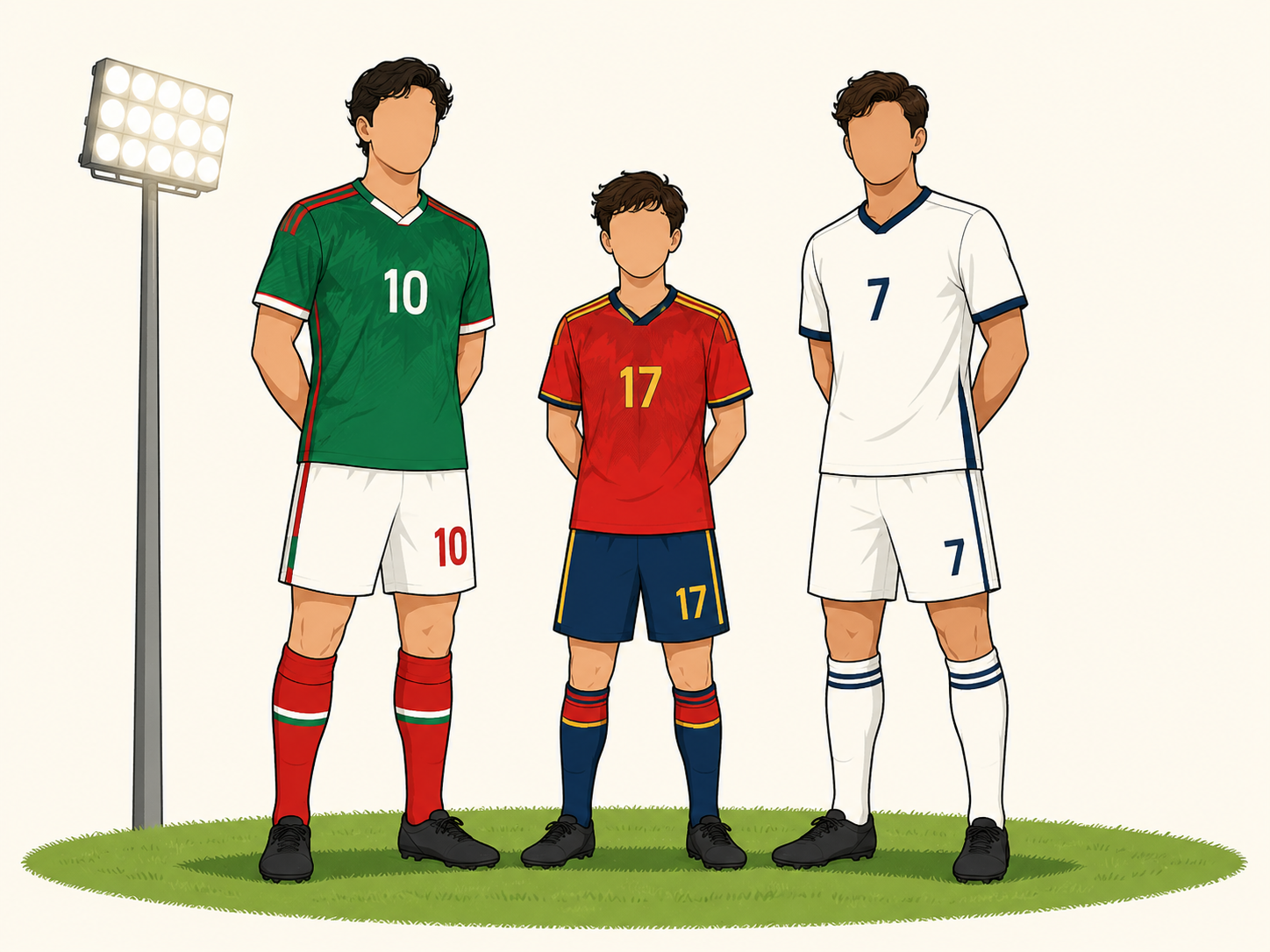
The list of teenagers who could grace the 2026 World Cup is a scout’s dream. It’s also a living document that will change with every injury and every manager’s whim up until the June 1 deadline. But some names are already etched in pen.
Mexico’s Gilberto Mota, born in 2009, is poised to be the tournament’s youngest participant at 17. He’s the headline, but the real depth is in the 18- and 19-year-olds who will be key contributors, not just mascots. Spain has two in this bracket: winger Lamine Yamal and center-back Pau Cubarsí. Their integration into the senior Spanish side is already underway, a clear soccer tactics guide for managing young talent at the highest level.
France’s Warren Zaïre-Emery (20 by 2026) and Portugal’s João Neves (21) are slightly older but represent the next tier: the young leaders. They play with a maturity that belies their birth certificates, often in central midfield roles that dictate tempo. Then there are the Brazilian jewels, Endrick and Estêvão, whose potential transfers will reach astronomical sums if they shine in North America. A strong World Cup can add €50 million to a teenager’s price tag overnight.
Here are the teenagers with the strongest chance to be on the plane, barring injury or a dramatic loss of form:
1. Lamine Yamal (Spain, 18): Already a starter for Barcelona and Spain. His dribbling and final ball are senior-level now.
2. Pau Cubarsí (Spain, 19): A center-back with the passing range of a midfielder. He’ll be a staple for club and country.
3. Warren Zaïre-Emery (France, 20): PSG’s midfield engine. He’ll be a veteran of multiple Champions League campaigns by 2026.
4. Endrick (Brazil, 19): The heir to Brazil’s number 9 shirt. His power and finishing are tailor-made for tournament knockout stages.
5. Kendry Páez (Ecuador, 19): The creative heartbeat for one of the youngest squads. All of Ecuador’s attacks will flow through him.
This focus on youth isn’t new, but its scale is. For historical context, look at the career arcs of legends. The early development of stars like Cristiano Ronaldo shows how early exposure shapes a career. Today’s teens are on a faster track.
Why Coaches Are Betting on Youth in 2026
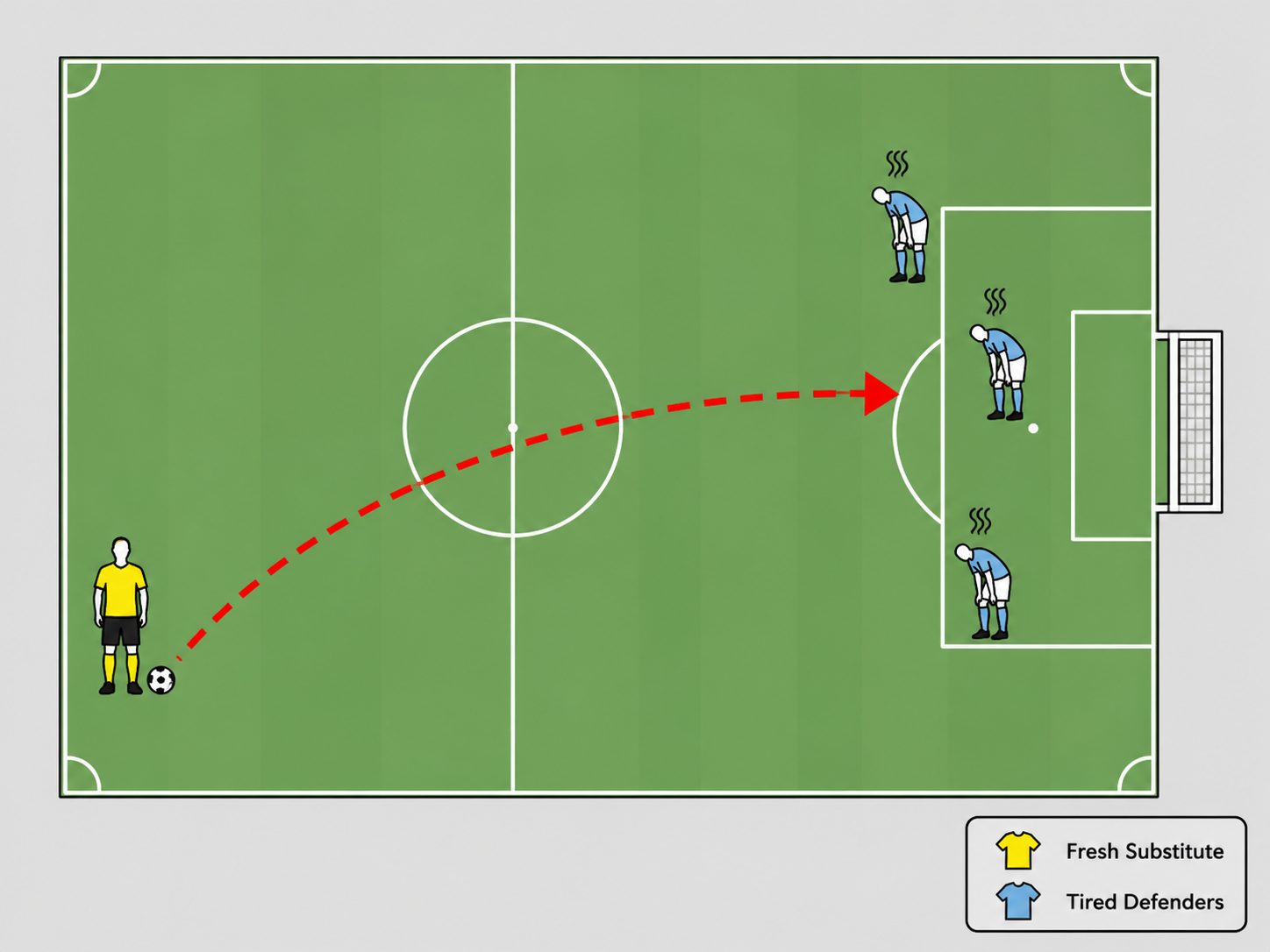
The math of the 48-team tournament is the biggest factor. More teams mean more matches, 104 in total. The group stage alone becomes a three-game slog instead of the traditional three. The knockout rounds will be longer. Coaches need 26 players they can actually use, not just 15 starters and 11 benchwarmers.
This creates specific tactical roles for young players that didn’t exist in a 32-team format. The “impact substitute” role is now a starting-caliber job. Imagine bringing on a 19-year-old with elite pace against tired legs in the 70th minute of a group game you must win. Or using a teenage pressing specialist to harass a playmaker for a frantic 30-minute spell to protect a lead. The modern tactical application of the 3-5-2 formation, for instance, relies heavily on the stamina of young wing-backs.
Belgium’s manager, for example, made a clear choice. His preliminary squad is the nation’s most inexperienced since 1998, featuring five uncapped players. It’s a painful but necessary reboot after the golden generation’s window closed. The immediate market reaction was telling, their odds to win the tournament drifted. The gamble on youth is seen as a risk.
Germany’s approach, as detailed in a DW squad announcement report, shows the hybrid model. They called up 18-year-old Lennart Karl for fresh blood, but also brought back 38-year-old Manuel Neuer for his unmatched big-game psyche. The template for success seems to be a spine of experienced winners, players who have lifted the trophy before, surrounded by fearless, fast youth. France has mastered this. Argentina is trying to repeat it.
The Oldest Squads: Experience as a Strategy
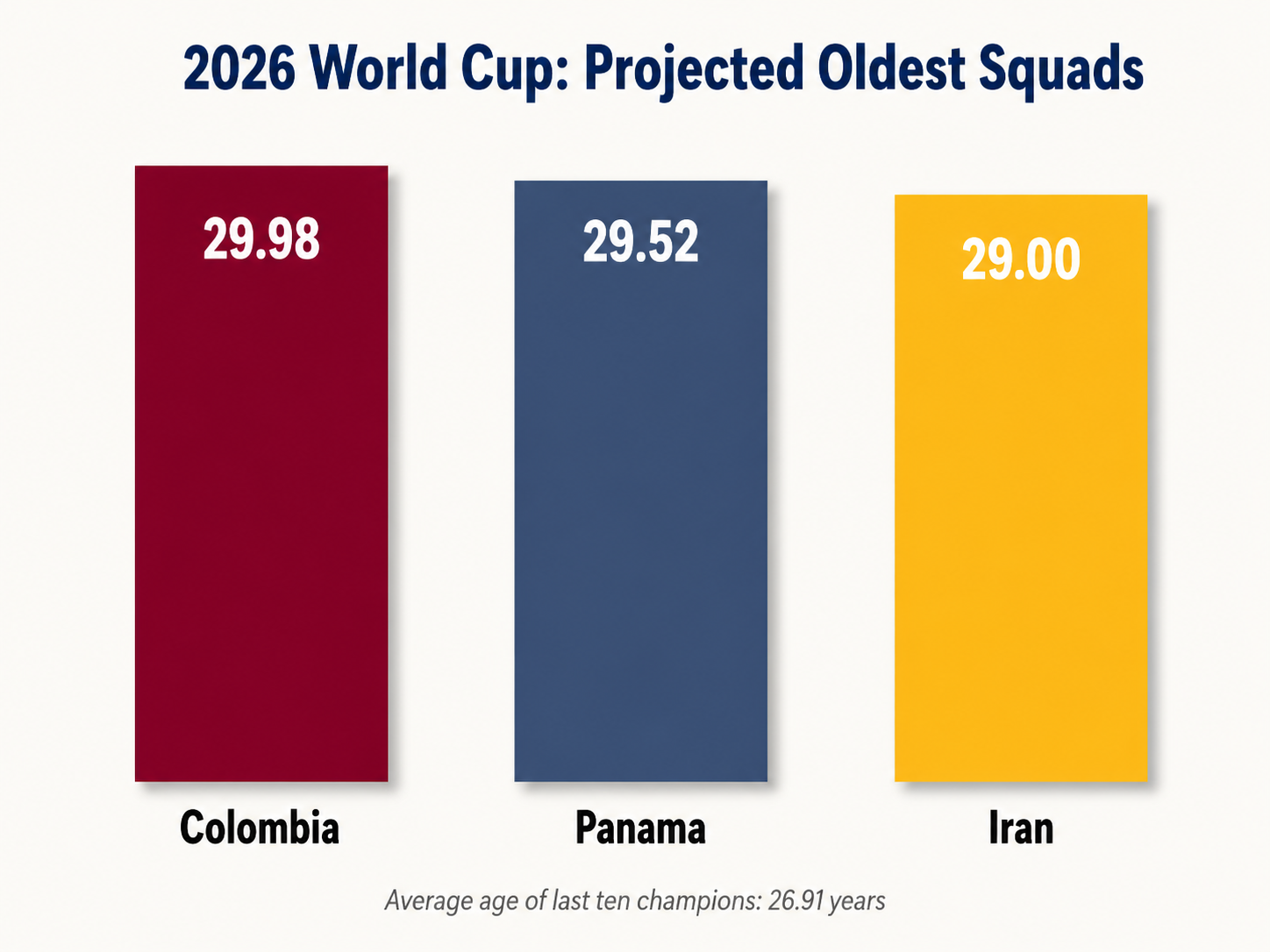
While youth trends, experience still wins titles. The data doesn’t lie. The average age of the last ten World Cup champions is 26.91 years. The 2026 field’s overall projected average is 27.33 years. The winning formula has always leaned slightly towards prime-age players, not teenagers.
Colombia projects as the oldest squad at 29.98 years. Panama (29.52) and Iran (29.00) round out the top three. These are teams built on defensive organization, set-piece prowess, and tournament grit. They won’t be outrun, but they might be outlasted over 120 minutes in the humidity of a Dallas summer. Their strategy is to control the game’s tempo and minimize chaotic, end-to-end running.
| Symptom | Likely Cause | Severity | Fix |
|---|---|---|---|
| Squad average age >29 years | Reliance on aging core; lack of youth integration | High – Fatigue risk in 48-team format | Integrate 2-3 U23 players as rotational starters during qualification |
| Key player >35 years old | Lack of ready-made successor in that position | Medium-High – Single-point failure risk | Test backups in competitive matches; adjust tactical system |
| No players <21 in squad | Broken youth pipeline or coach’s distrust | High – Lacks tactical flexibility & market value | Mandate youth inclusion in pre-tournament friendlies |
Argentina, the defending champion, is the fascinating case study. At 28.91 years average age, they are the fifth-oldest projected squad. Lionel Messi and Nicolás Otamendi will be 38. This isn’t an accident; it’s a calculated gamble that the magic of 2022 can be conjured one more time. They are betting that the legacy of Argentinian soccer legends and the muscle memory of winning outweigh the physical decline. It’s a high-risk, high-reward strategy that most nations cannot emulate because they don’t have a Lionel Messi.
TL;DR: The oldest squads like Colombia and Argentina prioritize tournament experience and low-error football, accepting a higher fatigue risk in exchange for proven big-game temperament.
How Youth Impacts World Cup Odds and Market Value
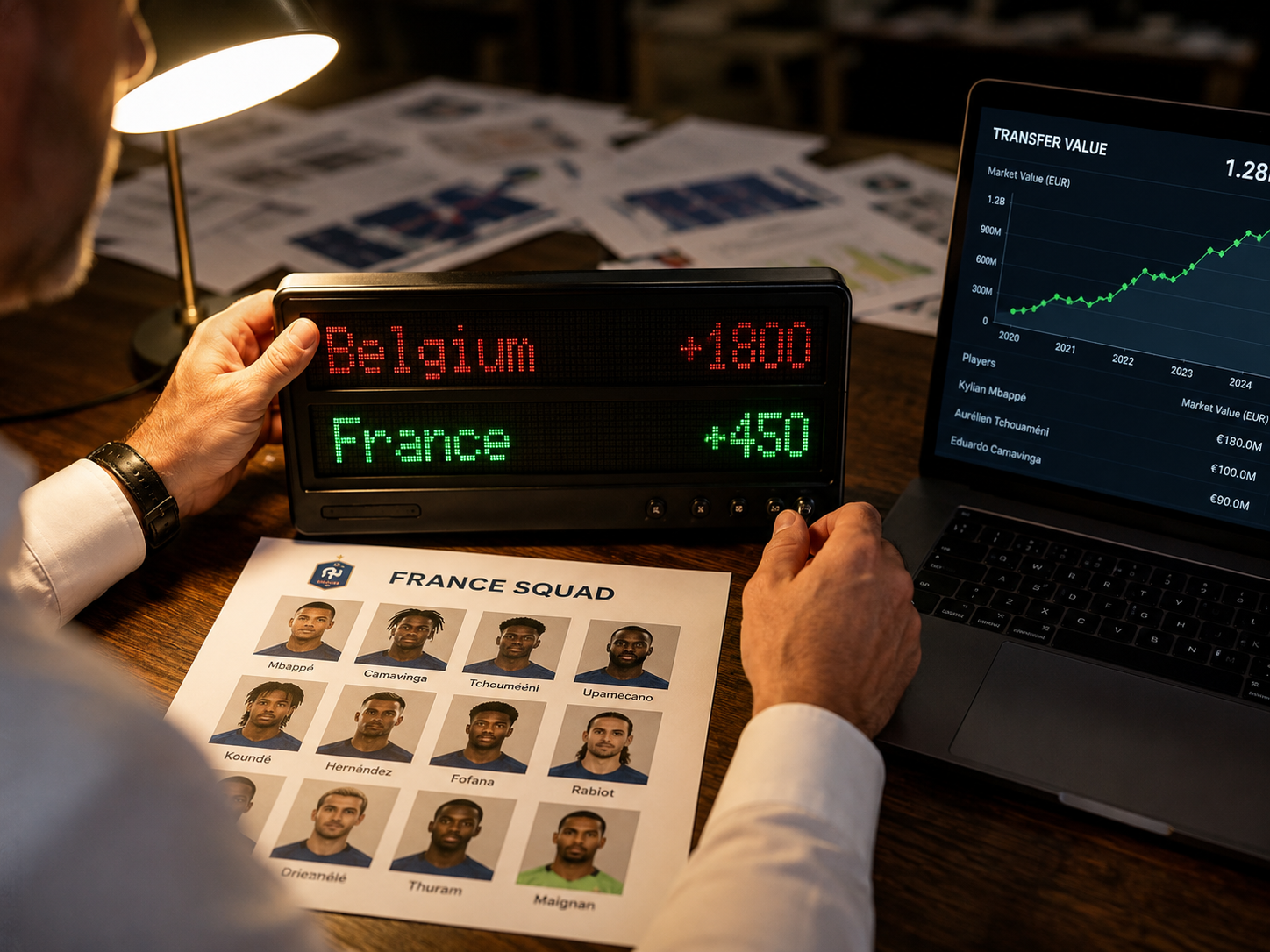
Bookmakers adjust odds in real-time based on squad announcements. When Belgium named its youth-heavy squad, the odds to win it all lengthened immediately. The market views inexperience as a liability, regardless of talent. Conversely, when France, already stacked and now with a young average age, confirms its roster, its odds will shorten. They are seen as having the perfect blend.
For the players themselves, the financial stakes are monumental. A 19-year-old who scores a World Cup winner sees his transfer value explode. Clubs are no longer buying potential; they’re buying a proven global brand. The commercial endorsements that follow can set up a family for generations. This pressure is immense, but so is the reward. It explains why agents are pushing for their teenage clients to get any senior minutes possible in the two years leading up to the tournament.
The physical attributes of youth, like the pace and acceleration of the world’s fastest players, are quantifiable assets that scouts drool over. But the mental attribute, handling this unique pressure, is the true differentiator. This is where the historical dominance of nations like Brazil, with their ingrained jogo bonito confidence, can give their young stars a psychological edge.
I remember watching a 17-year-old at a regional final in Gelsenkirchen. The talent was blinding, but in the last ten minutes, with his team down a goal, he started hiding from the ball. The moment was too big. That’s what World Cup coaches are trying to screen for, not just the skill, but who will demand the ball in the 85th minute in a knockout game. You can’t scout that on a highlights reel.
Frequently Asked Questions
Who will be the youngest player at the 2026 World Cup?
Barring a surprise inclusion, Mexico’s Gilberto Mota (born 2009) will be the youngest at 17 years old. The official age for all players is set on the tournament’s opening day, June 11, 2026.
What is the average age of the youngest squad for 2026?
Projections point to Côte d’Ivoire having the youngest squad with an average age of 25.48 years. This is based on their current player pool and expected selections for the final 26-man roster.
Can a team full of young players win the World Cup?
History says it’s very unlikely. The last ten World Cup-winning squads had an average age of 26.91 years, indicating a balance of youth and prime-age experience is crucial. A squad that’s too young often lacks the tactical discipline and mental fortitude for a seven-game tournament.
Which top contender has the youngest squad?
Among the top betting favorites, France has the youngest projected squad with an average age of 26.31 years. This blend of world-class talent and youthful energy makes them a formidable candidate.
How does the 48-team format affect young players?
The expanded format means more matches and a greater need for squad rotation. This incentivizes coaches to include younger players who can provide energy as impact substitutes and handle the physical demands of a longer tournament.
When are the final 26-man squads due?
All 48 participating nations must submit their final 26-player rosters to FIFA by June 1, 2026. Preliminary lists can be announced earlier, but the official list is locked on that date.
The Bottom Line
Identifying the youngest squads for the 2026 World Cup is more than a trivia exercise. It reveals a federation’s strategic direction. Côte d’Ivoire and Ecuador are all-in on a new cycle. France is seamlessly reloading. Argentina is defiantly going for a last dance with legends. The 48-team format has rewritten the calculus, making youthful depth a tangible asset rather than just a hopeful narrative.
Watch for the teenagers who aren’t just along for the ride, like Spain’s Lamine Yamal or Brazil’s Endrick, but who are expected to produce from the first whistle. Their performance will validate or condemn the global shift towards younger squads. In the end, the tournament’s history will be written by those who find the right mix, proving once again that in football, balance isn’t just a concept, it’s the difference between a promising group stage and lifting the trophy.

I come from the “soccer heart” of Germany, the Ruhrpott. I have played, trained and followed soccer all my life and am a big fan of FC Schalke 04. I also enjoy following international soccer extensively.