What Is Der Klassiker? The Bayern Munich vs Dortmund Soccer Rivalry
Der Klassiker is the modern soccer rivalry between Bayern Munich and Borussia Dortmund. It is Germany’s premier club fixture, deciding Bundesliga titles and fueled by contrasting identities: Bayern’s sustained superpower status versus Dortmund’s passionate, challenger ethos. Their clashes, including a 2013 UEFA Champions League final, define an era of German football.
Der Klassiker is the name for any soccer match between Germany’s two most dominant and successful clubs: Bayern Munich and Borussia Dortmund. It is the Bundesliga’s premier fixture, a rivalry born from relentless competition for domestic titles and cemented by a historic UEFA Champions League final. The term translates to “The Classic” and signifies a clash that often decides the German championship.
Most people think it’s an ancient, hate-filled derby like others in Europe. It’s not. The intensity is real, but the modern Bayern Munich vs Borussia Dortmund rivalry is a product of the last 15 years, a battle for supremacy between a relentless superpower and a fiercely proud challenger. This guide strips away the hype and explains what Der Klassiker actually is, how it evolved, and why you should care.
Key Takeaways
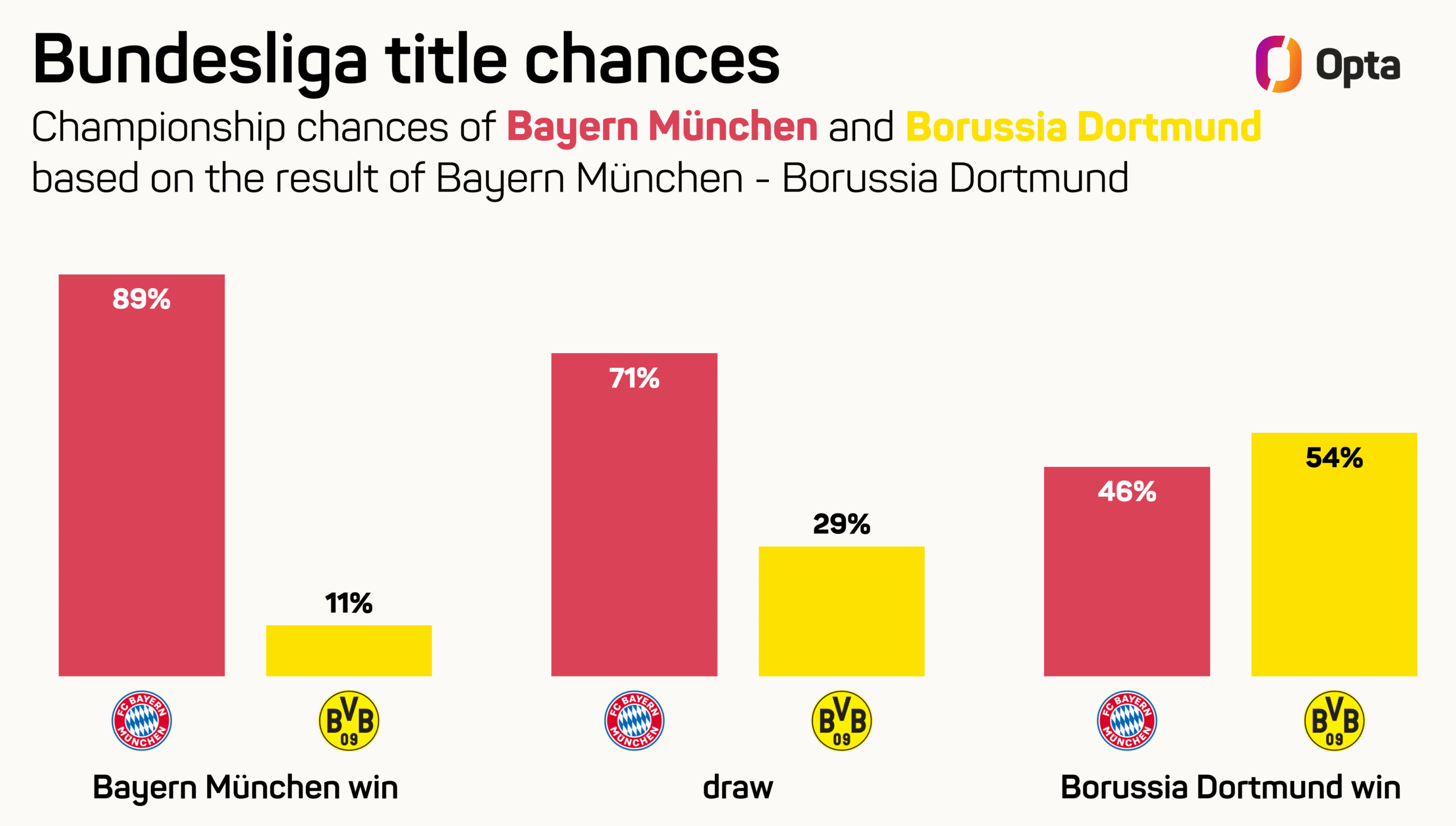
- It’s a title-decider, not a derby. Geographically, Munich and Dortmund are over 600km apart. The rivalry exists because these two clubs have won 27 of the last 32 Bundesliga titles, making their head-to-head matches pivotal.
- The term “Klassiker” is modern. While they’ve played for decades, the label gained traction around 2012-2013 when both teams peaked simultaneously, culminating in an all-German Champions League final.
- Player transfers are a constant spark. Moves like Robert Lewandowski and Mats Hummels from Dortmund to Bayern directly transfer power and deepen the animosity between the fanbases.
- The atmosphere is a study in contrasts. Bayern’s Allianz Arena is a sleek, corporate theatre of excellence. Dortmund’s Westfalenstadion, with its 25,000-strong Yellow Wall, is a raw, visceral cauldron of noise.
- Expect goals. Recent Klassiker matches have averaged four goals per game. The stakes force attacking play, and defensive mistakes are punished ruthlessly.
What Is Der Klassiker? The Basic Definition
Forget local geography. This is a national showdown. The core of the German football rivalry is a simple, brutal arithmetic: since the Bundesliga’s formation, Bayern Munich and Borussia Dortmund have been its most consistent winners. Their direct clashes inevitably swing the title race.
The fixture dubbed “Der Klassiker” involves FC Bayern Munich and Borussia Dortmund, the Bundesliga’s most successful clubs. The label, meaning “The Classic,” gained prominence in the early 2010s as both teams contested domestic and European supremacy. It is distinguished from traditional local derbies by its national scale and its role as a perennial championship decider.
The name is a deliberate echo of Spain’s El Clásico rivalry between Barcelona and Real Madrid. Media and league promoters saw a similar dynamic: two giants, contrasting styles, and global appeal. But where El Clásico is steeped in decades of political and cultural conflict, Der Klassiker’s foundation is almost purely sporting. It’s a rivalry built on trophies, not tradition.
TL;DR: Der Klassiker is Bayern Munich vs. Borussia Dortmund, a modern rivalry defined by title fights, not geography.
The History: From Occasional Foes to Defining Rivals
The clubs first met in 1965. For decades, it was just another Bundesliga game, albeit one with sporadic fireworks. Bayern established itself as Germany’s preeminent force in the 1970s, while Dortmund yo-yoed and even spent time in the second division. The balance was off.
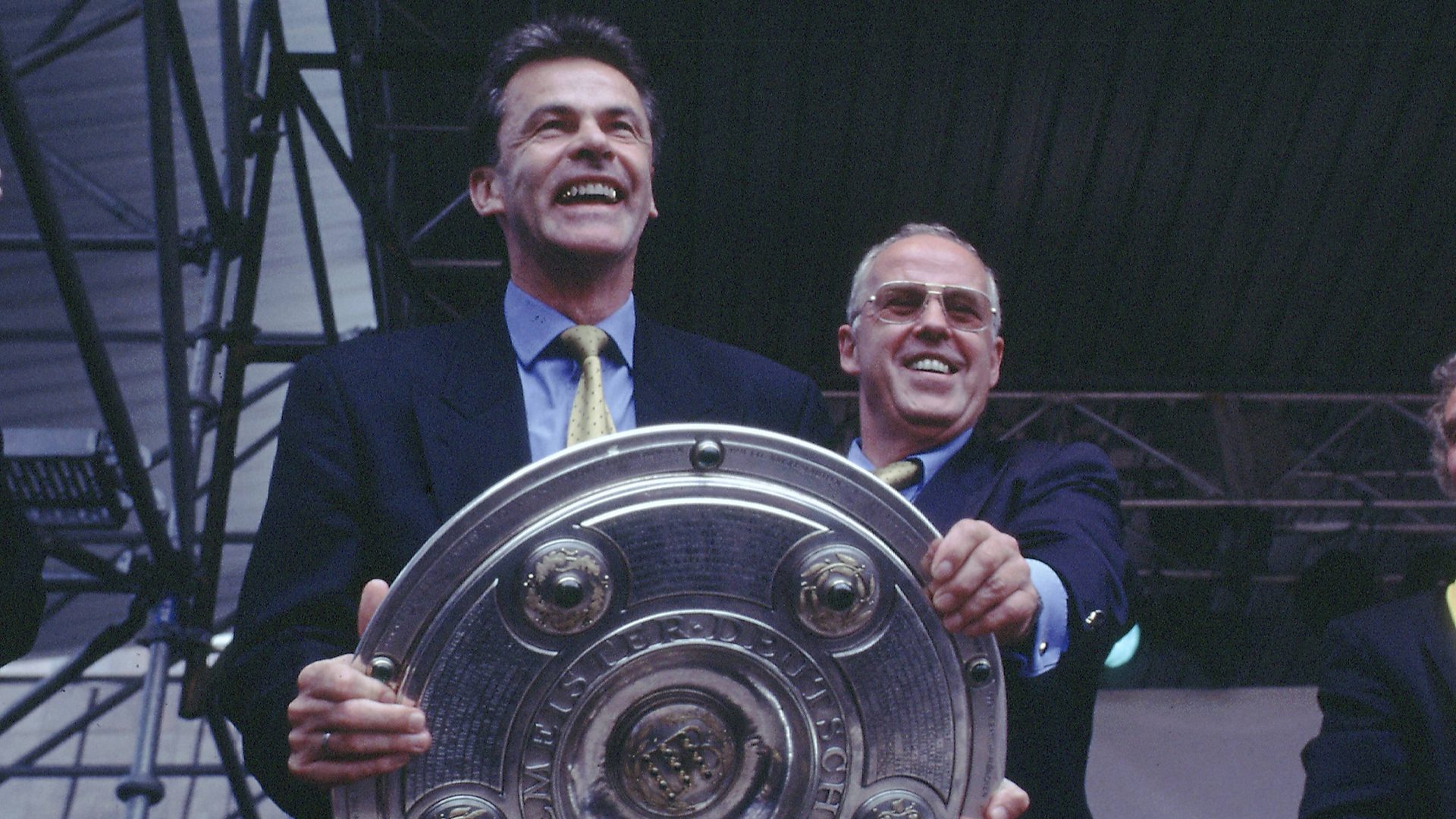
The shift started in the mid-1990s. Under Ottmar Hitzfeld, Dortmund became organized, tough, and successful. They broke Bayern’s hold, winning Bundesliga titles in 1995 and 1996, and then the UEFA Champions League in 1997. For the first time, Dortmund was a genuine peer, not just an opponent. The dynamic for a true, two-sided Bundesliga rivalry was set.
| Era | Bayern Munich | Borussia Dortmund | Rivalry Status |
|---|---|---|---|
| 1960s–1980s | Emerging/dominant power | Inconsistent, with relegation | Minor fixture |
| 1990s | Consistent contender | Champion, European winner | Growing competitive tension |
| 2000s | Financial & sporting giant | Financial crisis, recovery | Asymmetric, but memorable clashes |
| 2010s–Present | Sustained domestic dominance | Consistent chief challenger | “Der Klassiker” fully formed |
The 2010s ignited everything. Dortmund, under Jürgen Klopp, won back-to-back Bundesligas (2011, 2012) with a thrilling, high-press style. Bayern, stung and rich, responded by poaching Dortmund’s best player, Mario Götze, on the eve of their 2013 Champions League final meeting. Bayern won that final 2-1. The narrative was sealed: the wealthy record-breaker versus the passionate upstart. Every transfer, every title race, every match now carries the weight of that decade.
Common mistake: Calling Der Klassiker a “historic derby” on par with the Revierderby. The modern rivalry’s intense chapter is only about 15 years old. The real “German Klassiker” of the 1970s was between Bayern and Borussia Mönchengladbach.
A Rivalry Forged in the Modern Era
The current intensity has three concrete pillars: titles, transfers, and that one night in London.
First, the sheer dominance. Between them, they have won 26 of the last 31 Bundesliga titles. Dortmund has finished runner-up in seven of Bayern’s recent 11 consecutive championship runs. Their head-to-head record is therefore often a direct title decider. Lose, and your chances evaporate.
Second, the transfer market. Bayern’s strategy of weakening its closest rival by signing its best players is a permanent wound.
- Mario Götze (2013): The symbol. Announced before the Champions League final.
- Robert Lewandowski (2014): The killer. Went on a free transfer and became Bayern’s all-time leading Der Klassiker scorer.
- Mats Hummels (2016): The captain. Dortmund’s defensive leader crossed the divide.
Each move was a tactical masterstroke for Bayern and a psychological dagger for Dortmund. It created a perception of a predatory giant, fueling Dortmund’s “us against the world” identity. This cycle of talent development and acquisition is a core, bitter chapter in their Bayern Dortmund rivalry.
Third, Wembley 2013. The UEFA Champions League final was the ultimate stage. It wasn’t just a German team winning; it was these two German teams, with their recent history, deciding the continent’s biggest prize. The global soccer icon status of players like Arjen Robben and Manuel Neuer was cemented against the backdrop of Dortmund’s yellow wall of fans. That night transformed the fixture from a big domestic game into a global event.
The Anatomy of a Klassiker Match
Forget cagey, tactical stalemates. A modern Klassiker is a firefight. The last nine meetings have averaged four goals per game. Why? The pressure forces mistakes, and the quality of attackers like Bayern’s Harry Kane and Dortmund’s Karim Adeyemi punishes them instantly.
The tactical battle is a key subplot. Coaches know they can’t just sit back. Dortmund often tries to impose its high-energy game, while Bayern looks to control possession and exploit spaces. This strategic duel makes it a fascinating case study for anyone interested in soccer tactics. The match often turns on which team’s game tactics can withstand the emotional whirlwind.
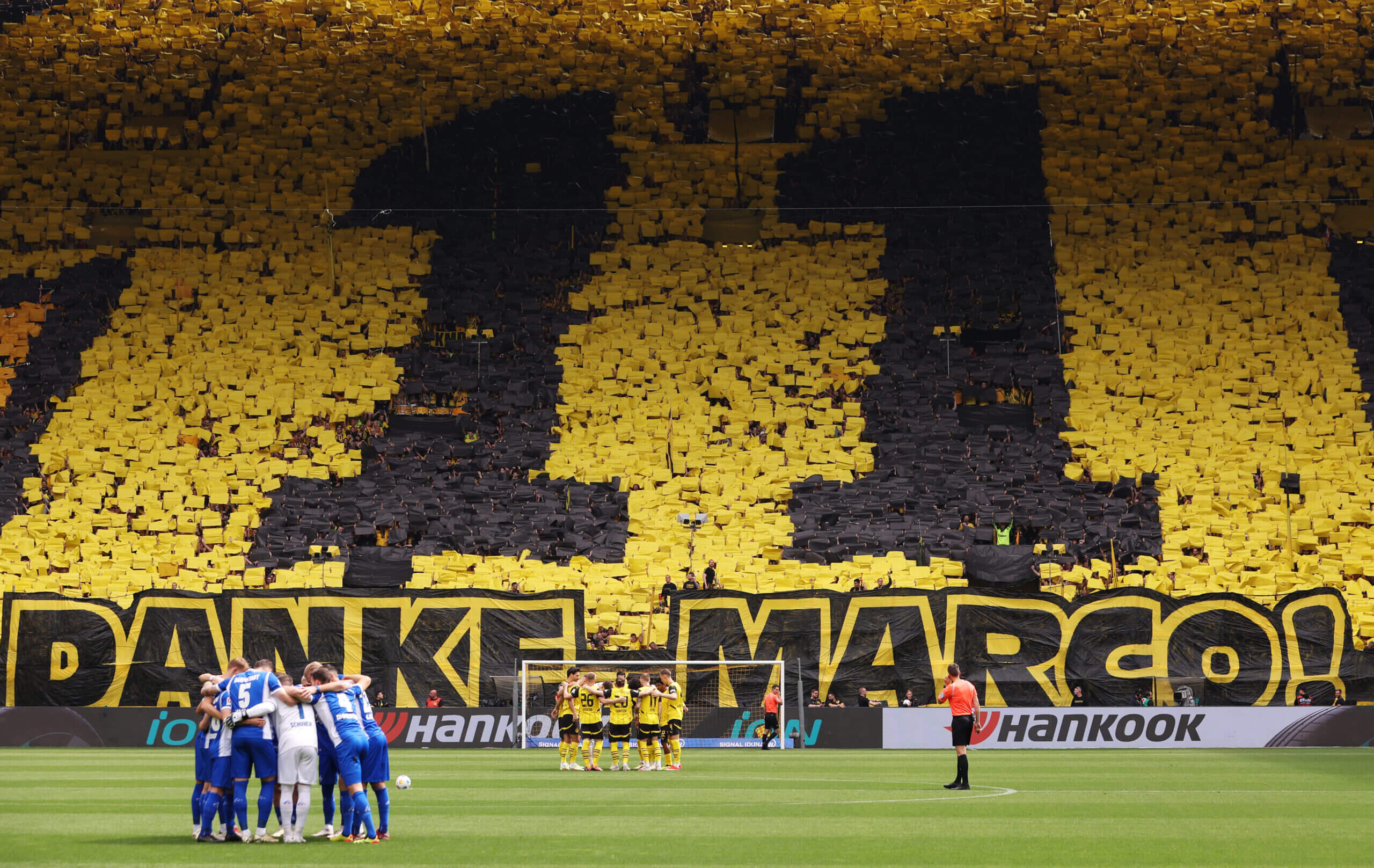
Then there’s the crowd. The atmosphere is a character in the match. At the Allianz Arena, it’s a hum of expectation. At the Westfalenstadion, it’s an onslaught. The Yellow Wall isn’t just a stand; it’s a physical force. The noise starts 90 minutes before kickoff and doesn’t stop. Players talk about the electricity, the difficulty of communicating. It’s the single biggest home advantage in Germany, and perhaps in Europe.
I’ve stood in the Yellow Wall for a Klassiker. You don’t watch the game. You experience it. The sound isn’t loud; it’s dense, a pressure on your chest that syncs with every heartbeat for 90 minutes. You leave not just hoarse, but physically drained. That’s what Bayern’s players walk into.
TL;DR: Modern Klassikers are high-scoring, tactically charged games played in uniquely intense atmospheres, especially in Dortmund.
Der Klassiker vs. Other Great Soccer Rivalries
How does it stack up? It’s useful to compare it to other legendary fixtures to understand its unique place.
| Rivalry | Primary Fuel | Geographic | Global Spectacle | Comparable to Der Klassiker? |
|---|---|---|---|---|
| El Clásico (Real Madrid vs Barcelona) | Politics, Culture, History | No (National) | Extremely High | Yes – The “model” for a national super-clash. |
| Revierderby (Dortmund vs Schalke) | Local Industry, Proximity | Yes (Local) | High in Germany | No – This is Dortmund’s true, deep-rooted derby. |
| North West Derby (Liverpool vs Manchester United) | Industrial Cities, Success | No (Regional) | Very High | Similar – Two successful clubs from different cities battling for supremacy. |
| Der Klassiker (Bayern vs Dortmund) | Sporting Success, Titles | No (National) | Very High | N/A – The subject. |
The key differentiator is time. Famous soccer rivalries like El Clásico or the Old Firm in Scotland are layered with generations of non-sporting conflict. Der Klassiker’s DNA is almost purely athletic. It’s a rivalry about who is the best football team in Germany, full stop. This makes it arguably more “modern” – a rivalry constructed by the sporting results of the 21st century. It lacks the ancient hatred but makes up for it with direct, championship-level consequences every single time they meet.
This focus on pure football excellence is what attracts a global audience. Fans tune in to see the best players and the highest stakes, not to unpack historical grievances. In that sense, its appeal is very clean, very modern, and incredibly potent.
Frequently Asked Questions
When is the next Der Klassiker?
The Bundesliga schedule is released in the summer. Typically, the two league matches are spread across the season, one in each half. The exact dates for the upcoming season are always published on the official Bundesliga website and major sports news outlets.
Why is it called Der Klassiker and not a derby?
“Derby” traditionally refers to a match between teams from the same city or region (like the Revierderby between Dortmund and Schalke). Munich and Dortmund are over 600km apart. “Klassiker” (The Classic) was adopted to reflect the fixture’s status as a classic, must-watch encounter between the nation’s top teams, similar to other European football rivalries.
Who has the better record in Der Klassiker?
Bayern Munich holds a commanding historical advantage. In over 139 competitive meetings, Bayern has won 69 times, Dortmund 33, with 37 draws. Bayern also boasts the biggest win: an 11-1 victory in 1971. The Wikipedia entry on Der Klassiker maintains and updates these comprehensive statistics.
Has Der Klassiker always been the biggest game in Germany?
No. For most of Bundesliga history, other rivalries held more cultural weight. Bayern’s clashes with Borussia Mönchengladbach in the 1970s were the original “Klassiker.” The current fixture’s preeminence is a product of Bayern and Dortmund’s shared dominance since 2010, a period where they have been the only consistent title contenders.
The Bottom Line
Der Klassiker is the Bundesliga’s heartbeat. It’s not its oldest soul—that belongs to the gritty local derbies of the Ruhr—but it is its premier modern spectacle. It is a rivalry built on cold, hard results: titles won, titles lost, and players traded between the lines.
You watch it for the goals, for the tactical chess match between coaches, and for the sheer, overwhelming force of the Yellow Wall. You watch it because, more often than not, the winner takes a giant step toward lifting the Bundesliga trophy. It is a football formation of competitive tension, where the balanced formation of Dortmund’s collective spirit tests the individual brilliance of Bayern’s stars.
It may lack the century-old baggage of other clashes, but it more than compensates with relentless, high-stakes relevance. In the era of globalized football, Der Klassiker is Germany’s perfect export.
I come from the “soccer heart” of Germany, the Ruhrpott. I have played, trained and followed soccer all my life and am a big fan of FC Schalke 04. I also enjoy following international soccer extensively.