Explaining the Bundesliga Promotion Playoff Format & Rules
The Bundesliga promotion playoff system is a two-legged tie between the 16th-placed Bundesliga club and the 3rd-placed Bundesliga 2 club. The winner earns a place in the following Bundesliga season. An identical playoff exists between Bundesliga 2 and Liga 3. The away goals rule was abolished in 2021, and ties are settled by extra time and then penalties.
Most fans from other countries get this wrong. They assume Germany follows the standard three-up, three-down model seen in England or Spain. That mistake makes the final matchday chaos even more confusing when a team finishes 16th and their fate is still unknown.
Here is exactly how the system functions, why it creates such intense drama, and what it means for the clubs caught in its grip.
Key Takeaways
- The playoff involves only one spot: 16th in the top flight vs 3rd in the second division.
- It’s a pure two-legged tie, not a tournament. The team with more pre-playoff rest days typically hosts the second leg.
- Since the 2021/22 season, the away goals rule no longer applies. Tied aggregates go to extra time and then penalties.
- Historically, Bundesliga clubs win these playoffs roughly 80% of the time, but the underdog victories are legendary.
- The system is a permanent TV revenue generator for the DFL, with no serious discussion of abolishing it.
The Core Format: How the Playoff Works

Forget a mini-tournament. The Bundesliga promotion playoff is a direct, home-and-away duel. The participants are locked in the moment the final whistle blows on Matchday 34.
The 16th-placed Bundesliga team faces the 3rd-placed Bundesliga 2 team. The same structure applies one tier down: 16th in Bundesliga 2 faces 3rd in Liga 3. This creates two high-stakes fixtures that decide the final membership of each league.
The relegation playoff is a two-legged affair. If the aggregate score is level after both matches, extra time of two periods of 15 minutes each is played. If the tie remains unresolved, it goes to a penalty shootout. The away goals rule was abolished ahead of the 2021/22 season.
Scheduling follows a specific logic set by the DFL. The club with more days free from match play before the first leg earns the right to host the second leg. Since Bundesliga and Bundesliga 2 seasons end simultaneously, this usually means the top-flight club, having played a tougher schedule, gets more rest. The result? The Bundesliga side often hosts the first leg, and the ambitious Bundesliga 2 club gets the potentially decisive home game in front of their own fans for the return. It’s a subtle rule that stacks the drama.
TL;DR: One home game, one away game. No away goals rule. More rest equals hosting the second leg.
Rules, Tie-Breakers, and Logistics

The matches are officiated as full top-flight contests. VAR is in operation, and goal-line technology is used. This isn’t some secondary competition; it’s treated with the gravity of a cup final.
The critical rule change came in 2021. The away goals rule was scrapped, aligning with UEFA’s decision for its club competitions. This has a tactical impact. Before, a 1-1 draw at home was a minor disaster, as it gave your opponent a crucial away goal. Now, it’s just a draw. Teams can play for a clean sheet at home without that mathematical specter hanging over them. If the aggregate score is level after 180 minutes, the teams play 30 minutes of extra time. If still tied, penalties decide.
The financial and logistical stakes are immense. A Bundesliga club’s television revenue is many multiples of a Bundesliga 2 club’s share. Surviving the playoff can mean retaining over €30 million in baseline media income. This financial chasm influences everything from player contract clauses to summer transfer budgets, creating a pressure cooker that few other fixtures can match.
| Rule Aspect | Specifics | Consequence if Ignored |
|---|---|---|
| Tie-Breaking | Extra time, then penalties. Away goals rule abolished (2021/22). | Coaching for a 0-0 away draw becomes a viable tactic, changing playoff strategy. |
| Home Leg Order | Club with more rest days before Leg 1 hosts Leg 2. | The underdog often gets the climactic home atmosphere, amplifying pressure on the favorite. |
| Technology | Full VAR and goal-line technology implemented. | Controversial decisions are minimized, but the VAR delay heightens tension in the stadium. |
Common mistake: Assuming a 2-1 home win and a 1-0 away loss is good enough, that aggregate is 2-2, and without away goals, you’re headed to extra time. Most fans don’t do the math until the second leg is underway.
Historical Context and Drama

The playoff isn’t a new invention. It first appeared in 1981 for the old single-division Bundesliga 2. It was then scrapped from 1991 to 2008, an era of pure automatic promotion. The DFL reintroduced it for the 2008/09 season, primarily to create two additional high-rating TV events at the season’s climax. The move was a commercial success, embedding what Germans call “Relegation” as a permanent fixture.
The historical win rate favors the Bundesliga club. Since the playoff’s return, top-flight teams have won 14 of the 17 ties. The Bundesliga’s quality and experience usually tell over two legs. But the exceptions are what fuel the mythos.
Take 2012. Fortuna Düsseldorf, a Bundesliga 2 side, faced Hertha BSC. After a 2-1 first-leg win in Berlin, Fortuna lost the home leg 2-1. The aggregate was 3-3. In extra time, with penalties looming, Hertha’s goalkeeper dropped a simple cross. The ball trickled over the line. That goal kept Fortuna up and sent Hertha down. The stadium erupted in a mix of delirium and utter despair. These moments are visceral. They validate the entire system for fans of the underdog and curse it for the fallen giant.
The playoff’s existence transforms the final matchday. It’s not just about avoiding 17th and 18th place. The battle for 16th, the “playoff spot”, becomes its own desperate mini-league. Conversely, in Bundesliga 2, the fight for 3rd place often outweighs the battle for the title once the top two spots are decided. This creates parallel narratives that wouldn’t exist in a simpler system.
Comparison to Other European Systems
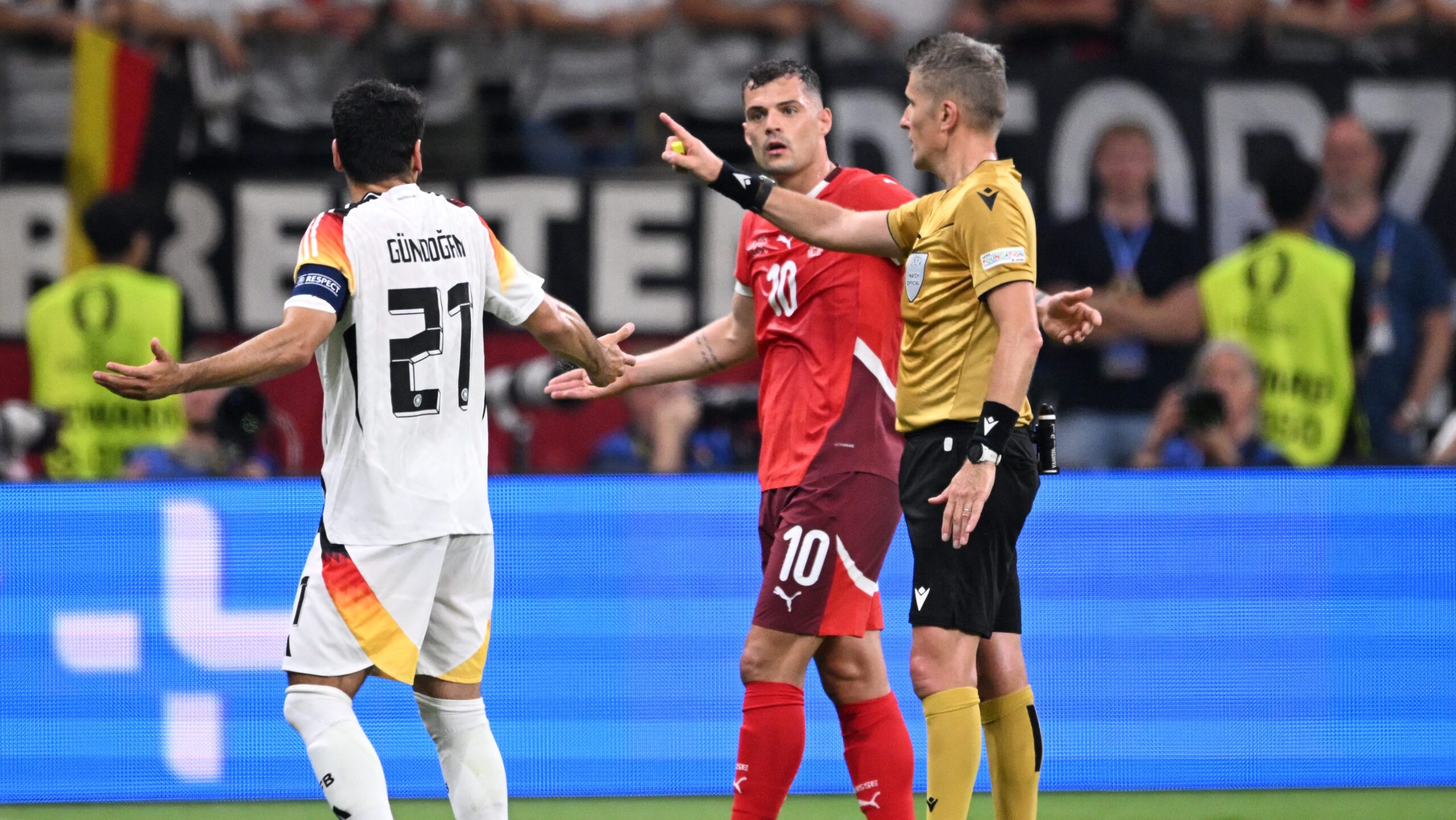
The German model is distinct. It deliberately withholds one automatic promotion spot to create this playoff spectacle. Contrast this with the most famous English football promotion system, where the top two from the Championship go up automatically and the next four enter a knockout tournament for the third spot. That’s a playoff for promotion, not for survival. The Premier League relegation rules send three teams down automatically, no safety net.
Spain’s La Liga promotion/relegation system is closer to England: the bottom three go down, the top two from the Segunda come up, and 3rd through 6th in the second division enter a playoff. Again, the playoff is exclusively for promotion, not a hybrid survival/promotion clash like Germany’s.
This hybrid nature is the Bundesliga playoff’s unique selling point. It pits a struggling giant against a hungry challenger in a narrative that writes itself. The global league structures of most major nations don’t create this specific kind of direct conflict between divisions. Italy’s Serie A structure and France’s Ligue 1 format also use automatic promotion and relegation for three teams. Germany’s one-playoff-spot approach is an outlier among Europe’s top five leagues, by design.
The Strategic and Financial Impact
For clubs, finishing 16th triggers a state of operational limbo. Your summer planning splits into two parallel realities: a Bundesliga budget and a Bundesliga 2 budget. Player transfers are negotiated with playoff clauses. A key player might have a contract that allows him to leave for a set fee if the club is relegated, but does that clause activate after finishing 16th, or only after losing the playoff? Lawyers earn their fees.
The financial disparity is the core driver. Survival can mean the difference between signing an international star and selling your homegrown talent. This pressure can lead to conservative, fearful football in the playoff itself, a phenomenon often criticized by pundits. The Bundesliga team, with more to lose, sometimes plays not to lose, while the Bundesliga 2 team plays with house money.
The system also interacts with other competitions. If a playoff participant qualifies for the DFB Cup final or a European final, the DFL will reschedule the playoff dates. This is a rare but complex scenario that adds another layer of logistical headache for the clubs involved. The DFL’s scheduling priority is always the playoff, underscoring its commercial importance to the league’s ecosystem.
I’ve seen the tension in the stadium during these games. It’s a different kind of pressure than a cup final. In a final, both teams start level. In the playoff, one team is fighting to protect what they have, the other is trying to take it. The fear of loss is palpable, and it can make for cagey, brutal football. That’s the trade-off for the drama.
Frequently Asked Questions
Which teams are involved in the Bundesliga promotion playoff?
The team that finishes 16th in the Bundesliga and the team that finishes 3rd in Bundesliga 2. An identical playoff exists between 16th in Bundesliga 2 and 3rd in Liga 3.
Does the away goals rule count in the playoff?
No. The away goals rule was abolished for the relegation playoffs starting with the 2021/22 season. If the aggregate score is tied after both legs, the match goes to extra time and then, if necessary, a penalty shootout.
Who has home advantage in the second leg?
The right to host the second leg is granted to the club that has had more days free from match play before the first leg. This typically results in the Bundesliga club (with a tougher schedule) having more rest, so they host the first leg, and the Bundesliga 2 club hosts the potentially decisive second leg.
How often does the Bundesliga team win the playoff?
Historically, the top-flight club wins most of the time. Since the playoff’s reintroduction in 2009, Bundesliga clubs have won 14 out of 17 ties against Bundesliga 2 opponents, giving them a success rate of over 80%.
Why does the Bundesliga have this system instead of automatic promotion?
The system was reintroduced in 2008 primarily to generate additional high-stakes television content and revenue for the DFL. It also extends the sporting drama of the relegation battle to one more club, keeping fan interest high until the very end of the season.
The Bottom Line
The Bundesliga promotion playoff is a masterclass in engineered drama. It’s a financial engine for the league and a narrative goldmine, offering a lifeline to a struggling giant and a shot at glory for an underdog. While it can be criticized for being unfair to the third-placed second-division team, its place in the German football calendar is secure. The images of despair in Wolfsburg and joy in Paderborn are its legacy. It’s more than a rule, it’s a season-defining event that encapsulates the brutal, beautiful tension between survival and ambition.
I come from the “soccer heart” of Germany, the Ruhrpott. I have played, trained and followed soccer all my life and am a big fan of FC Schalke 04. I also enjoy following international soccer extensively.