How to Increase Stamina for Soccer | 8-Week Player Plan
To increase stamina for soccer, you must train the three energy systems used in a match: build an aerobic base with steady runs, improve high-intensity repeatability with interval training, and sharpen sport-specific endurance with small-sided games. Match this conditioning with precise carbohydrate fueling before, during, and after sessions, and tailor your final drills to the unique demands of your position.
Most players think stamina is just about running longer. They grind out lonely 10k runs, then wonder why they’re still gassed after 60 minutes on the pitch. The disconnect is real. Soccer stamina isn’t a single thing, it’s the product of your engine, your fuel, and your brain’s ability to make plays when your legs are screaming.
This guide moves past generic running advice. You’ll get a structured 8-week plan, exact nutrition numbers, position-specific drills, and the recovery non-negotiables that turn training into tangible, 90-minute endurance.
Key Takeaways
- Soccer stamina is multi-system: Aerobic fitness lets you recover between sprints, anaerobic power drives the sprints themselves, and sport-specific conditioning through small-sided games ties it all together under cognitive load.
- Carb timing is non-negotiable: Consume 1–3 g/kg of carbs 3–4 hours pre-match, 30–60 g/h during play, and 1–1.5 g/kg/h for the first 4 hours post-match to reload glycogen. Miss this window and your next session suffers.
- Train by position: A central midfielder’s plan needs more aerobic volume, a full-back’s plan demands repeat shuttles, and a striker’s focus is explosive starts. A one-size-fits-all plan wastes energy.
- The final 10 days matter: A proper taper, cutting volume by 40% while keeping intensity high, ensures you are fresh, not flat, on match day.
- Recovery is where adaptation happens: 7–9 hours of sleep is not a luxury; it’s when growth hormone releases, reaction speed resets, and injury risk drops.
What Soccer Stamina Actually Is (It’s Not Just Running)
Forget the marathon runner’s mindset. Soccer stamina is the ability to repeat high-intensity actions, sprinting, closing down, jumping, and recover quickly enough to do it again in 90 seconds. It’s a blend of systems.
Your aerobic system is the background engine. It uses oxygen to help clear lactate and recycle energy compounds, allowing you to jog back into position and ready yourself for the next burst. A strong aerobic base means your heart rate drops faster after a sprint. The anaerobic system provides the explosive power for those 5- to 10-second efforts: winning a 50/50 ball, making a recovering run. Without training this, you become a passenger after the first 20 minutes.
Soccer-specific endurance is measured in repeated-sprint ability and technical execution under fatigue, not time-on-feet. A 2021 study of elite academies found that players who excelled in 4v4 small-sided games showed a 15% higher work-rate in the final 15 minutes of competitive matches compared to those who only trained traditional intervals.
The third, often ignored, component is neuromuscular efficiency. Wasted movement, stumbling touches, off-balance turns, burns precious glycogen. This is where agility ladder drills and footwork and coordination work pays a stealth dividend. Efficient movement lets you channel energy into play, not correction.
TL;DR: Train your aerobic engine for recovery between plays, your anaerobic system for the plays themselves, and your movement efficiency to waste less energy.
The 8-Week Phased Stamina Plan
A random collection of hard runs leads to burnout or injury. A phased plan forces adaptation. The following 8-week structure divides into base, build, and peak/taper blocks. It integrates different soccer-specific workouts each week.
| Phase | Weeks | Primary Focus | Sample Weekly Session Mix |
|---|---|---|---|
| Base | 1–3 | Aerobic Foundation | 2 steady runs, 1 HIIT session, 1 strength session |
| Build | 4–6 | Intensity & Sport-Specificity | 1 steady run, 2 HIIT sessions, 1 Small-Sided Game (SSG), 1 strength session |
| Peak & Taper | 7–8 | Maximize Readiness | 1 match simulation, 1 sharp HIIT, strength maintenance, volume reduction by 40% in week 8 |
Base Phase (Weeks 1-3): This is about building the plumbing. Complete two steady-state runs of 30-45 minutes at a conversational pace (60-70% of max heart rate). Add one high-intensity interval training session: 30 seconds all-out, 60 seconds walk/jog, repeat 10-15 times. This is also the time to establish a consistent soccer strength program for injury resilience.
Build Phase (Weeks 4-6): Here you replace one steady run with a 4v4 or 5v5 small-sided game on a half-pitch. The constant turning, passing, and decision-making under fatigue is irreplaceable. Add a second HIIT day, perhaps focusing on sprint training drills like 40-yard shuttle runs. This phase hurts. It’s supposed to.
Peak & Taper (Weeks 7-8): Week 7 is for intensity. Perform two match simulations: 4 x 15-minute blocks with 3-minute rest, playing at match pace. Week 8 is the taper. Cut total running volume by 40%, but keep one short, sharp HIIT session (e.g., 10 x 20-second sprints) to maintain neuromuscular sharpness. The goal is to arrive fresh.
Common mistake: Skipping the taper to “get one more hard session in”, this leaves glycogen stores partially depleted and central nervous system fatigue high, guaranteeing a flat, heavy-legged start to the match.
Fueling the Engine: The Carbohydrate Math
You can have the best engine in the world, but without the right fuel, it sputters. For soccer, fuel means carbohydrates. The numbers are specific and they matter.
On heavy training days, aim for 6-10 grams of carbohydrates per kilogram of body weight. For a 70 kg player, that’s 420-700 grams, a lot of pasta, rice, and potatoes. This isn’t about weight gain; it’s about stocking muscle glycogen, your primary energy tank.
The timing windows are critical. Pre-match, consume 1-3 g/kg of carbs 3-4 hours before kickoff. A banana and a bagel works. During the match, sip a sports drink to ingest 30-60 grams of carbs per hour. This isn’t just for energy; a PMC systematic review on carbohydrate intake confirmed it directly improves sprint speed, reduces time to fatigue, and maintains cognitive function in the second half.
The most important window is the one most players ignore: the first 4 hours post-match.
Consume 1-1.5 grams of carbohydrates per kilogram of body weight per hour for the first 4 hours after the final whistle, starting within 20 minutes. Missing this window delays glycogen replenishment by up to 24 hours, making your next training session feel like a slog.
A note for female players: research indicates they often under-eat relative to energy expenditure. The same carbohydrate math applies, do not short-change your intake on training days.
| Timing | Carbohydrate Intake | Purpose & Consequence If Missed |
|---|---|---|
| Daily (Heavy Training) | 6–10 g/kg body weight | Replenishes glycogen stores. Miss it and you train in a depleted state, reducing intensity and adaptation. |
| Pre-Match (3–4 hours prior) | 1–3 g/kg body weight | Tops off liver & muscle glycogen. Miss it and you risk “hitting the wall” early in the second half. |
| During Match | 30–60 g per hour | Maintains blood glucose for brain & muscles. Miss it and decision-making degrades along with sprint speed. |
| Post-Match (First 4 hours) | 1–1.5 g/kg/h | Critical glycogen reload. Miss it and recovery extends by a full day, compromising the next session. |
TL;DR: Eat carbs like your position depends on it. Time them precisely around matches and hard training to keep your glycogen tanks full.
Position-Specific Stamina Drills
A central midfielder and a centre-forward have different job descriptions. Their stamina training should too. Plug these drills into your soccer workout plans during the Build and Peak phases.
Central Midfielder: You cover the most distance run in a match, often 7-8 miles. Your regimen needs two long aerobic sessions plus two HIIT days. Add tempo runs: 4-minute intervals at 80% effort, with 2-minute jogs, to mimic the sustained high-output periods you control.
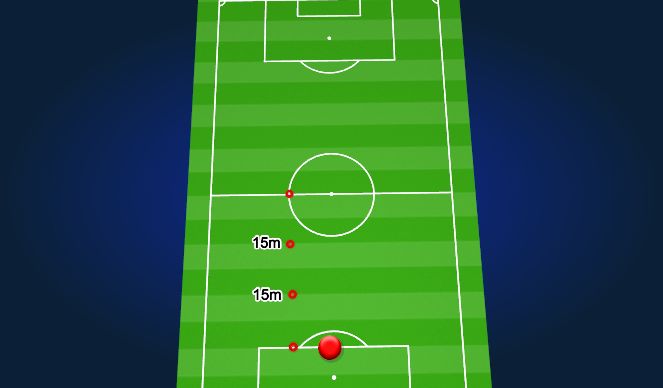
Wide Midfielder / Full-Back: Your game is repeated sprints up and down the touchline. Train repeat-sprint ability (RSA). Set up two cones 40 meters apart. Sprint there, jog back, and repeat 6-8 times. Rest 3 minutes. Do 3 sets. This brutally simulates tracking a winger.
Centre-Back: Your efforts are short, sharp, and often lateral. Add resisted shuffles with a band and tempo runs with sudden changes of direction. Your leg strength for soccer is crucial for winning aerial duels late in the game, don’t neglect power cleans and squats.
Striker: Your stamina is about explosive starts. Train acceleration: 10-20 meter sprints from a standing start, with full recovery (90 seconds) between each. Your focus is quality, not quantity. Five perfect sprints are better than fifteen sloppy ones.
Goalkeeper: Your power is reactive. Use drills with 5-10 second maximum effort bursts, explosive dives, power jumps, followed by 30 seconds of rest. Mimic the stop-start rhythm of the game.
I once trained a talented young winger using a generic midfielder’s running plan. He built a great aerobic base but kept getting burned in the 70th minute when isolated one-on-one. We switched his second weekly HIIT session to the 40-meter repeat shuttles. Within three weeks, he was not just lasting, but actively hunting the overlap in the final quarter of the game. The prescription has to match the job.
The Non-Negotiables: Recovery, Mindset, and Breathing
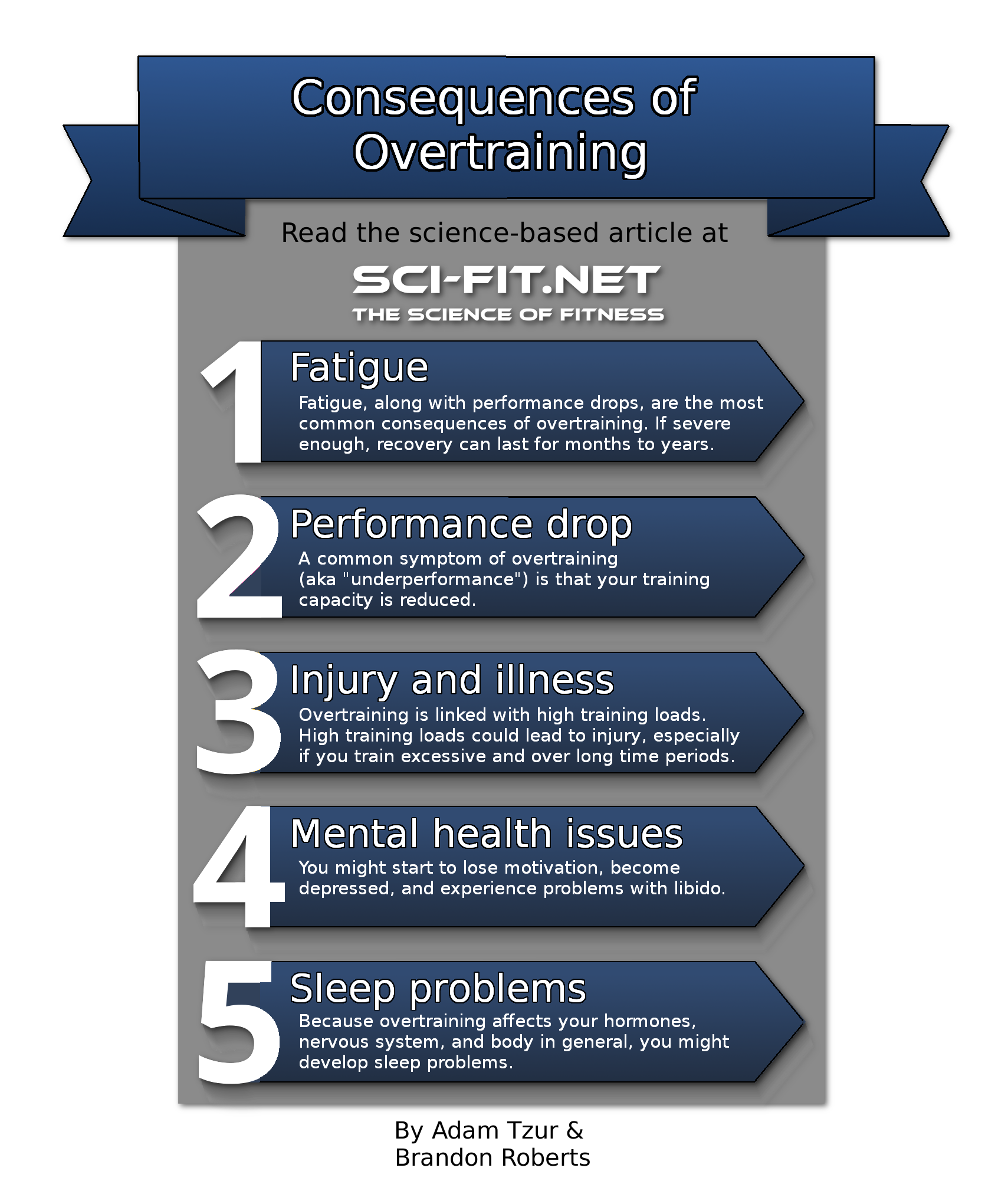
Conditioning breaks your body down. Recovery builds it back stronger. Sleep is the cornerstone. Target 7-9 hours per night. Growth hormone release peaks during deep sleep, repairing tissue and restoring glycogen. Skimp here and you accumulate fatigue, increasing injury risk.
Hydration is a daily discipline, not a match-day fix. Weigh yourself before and after training. For every kilogram lost, drink 1.5 liters of fluid to rehydrate. Your urine should be pale yellow.
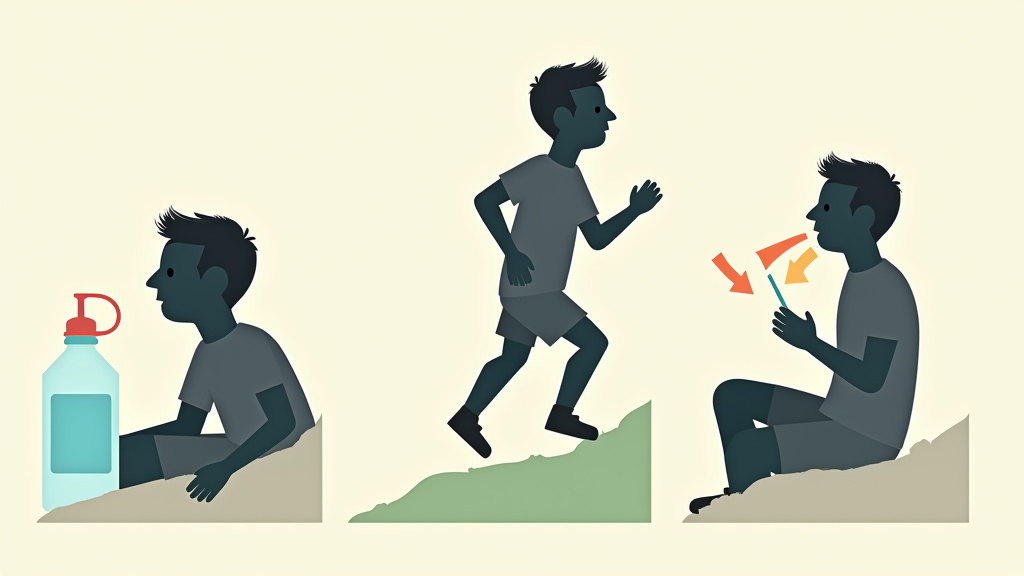
The mental component is real. Stamina is also the will to make a defensive run when every muscle protests. Soccer fitness without a ball like hill sprints trains this discomfort tolerance. Practice positive self-talk during the hardest part of your interval session.
Finally, breathe with purpose. Under fatigue, breathing becomes shallow and inefficient, limiting oxygen uptake. Practice diaphragmatic breathing: in through the nose for 4 seconds, hold for 2, out through the mouth for 6. Do this for 5 minutes post-training. It signals your nervous system to recover.
TL;DR: Sleep 8 hours. Drink water consistently. Train your mind to embrace the burn. Breathe deeply to control fatigue.
Frequently Asked Questions
What’s the single best exercise to increase stamina for soccer?
There isn’t one. The most effective modality is small-sided games (3v3, 4v4). They simultaneously train your aerobic and anaerobic systems while forcing technical execution and decision-making under fatigue, exactly what match stamina requires.
How long does it take to see real improvements in soccer stamina?
With a structured plan like the 8-week guide above, you’ll notice subjective improvements (feeling less gassed after practice) in 3-4 weeks. Measurable improvements, like completing more sprints in a repeat-sprint test or a lower heart rate recovery time, take 6-8 weeks of consistent work.
Can I improve stamina just by playing more soccer?
Yes, but it’s sub-optimal. Match play is the best test, but it’s random. You might not get the repeated high-intensity exposures needed to push your anaerobic threshold. Structured interval training methods and soccer-specific conditioning drills off the pitch ensure you overload the specific systems that need improvement.
Do I need to take sports supplements to increase stamina?
No. A solid soccer player nutrition plan built on whole foods is sufficient for most players. The one evidence-based exception is carbohydrate-electrolyte drinks during matches longer than 60 minutes to maintain fuel and hydration. Save your money for quality food.
How do I balance stamina training with strength and technique sessions?
Prioritize. In your Base phase, strength work is key. In the Build phase, stamina becomes the priority, schedule your hardest conditioning sessions before your technique work, when you’re freshest. Always follow a high-intensity day with a recovery day or light technique session. Never stack two high-intensity days back-to-back.
Before You Go
Increasing stamina for soccer is a deliberate project. It requires training the right energy systems with phased soccer performance exercises, fueling them with precise carbohydrate timing, and tailoring the final layer to your position’s unique demands. Remember that adaptation happens when you rest, sleep, hydrate, and breathe.
Start with the 8-week plan. Commit to the nutrition numbers. Add the position-specific drill that matches your role on the pitch. The result isn’t just running more; it’s being present, sharp, and decisive in the 90th minute. That’s the stamina that wins games.

I come from the “soccer heart” of Germany, the Ruhrpott. I have played, trained and followed soccer all my life and am a big fan of FC Schalke 04. I also enjoy following international soccer extensively.