How to Tackle in Soccer Properly: 6 Rules for Clean Wins
To tackle in soccer properly, you must win the ball legally by making clear contact with it, not the opponent. This requires a three-part process: first, establish a defensive stance and contain the attacker; second, time your commitment for the moment their touch is heavy; third, execute a controlled technique like the front block tackle with a locked ankle and proper follow-through.
Most players get this wrong by thinking a tackle is a single, aggressive lunge. They charge in, stab at the ball, and either miss completely or crash into the opponent’s legs. That’s a foul every time. Worse, it leaves your team exposed.
A proper tackle is the final step in a defensive sequence. This guide breaks down the mindset, the positioning, and the exact mechanics that separate a clean win from a costly foul.
Key Takeaways
- A successful tackle starts 10 yards before contact, with proper jockeying technique and defensive positioning.
- The front block tackle is the fundamental technique; master it before attempting slide tackles.
- Timing is everything. Commit only when the attacker’s touch pushes the ball out of their immediate control.
- Lock your ankle on contact. A floppy foot loses the ball and risks injury.
- Referees judge tackles on intent and force. A “careless” challenge is a foul; a “reckless” one is a yellow card.
What Does “Tackle” Actually Mean in Soccer?
Forget American football. A soccer tackle is any legal attempt by a defender to dispossess an opponent using their foot. The crucial word is “legal.” The Laws of the Game state the defender must be attempting to play the ball. Contact with the opponent can happen, but the primary target must be the ball.
This definition is why referees watch your eyes, your foot’s trajectory, and the force you use. They’re deciding if your challenge was a genuine play for the ball or an act of aggression. Get it wrong, and you concede a free kick in a dangerous area. Get it very wrong, and you’re looking at a yellow or red card.
A proper tackle involves the defender clearly attempting to play the ball, not the opponent. At least one foot should remain on the ground. Defenders should avoid tackles that could cause injury, as improper technique is a leading cause of soccer injuries. (Coaching American Soccer)
TL;DR: A legal tackle targets the ball first. The referee’s interpretation of your intent decides if it’s a foul.
The Defensive Process: Tackling is the Last Step
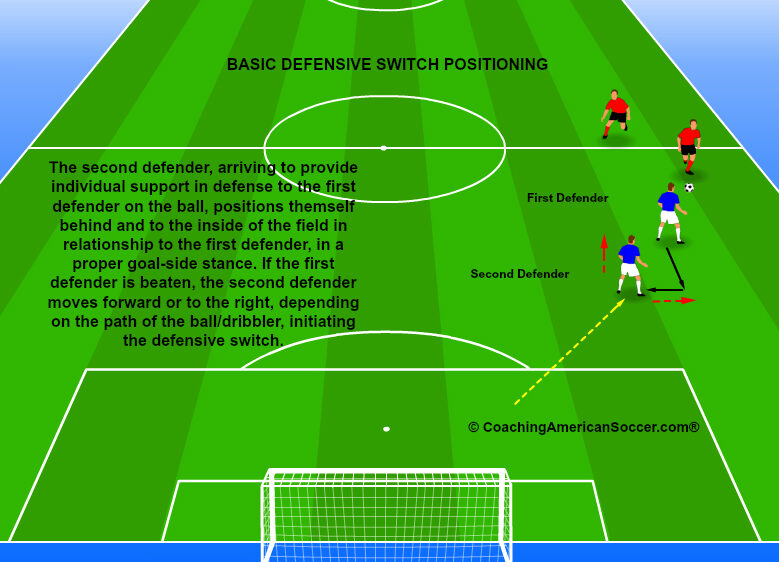
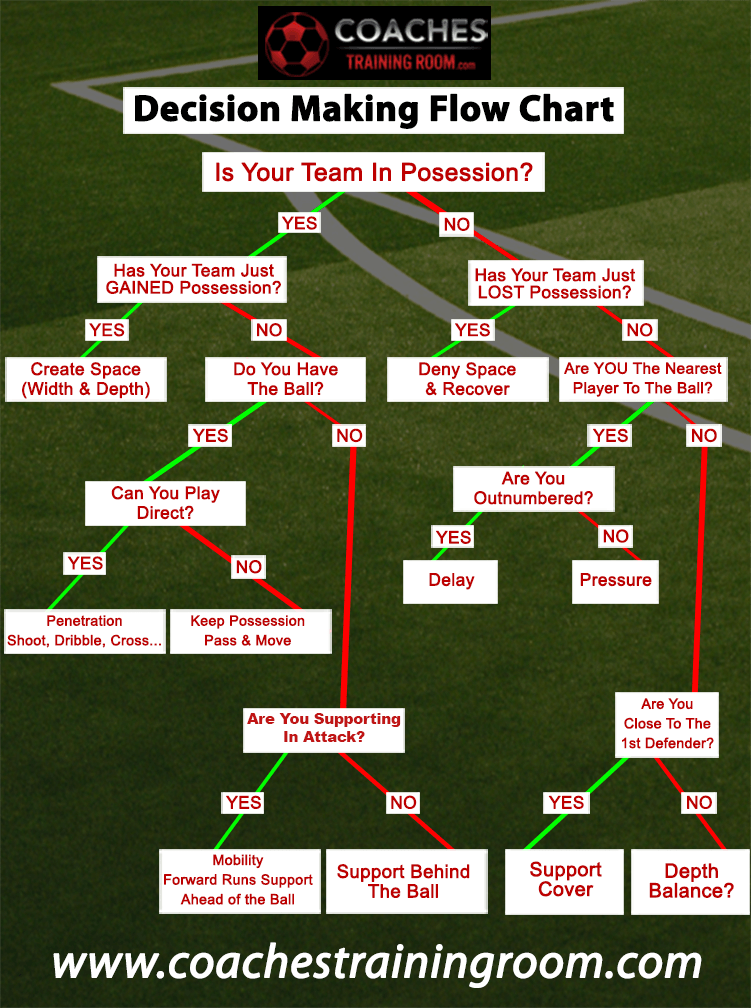
You don’t just run at someone and tackle. That’s how you get beaten. Good defending is a funnel that narrows the attacker’s options until a tackle becomes the obvious, safe choice.
The process looks like this:
1. Delay: Slow the attacker’s progress by getting goal-side (between them and your goal).
2. Contain: Use a jockeying technique, that side-shuffle stance, to shepherd them away from central danger zones, ideally towards a teammate or the sideline.
3. Control: Listen. Your goalkeeper or defensive midfielder might be shouting instructions. Be aware of your support.
4. Tackle: Only now, when the attacker is out of ideas or makes a mistake, do you commit.
Skipping straight to step four is the most common mistake in youth soccer. It’s impatience disguised as aggression. Your job as a defender is first to protect the goal, not heroically win every ball. Sometimes, containing an attacker until they pass backwards is a bigger win than a tackle.
This foundational approach is part of any solid team defensive structure, whether you’re in a defensive 5-3-2 formation or a more aggressive shape.
The 6 Rules of a Proper Soccer Tackle
Before we talk technique, you need the rules. Break these, and you’re not tackling, you’re fouling.
| Rule | What It Means | Consequence If Broken |
|---|---|---|
| Play the ball, not the man | Your foot’s trajectory must aim for the ball. Contact with the player can follow, but ball is first. | Direct free kick. Yellow card if reckless. |
| Keep at least one foot on the ground | No two-footed, jumping, or “scissor” tackles. You must be in control. | Serious foul play. Red card is likely. |
| Never tackle from directly behind | You cannot see the ball and will almost certainly take the player’s legs. | Penalty kick if in the box. Red card for denying an obvious goal-scoring opportunity. |
| Studs must be down, not up | Present the sole or side of your boot. Leading with the spikes is dangerous play. | Direct free kick. Automatic yellow card. |
| Timing over power | Win the ball in the moment the attacker loses close control. Don’t rely on force. | Mistimed tackle = foul. Often a yellow for being “careless.” |
| Follow through with control | After contact, your momentum should secure the ball, not follow through on the opponent. | Can turn a clean tackle into a foul if you trip the player after winning the ball. |
The ASCI Pro tackling technique guide emphasizes that timing and positioning for tackles are more critical than brute force, a principle backed by coaching manuals worldwide.
Common mistake: Diving in with a straight-legged lunge, you’re off-balance the moment you leave your feet, and the attacker can easily push the ball past you. You’re beaten and out of the play.
TL;DR: These six rules are non-negotiable. They define the difference between a skill and an infringement.
Mastering the Front Block Tackle
This is your bread and butter. The front block tackle is used when you are face-to-face with an attacker. It’s about strength, timing, and a specific locking technique.
Why-layer: You use the inside of your foot because it presents the largest, flattest surface area. This maximizes your chance of clean contact and gives you the best control to cushion the ball, not just blast it away.
Here is the step-by-step breakdown:
1. Stance and Approach: Get into your low defensive stance. Don’t run straight at the attacker; approach at a slight angle. This forces them toward their weaker side or your support.
2. The Trigger: Wait for the heavy touch. When the ball rolls slightly away from the attacker’s foot, that’s your signal. This is the core of timing your tackles.
3. The Step and Lock: Step forward with your tackling foot. As you make contact, lock your ankle, tense it so your foot is rigid. Make contact with the ball using the full inside surface of your boot, from the base of your big toe to your ankle.
4. The “Lock-Up”: Ideally, you trap the ball between your foot and the attacker’s foot for a split second. This kills the ball’s momentum completely.
5. Follow-Through: Your body weight follows your foot. Use your shoulder and arm (fairly!) for balance and to shield the ball as you win it. Your next touch should be to control or pass.
I learned the importance of ankle lock the hard way. In a youth tournament final, I went for a clean block tackle but my foot was loose. My ankle rolled on contact, I sprained it badly, and the ball squirted straight to their striker for the winning goal. A rigid ankle wins the ball and protects you.
Body Position and the Art of the Angle

Your body shape before the tackle dictates its success. Standing square-on, chest facing the attacker, gives them equal options to go left or right. You become a turnstile.
Instead, show them one way. Angle your body to force the attacker toward the sideline or onto their weaker foot. You achieve this by positioning your lead foot and dropping that shoulder slightly. This subtle shift cuts the field in half for them. It’s a psychological and physical barrier.
This angled approach is also your best defense against a bigger, stronger opponent. You’re not trying to out-muscle them. You’re out-thinking them. Guide them into a space where their size is a disadvantage, like the tight space near the touchline. Then, use a quick, technical poke or block tackle.
I prefer the angled stance over a pure face-up confrontation. It turns a 50/50 duel into a 70/30 situation in your favor because you’ve already dictated the attacker’s next move.
When and How to Use a Slide Tackle

The slide tackle is a tool, not a default. It’s for emergencies: when you’re beaten for pace, when you must reach a ball that’s getting away, or to make a last-ditch block in the penalty area. It is high-risk and requires perfect sliding tackle timing.
The Rules of the Slide:
- It’s a last resort. If you can stand tackle, do that.
- Win the ball first, clearly. Your foot must hook or block the ball before any contact with the player.
- Keep it low and on your side. Slide on your hip and thigh, not your knees. Lead with the foot farthest from the opponent to maximize reach.
- Get up immediately. The play isn’t over.
The biggest risk isn’t fouling, it’s missing. A missed slide tackle takes you completely out of the game. You’re on the ground while the attack continues. Understand the risks of sliding tackles before you commit.
For a deep dive on this specific technique, including when it’s the right choice, our guide on executing a slide tackle covers the mechanics in detail.
Training Drills to Build Tackling Skill
You can’t learn this in games. You need repetitive, controlled practice. Start without opposition, then add passive pressure, then live pressure.
1. The Mirror Drill:
Partner up, one attacker, one defender. The attacker dribbles slowly in a 10×10 yard grid. The defender’s job is not to tackle, but to contain an attacker using their jockeying stance, staying goal-side, and matching movements. Switch every minute. This builds the patience and footwork that comes before the tackle.
2. The Block Tackle Channel:
Create a narrow channel with cones, about 3 yards wide. Two players start at opposite ends, each with a ball. They dribble towards each other. In the middle, they must execute a controlled front block tackle, trying to win the other’s ball and continue. It forces clean technique in a confined space.
3. 1v1 to Small Goals:
This is the test. Play 1v1 in a 20×15 yard area with two small goals. The defender must win the ball via a tackle and then score. This replicates the game reality: winning the ball is only half the job. You must then do something with it.
These drills isolate the components. The mirror drill teaches the defensive positioning and patience. The channel drill builds the technical execution. The 1v1 game puts it all together under pressure. This progression is a cornerstone of any comprehensive tactics guide for player development.
Frequently Asked Questions
What’s the difference between a standing tackle and a sliding tackle?
standing tackle is any tackle performed with at least one foot firmly on the ground, like the front block tackle. It’s about control and positioning. A sliding tackle involves going to ground to extend your reach. It’s a recovery tool or a last-ditch effort. The key tackling differences come down to risk, control, and situational use.
How can I avoid fouling when I tackle?
Focus on timing and technique, not power. Most fouls happen because a player is late or lunges off-balance. Practice the trigger, tackling the moment the ball is pushed away from the attacker’s foot. Also, always aim for the ball with the side of your foot. If you’re constantly fouling, you’re probably trying to tackle too much. Focus on jockeying technique and containment first.
Is it a foul if I get the ball but also take the player?
Not necessarily, but it’s a gray area. If you clearly play the ball first with a fair technique, and follow-through contact is incidental, it’s often play on. However, if your challenge is overly forceful (“excessive force”) or you follow through dangerously, the referee can still call a foul. It comes down to their judgment of your intent and control.
What’s the best way to tackle a faster opponent?
Don’t try to chase and tackle from behind. Your priority is to recover your defensive position between them and the goal first. Use an angled run to cut them off, then apply pressure from the side. Your tackle opportunity will come if you can force them to slow down or make a cut. Your speed of thought must beat their speed of foot.
How do I know when to commit to a tackle?
Your cues are visual: the attacker’s head goes down, their touch is heavy, or they try an overly elaborate move and the ball gets away from them. If the ball is stuck to their foot, be patient and contain. The decision to commit is the single most important skill in defensive soccer tactics.
The Bottom Line
Tackling properly in soccer isn’t about being the hardest player on the pitch. It’s about being the smartest. It’s a disciplined sequence of positioning, patience, and precise technique. Master the front block tackle with a locked ankle. Understand that a slide tackle is a special weapon, not your everyday tool. Most importantly, remember that a successful defender often wins by not tackling at all, by shepherding an attack into nothingness through sheer positioning and grit.
Your goal is to make the referee’s decision easy. A clean, well-timed tackle is a thing of beauty and a foundation of any successful team defensive strategy. Now get out there and practice the process, not just the lunge.

I come from the “soccer heart” of Germany, the Ruhrpott. I have played, trained and followed soccer all my life and am a big fan of FC Schalke 04. I also enjoy following international soccer extensively.