MLS Most Valuable Players Top 15: The Market Leaders
The top 15 most valuable MLS players in 2026 are led by Lionel Messi, with a market value around $37 million, followed by stars like Thiago Almada ($29M), Miguel Almirón, and Riqui Puig. Their worth is a mix of current performance, age, potential, and brand power, not just MVP votes.
Most lists just slap numbers next to names. They don’t tell you why a 22-year-old with 10 goals can be worth more than a 30-year-old Golden Boot winner, or why two different sources can rank the same player ten spots apart. That’s the part that matters.
This isn’t a simple ranking. It’s a snapshot of a league where value is being redefined weekly. We’ll break down the two major 2026 lists, explain the math behind the numbers, and show you which players are genuine assets versus seasonal sensations.
Key Takeaways
- Market value and MVP are different currencies. The Landon Donovan MVP Award rewards the best single-season performance. A player’s market value is a financial forecast that heavily weights youth and resale potential.
- Valuation sources disagree by methodology. A player’s “market value” in USD and their “Estimated Transfer Value” in Euros are calculated differently. Direct comparisons between lists are misleading without understanding the models.
- Age is the single biggest multiplier for MLS valuations. A prolific 34-year-old will almost always be valued lower than a promising 22-year-old with similar stats, due to the potential for a future lucrative transfer.
- MLS parity creates unique value spikes. In a league without relegation and with a salary cap, a standout performer on a mid-table team can see their value skyrocket faster than in a stratified European league.
- Brand power is a tangible line item. Lionel Messi’s value isn’t just about his 2025 MVP stats. It includes jersey sales, global attention, and stadium sell-outs—commercial factors that pure algorithms often undervalue.
What Makes an MLS Player Valuable?
Forget the highlight reels for a second. In the front offices of Atlanta United, LAFC, and Inter Miami, a player’s value is a three-part equation. It’s colder than fan sentiment.
First, there’s the on-field production. Goals, assists, defensive actions, expected goals (xG)—the quantifiable output. This is what wins the Landon Donovan MVP Award. A player like Nashville SC’s Hany Mukhtar, the 2022 MVP, built his value here. But this is just the entry ticket.
The second, and often decisive, factor is age and potential. A 22-year-old with 10 goals is frequently valued higher than a 30-year-old with 20. Why? The resale clock. MLS clubs, especially those with global scouting networks, view young talent as an appreciating asset. A high-performing player under 25 represents a future eight-figure transfer to Europe. That potential fee is baked into their current market value today.
Market valuation algorithms from firms like FootballTransfers use an Estimated Transfer Value (ETV) model that heavily weights age, contract length, and league strength alongside performance data.
The third pillar is commercial impact. This is the Messi Effect, quantified. When Inter Miami CF signs Lionel Messi, his value isn’t just his play. It’s the millions in new sponsorship deals, the sold-out stadiums on the road, and the exponential growth in Apple TV subscriptions. This brand power creates a premium that pure statistical models struggle to capture. It’s why his market value defies his age.
TL;DR: Value = (Current Performance) + (Age & Potential Resale) + (Brand Power). Miss one, and you’re not topping the list.
The Top 15 MLS Players by Market Value in 2026
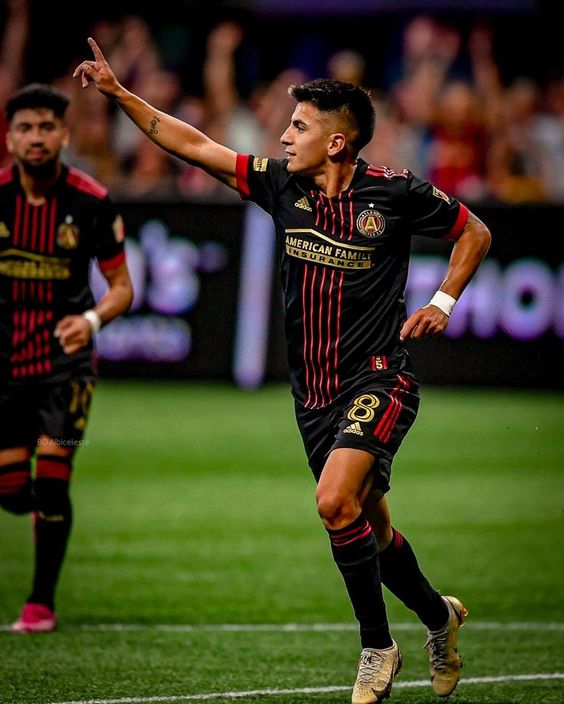
This list, sourced from industry reports, uses a traditional market-value assessment in U.S. dollars. It reflects what clubs might reasonably expect to pay or receive in a transfer.
| Player | Club | Reported Market Value | Key 2025/26 Note |
|---|---|---|---|
| Lionel Messi | Inter Miami CF | $37 million | Back-to-back MLS MVP (2024, 2025) |
| Thiago Almada | Atlanta United FC | $29 million | Young Designated Player with European interest |
| Sebastián Driussi | Austin FC | $16 million | Consistent offensive engine for Austin |
| Facundo Torres | Orlando City SC | $15 million | Dynamic winger, key to Orlando’s attack |
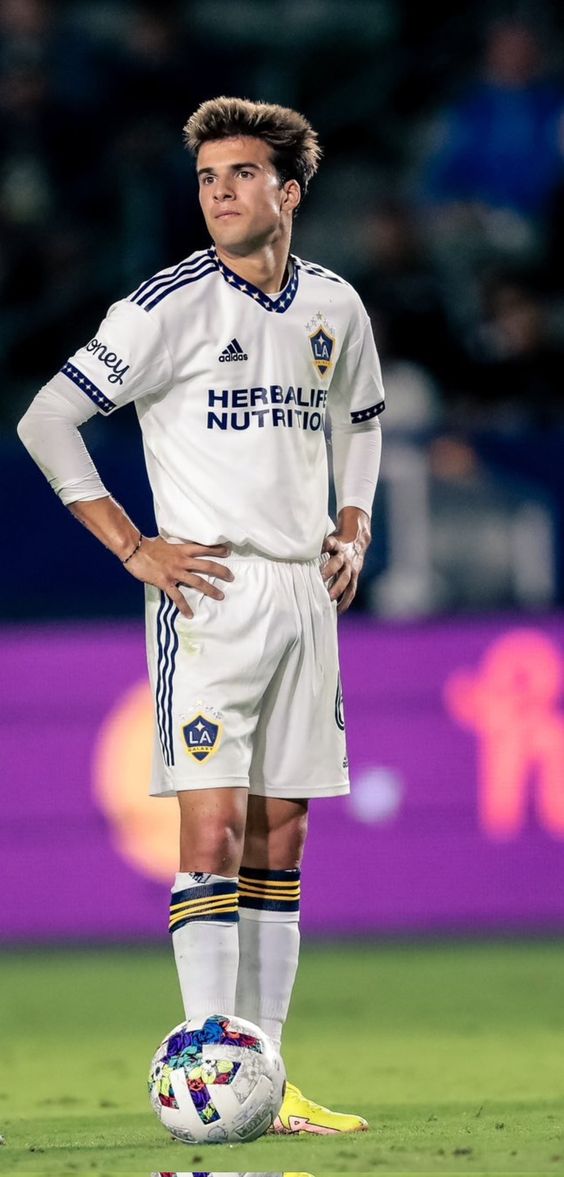
| Riqui Puig | LA Galaxy | $12.8 million | Central midfield maestro, high passing volume |
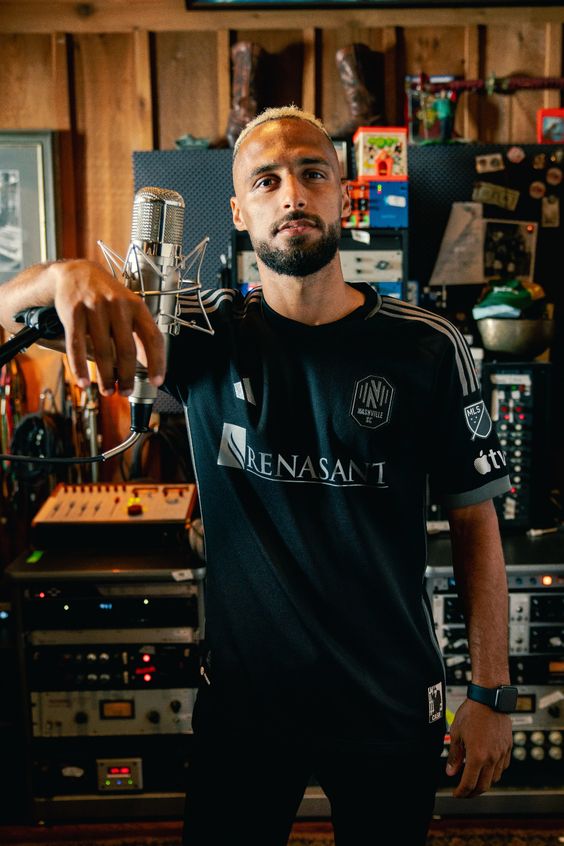
| Hany Mukhtar | Nashville SC | $12.8 million | 2022 MLS MVP, perennial contender |
| Talles Magno | New York City FC | $12.8 million | Young talent with high upside |
| Jesús Ferreira | FC Dallas | $9.5 million | U.S. international striker |
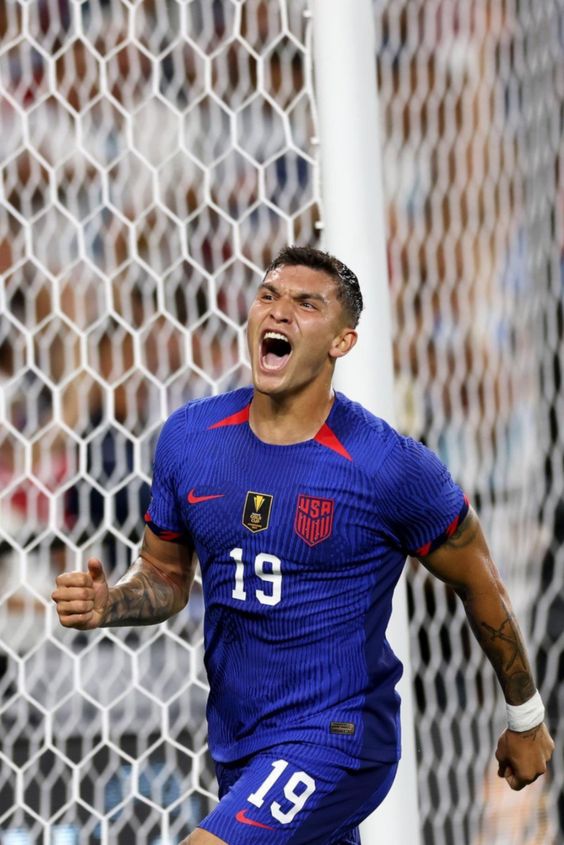
| Brandon Vazquez | FC Cincinnati | $9 million | Powerful target forward |
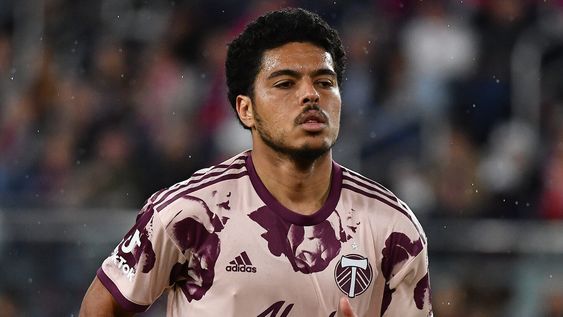
| Evander | Portland Timbers | $8.5 million | Creative midfielder with high G/A output |
| Lorenzo Insigne | Toronto FC | $8.5 million | Veteran Italian international |
| Dániel Gazdag | Philadelphia Union | $8.5 million | Reliable goal-scoring midfielder |
| Emanuel Reynoso | Minnesota United FC | $8 million | Elite playmaker when fit |
| Sam Surridge | Nashville SC | Value not listed* | 2025 MLS Golden Boot winner (23 goals) |
| Denis Bouanga | Los Angeles FC | Value not listed* | 2023 Golden Boot, 24 goals in 2025 |
*Note: Surridge and Bouanga’s absence from this specific dollar-value list is telling. It highlights a gap between sheer goal output and holistic market valuation, which often penalizes older strikers regardless of production.
Lionel Messi’s position is in a stratosphere of its own. The $37 million figure isn’t just for his playmaking—though his consecutive MVP awards solidify that. It’s a composite of his unmatched global brand, his ability to single-handedly elevate the league’s profile, and the commercial windfall he brings. He is the exception to every rule.
The presence of Thiago Almada at number two, however, proves the rule. At 22, his value is almost entirely projected on his potential. His technical skill is undeniable, but his price tag is a bet on his next move. Clubs paying a premium for young Designated Players is a core tenet of the modern MLS financial structure.
Common mistake: Equating a player’s goal tally directly with their market value — a 30-year-old Golden Boot winner like Sam Surridge can have a lower projected transfer value than a younger midfielder with half the goals, because resale potential drives the number.
The Top 15 MLS Players by Estimated Transfer Value (ETV) in 2026
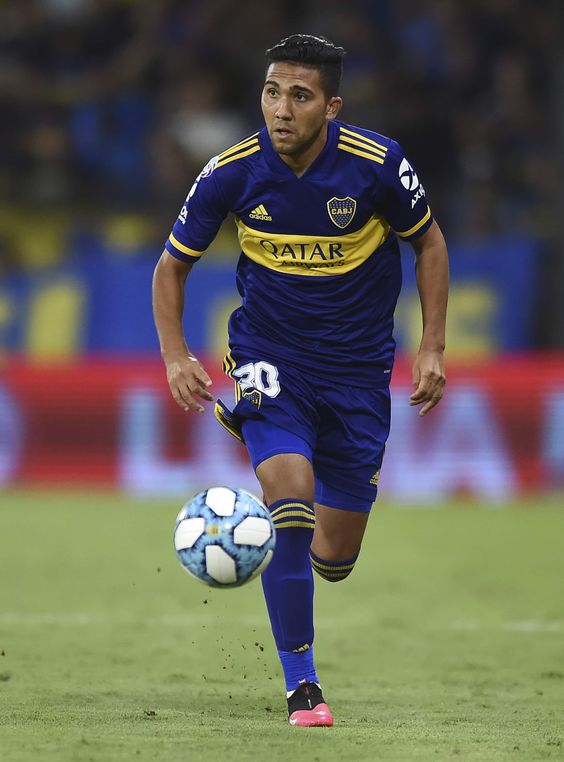
FootballTransfers uses a different lens: their Estimated Transfer Value algorithm. This model, output in Euros, emphasizes data-driven factors like league difficulty, player age, and performance metrics over a longer period. The rankings shift.

| Player | Club | ETV (€) | Primary Value Driver |
|---|---|---|---|
| Lionel Messi | Inter Miami CF | €13.9 million | Brand & Legacy (age depresses pure ETV) |
| Miguel Almirón | Atlanta United FC | €22.9 million | Prime-age production & proven PL experience |
| Emmanuel Latte Lath | Atlanta United FC | €19.2 million | Youth & high scoring rate |
| Riqui Puig | LA Galaxy | €18.6 million | Possession dominance & creative output |
| Facundo Torres | Orlando City SC | €16.5 million | Dribbling, chance creation, youth |
| Son Heung-min | LAFC | €15.8 million | World-class pedigree & immediate impact |
| Kevin Denkey | FC Cincinnati | €15.3 million | Goal-scoring form & age |
| Thiago Almada | Atlanta United FC | €14.5 million | Potential & technical skill |
| Evander | FC Cincinnati | €12.5 million | Combined goals & assists |
| Hugo Cuypers | Chicago Fire FC | €12.3 million | Current form (joint Golden Boot leader) |
| Anders Dreyer | San Diego FC | €11.6 million | Versatile attacking contributions |
| Jordi Alba | Inter Miami CF | €10.2 million | Experience & leadership |
| Talles Magno | New York City FC | €7.1 million | Long-term potential |
| Brandon Vazquez | Austin FC | €6.5 million | Physical profile & hold-up play |
| Djordje Mihailovic | Colorado Rapids | €6.4 million | U.S. international playmaker |
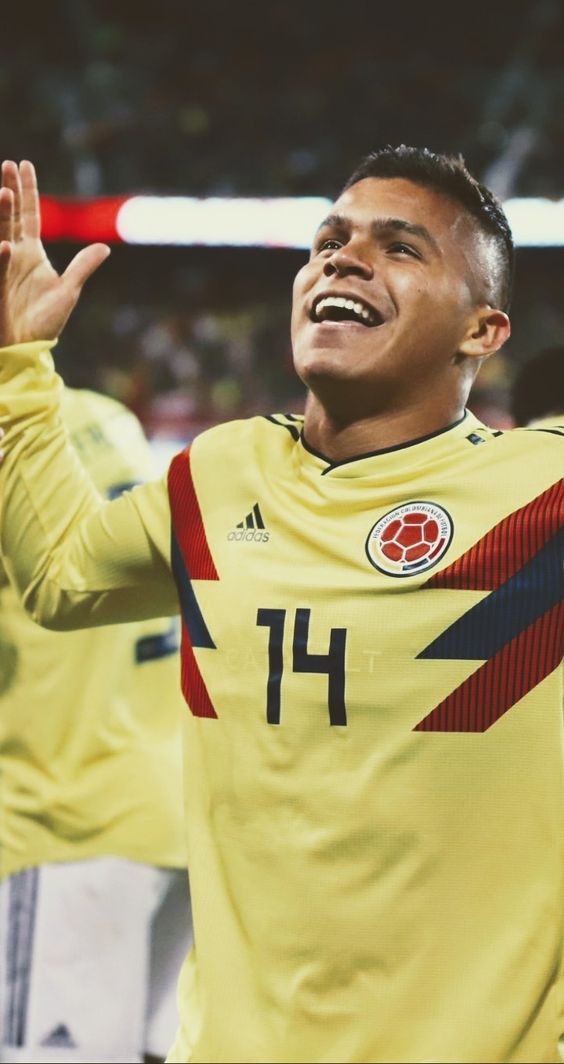
The differences are stark. Messi drops to the top of a more crowded field because the ETV model accounts for his age, reducing the pure financial projection. Meanwhile, Atlanta United’s Emmanuel Latte Lath rockets up the list. His €19.2 million valuation underscores how a young striker (24) on a hot scoring streak is catnip to algorithms forecasting future transfers.
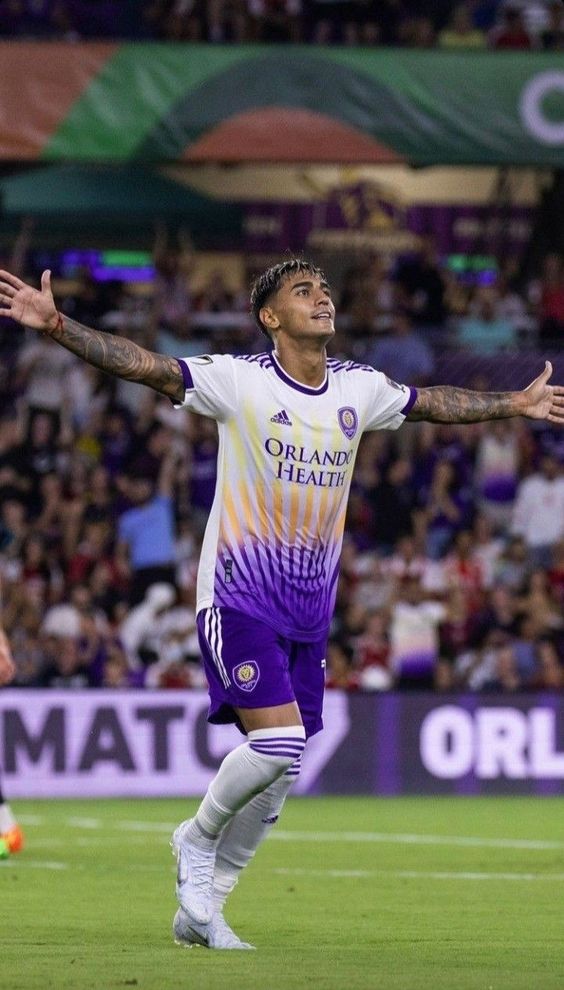
Son Heung-min’s entry at LAFC is a classic case of pedigree impacting initial valuation. His ETV reflects his proven world-class ability at Tottenham, though it will adjust based on his actual MLS output. This highlights how the league’s competition calendar and intense travel can challenge even the best newcomers.
TL;DR: The ETV list favors youth and recent statistical trends, often ranking hot young scorers above established veterans who appear higher on traditional market-value lists.
MVP vs. Market Value: Why the Lists Diverge

This is where people get confused. The Landon Donovan MVP award and a million-dollar valuation are related, but they’re not the same thing.

The MVP is a seasonal award. It answers one question: who was the best player this year? It looks backward. Sam Surridge winning the 2025 Golden Boot makes him an MVP candidate. Denis Bouanga scoring 24 goals in 2025 puts him in the conversation. This award is about peak performance within a single MLS season format.

Market value is a financial forecast. It looks forward. It asks: what would a club pay for this player’s future contributions? Age becomes the dominant variable. A 22-year-old Almada might have fewer goal contributions than a 29-year-old Bouanga, but his potential for growth and a lucrative sale in three years makes him more valuable on a balance sheet.

The disconnect is perfectly illustrated by the 2022 MVP, Hany Mukhtar. He remains one of the league’s most effective players, a constant in any MLS playoff structure. Yet, on the ETV list, he’s absent. Why? He’s 29. The algorithm sees a player entering his later prime with diminishing resale potential, and his value cools accordingly.
I learned this the hard way following young talents in Europe. A player bursts onto the scene, wins awards, and everyone assumes his transfer fee will double. Then you see the offers. Clubs pay for tomorrow’s performance, not yesterday’s trophy. The same calculus now applies in MLS.
How MLS Parity Creates Value Spikes

The unique structure of Major League Soccer acts as a value incubator. Without promotion and relegation, and with mechanisms like the salary cap and allocation money, the playing field is leveled. This parity, a point of pride discussed in fan forums, has a direct effect on player valuations.
In a more stratified league, a star on a mid-table team might be overlooked. In MLS, that same star is the difference between making the playoffs and watching them. When a player like FC Cincinnati’s Kevin Denkey or Chicago’s Hugo Cuypers starts scoring at a high rate, they don’t just lift their team—they become the focal point of its entire attack. Their individual contribution is hyper-visible, which inflates their perceived value.
This environment means a player can see his market value jump 50% in a single season based on performance, because his impact is so undiluted. It’s a different dynamic than in the Premier League, where superstars are concentrated at the top. Here, a standout performer at any club gets the spotlight.
The league’s single-entity system, where the league owns all player contracts, actually creates a more stable and predictable market for these valuations. Teams aren’t bidding against each other in a wild free agency frenzy; trades and transfers operate within a known framework of allocation money and salary budget charges.
This system protects clubs from financial ruin but also creates a ceiling. A player’s maximum value is often pegged to the allocation money required to buy him down from a Designated Player spot. It’s a controlled market, but one where smart clubs can find massive value.
Frequently Asked Questions
Who is the most valuable MLS player in 2026?
Lionel Messi is the most valuable MLS player in 2026. His estimated market value is around $37 million, a figure that combines his on-field performance as a back-to-back MVP with his unparalleled global commercial impact for Inter Miami CF and the league.
How is MLS player value calculated?
Player value is calculated using models that weigh on-field statistics (goals, assists, defensive actions), age, contract length, position, league strength, and potential transfer interest. Sources like FootballTransfers use an Estimated Transfer Value (ETV) algorithm, while market reports blend this data with real-world transfer rumors and club financials.
Does winning MVP make you the most valuable player?
Not necessarily. Winning the Landon Donovan MVP Award means you were the best performer that season. However, “most valuable” in a market sense heavily weights youth and future resale potential. A younger player with high potential can have a higher market value than an older MVP.
Why are there different rankings for most valuable players?
Different rankings use different methodologies and currencies. One list might report “market value” in U.S. dollars based on insider estimates, while another uses a purely statistical “Estimated Transfer Value” in Euros. Factors like how much they weight age versus current form cause the lists to vary.
Which MLS team has the most valuable players?
Atlanta United FC consistently fields some of the league’s most valuable squads. Their 2026 roster, featuring high-value talents like Thiago Almada, Miguel Almirón, and Emmanuel Latte Lath, reflects a strong investment in young, technically gifted players with high resale potential.
Before You Go
Chasing the “most valuable” tag in MLS requires looking past the headlines. The number next to a player’s name is a story about his past performance, his future potential, and the unique economic engine of North American soccer. Lionel Messi stands alone, a category of one where brand and legacy define worth. But right behind him, the real market is shaped by the Thiago Almadas and Emmanuel Latte Laths—young assets whose value is a bet on tomorrow.
Remember, the league’s parity means a breakout season can rewrite a player’s value overnight. Keep one eye on the Golden Boot race and the other on the birth dates. That’s where you’ll find the next name to top this list.

I come from the “soccer heart” of Germany, the Ruhrpott. I have played, trained and followed soccer all my life and am a big fan of FC Schalke 04. I also enjoy following international soccer extensively.