Soccer Substitution Rules Explained: The 5-Sub Limit & Protocol
Soccer substitution rules allow a maximum of five substitutes per team, but they can only be used during a maximum of three substitution opportunities, plus an additional opportunity at halftime. The player being substituted must leave the field within ten seconds of the signal, and the substitute can only enter at the halfway line after the referee’s permission.
Most guides stop at “five subs, three windows.” They miss the tactical landmines buried in the official Laws of the Game. The difference between a substitution opportunity and the number of substitutes has cost teams matches. A manager who burns all three opportunities on single swaps in the first half can’t make a double change to defend a lead later, even with substitutes left on the bench.
This guide breaks down the current IFAB laws, the new 10-second exit rule coming in 2026, and the precise mechanics that separate a legal change from a cautionable offense.
Key Takeaways
- The five substitutes rule is capped at three substitution opportunities during regulation time, not counting halftime.
- A player has ten seconds to leave the field after a substitution is signaled, or their team plays short for a minute.
- Concussion substitutes are separate and do not count against your five-sub limit or three-opportunity quota.
- You can change the goalkeeper with any outfield player during a stoppage, but the referee must be informed first.
- Once a player is substituted, they are done for the match in professional adult football—there are no returning substituted players.
How Many Substitutes Are Allowed? (The 5-Sub Rule)
The global standard for top-tier competitions is five substitutes. This includes the UEFA Champions League, Premier League, Bundesliga, and FIFA World Cup. The rule came as a permanent change after its temporary pandemic-era introduction, and it’s now Law 3.
But the number five is only half the story. The real limit is your substitution opportunities. You get three windows during open play to use those five subs. Halftime is a free fourth window.
A substitution opportunity is defined as any stoppage where a team is permitted to make one or multiple substitutions. Making three separate single-player changes at three different stoppages uses all three opportunities, even if you’ve only used three of your five available subs.
This is the strategic trap. A manager making three early injury changes burns all their opportunities. They could still have two fresh players on the bench, but they can’t bring them on unless the game reaches halftime or extra time. I saw this happen to a team in the Canadian Premier League a few seasons back. They used all three slots on injuries in the first 35 minutes. At halftime, they could have used their two remaining subs, but they didn’t. For the entire second half, they watched their tiring squad get overrun with no way to intervene.
TL;DR: You have five subs to use, but only three chances during the game to send them on. Use a window to make multiple changes.
| Competition Type | Max Substitutes | Max Opportunities | Notes |
|---|---|---|---|
| Top-Flight Club / Senior ‘A’ International | 5 | 3 + halftime | Standard for UEFA, CONMEBOL, FIFA tournaments. |
| Senior ‘A’ International Friendlies | Up to 11 | 3 + halftime | Must be agreed by both teams and the referee before kick-off. |
| Youth / Veterans / Grassroots | Varies | Varies | Often allows rolling substitution and player re-entry, subject to league rules. |
What Counts as a “Substitution Opportunity”?
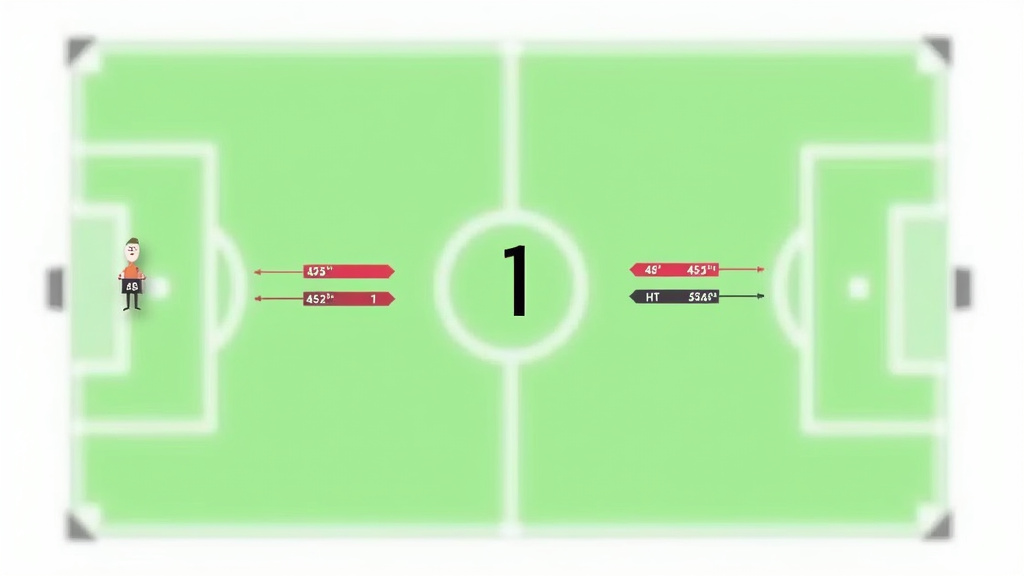
An opportunity is any stoppage where you signal a substitution to the fourth official. Make one change or make five changes at that same stoppage—it still counts as one used opportunity.
The clock matters. If you make a change in the 44th minute and another in the 45th+2′, that’s two separate opportunities. The referee’s whistle for halftime creates a new, free opportunity that doesn’t count against your three.
The most common mistake is treating opportunities and substitutes as the same thing. They are not. Your substitution allowance is a pool of players. Your opportunities are the number of times you can dip into that pool.
Common mistake: Making three single-player substitutions at three different stoppages — you’ve used all three opportunities and can’t make a tactical double-change later, even with two subs left.
The 10-Second Rule to Stop Time-Wasting
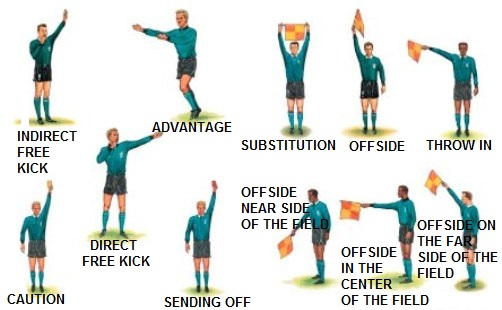
Starting with the 2026/27 Laws of the Game, a new time-limited substitution protocol is in effect. The player being substituted must leave the field of play within ten seconds of the substitution being signaled.
If they don’t, the substitute still cannot enter. The game restarts, and the team plays with one fewer player until the next stoppage in play, or until one minute of playing time has elapsed, whichever comes first. The dawdling player can also be cautioned for delaying the restart.
The ten seconds start when the fourth official’s board goes up. It’s not a suggestion. I’ve watched preseason tests where referees literally count down with their fingers. Exceptions are made only for safety (a player is injured and needs assistance) or if the player is on the far side of the pitch and must travel a significant distance.
This rule targets the slow, celebratory walk-off that eats 30 seconds. Now, it risks leaving your team short-handed for a critical minute. The pace of the game just got faster.
Step-by-Step: How a Legal Substitution Happens
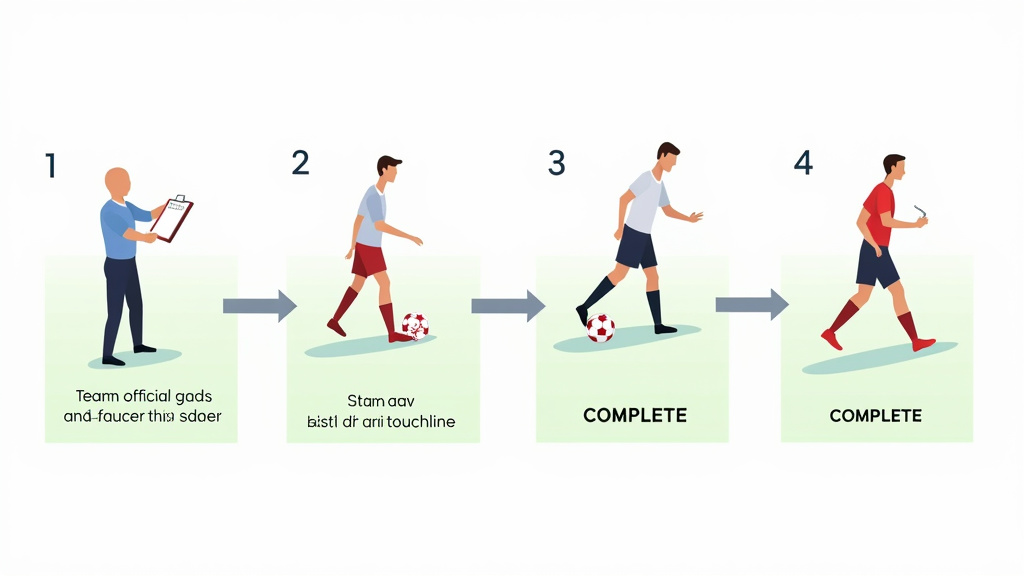
The procedure is strict. Missing a step can nullify the change or bring a caution.
- Notification. A team official informs the fourth official of the intended change. This must happen before the stoppage. You can’t just run a player on.
- Stoppage. The referee must have stopped play. You cannot substitute on the fly.
- Permission to Leave. The referee signals for the player to come off. That player must leave at the nearest point on the boundary line, unless the referee directs them otherwise for safety or security. Walking across the pitch to the dugout is no longer allowed.
- Exit & Entry. The substitute waits at the halfway line. They can only enter after the player has left and after the referee signals them on.
- Completion. The substitution is complete when the substitute enters the field. At that moment, the replaced player becomes a substituted player and cannot participate further.
Skipping step 3 or 4 is where things break. If a substitute enters before the player has fully left, the referee will stop play, caution the substitute for entering without permission, and restart with an indirect free kick. It’s a pointless yellow card that changes nothing.
Special Substitution Scenarios
Not all swaps are simple like-for-like changes. The laws have specific clauses for goalkeepers, concussions, and mistakes.
Changing the Goalkeeper
Any player can swap positions with the goalkeeper. You don’t need to use a formal substitution. The referee must be informed before the change, and it must happen during a stoppage. If an outfield player takes the gloves without telling the ref, it’s not an illegal substitution, but both players can be cautioned for unsporting behavior.
Concussion Substitutions
This is a critical safety rule. Each team has one concussion substitute available. If a player suffers a suspected concussion, the team can use this special sub without it counting toward their five substitutes rule or using one of their three opportunities.
If a team makes a normal sub at the same time as a concussion sub, that normal sub does count against their limits. The concussion sub is purely an extra player for a medical emergency. The opposing team is also granted an additional substitute opportunity as a fairness measure.
What Happens If You Make a Mistake?
The laws are surprisingly pragmatic. If a team accidentally starts a named substitute instead of a named starting player, and the referee isn’t informed, play continues. The substitute is not disciplined. The named starter becomes a substitute, and no substitution limit is charged. The authorities are informed after the match.
The same applies if a substitution is made at halftime without the referee’s knowledge. The game isn’t re-started. The error is just reported.
Substitutions in Extra Time and Different Competitions
Extra time follows the same current substitution rules. If a team hasn’t used all five subs or all three opportunities by the end of regulation, they can use the remainder in extra time. Each team also gets one additional substitution opportunity in extra time (so a potential fourth window). This is separate from any concussion sub.
For non-top-tier football, the rules relax. In senior ‘A’ international friendly matches, teams can agree to use up to eleven substitutes. In youth, veterans, disability, and grassroots football, return substitutions (a player going off and coming back on later) are often permitted. This amateur league substitution system, sometimes called unlimited substitutions, is governed by competition rules, not the IFAB.
Frequently Asked Questions
Can a substituted player come back on?
No. In professional adult football governed by IFAB laws, a substitution is permanent. Once you’re off, you’re off. Returning substituted players is only allowed in youth, veteran, or grassroots football under specific league rules.
Does a goalkeeper substitution count as one of your five?
Yes, if you use a substitute goalkeeper from the bench, it consumes one of your five allotted subs. If you switch an existing outfield player on the pitch to goalkeeper, it does not count as a substitution.
What is a “substitution opportunity”?
It’s a stoppage in play where you are allowed to make substitutions. You can make one, two, or even five changes at that single stoppage, and it still only counts as one used opportunity. You get three during regulation time.
What happens if a player refuses to be substituted?
Play continues. The referee will not force the player off. The intended substitute cannot enter, and the substitution is effectively cancelled. The refusing player can be disciplined after the match by the competition authorities.
Can you substitute a player who has been sent off?
No. A player shown a red card after kick-off cannot be replaced. Your team plays with 10 players. The only exception is if a named substitute is sent off before kick-off; in that case, they can be replaced by another named substitute on the team sheet.
The Bottom Line
The number of substitutes is less important than the windows you have to use them. Manage your three opportunities like a precious resource—batch your changes. Remember the new ten-second exit clock. It turns a slow walk into a tactical liability.
Understand the difference between a concussion sub and a normal one. And know that the substitution permanence rule is absolute at the top level. Get the procedure right: inform the referee, wait for the stoppage, exit quickly at the nearest point, and enter only on the signal. Everything else is just noise.

I come from the “soccer heart” of Germany, the Ruhrpott. I have played, trained and followed soccer all my life and am a big fan of FC Schalke 04. I also enjoy following international soccer extensively.