Son Heung-min’s Complete Career and World Cup Story Revealed
Son Heung-min’s career and World Cup story is a journey of relentless ascent from Bundesliga prospect to Asian football icon and South Korea’s captain at a historic fourth World Cup in 2026. His path includes over 120 international caps, a Golden Boot with Tottenham Hotspur, and a defining move to Los Angeles FC, all while carrying the hopes of a nation on the global stage.
Most profiles get the timeline right but miss the weight. They list the clubs and the goals. They don’t talk about the pressure of being the one player an entire country’s football identity gets pinned to for over a decade. They don’t mention the sound of 50,000 people holding their breath every time he cuts inside on his right foot.
This guide walks through every phase. We’ll cover his club rise, his World Cup heartbreaks and heroics, the captain’s armband, and what a 33-year-old Son brings to the 2026 tournament in North America.
Key Takeaways
- Son is South Korea’s joint-top World Cup scorer with 3 goals; one more in 2026 makes him the sole record holder.
- His move to LAFC is strategic, acclimatizing him to North American conditions ahead of the 2026 World Cup, where he will be 34.
- Leadership defines his late career; he prioritizes team success and fan experience over personal scoring records.
- Securing military exemption by winning the 2018 Asian Games gold medal was a career-altering moment, freeing him to pursue his European peak.
- His evolution from a speedy winger to a creative playmaker and leader is the template for a modern footballer’s career longevity.
Son Heung-min’s Club Career Path
His professional story didn’t start in London or Los Angeles. It started in the rain and grit of northern Germany. FC Hamburg gave a 16-year-old Son his Bundesliga debut in 2010. The pace was obvious from day one. He wasn’t just fast; his acceleration over the first five yards froze fullbacks. A move to Bayer Leverkusen refined him. He learned to press, to track back, and that goals could come from either foot.
Then came Tottenham Hotspur in 2015. This was the leap. The Premier League’s physicality breaks many technically gifted players. Son adapted. He bulked up. He learned to ride challenges. The partnership with Harry Kane became one of the most prolific in the league’s history. The 2021/22 season was the pinnacle: 23 Premier League goals, no penalties, and the Golden Boot shared with Mohamed Salah. He became the first Asian player to win the award.
Son Heung-min’s transfer from Bayer Leverkusen to Tottenham Hotspur in August 2015 was valued at £22 million. At Spurs, he made 409 appearances across all competitions, scoring 161 goals and providing 84 assists, securing his place as the club’s all-time top Asian goalscorer.
The move to Los Angeles FC in 2025 surprised many. It wasn’t a decline. It was a calculated transition. The MLS schedule is less grueling than the Premier League’s. Playing in cities like Denver and Mexico City with LAFC directly prepares him for the varied altitudes and climates of the 2026 World Cup host nations. His current role is different. He’s the veteran playmaker, leading the league in assists. The goals will come, but the priority is rhythm and fitness for the national team.
TL;DR: Son’s career arc moved from German development to English stardom, now settling into a seasoned playmaker role in MLS, intentionally positioning him for a final World Cup run.
The World Cup Stage: 2014 to 2022
Every four years, the narrative resets. For Son, the World Cup has been a mix of personal frustration and national triumph.
2014 in Brazil was the introduction. He was 21, full of running but raw. He scored a brilliant solo goal against Algeria, a moment of individual quality in a disappointing group-stage exit. The tournament showed his potential, but also how much he needed to learn about leading a line under siege.
2018 in Russia carried the burden. He was the star now. The team struggled, but Son’s stunning strike against Mexico, a left-footed rocket from outside the box, was a goal worthy of any highlight reel. It was also bittersweet. South Korea beat Germany in a monumental upset, but it wasn’t enough. They went home early again. The defeat planted a seed. The team needed more than one brilliant player.
2022 in Qatar was the masterpiece of resilience. He arrived wearing a protective mask after facial surgery. The questions were about his fitness, not his talent. He didn’t score in the group stage. The criticism grew. Then, in the dying moments against Portugal, with South Korea needing a win to advance, he didn’t try to be the hero. He drew two defenders and slid a perfect pass through to Hwang Hee-chan. The assist sent the nation into delirium and the team into the knockout stages for the first time since 2010. It was the act of a true captain.
Common mistake: Judging Son’s 2022 World Cup by his goal tally, his tournament-defining assist against Portugal, created while wearing a protective mask, demonstrated a mature leadership that stats alone can’t capture.
That pass might be his most important contribution in a South Korea shirt. It proved he could lift the team when he wasn’t scoring. It changed the conversation about his value. You can read a detailed account of that pivotal moment and other crucial plays in this BBC Sport report on his fourth World Cup.
| World Cup | Son’s Contribution | Team Result | The Lesson |
|---|---|---|---|
| 2014 Brazil | Scored vs. Algeria | Group Stage Exit | Individual talent needs a team structure. |
| 2018 Russia | Scored vs. Mexico | Group Stage Exit | A legendary goal isn’t enough; tactical discipline is key. |
| 2022 Qatar | Match-winning assist vs. Portugal | Round of 16 | Leadership and creating for others trumps personal glory. |
Captain, Leader, National Icon
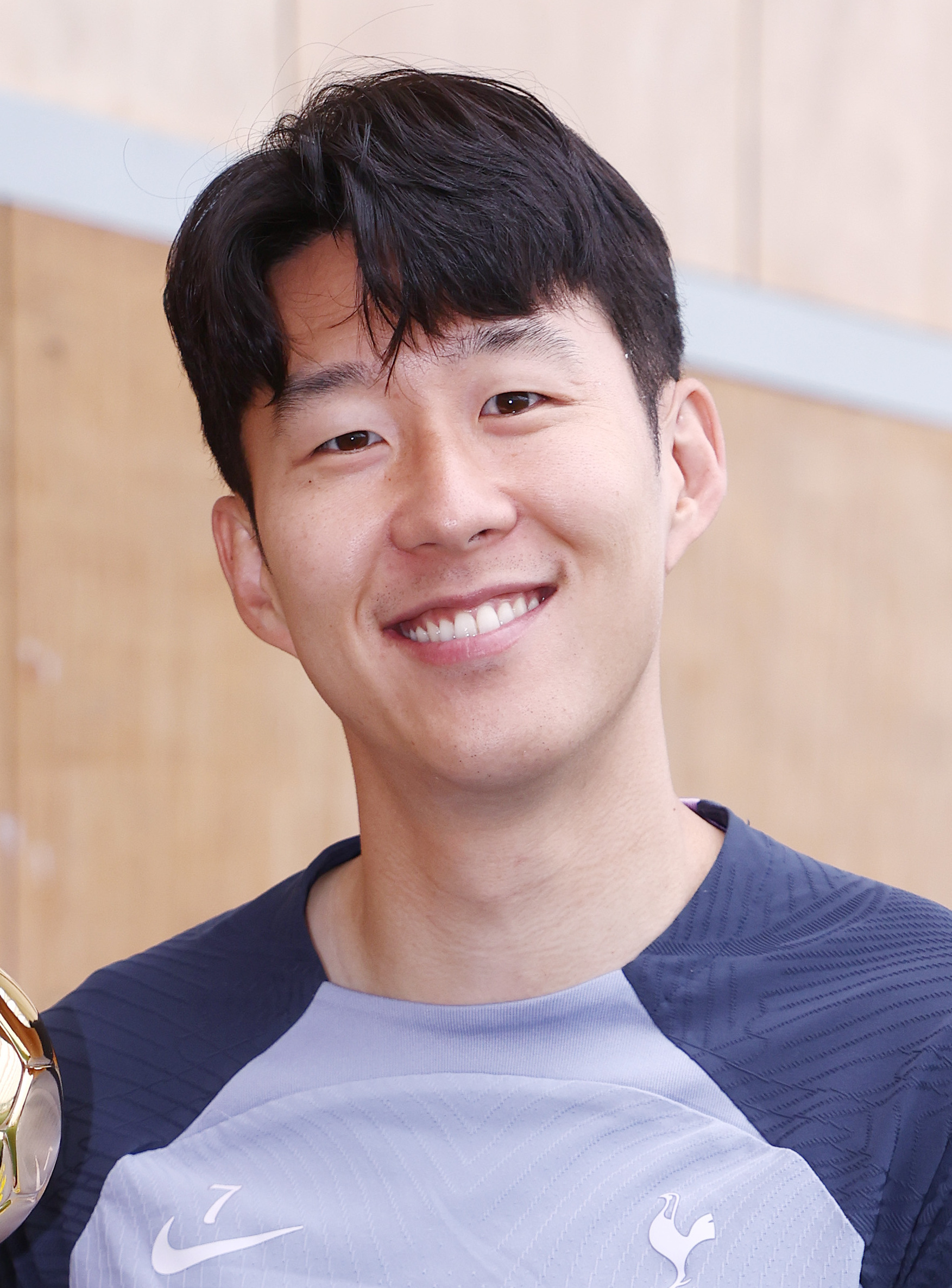
Photo: Ujishadow / Wikimedia Commons / CC BY-SA 4.0
.jpg)
The armband changed him. Appointed captain in 2019, Son’s responsibility shifted from just performing to elevating everyone around him. In South Korea, the football captaincy is a cultural position. It carries a weight akin to a statesman. He’s the bridge between the players, the coaching staff, and a fanatical public. His response to a recent scoring drought at LAFC tells you everything. “My ability doesn’t disappear overnight,” he said. Calm. Defiant. Unwavering.
His career faced a unique off-pitch hurdle: mandatory military service. All South Korean men must serve roughly two years. For a footballer at his peak, that’s a career killer. The 2018 Asian Games in Jakarta became the most high-pressure tournament of his life. Gold medal equals exemption. He delivered, scoring twice in the knockout stages, including in the final. The relief was palpable. That exemption wasn’t a loophole; it was a hard-fought prize that allowed his Tottenham and international prime to exist. This level of pressure and career management is a theme among elite athletes, similar to the complex retirement decisions in football that players face later in their careers.
His status now is unique. He’s not just the best player; he’s the elder statesman in a squad blooming with new talent. He mentors the next generation, like PSG’s Lee Kang-in. He represents a modern, globalized South Korea, a player who succeeded at the highest level in Europe and now shines in America. For a deeper look at his complete statistics and career timeline, his Wikipedia biography of Son Heung-min remains the most comprehensive factual resource.
The 2026 World Cup and Son’s Final Chapter
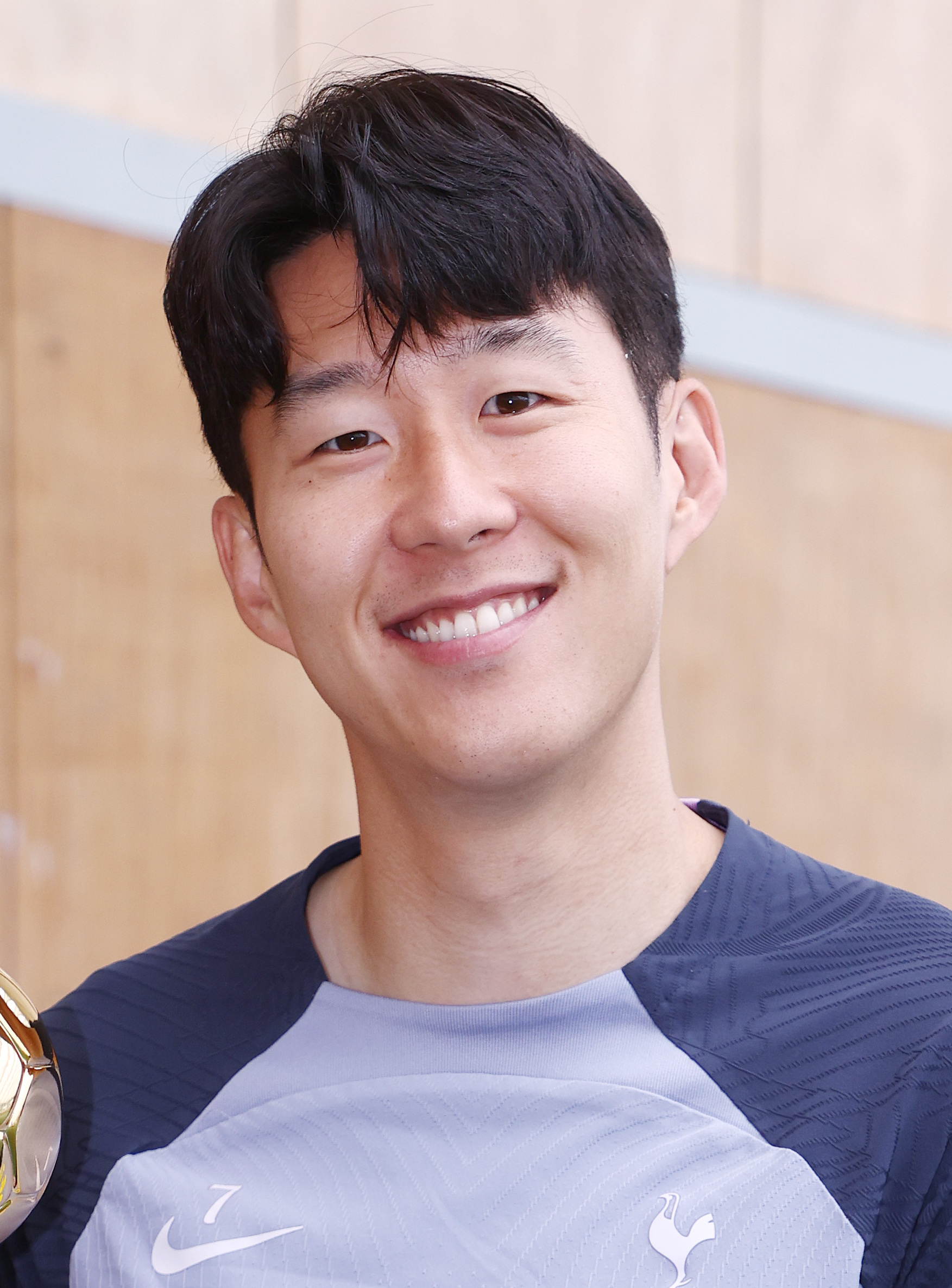
Photo: Ujishadow / Wikimedia Commons / CC BY-SA 4.0
The 2026 tournament is different. It’s in North America. He lives and plays there now. When the draw placed South Korea in Group A with the Czech Republic, Mexico, and South Africa, Son’s experience became even more critical. He’s played in the altitude of Mexico City with LAFC. He understands the travel, the pitches, the expectations.
At 33, his physical profile has evolved. The explosive speed that once defined him is now a weapon used sparingly. His game is about economy. Intelligent movement, crisp passing, and that lethal two-footed finish in the box. Manager Hong Myung-bo will use him as a floating forward, dropping deep to link play with midfielders like Lee Kang-in and springing runners like Hwang Hee-chan. This tactical flexibility is what separates the good from the great, a trait shared by other 2026 soccer legends who redefine their roles with age.
The personal milestone is clear. He sits on three World Cup goals, tied with legends Park Ji-sung and Ahn Jung-hwan. One more goal makes the record solely his. But listen to him talk. The record is secondary. He speaks of “childlike joy” and creating a “festival” for the fans. This is a player who has transcended stats. The narrative for 2026 isn’t about Son chasing a goal. It’s about a legendary captain leading a talented squad on a final, meaningful adventure. This focus on legacy and team success mirrors the career arcs of other famous Argentine players like Lionel Messi, who also prioritized team trophies in their later years.
The squad is the best he’s ever had around him at a World Cup. Kim Min-jae marshals the defense. Hwang Hee-chan brings Premier League edge. Lee Kang-in offers creative magic. This support allows Son to be the conductor, not the entire orchestra. It’s the culmination of his career journey, from lone star to the central piece of a complete team.
TL;DR: The 2026 World Cup is Son’s legacy tournament, where his experience, adapted playing style, and leadership will be maximized by the strongest supporting cast of his international career.
Son’s Legacy Among Football’s Greats
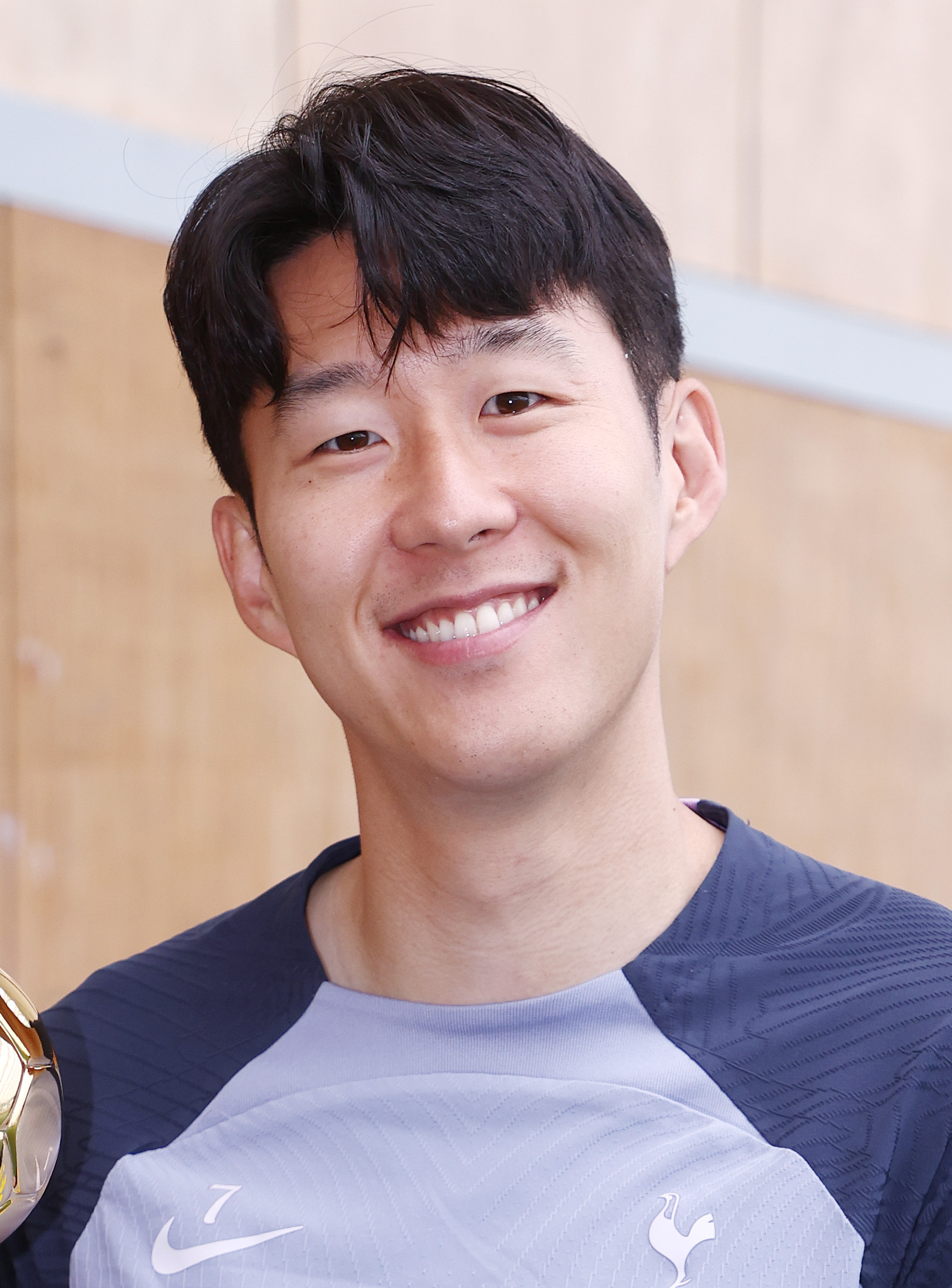
Photo: Ujishadow / Wikimedia Commons / CC BY-SA 4.0
Where does he rank? In Asia, he is the undisputed greatest. No Asian player has matched his consistent output at the peak of European club football. Globally, his name belongs in conversations about the most impactful forwards of his generation. The Premier League Golden Boot is a credential few in world football can claim. His dual-footedness places him in a rare technical category.
His true legacy, however, might be cultural. He made it normal for a kid in Seoul to dream of starring in the Premier League. He proved an Asian athlete could be a global marketing icon and a team’s emotional leader. He carried a nation’s expectations with a smile, not a scowl. In an era of calculated media training, his genuine emotion, whether in joy or despair, resonated.
He is the bridge between eras. He played against Park Ji-sung and now mentors the generation that will replace him. This ability to inspire and elevate others is the mark of a true icon, much like other underrated football talents who shape their teams beyond the scoresheet. When he finally retires, the discussion won’t just be about his goals or his speed. It will be about the weight he carried and how gracefully he bore it. For a player who started so young, understanding the full arc of a professional career, including the typical soccer player retirement age, adds context to his remarkable longevity.
Frequently Asked Questions
How many World Cups has Son Heung-min played in?
Son Heung-min will play in his fourth World Cup in 2026. He previously competed in the 2014, 2018, and 2022 tournaments, making him one of the most capped South Korean players in World Cup history.
What is Son Heung-min’s World Cup goal record?
He has scored three goals across his three World Cup appearances. This ties him with Park Ji-sung and Ahn Jung-hwan as South Korea’s joint-top scorers in the tournament. The 2026 World Cup offers him the chance to hold the record outright.
Why did Son Heung-min move to LAFC?
The move to Los Angeles FC in 2025 was a strategic career transition. It offers a less physically demanding schedule than the Premier League, allowing him to maintain peak fitness for the 2026 World Cup. Playing in MLS also acclimatizes him to North American conditions, a direct advantage for the tournament.
How did Son Heung-min avoid military service?
He earned an exemption by winning a gold medal with the South Korean team at the 2018 Asian Games in Jakarta. Military service is mandatory for South Korean men, but exemptions are granted for winning major international sporting events.
Who are South Korea’s key players for the 2026 World Cup?
Alongside captain Son, the squad features world-class talent including Kim Min-jae (Bayern Munich, defender), Hwang Hee-chan (Wolverhampton Wanderers, forward), and Lee Kang-in (Paris Saint-Germain, midfielder). This core represents the most talented South Korean generation in decades.
The Bottom Line
Son Heung-min’s story is still being written. The 2026 World Cup is the final major chapter. Look beyond the possible scoring record. Watch how he moves, how he points, how he gathers his teammates after a missed chance. That’s where his career’s true value lies. He transformed from a prodigy into a patriarch for South Korean football. His journey from Hamburg to Tottenham to Los Angeles mirrors the globalized path of the modern game. When the whistle blows in 2026, he won’t just be playing for a result. He’ll be playing for a legacy decades in the making, a testament to a career built on relentless adaptation and profound responsibility.
I come from the “soccer heart” of Germany, the Ruhrpott. I have played, trained and followed soccer all my life and am a big fan of FC Schalke 04. I also enjoy following international soccer extensively.