World Cup Group F Complete Preview: Teams, Fixtures, Odds
World Cup 2026 Group F features the Netherlands, Japan, Sweden, and Tunisia. Matches run from June 14 to June 25 across four stadiums in the USA and Mexico. The Netherlands are heavy favorites, but Japan’s recent form and Sweden’s attacking talent make this a balanced, unpredictable group where every match matters.
Most previews stop at naming the favorite and moving on. They treat groups like simple math: rank the teams, pick the top two, done. That misses the texture. It misses why a group like this—on paper, straightforward—becomes a minefield of tactical nuance, travel quirks, and one-off upsets that rewrite the script. The real story isn’t who’s best; it’s who survives the specific, weird challenges of this draw.
This preview breaks down each team’s DNA, the manager’s fingerprints on their tactics, the stadiums that will test their fitness, and the specific moments where the group will be won or lost. We’ll look beyond the odds to find where the real value lies.
Key Takeaways
- The Netherlands are justified favorites but face a stern tactical test against Japan’s coordinated press; their path isn’t a coronation.
- Japan, not Sweden, is the smart pick for second place. Their wins over Brazil and England weren’t flukes, and their system is built for tournament chaos.
- Sweden’s chaotic qualification masks a potent counter-attacking threat led by Alexander Isak, making them the group’s wildcard.
- Tunisia, under new manager Sabri Lamouchi, will park the bus and look to steal a point, potentially wrecking third-place calculations for others.
- Logistics favor the Europeans: this group has the lowest travel burden of any, but afternoon matches in Houston’s humidity will be a universal equalizer.
Who Are the Teams in World Cup 2026 Group F?
The draw produced a fascinating foursome: a European heavyweight, an Asian powerhouse on the rise, a Scandinavian wildcard, and a North African spoiler. You won’t find a true “group of death” here, but you will find a group of persistent, nagging difficulty. Each team has a clear identity and a path to points.
Group F presents a classic tournament puzzle: one elite team, two ambitious contenders with contrasting styles, and one dedicated disruptor. The Netherlands’ squad value dwarfs the others, but Japan’s tactical maturity and Sweden’s raw attacking power create a volatile mix where the favorite cannot afford a single off day.
Let’s meet the contenders.
Netherlands (FIFA Ranking: ~7)
Manager Ronald Koeman has reinstalled a pragmatic, possession-based 4-3-3 after the World Cup 2022 experiment. The spine is world class: Virgil van Dijk marshals a defense that includes Nathan Ake and Denzel Dumfries, while Frenkie de Jong dictates tempo in midfield. The question mark, as ever, is converting dominance into goals. Memphis Depay’s fitness is a perennial concern, and the wing roles rely on the form of players like Cody Gakpo and Xavi Simons. Their consistency in qualifying and deep squad make them the obvious frontrunner.
Japan (FIFA Ranking: ~18)
Do not let the ranking fool you. Under Hajime Moriyasu, Japan has evolved into a tournament specialist. Their 2022 wins over Germany and Spain were systemic victories, not luck. They employ a ferocious, coordinated high press to force turnovers and then attack with blistering speed through Kaoru Mitoma, Takefusa Kubo, and Ritsu Doan. Their soccer tactics guide is a masterclass in defensive organization and rapid transition. They are the team no favorite wants to face.
Sweden (FIFA Ranking: ~28)
Sweden’s route here was bizarre—winning zero of six qualifying matches before securing a playoff spot via the Nations League. They qualified the hard way. On paper, they’re dangerous. Manager Jon Dahl Tomasson uses a 3-4-2-1 system that morphs into a 5-4-1 without the ball, relying on the physicality of Alexander Isak and Viktor Gyokeres to punish teams on the break. Their defensive solidity can be formidable, but their midfield can be bypassed under pressure. They are the ultimate high-variance team.
Tunisia (FIFA Ranking: ~41)
The Carthage Eagles are in transition. After a poor Africa Cup of Nations, they replaced Sami Trabelsi with French-Tunisian manager Sabri Lamouchi. His immediate task is to rebuild a compact, difficult-to-break-down defensive unit. Veteran Wahbi Khazri provides moments of creative magic, but Tunisia’s primary goal will be to frustrate, absorb pressure, and snatch a result from a set-piece or counter. They are the group’s definitive underdog, but in a one-off match, their discipline can stifle any opponent.
The Complete Group F Fixture List and Schedule
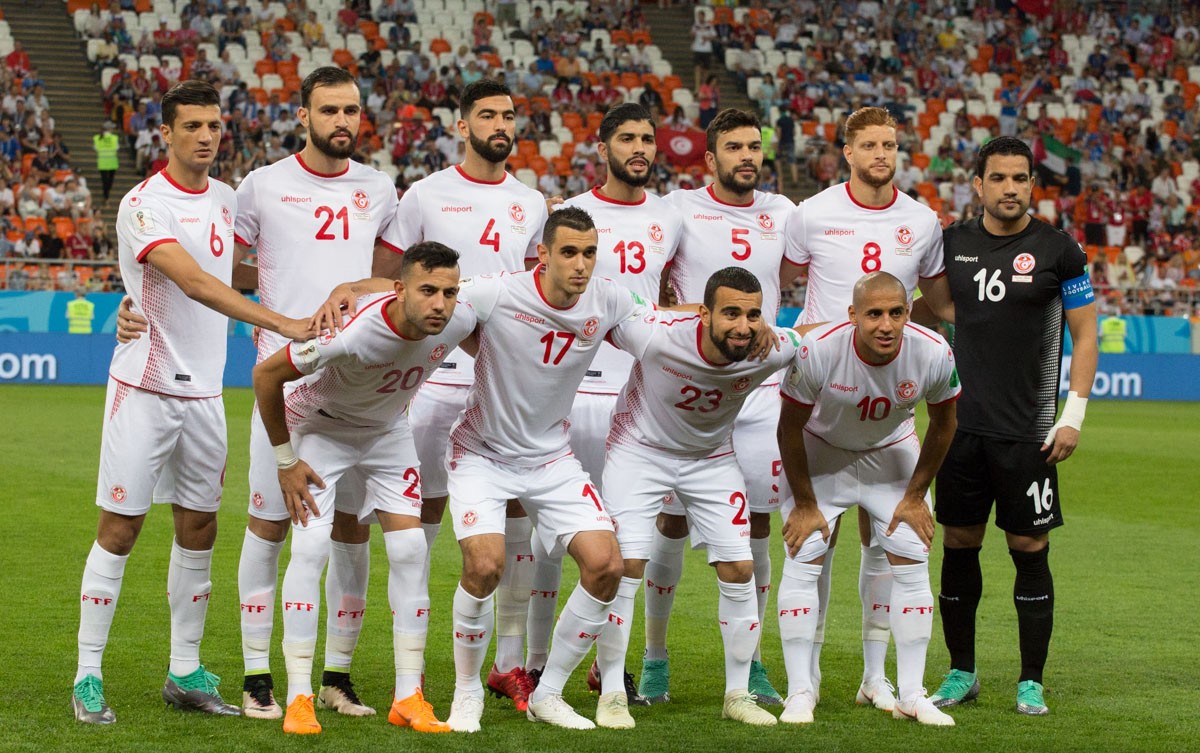
Photo: Екатерина Лаут / Wikimedia Commons / CC BY-SA 3.0
.jpg)
The match order matters. An opening stumble can ratchet up pressure, while a favorable run of venues can build momentum. Group F’s schedule is relatively balanced, with no team facing a brutal back-to-back travel scenario.
| Match | Date | Time (Local) | Venue | Key Factor |
|---|---|---|---|---|
| Sweden vs. Tunisia | June 14, 2026 | 15:00 | Estadio Monterrey | Heat acclimatization test |
| Netherlands vs. Japan | June 15, 2026 | 19:00 | Dallas Stadium | Marquee tactical battle |
| Japan vs. Sweden | June 19, 2026 | 16:00 | Houston Stadium | High humidity; fitness |
| Tunisia vs. Netherlands | June 20, 2026 | 13:00 | Kansas City Stadium | Dutch breaking down a low block |
| Japan vs. Tunisia | June 24, 2026 | 20:00 | Kansas City Stadium | Potential qualification decider |
| Netherlands vs. Sweden | June 25, 2026 | 16:00 | Houston Stadium | Group winner likely decided |
TL;DR: The group opens with a crucial clash for second-place hopefuls (Sweden-Tunisia) and peaks early with the Netherlands-Japan showdown. The final matches could see simultaneous drama for qualification spots.
The Netherlands get the perceived toughest game (Japan) out of the way first. A win there establishes control. Japan faces a quick turnaround into a physically demanding match in Houston’s humidity against Sweden. That sequence is their biggest hurdle.
Sweden’s campaign hinges on starting strong against Tunisia. Drop points there, and the pressure before facing Japan becomes immense. Tunisia’s best chance for a point likely comes in that opener or in their final match against a potentially qualified or resting Japan.
Common mistake: Ignoring the 13:00 kickoff in Kansas City for Tunisia vs. Netherlands — the early afternoon sun and heat, even in June, will sap energy faster, disproportionately affecting the team trying to defend deep for 90 minutes. The Dutch squad’s depth allows for fresher legs.
Environmental data from TheDatabetics shows Houston presents the highest Environmental Stress Index (ESI), combining heat and humidity. The Japan-Sweden and Netherlands-Sweden games there will be wars of attrition. Monterrey also brings heat, while Dallas and Kansas City are milder but not cool. Altitude is not a factor.
Team-by-Team Analysis: Strengths, Weaknesses, and Key Players
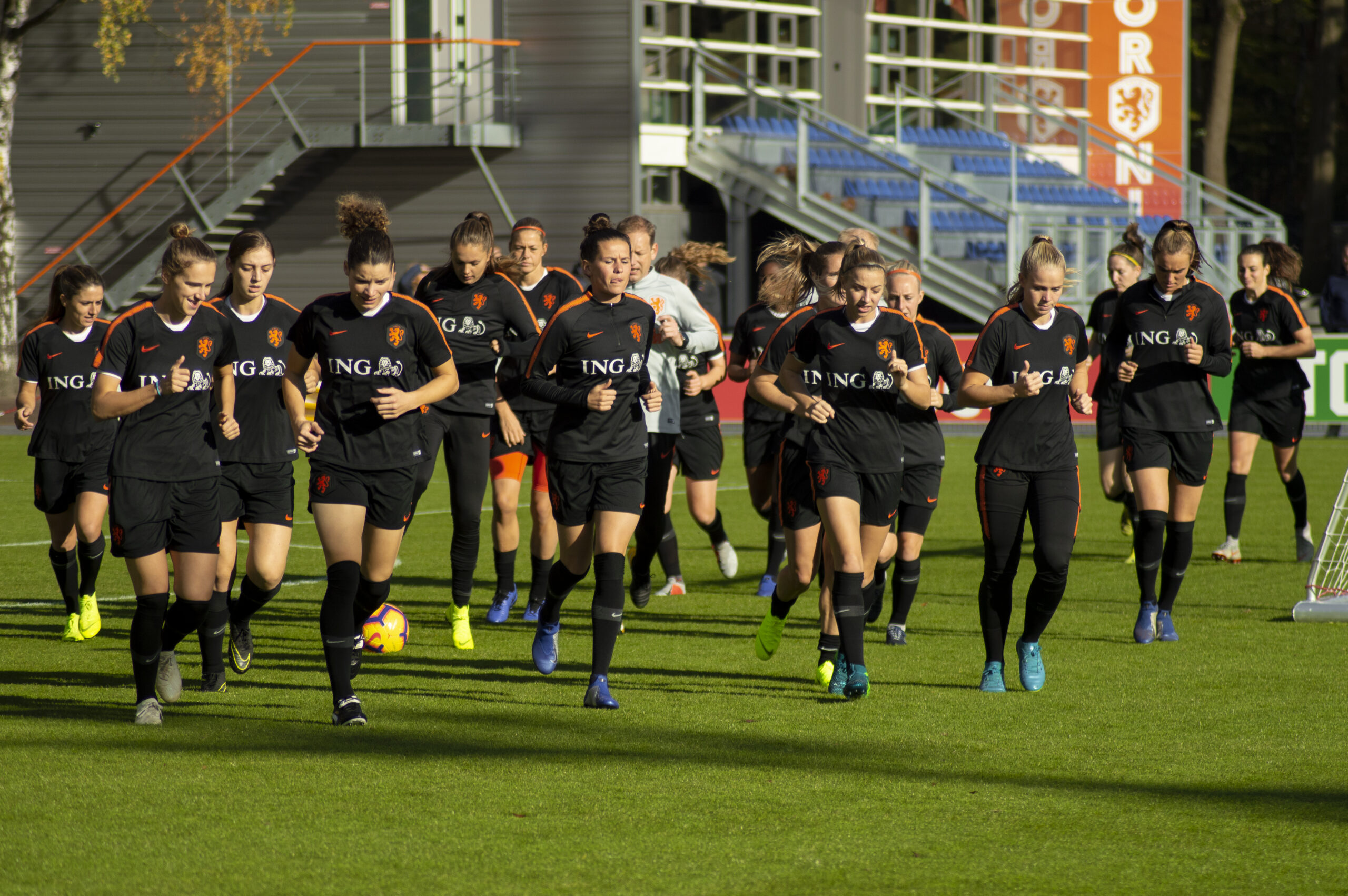
Photo: Emma Coolen / Wikimedia Commons / CC0

You need to know more than just names. You need to know how they’ll try to win, and where they might break.
Netherlands: The Justified Favorite
Koeman’s side is built on control. They dominate possession, use their center-backs to build play, and rely on De Jong’s ability to glide past the first press. Their major strength is defensive security; they conceded just 4 goals in 10 Euro 2024 qualifiers.
Their weakness is a lack of a ruthless, guaranteed 25-goal-a-season striker. Depay is mercurial, and Gakpo can drift in and out of games. Against deep blocks like Tunisia’s, they can look sterile, over-reliant on crosses or individual moments from a winger.
Key Player: Frenkie de Jong. He is the metronome. If Japan’s press can isolate and harass him, the Dutch system stutters. If he finds space, he dictates the game’s pace and picks the passes that break lines.
One to Watch: Xavi Simons. The RB Leipzig attacker brings directness and creativity between the lines, a potential solution against packed defenses.
Japan: The Modern Disruptor
Japan’s strength is their collective intelligence. Their press is a synchronized trap, not just hard running. They funnel opponents into areas where their agile midfielders can win the ball. In transition, their fastest footballers like Mitoma are devastating. They have tournament pedigree, beating giants before.
Their weakness can be physicality in sustained aerial duels and defending set-pieces. A team like Sweden, with Isak and Gyokeres, can target them in the air. If their press is bypassed with long balls, their center-backs can be exposed in one-on-one situations.
Key Player: Kaoru Mitoma. His dribbling in tight spaces is a primary outlet when Japan breaks the press. He draws multiple defenders, creating space for others.
One to Watch: Takefusa Kubo. The Real Sociedad playmaker is the creative hub in the final third, responsible for the final pass.
Sweden: The Counter-Attacking Threat
Sweden’s strength is their direct, vertical attacking. In Isak and Gyokeres, they have two forwards comfortable running in behind and finishing with both power and finesse. Their 3-4-2-1 provides defensive solidity with wing-backs who can deliver crosses.
Their weakness is a lack of control in midfield. Their central midfielders are more physical than creative, which can lead to possession being ceded cheaply. Against a possession team like the Netherlands, they could be forced to defend for long, exhausting periods.
Key Player: Alexander Isak. On his day, unplayable. His movement, link-up play, and finishing are elite. He is the one player in this group who can win a game from nothing.
One to Watch: Viktor Gyokeres. The Sporting CP striker is a physical powerhouse. His battle with Virgil van Dijk will be one of the group’s defining individual duels.
Tunisia: The Organized Spoiler
Tunisia’s strength is their defensive discipline and team shape. Under Lamouchi, they will be extremely hard to break down, likely employing a mid-to-low block with two compact lines of four. They are experienced in tournament football.
Their weakness is a lack of consistent goal threat from open play. They rely heavily on moments from Khazri or set-pieces. If they concede first, they lack the attacking firepower to mount a sustained comeback against quality opponents.
Key Player: Wahbi Khazri. The veteran is the sole source of unpredictable creativity. Every free-kick, every clever pass, runs through him.
One to Watch: Ellyes Skhiri. The Eintracht Frankfurt midfielder is the engine. His ball-winning and distribution from deep are critical to any Tunisian counter-attack.
Tactical Battles and Managerial Philosophies
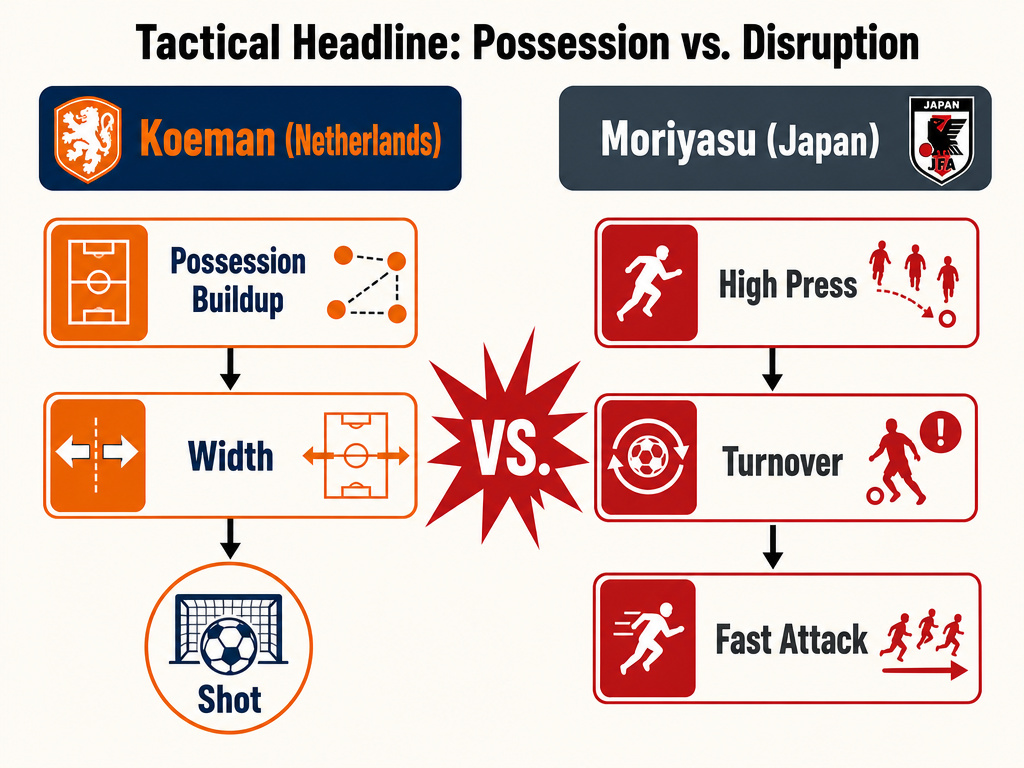
This is where groups are won. It’s not just about having better players; it’s about deploying them in a way that exploits a specific opponent’s flaw. The clash of philosophies here is stark.
Koeman vs. Moriyasu (Netherlands vs. Japan)
This is the group’s tactical headline. Koeman wants possession, patient buildup, and width. Moriyasu wants to disrupt that buildup at its source, win the ball high, and attack before the Dutch defense is set. It’s a game of chicken. If Japan’s press is effective, they can create turnovers in dangerous areas. If the Dutch midfield, led by De Jong, can play through the press, Japan’s high defensive line will be exposed. The first 20 minutes will be a fascinating probe.
Tomasson’s Pragmatism (Sweden)
The Swedish manager is flexible. Against the Netherlands, he’ll likely use a 5-4-1, soak up pressure, and launch Isak on long balls. Against Japan, he might feel his physical forwards can bully the Japanese center-backs and play more directly. His use of the 3-5-2 formation provides the structural flexibility to switch between these approaches.
Lamouchi’s Rebuild (Tunisia)
The new Tunisian manager’s philosophy is rooted in organization first. He will prioritize defensive structure over expansive play. His challenge is instilling that discipline quickly and finding a reliable goal-scoring plan beyond hoping Khazri conjures magic. His approach mirrors many successful underdog stories in tournament history: be hard to beat, and take your one chance.
I backed Sweden heavily during their Nations League campaign a few cycles ago, convinced their systemic solidity was underrated. They proceeded to look utterly lost against any team that pressed their midfielders. The lesson was clear: a team built on transitions is only as good as its first pass out of defense. Against Japan’s press, that pass will be under severe duress.
Predictions, Odds, and Betting Angles
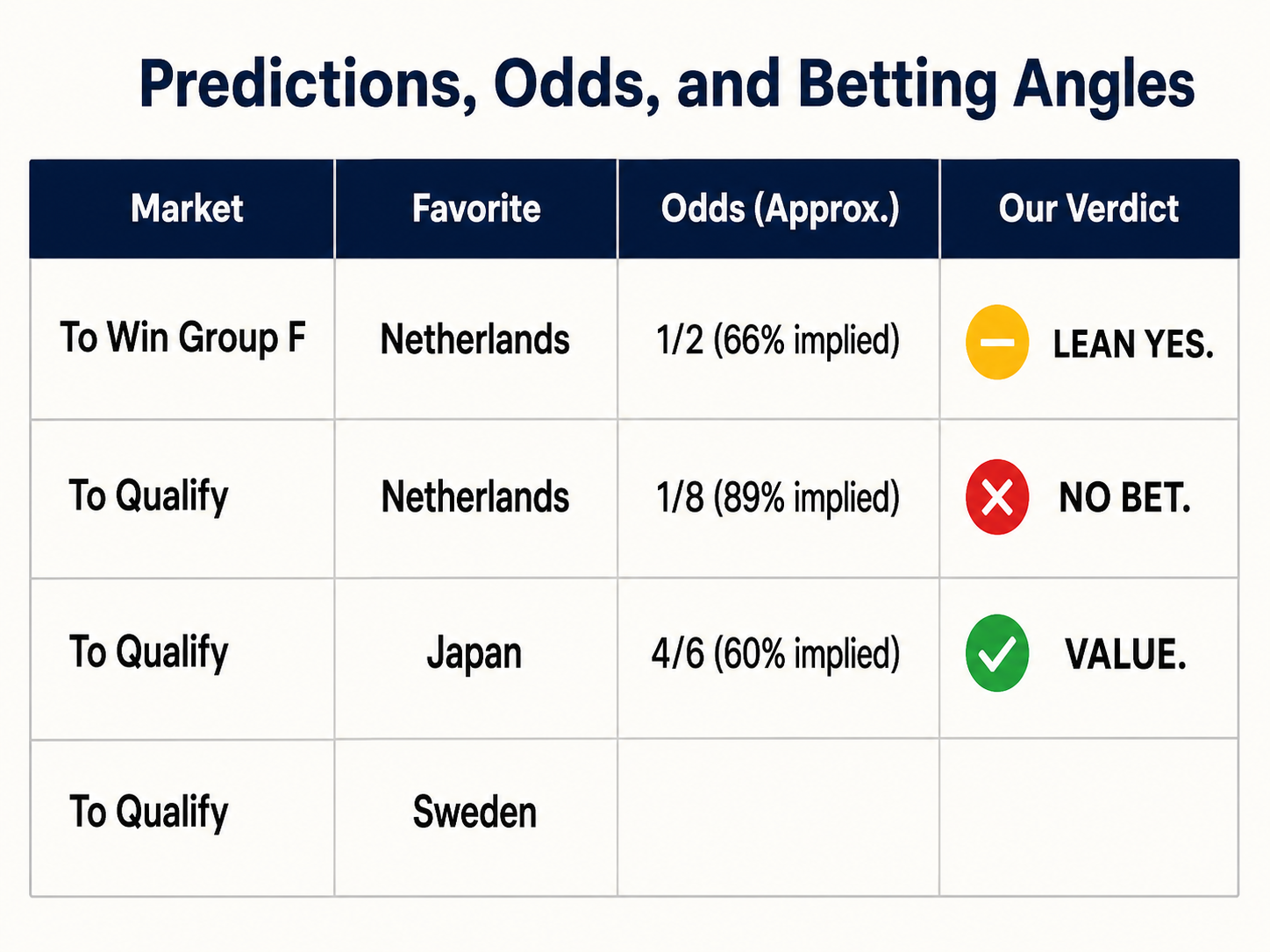
The bookmakers’ view is clear, but the value lies elsewhere. Let’s translate analysis into actionable insight.
| Market | Favorite | Odds (Approx.) | Our Verdict |
|---|---|---|---|
| To Win Group F | Netherlands | 1/2 (66% implied) | LEAN YES. They should top it, but the price offers no value. |
| To Qualify | Netherlands | 1/8 (89% implied) | NO BET. Too short. |
| To Qualify | Japan | 4/6 (60% implied) | VALUE. The smart play. Japan’s system is built for this. |
| To Qualify | Sweden | 6/4 (40% implied) | CAUTION. Possible, but riskier than Japan. |
| To Finish Bottom | Tunisia | 4/7 (64% implied) | LEAN YES. Most likely, but again, no value. |
Most Likely Group Outcome:
- Netherlands
- Japan
- Sweden
- Tunisia
The Netherlands’ quality and depth should see them through, even if they drop points to Japan. Japan’s tactical coherence and big-game mentality give them the edge over a mercurial Sweden side. Sweden’s firepower might see them rack up goals against Tunisia, but their inconsistency will cost them against the top two. Tunisia’s role is to be a stubborn obstacle.
Best Value Bet: Japan to qualify at 4/6. This isn’t a gamble; it’s a logical assessment of their proven tournament capability versus Sweden’s instability. Some books even offer Japan to win the group at around 7/2, which is a phenomenal punt for the bold.
Longshot to Consider: Sweden to finish last at 12/1. It sounds crazy given Tunisia’s status, but if Tunisia nicks a draw against Sweden in the opener and Sweden then loses to both Japan and the Netherlands, goal difference could send them home. It’s a low-probability, high-reward scenario.
Remember, with the expanded format, finishing third doesn’t necessarily mean elimination. Eight of the twelve third-placed teams advance. A third-place finish with 3 or 4 points could be enough, adding another layer to the knockout stage drama.
Travel, Conditions, and the Expanded Format
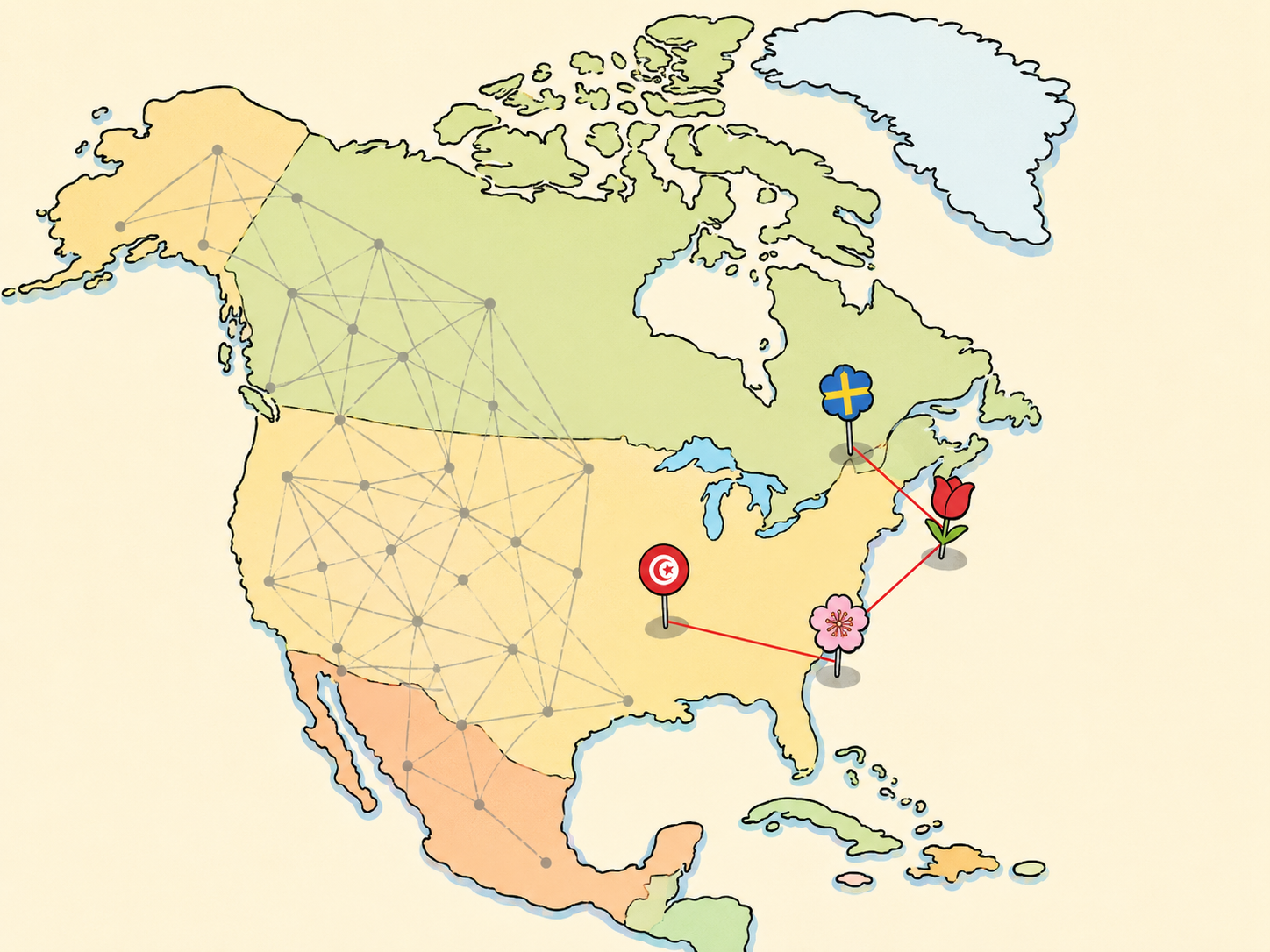
Logistics are the silent opponent. For Group F, the travel map is kind.
The data shows this group has the lowest total travel distance of any. The Netherlands and Japan have base camps that minimize movement. Sweden and Tunisia have longer hops but nothing compared to groups crisscrossing the continent. This is a significant, underrated advantage for all four teams; fatigue from travel will be less of a factor than in other groups.
The real equalizer is climate. Houston in June is humid. Playing a high-intensity pressing game there, as Japan plans to, is a massive physical ask. The 16:00 kickoffs there are particularly grueling. Teams with deeper squads who can make multiple fresh substitutions will gain an edge in those matches.
The 48-team format changes everything. Finishing second is no longer the only goal. A third-place finish with a positive goal difference and a win might be a ticket to the round of 32. This encourages a more aggressive approach from teams like Tunisia and Sweden in their final game, knowing a draw might not be enough. It makes every goal matter.
Common mistake: Assuming the Netherlands will cruise because they’re the best team. Tournament football doesn’t work like that. A single red card, a missed penalty, a moment of defensive lapse in Houston’s heat—that’s all it takes. Their quality should tell, but it’s never a given.
TL;DR: Low travel helps everyone, but Houston’s humidity is a great equalizer. The new format means even third place can advance, making every match and every goal critically important until the final whistle.
Frequently Asked Questions
What are the dates for World Cup 2026 Group F matches?
Group F matches are scheduled from June 14 to June 25, 2026. The opener is Sweden vs. Tunisia in Monterrey, and the final round sees Japan vs. Tunisia and Netherlands vs. Sweden played simultaneously.
Who are the key players to watch in Group F?
Watch Frenkie de Jong (Netherlands) for control, Kaoru Mitoma (Japan) for explosive attacks, Alexander Isak (Sweden) for clinical finishing, and Wahbi Khazri (Tunisia) for creative moments. The duel between Virgil van Dijk and Viktor Gyokeres will be a physical spectacle.
Can Japan realistically win Group F?
Yes. While the Netherlands are favorites, Japan has the tactical system and recent big-game pedigree (wins over Germany, Spain, Brazil) to beat anyone. An opening match victory over the Dutch would immediately put them in the driver’s seat. They are the most credible threat.
What is the biggest X-factor in this group?
The humidity in Houston for the Japan-Sweden and Netherlands-Sweden matches. It will test fitness and concentration to the limit, potentially leading to late mistakes or goals. It could be the great equalizer that decides who finishes second.
How does the expanded format affect Group F?
It raises the stakes for every game. A team finishing third with 4 points has a very strong chance of advancing as one of the eight best third-placed teams. This means even if Tunisia loses its first two matches, a win in its last game could keep its tournament alive, adding drama to the final day.
Before You Go
Group F is a strategist’s delight. The Netherlands are the benchmark, a team of technical pedigree that must prove it can handle the specific, pressing threat of Japan. Japan, in turn, carries the hopes of a continent and a style of play that has repeatedly toppled giants. Sweden brings the unpredictable firepower, a team capable of beating anyone on their day and losing to anyone on another. Tunisia is the locked door everyone must find a key for.
Forget the idea of a simple procession. This group will be decided by small margins: a successful press in Dallas, a headed clearance in Houston, a moment of individual brilliance against a packed defense in Kansas City. The team that manages these moments best, and not necessarily the one with the most stars, will emerge on top. Watch the Netherlands, but bet on Japan to make it through. And never, ever turn off a Sweden game early.
I come from the “soccer heart” of Germany, the Ruhrpott. I have played, trained and followed soccer all my life and am a big fan of FC Schalke 04. I also enjoy following international soccer extensively.