Soccer Chants Explained: Origins, History & Global Spread
Soccer chants are the organized, repetitive songs and calls sung by football supporters during matches. They originate from late-19th-century England, evolving from simple club anthems into a complex global folk tradition that expresses team identity, intimidates opponents, and fosters deep communal bonds among fans.
Most people think chants are just spontaneous crowd noise or simple insults. They miss the centuries-deep roots and the sophisticated oral tradition behind them. A chant that erupts in Dortmund’s Südtribüne or Liverpool’s Kop has a lineage, a musical logic, and a cultural weight that transforms a stadium into something closer to a cathedral.
This guide traces that lineage. We’ll walk from the first recorded songs of the 1880s, through the cultural explosion of the 1960s, to the digitally-fueled global chant exchange of today. You’ll learn why certain melodies stick, how chants cross oceans, and why this tradition is one of football’s most powerful, unscripted forces.
Key Takeaways
- The oldest known chant still in use is Norwich City’s “On The Ball City,” dating from the 1890s.
- The 1960s, especially in Liverpool, were the critical turning point where chants became inventive, widespread, and tied to popular music.
- Catchy chants use a limited five or six-note range and stepwise melodies, making them easy for thousands to sing in unison.
- Chants spread globally through tournaments, media, and now social media, with roots in South American, Italian, and British fan cultures.
- Sociologists and folk musicians classify chants as a living folk tradition, serving the same communal and identity-forming roles as ancient folk songs.
A Very Short History of the Soccer Chant
The story doesn’t start with raucous modern crowds. It starts with brass bands. In the late 19th century, matchday atmosphere was often provided by a hired band playing popular tunes and pre-game club songs. The singing was more formal, almost genteel. Norwich City’s “On The Ball City,” penned in the 1890s, stands as the oldest documented club song still sung today. It’s a relic from this era, a structured, melodic anthem.
The 1960s changed everything. In Liverpool, a city pulsing with the music of The Beatles and Merseybeat, fans began a quiet revolution. They didn’t just listen to music on the way to the match; they brought it into the stands. Supporters started adapting the melodies of current pop hits, replacing lyrics with tributes to players or digs at rivals. This practice, called contrafactum, is the engine behind most new chants. At the same time, Gerry & The Pacemakers’ version of “You’ll Never Walk Alone” was adopted at Anfield, transforming a show tune into one of football’s most spine-tingling spiritual anthems. This period marked the shift from passive listening to active, collective creation.
The widespread adoption of contrafactum, fitting new, football-specific lyrics to existing popular melodies, in the 1960s fundamentally altered chant creation. It moved the tradition from a set of static, club-supplied anthems to a dynamic, fan-driven oral culture that could react instantly to players, results, and pop culture.
TL;DR: Chants evolved from formal 19th-century band songs into a fan-driven oral culture in the 1960s, when supporters began hijacking pop melodies to create their own songs in real-time.
The Musical DNA of a Catchy Chant
Why does a simple seven-note bass line from The White Stripes’ “Seven Nation Army” become a universal sports chant from Buenos Aires to Berlin? The answer is in the musical architecture. Ethnomusicologists point to two simple rules. First, the note range is tiny. The “Olé, Olé, Olé” chant uses just five notes. The “Seven Nation Army” riff uses six. This limited range means anyone can hit the notes, regardless of singing skill.
Second, the melody moves in stepwise motion. It goes up or down the scale one note at a time, not in big, difficult leaps. Your brain doesn’t have to work hard to remember the sequence. Combine a tiny range with stepwise motion, and you have a sonic meme, a phrase perfectly engineered for viral spread across a crowd of 50,000. It’s the same principle behind nursery rhymes and military cadences. Ease of replication is the primary design goal.
The Smithsonian Magazine soccer chant analysis breaks this down expertly, explaining how these musical constraints are what make the songs so infectious and durable across languages and cultures.
| Chant Example | Note Range | Origin Story | Why It Works |
|---|---|---|---|
| “Olé, Olé, Olé” | 5 notes | Brazilian fans for Garrincha (1958), globalized in 1980s | Repetitive, rhythmic, easy to clap along to. |
| “Seven Nation Army” | 6 notes | The White Stripes song (2003), adopted by Belgian fans in 2003. | Powerful, descending riff felt in the chest, not just heard. |
| “You’ll Never Walk Alone” | Wider, melodic | Broadway show tune, adopted by Liverpool FC in 1963. | Emotional lyrical content paired with a sweeping, communal melody. |
Common mistake: Assuming complex, original melodies make the best chants. The opposite is true. The most enduring chants are musically simple. Complexity kills participation; simplicity fuels it.
This musical simplicity is the secret. It allows the chant to become a canvas for collective emotion rather than a performance. The focus shifts from the quality of the sound to the fact of making it together. This is where the psychological role of singing becomes critical, the act itself bonds the group.
TL;DR: The catchiest chants use a five or six-note range and move step-by-step up or down the scale. This simplicity is a feature, not a bug, enabling mass participation.
Global Cross-Pollination: How Chants Travel
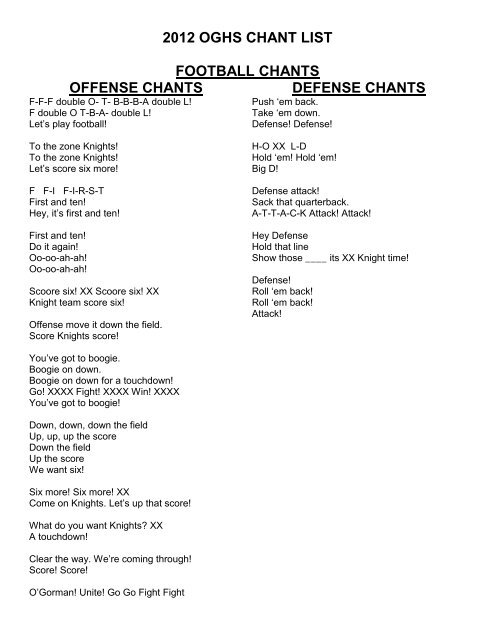
No chant is an island. The history of football songs is a history of cultural borrowing. The hand-clapping rhythms that underpin many chants? Those have deep roots in South American stadiums, particularly in Brazil and Argentina, long before they echoed in Europe. The globally recognized “Olé, Olé, Olé” is famously traced to Brazilian fans celebrating the genius of winger Garrincha during the 1958 World Cup. It traveled to Spain, then exploded across Europe during the 1986 World Cup.
Italian ultra culture provided another major export: the concept of orchestrated, non-stop singing led by a capo with a megaphone. This model of sustained, coordinated vocal support, emphasizing visual displays like tifo displays, was adopted and adapted across Eastern Europe and beyond. It showed how chanting could be a continuous, imposing background score to a match, not just a reaction to events.
In the internet age, the transmission belt is YouTube and global broadcasting. A chant invented in the stands of Borussia Dortmund can be heard, learned, and adapted by fans in Mexico City within a week. This digital spread accelerates the global fan culture, creating a shared, if slightly homogenized, library of sounds. The upcoming 2026 World Cup in North America will undoubtedly be the next great petri dish for this cross-pollination, introducing new local rhythms to the global mix.
- The South American Export: Rhythmic, clapping-based chants.
- The Italian Blueprint: Continuous, capo-led orchestration.
- The British Adaptation: Lyric-heavy, often humorous contrafactum of pop songs.
- The Digital Accelerant: Instant global visibility and mimicry via social media.
I first heard the “Allez, Allez, Allez” chant that Liverpool fans adapted in 2018 at a lower-league match in Germany. Within a month, our supporter group had rewritten the lyrics for our own club, stealing the melody but making it ours. That’s how it works now, global melodies, local lyrics.
TL;DR: Chants spread through tournaments, migration of fans, and now the internet, with major stylistic influences flowing from South America, Italy, and England to create a global soundtrack.
More Than Noise: Chants as Modern Folk Music
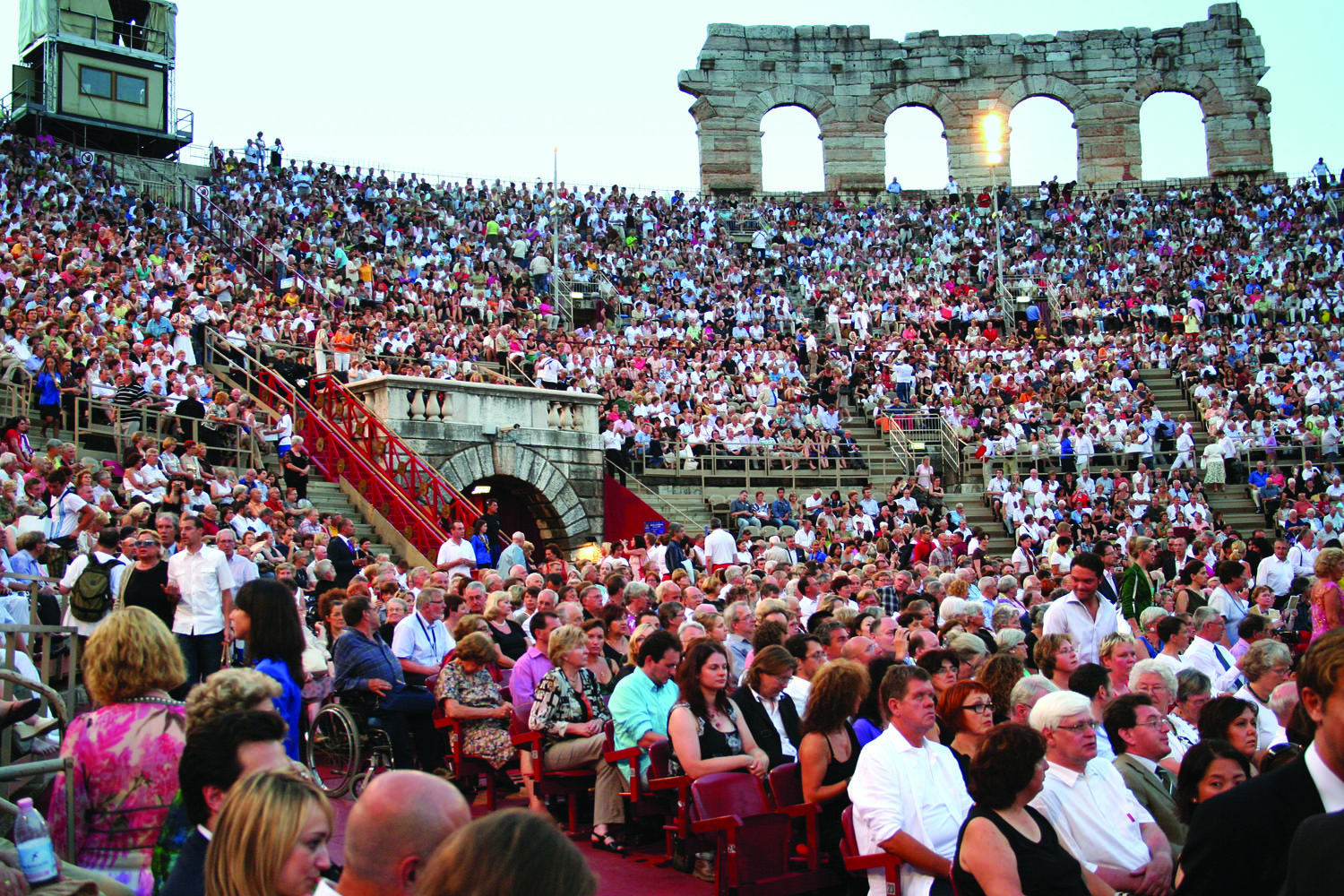
To dismiss chants as mere sporting noise is to miss their profound cultural function. Academics like Professor Les Back and legendary folk musician Martin Carthy have long argued that football chants are the 21st century’s most vibrant folk music. They are created anonymously, passed orally from person to person, adapted to local contexts, and reflect the joys, fears, and humor of everyday life. They are a true “living folk tradition.”
This tradition balances the sacred and the profane with a unique alchemy. One minute, a crowd can be singing a heartfelt, hymn-like rendition of “You’ll Never Walk Alone,” creating a palpable sense of collective spirit. The next, they can pivot to a brilliantly caustic, profanity-laced chant about a rival team’s misfortune. Both serve the same purpose: strengthening in-group identity and defining an “us” against a “them.” This duality is explored in depth in analyses of the cultural significance of chants.

The parallel to religious practice is not accidental. Historians note that Martin Luther, during the Reformation, advocated for congregational hymn singing in vernacular languages to foster a direct, communal connection to faith, to move religion from a priestly spectacle to a participatory experience. The modern football stadium operates on the same principle. The shared, rhythmic singing of thousands is a secular ritual that generates solidarity, belonging, and even transcendence. It’s a key pillar of club identity and support.
| Folk Music Trait | Manifestation in Soccer Chants | Example |
|---|---|---|
| Oral Transmission | Learned in the stands, not from sheet music. | A new pun-based player chant spreads across a stand in minutes. |
| Anonymous Creation | Rarely knows a single author; credited to “the fans.” | The origin of most classic insult chants is unknown. |
| Adaptation (Contrafactum) | Existing melodies are repurposed with new lyrics. | Using “Guantanamera” or “Seven Nation Army” as a template. |
| Reflects Community Life | Lyrics are about local heroes, rivals, and current events. | Chants about a player’s new haircut or a rival’s bankruptcy. |
If a chant requires a printed lyric sheet or a soloist to lead it, it has already failed. The real ones are absorbed through the soles of your feet and the roar around you. They are felt, not learned.
This folk process is fragile. Stadium regulations, gentrification of fan bases, and the commercialization of the matchday experience all threaten the organic, fan-led creation of new material. Preserving this requires understanding its value not as entertainment, but as cultural expression.
TL;DR: Sociologists classify chants as modern folk music, an oral, adaptive, and communal tradition that builds identity, much like religious congregational singing did historically.
Frequently Asked Questions
Are soccer chants always spontaneous?
No. While some erupt in the moment (like a shout of “SHOOOT!”), the vast repertoire of club chants are learned, established songs. Their performance might be timed spontaneously, but the lyrics and melodies are part of a shared culture passed down through seasons.
What’s the difference between a chant and a club anthem?
chant is generally shorter, more repetitive, and interactive (with call-and-response or clapping). An anthem, like “You’ll Never Walk Alone” or “Blowing Bubbles,” is a longer, more formal song often played over the stadium PA and sung in full before kick-off. Anthems are fixed; chants are fluid.
How do new chants actually start?
It often begins with a small group in the core supporter section. Someone proposes a lyric fitting a well-known melody. They sing it a few times. If it’s clever, simple, and timely, the people around them pick it up. Through repetition, it ripples outwards. Today, they might also be workshopped online before a match.
Why are some chants considered offensive?
Chants often operate on humor, rivalry, and taboo. This can lead to songs that mock tragedies, use discriminatory language, or target individuals. While this is defended by some as “traditional banter,” leagues and clubs increasingly punish hateful or abusive chanting that crosses legal and ethical lines.
Do players hear specific chants about them?
Absolutely. Players consistently report hearing their own name in chants. A positive chant is a huge motivational boost. A cruel or witty chant from opposition fans can be a psychological weapon, getting inside a player’s head. The sound in a packed stadium is immersive and inescapable.
The Bottom Line
Soccer chants are not a sidebar to the sport; they are its emotional and cultural heartbeat. They connect today’s fan in an unbroken chain to a Victorian singing a club anthem in the 1890s. Their simple musical genius allows for instant communion among strangers. Their global journey, from Brazilian terraces to Italian curves to Liverpool’s Kop, maps the modern history of the game itself.
To understand a chant is to understand more than a song. It’s to understand community, identity, and the raw, human need to belong to something larger. The next time you hear a roar coalesce into a melody, listen closer. You’re hearing the world’s most popular folk tradition, alive and rewriting itself in real time. For a deeper dive into the organized groups that often drive this culture, explore the distinctions within the ultras vs hooligans dynamic. And to place this all in a wider context, our curated book list on football culture offers further reading.

I come from the “soccer heart” of Germany, the Ruhrpott. I have played, trained and followed soccer all my life and am a big fan of FC Schalke 04. I also enjoy following international soccer extensively.