The North West Derby: What Is This Major Soccer Rivalry?
The North West Derby is the specific name for the football rivalry between Liverpool F.C. and Manchester United F.C., two clubs from cities 35 miles apart in North West England. It is considered one of the fiercest and most significant club rivalries in world football, rooted in 19th-century industrial and economic competition between Liverpool and Manchester.
Most people think this is just another big game. They see the red shirts, hear the crowd, and call it a classic. They miss the real story. The hatred between these fans was baked in over a century before Mohamed Salah scored his first goal. It’s about canals, not just corner kicks.
This guide explains what the North West Derby is, where it came from, and why it still matters more than any other match in England. You will get the history, the numbers, and the moments that define it.
Key Takeaways
- The rivalry’s core is an economic battle from the Industrial Revolution, symbolized by the ship on Manchester United’s crest representing the Manchester Ship Canal built to bypass Liverpool’s port.
- Manchester United holds the historical edge with 84 wins to Liverpool’s 72 in their 217 meetings, but Liverpool recorded the largest ever victory: a 7-0 Premier League win in March 2023.
- The derby consistently overshadows each club’s local city rivalry (Liverpool vs. Everton, United vs. Manchester City) in global significance and intensity.
- Specific player legacies are defined here: Ryan Giggs made a record 48 appearances in the fixture, while Mohamed Salah’s 16 goals make him its all-time top scorer.
- The atmosphere is uniquely volatile; the historical tension means a misplaced pass feels like a personal betrayal to millions, not just a tactical error.
What Exactly Is a “Derby” in Football?
Before we dive into the specific clash, you need to understand the term. In global football, a soccer derby definition centers on a match between two local rivals. The intensity comes from proximity. It’s your neighbor, your rival for local bragging rights, the team your cousin supports. The origin of the term derby is debated, but it’s universally understood as a hyper-local, high-stakes grudge match.
Not all derbies are created equal. Some are purely geographical, like two clubs from the same city. Others, like the North West Derby, are inter-city but fueled by a deeper historical animosity that makes them even bigger. This is why understanding the meaning of a derby is crucial, it’s the foundational layer of passion upon which fixtures like Liverpool vs. United are built.
The term ‘derby’ denotes a match of heightened local significance, where shared history, geography, and often socio-economic divides amplify competition beyond mere sporting contest.
TL;DR: A derby is a local rivalry match. The North West Derby takes that local fire and pours a century of regional economic history on top of it.
The Industrial Revolution Roots: It’s About the Money
The first mistake is thinking this started with a football. It didn’t. It started with cotton, ships, and a deep-seated economic war in the North West England region during the 1800s.
Manchester was the world’s first industrial city, a powerhouse weaving cotton. Liverpool, 35 miles west, was its gateway to the world, a colossal port where raw cotton landed and finished goods were shipped out. Liverpool grew fat on port taxes and warehousing. Manchester’s manufacturers seethed at the cost. The resentment wasn’t just business; it was identity. Manchester saw itself as the hard-working producer, Liverpool as the parasitic middleman.
The flashpoint was the Manchester Ship Canal. Finished in 1894, it was a monumental engineering project that allowed ships to sail directly to Manchester’s docks, bypassing Liverpool entirely. It was a declaration of economic war. The ship you see sailing above the Red Devil on Manchester United’s crest? That’s not a generic symbol. It’s the Manchester Ship Canal. The club’s identity is literally stamped with the act of defiance that defined the regional rivalry.
This context is non-negotiable. When you watch the derby, you’re not just watching a football match. You’re watching a 130-year-old economic grievance play out in real time. The hostility in the stands is inherited. This foundational friction is what separates it from other historic English derbies.
The Football Rivalry Takes Shape
The football clubs became the standard-bearers for this city vs. city conflict. Liverpool F.C. was founded in 1892. Manchester United, originally Newton Heath LYR Football Club, was formed in 1878. Their destinies were already tied to their cities’ competing narratives.
The first official match between them was on April 28, 1894, in the Second Division. Liverpool won 2-0 against Newton Heath. The footballing rivalry was born, but it was simply a new arena for the old battle. For decades, the rivalry simmered. Success oscillated. But the underlying tension from the geography of North West England, that short 35-mile stretch of road and rail packed with historical baggage, guaranteed every meeting was charged.
What cemented it as the definitive rivalry for both clubs was the rise of sustained success in the latter half of the 20th century. As both Liverpool and Manchester United began dominating English football, their clashes became title deciders, cup finals, and battles for national supremacy. The local intense Premier League rivalries with Everton and Manchester City remained fierce, but they were family squabbles. This was the war.
The First Meeting and the Record Books
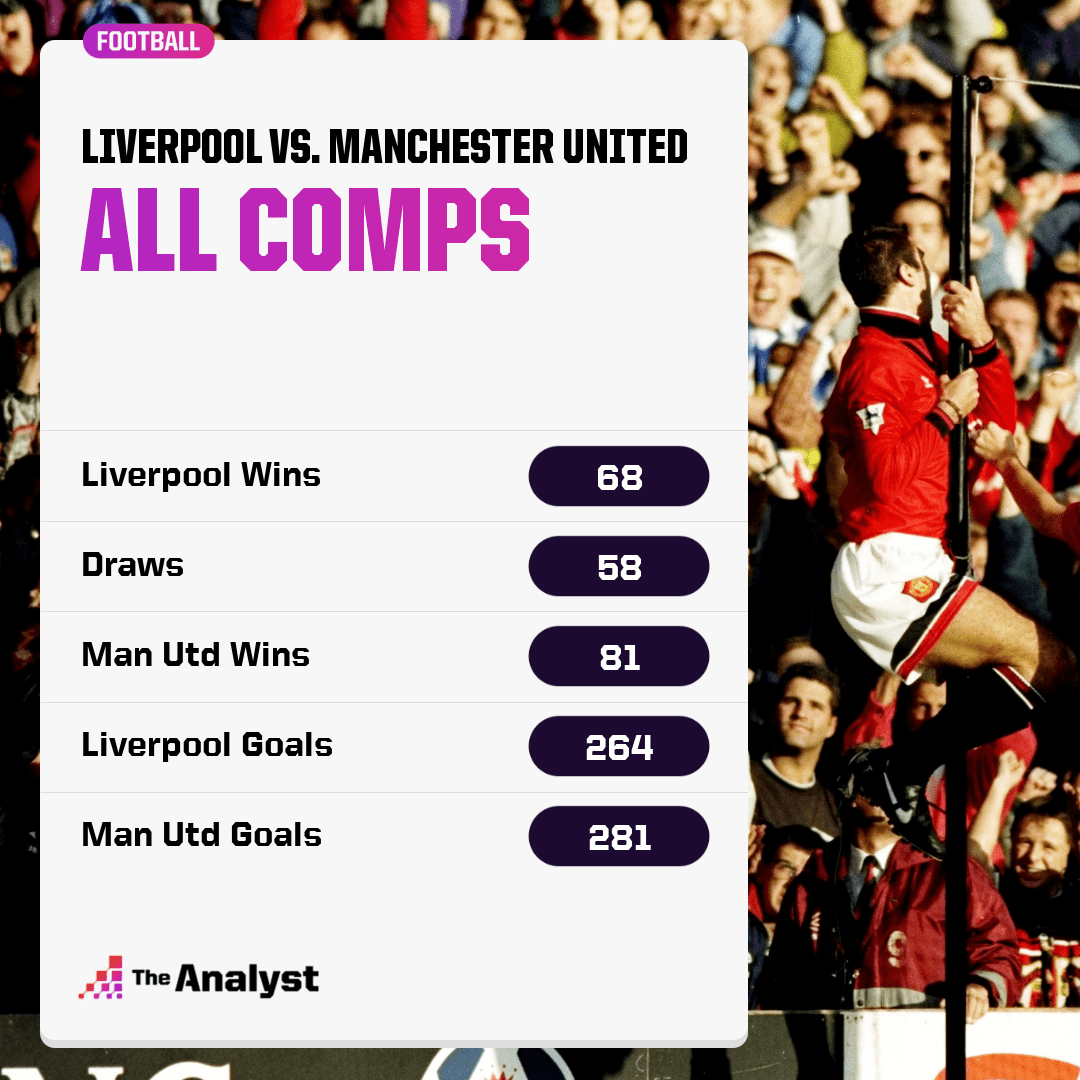
Let’s get specific. The numbers tell a story of a brutally even contest, where dominance is fleeting and every record matters.
The first official clash in 1894 set the tone: competitive and bitter. Zooming out to the full history, the balance is incredibly tight. Out of 217 total meetings, Manchester United holds a slim lead with 84 wins. Liverpool has 72 victories, with 61 matches ending in a draw. In the Premier League era, United also edges it with 29 wins to Liverpool’s 20.
But statistics can be dry. The real drama is in the iconic records and moments they’ve created.
| Record | Holder | Detail | Why It Matters |
|---|---|---|---|
| All-Time Wins | Manchester United | 84 wins (vs. 72 for Liverpool) | Shows the historical, narrow edge for United over the century-long fight. |
| Largest Victory | Liverpool | 7-0 (March 5, 2023, at Anfield) | A modern, shocking result that rewrote the rivalry’s narrative in a single night. |
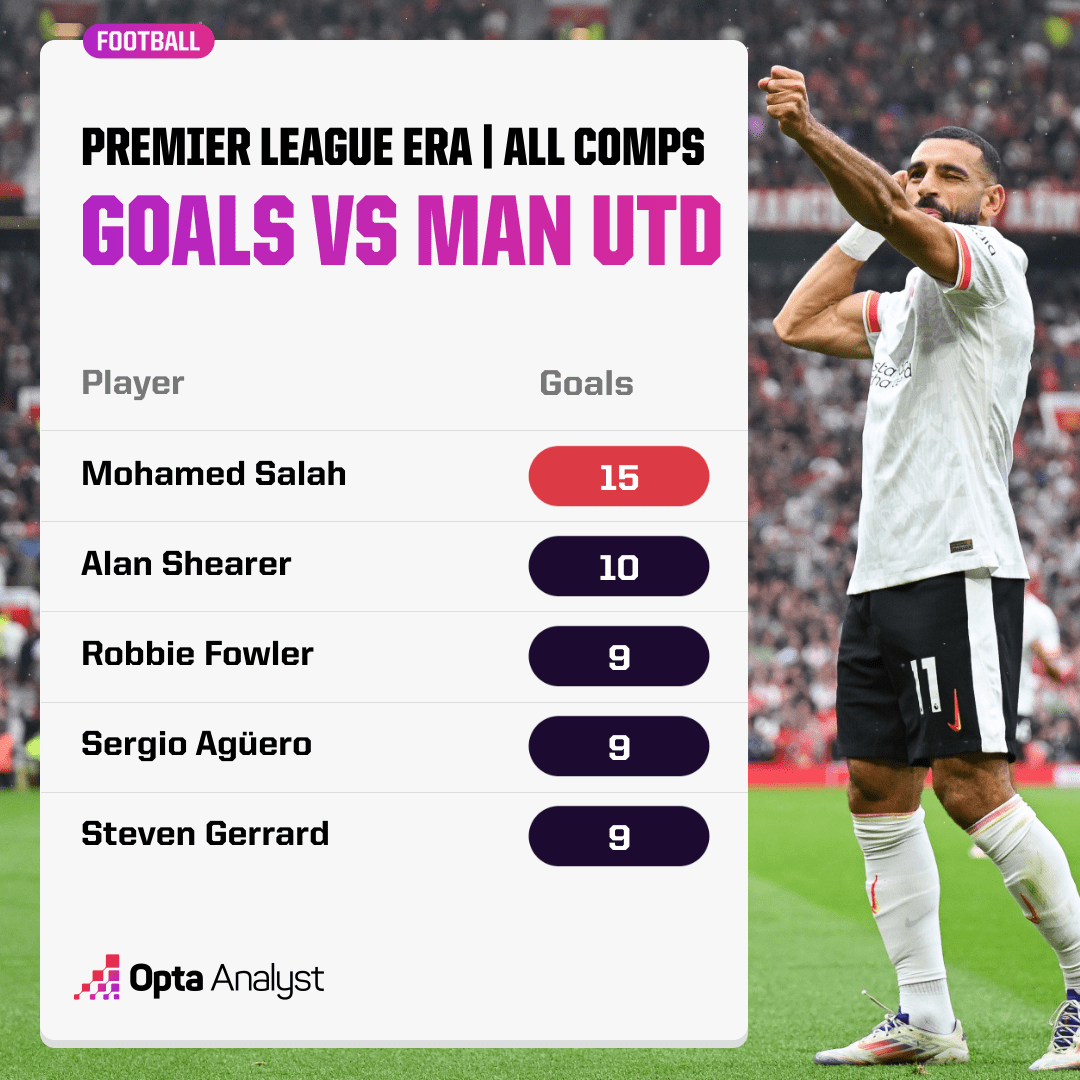
| Top Scorer | Mohamed Salah (Liverpool) | 16 goals | The current king of the derby, defining an era with decisive contributions. |
| Most Appearances | Ryan Giggs (Manchester United) | 48 matches | Embodies longevity and consistency in the fixture’s relentless pressure cooker. |
| Longest Unbeaten Streak | Liverpool | 13 games (1919–1927) | A period of utter dominance that still lives in the rivalry’s folklore. |
Common mistake: Focusing only on the Premier League era, the rivalry’s weight comes from its full 130-year history, where pre-1992 results still fuel the banter and define the clubs’ historical relationship.
These aren’t just numbers. Ryan Giggs’s 48 appearances mean he lived through the fixture’s evolution for over two decades. Mohamed Salah’s 16 goals, many in crucial wins, have directly shifted power perceptions in the last decade. And that 7-0? It’s not just a scoreline. It’s a weapon Liverpool fans will wield for a generation, a permanent scar on United’s modern history. For a complete statistical breakdown, the Wikipedia entry on the North West derby is the definitive source.
TL;DR: United leads historically, but Liverpool owns the most devastating single result. Records like Salah’s goals and Giggs’s appearances define player legacies within the fixture.
Iconic Matches and Defining Eras
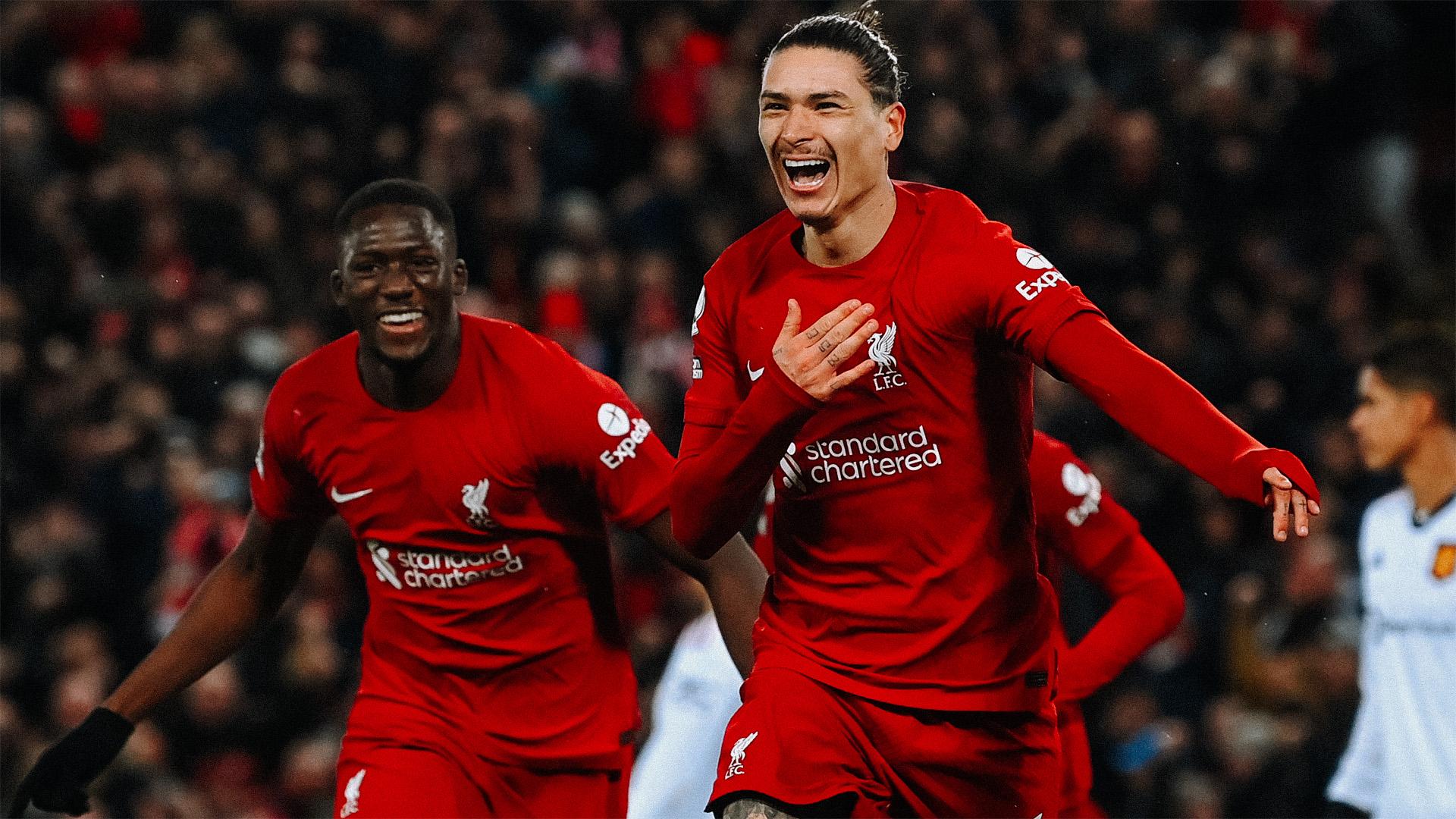
Certain matches transcend the three points. They become folklore, referenced for decades. The North West Derby has more than its share.
The 1988 clash at Anfield is legendary. Liverpool was the dominant force in England. Manchester United, led by the warrior Bryan Robson, arrived as underdogs. Robson scored a stunning solo goal, but Liverpool won 3-3 in a relentless, chaotic game that is remembered as a classic of sheer willpower. It showed that even in Liverpool’s heyday, United could bloody their nose.
Fast forward to 2010. Dimitar Berbatov, the often-criticized United striker, delivered a performance for the ages. He scored a breathtaking hat-trick, including an iconic overhead kick, in a 3-2 win. It was a statement that United’s flair could decide the biggest games. These moments matter because they create the rivalry’s shared, if hostile, memory. Every fan has their reference point.
Then there’s March 5, 2023. Liverpool 7, Manchester United 0. It wasn’t just a win; it was a historical annihilation at a time when United believed they were back. The scoreline echoed around the world, a brutal reminder of the fixture’s capacity for humiliation. It immediately entered the pantheon, the new benchmark for a disastrous day.
Why It’s Bigger Than Their Local Derbies
This is the critical point newcomers often miss. For Liverpool, the bitter crosstown rivalry with Everton is the local derby matches. For United, the Manchester Derby against City is the local fight. But ask any seasoned fan of either club which game they must not lose, and the answer is usually this one.
The Everton and City rivalries are visceral and important. They split cities and families. But the North West Derby splits the region and defines national supremacy. When Liverpool and United play, it’s often for the title, or to deny the other a title. The historical trophy counts are too close, the global fanbases too large, the enmity too deeply rooted in something older than football.
Sir Alex Ferguson, United’s most successful manager, famously said his greatest challenge was “knocking Liverpool off their fucking perch.” He didn’t say that about Manchester City. He was targeting Liverpool’s historical dominance. That quote encapsulates it. This is the rivalry that measures eras. Beating your neighbor is sweet. Toppling your historic arch-nemesis defines a legacy.
The Cultural Impact: More Than 90 Minutes
The derby’s influence leaks far beyond the touchline. It is a key ingredient in the global fan culture of both clubs. The chants are laced with references to industrial history, unemployment, and tragedy. The hostility can be toxic, but it is also a powerful, unifying force for each community. It reinforces a sense of “us vs. them” that is rooted in genuine historical narrative, not just sporting competition.
Matchdays transform the cities. The air is different. In pubs from Merseyside to Greater Manchester, the rituals are intense. This is where you see the football supporter traditions at their most raw. The rivalry also fuels endless media debate, documentaries, and analysis, feeding a global audience that recognizes this as the pinnacle of club football drama. The atmosphere is a key reason this fixture is often compared to other global giants like El Clásico rivalry between Barcelona and Real Madrid.
I’ve been in pubs in Gelsenkirchen when this derby is on. The room splits. The noise for a tackle is the same as for a goal in other games. My friends who support Schalke and Dortmund understand derby passion, but they shake their heads at this one. The scale is different. It’s not just two clubs; it’s two entire cities with a century of grievance on the line.
How It Compares to Other Global Derbies
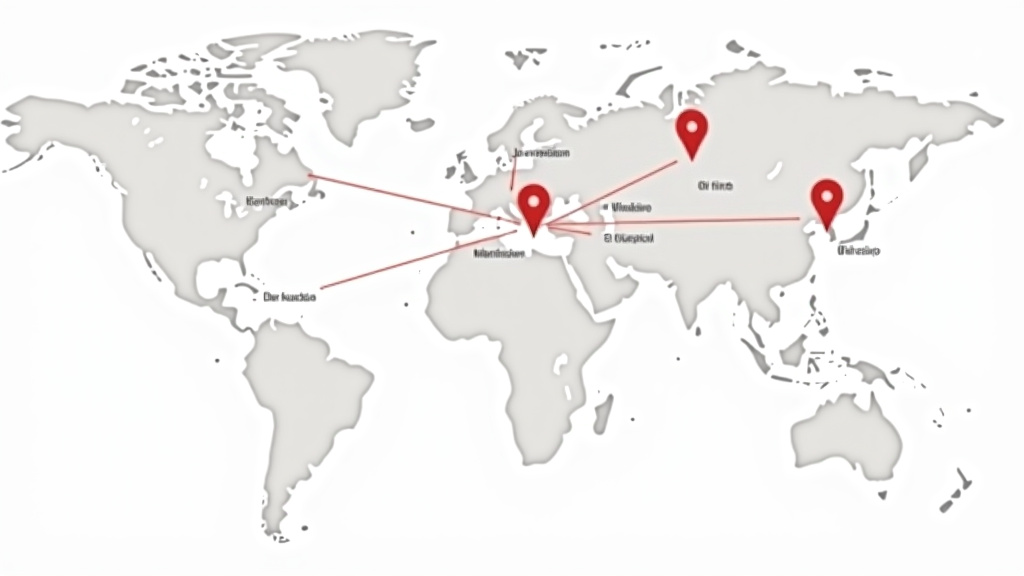
Is it the world’s biggest? Arguments can be made for others. The Old Firm derby in Glasgow (Celtic vs. Rangers) is arguably more intense in terms of raw, sectarian passion. The Superclásico in Buenos Aires (Boca Juniors vs. River Plate) has an unparalleled, visceral stadium atmosphere.
The North West Derby’s claim rests on a different triad: global reach, historical competitiveness, and commercial scale. It is watched in more countries than any other club derby. The financial might of the Premier League amplifies every moment. And unlike some derbies where one club dominates for long periods, this one swings back and forth with a compelling balance. It lacks the societal divisions of the Old Firm but replaces it with a deep, economic historical narrative that is uniquely English. It’s a different kind of beast, but its roar is heard just as far.
| Derby | Clubs | Primary Fuel | Global Scale |
|---|---|---|---|
| North West Derby | Liverpool vs. Manchester United | Historical Economic Rivalry | Highest (Premier League broadcast) |
| El Clásico | Barcelona vs. Real Madrid | Political & Cultural Divide | Very High |
| Old Firm | Celtic vs. Rangers | Religious Sectarianism | High (but more regional) |
| Der Klassiker | Bayern Munich vs. Borussia Dortmund | Sporting Dominance vs. Challenge | High |
| Superclásico | Boca Juniors vs. River Plate | Class Identity & Neighborhood | Very High (in Americas) |
Frequently Asked Questions
What’s the difference between the North West Derby and the Manchester Derby?
The Manchester Derby is between the two major clubs from the same city: Manchester United and Manchester City. The North West Derby is the inter-city rivalry between Manchester United and Liverpool F.C., from a different city 35 miles away. They are completely separate fixtures with different histories and dynamics.
Who has won more North West Derbies?
Historically, Manchester United has won more. In all competitions, United has 84 wins to Liverpool’s 72, with 61 draws (as of the 2023/24 season). In the Premier League specifically, United also leads with 29 wins to Liverpool’s 20.
What was the biggest win in the North West Derby?
The biggest win is Liverpool’s 7-0 victory over Manchester United in the Premier League on March 5, 2023, at Anfield. It is the largest margin of victory in the long history of the rivalry.
Why is the Liverpool-Manchester United rivalry so intense?
The intensity stems from a combination of factors: the 19th-century economic rivalry between the port of Liverpool and the industrial city of Manchester, the consistent competition for major trophies throughout the 20th and 21st centuries, and the clubs having two of the largest and most global fanbases in football, which amplifies every result.
Before You Go
The North West Derby is not a sporting event you simply watch. You need to understand it. It’s a direct pipeline into English history, where a 19th-century canal dispute fuels 21st-century Champions League drama. The stats show a razor-thin balance of power, 84 wins to 72. The moments, from Robson’s defiance to Salah’s scoring, define generations of players. And the scale is unmatched, making it a true global spectacle alongside clashes like the iconic South American derby between Boca and River.
Forget calling it just a big game. It’s the enduring clash between two empires built on cotton and ships, now fought on grass. That’s why it burns brighter than any other flame in English football.
I come from the “soccer heart” of Germany, the Ruhrpott. I have played, trained and followed soccer all my life and am a big fan of FC Schalke 04. I also enjoy following international soccer extensively.