Denmark’s World Cup History, Best Results, and Key Moments
Denmark’s World Cup history spans six tournament appearances, with their best result being a quarter-final finish in 1998. Their journey is defined by a spectacular, attacking debut in 1986, consistent but unspectacular performances in the 21st century, and a recent, painful failure to qualify for the 2026 edition that has plunged the team into a period of transition.
Most fans remember the highlights: the ‘Danish Dynamite’ of 1986 or the near-miss against Brazil in ’98. What gets lost is the pattern of coming up just short, the Round of 16 exits, the penalty shootout heartbreak, and the recurring issue of failing to convert dominance into deep tournament runs. It’s a history of promise punctuated by frustration.
This guide breaks down every Danish World Cup campaign, the key players who defined each era, the tactical shifts, and the very real challenges they face after missing the 2026 tournament.
Key Takeaways
- Denmark’s first and most iconic World Cup was in 1986 (“Danish Dynamite”), where they won their group 3-0 before a shocking 5-1 collapse to Spain.
- Their best finish is the 1998 quarter-finals, losing 3-2 to Brazil in one of that tournament’s best matches.
- They have a pattern of reaching the knockout stages (Round of 16 in 1986, 2002, 2018) but failing to progress beyond that barrier outside of 1998.
- A critical weakness is penalty shootouts, losing their only World Cup shootout (2018 vs. Croatia) and the decisive 2026 qualification playoff the same way.
- The failure to qualify for the 2026 World Cup, confirmed by a playoff penalty loss to Czechia, has triggered a necessary but painful squad rebuild.
Denmark’s World Cup Record at a Glance
You can’t understand Danish football without their Wikipedia page on Denmark’s World Cup history. It tells a story of late arrival and intermittent success. They didn’t even qualify for a finals until 1986, which is remarkably late for a European nation of their footballing pedigree. Since then, they’ve been a persistent but not dominant presence.
Their overall record is respectable but not elite. In 23 World Cup matches, they have 9 wins, 6 draws, and 8 losses. They’ve scored 31 goals and conceded 29. That places them 23rd on the all-time World Cup table, a solid mid-tier nation. The story isn’t in the aggregate numbers, though. It’s in the specific campaigns where they either dazzled or disappointed.
Denmark’s six World Cup appearances (1986, 1998, 2002, 2010, 2018, 2022) have yielded one quarter-final, three Round of 16 exits, and two group-stage eliminations. Their most consistent phase was from 1998 to 2018, qualifying for four of five tournaments and advancing from the group stage three times. The 2022 group-stage exit and subsequent 2026 qualification failure mark a clear downturn.
TL;DR: Denmark is a classic “round of 16 team” with one glorious exception in 1998, and their recent failure to qualify for 2026 signals a genuine crisis.
The “Danish Dynamite” Debut (1986)
Head coach Sepp Piontek’s side didn’t just arrive at the 1986 World Cup in Mexico; they exploded onto the scene. Dubbed “Danish Dynamite,” this team played a fearless, attacking 4-3-3 that was decades ahead of its time in its proactive approach. They weren’t there to participate; they were there to win.
The group stage was a masterpiece. They opened with a 1-0 win over Scotland, then dismantled Uruguay 6-1, a statement victory that announced them as contenders. They sealed first place with a confident 2-0 win against a strong West Germany side. The football was fluid, intelligent, and thrilling. Players like Preben Elkjær, Michael Laudrup, and Jesper Olsen became international stars overnight.
Then came the Round of 16 against Spain. Denmark took a 1-0 lead through a Jesper Olsen penalty. What happened next is etched in Danish football trauma. A careless backpass by Olsen led to an equalizer, the defense unraveled, and Spain scored five unanswered goals to win 5-1. The collapse was total. The phrase “Jesper Olsen backpass” is still shorthand for catastrophic failure in Denmark.
Common mistake: Romanticizing the 1986 team only for its attacking flair, that side’s defensive naivety under high-pressure knockout conditions is why their tournament ended in a historic collapse, not a deep run.
The Golden Generation’s Peak (1998)

Photo: KoreanDragon / Wikimedia Commons / CC BY-SA 4.0
If 1986 was about flair, 1998 was about maturity and resilience. This was the golden generation, fresh off their miraculous Euro 1992 win. Led by the Laudrup brothers (Michael and Brian) and goalkeeper Peter Schmeichel, this team blended world-class talent with tournament-hardened grit.

They navigated a tough group with hosts France, South Africa, and Saudi Arabia, finishing second. The real magic happened in the Round of 16 against Nigeria. Down 1-0 after 12 minutes, they rallied to win 4-1, with Peter Schmeichel saving a crucial penalty at 2-1. It was a complete performance.
The quarter-final against Brazil is the defining match of Denmark’s World Cup history. They traded blows with the tournament favorites, leading 1-0 and then 2-1. Rivaldo and Bebeto eventually put Brazil ahead 3-2, but Denmark pressed until the final whistle, with Martin Jørgensen hitting the post in the last minute. They lost 3-2, but they left everything on the pitch. It was their pinnacle.
| Aspect | 1986 “Dynamite” | 1998 “Golden Generation” |
|---|---|---|
| Playing Style | Gung-ho attacking 4-3-3 | Balanced, physical 4-4-2 |
| Key Strength | Overwhelming offensive creativity | Defensive solidity & big-game experience |
| Fatal Flaw | Defensive fragility under pressure | Running out of steam against elite talent |
| Legacy | Cultural icon, style remembered | Measured by achievement, the best result |
TL;DR: 1998 proved Denmark could go toe-to-toe with the best. The 1986 team was more fun, but the 1998 team was better.
The 21st Century: Consistency Without Glory
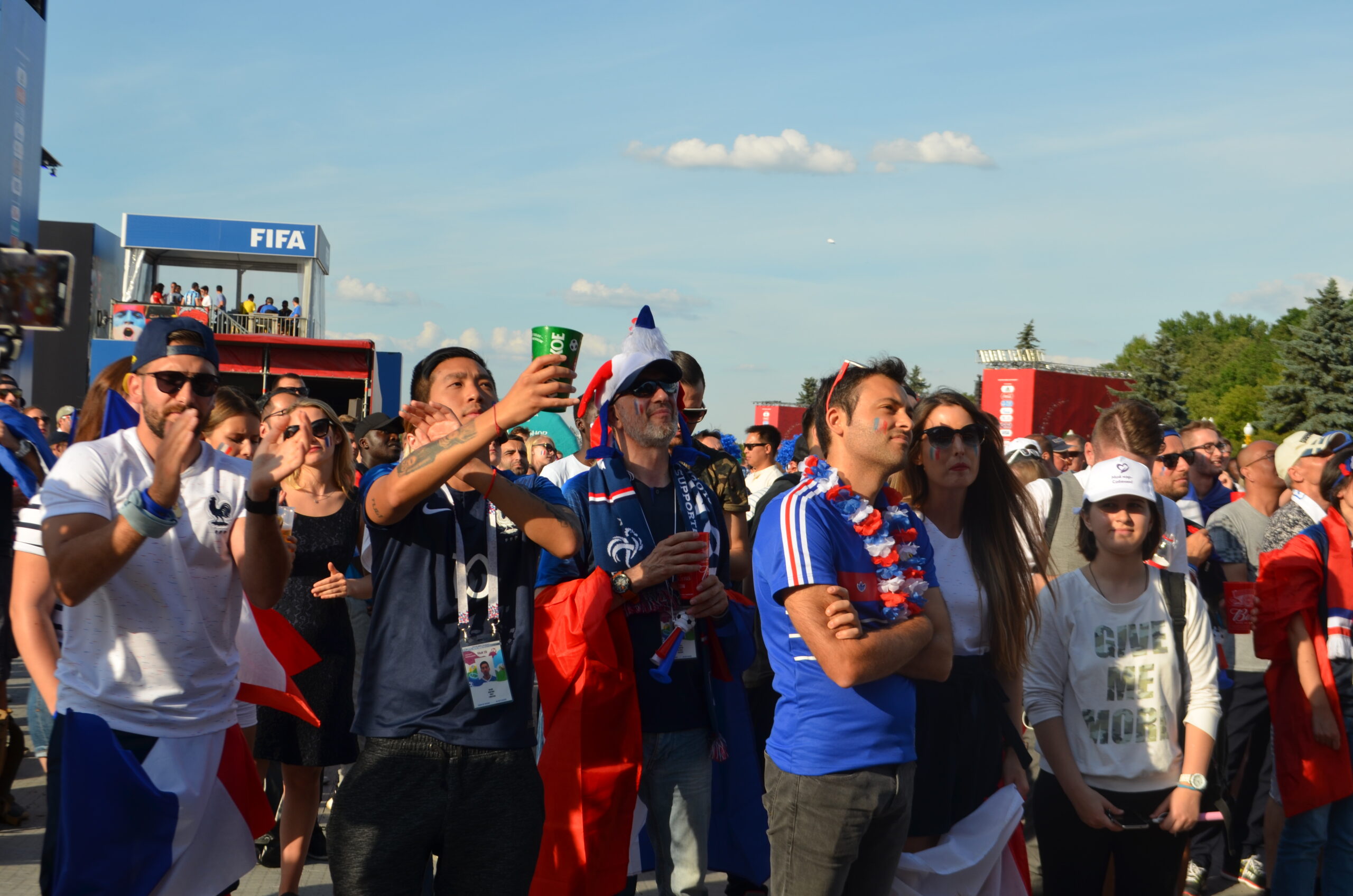
Photo: Brateevsky / Wikimedia Commons / CC BY-SA 4.0
The new millennium saw Denmark become a reliable qualifier, but the ceiling remained frustratingly low. Their soccer tactics evolved, but the outcomes felt familiar.
.jpg)
In 2002, they reached the Round of 16 again, only to be comfortably beaten 3-0 by England. The 2010 campaign in South Africa was forgettable, ending in the group stage. The 2018 tournament in Russia felt like a return to form. They drew with Australia and Peru, beat Peru, and faced Croatia in the Round of 16. After a 1-1 draw, the match went to penalties. Denmark lost 3-2. The curse of the shootout had begun.
I backed Kasper Schmeichel to be the penalty hero in 2018, just like his father was in 1998. He saved one, but our takers missed three. That’s the difference between a storybook ending and another quiet flight home. You can have the best goalkeeper in the world for penalties, but if the outfield players don’t score, it’s over.
Their most recent appearance, Qatar 2022, was a major disappointment. Tipped as dark horses after a strong Euro 2020, they looked tactically confused. A 0-0 draw with Tunisia, a 2-1 loss to France, and a 1-0 loss to Australia sent them home bottom of the group. The aggressive, high-pressing 3-5-2 formation that worked at the Euros was picked apart. It was a failure of strategic adjustments at the worst possible time.
The Current Crossroads: Missing 2026
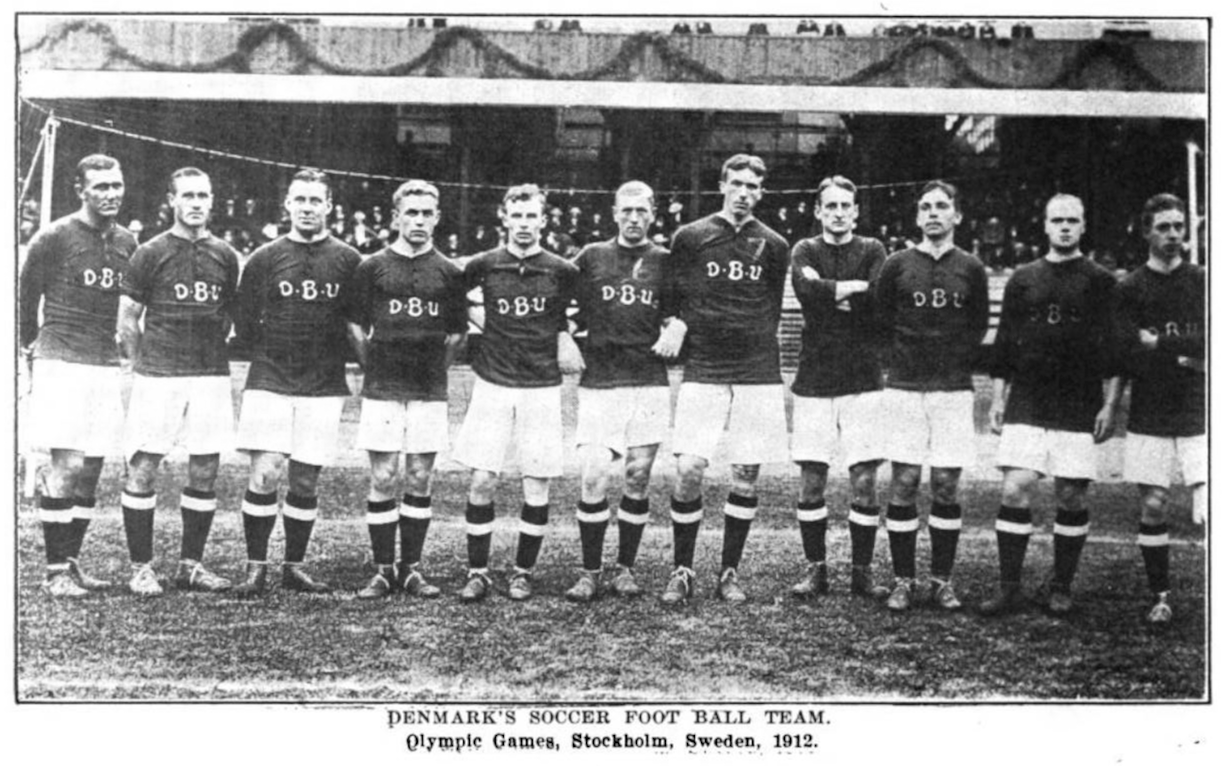
Photo: Unknown / Wikimedia Commons / Public domain
The 2022 failure was a warning. The 2026 qualification campaign was the confirmation. Denmark finished second in their qualifying group behind Slovenia, a result that itself raised alarms. This sent them into the nerve-shredding playoffs.

The playoff final against Czechia in March 2025 was a microcosm of modern Danish frustrations. They played well enough, creating chances. They led, then conceded. They equalized late to force extra time at 2-2. The game went to penalties. Again. They lost 3-1. The whistle blew, and Denmark was out of the 2026 World Cup.
The immediate aftermath was stark. Coach Kasper Hjulmand, the architect of the Euro 2020 semi-final run, was replaced by Brian Riemer. Star midfielder Christian Eriksen confirmed this was his last qualifying campaign. The core of the team that had served for a decade. Simon Kjær, Pierre-Emile Højbjerg, Thomas Delaney, is now aging out. The Denmark men’s national football team Wikipedia page is now being rewritten in the context of a rebuild.
Common mistake: Assuming qualification is a given for a nation of Denmark’s ranking, the margins in European qualifying are razor-thin, and one poor playoff performance, especially from the penalty spot, can erase a decade of consistency.
The conversation has shifted entirely. It’s no longer about which tactical formations can challenge France or England at a finals. It’s about developing a new generation of attackers, finding a reliable goal-scorer, and rebuilding a defense. The player fitness and strength training regimes for this new cohort will be more important than any single match strategy for the next few years.
TL;DR: Missing the 2026 World Cup wasn’t a blip; it was a system failure. Denmark is now in a rebuild with no guaranteed timeline for a return to the top table.
Key Players Who Defined the Journey
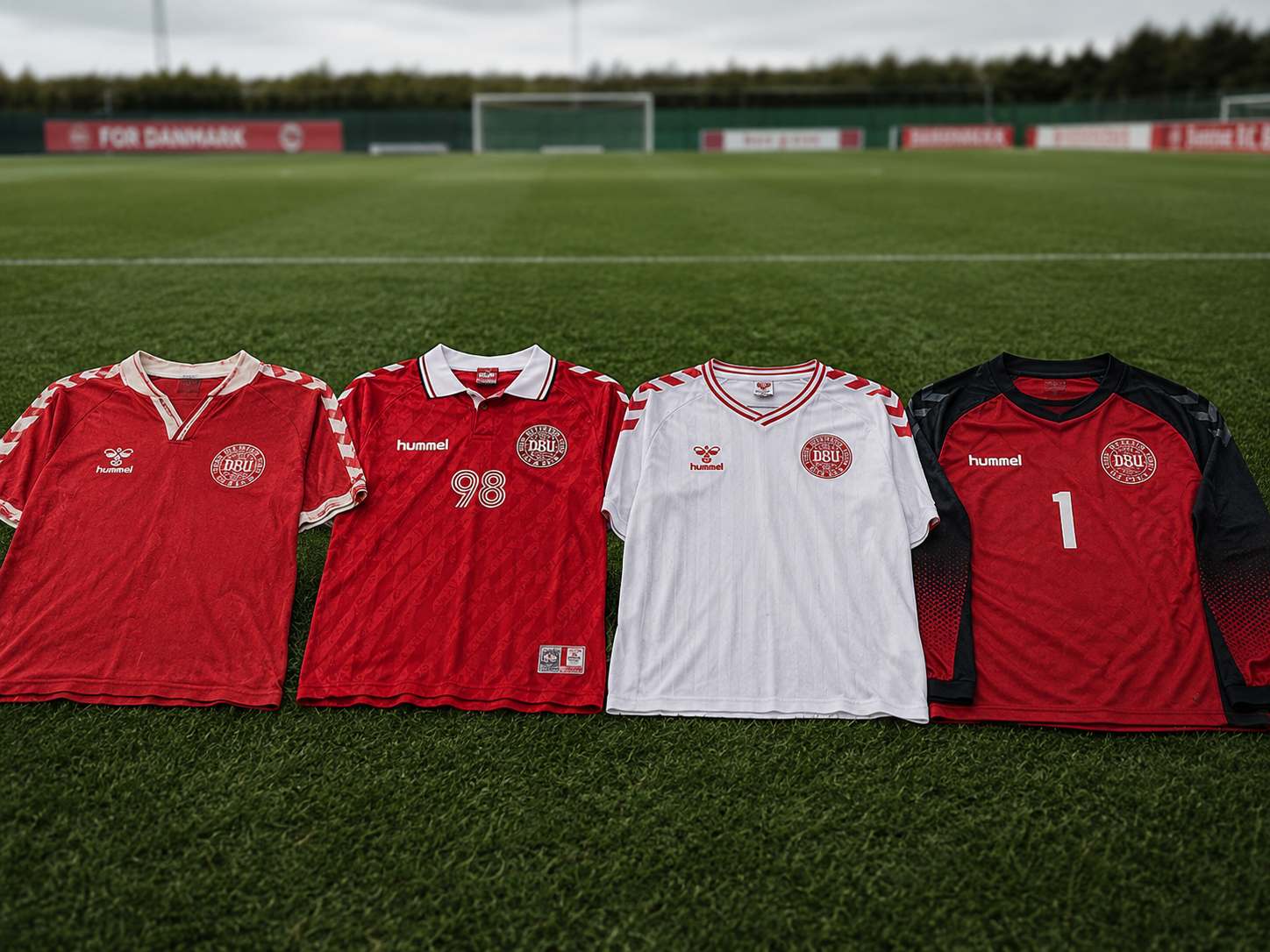
Denmark’s history is written by its stars. You can’t tell this story without the technicians, the warriors, and the keepers.
Michael Laudrup is the undisputed genius, the orchestrator of both the 1986 and 1998 campaigns. His brother, Brian Laudrup, provided the explosive wing play and heart in ’98. Before them, Preben Elkjær was the relentless, chaotic force of nature in ’86. In goal, Peter Schmeichel provided a platform for success that no Danish keeper has matched since; his dominance in the box and penalty-saving prowess made Denmark feel bigger than they were.
In the modern era, Christian Eriksen carried the creative burden for over a decade. His return from a cardiac arrest to lead the team at the 2022 World Cup is one of football’s great stories, even if the tournament ended poorly. Defensive rocks like Simon Kjær and Daniel Agger provided the steel. These players, through different eras, shared a common trait: they performed for Denmark when it mattered most, elevating the team around them. Their legacy is a soccer player’s athletic physique and technical skill applied with immense national pride.
| Player | Era | Role | World Cup Highlight |
|---|---|---|---|
| Preben Elkjær | 1980s | Maverick Striker | Hat-trick vs. Uruguay (1986) |
| Michael Laudrup | 1980s-90s | Playmaker | Controlling midfield vs. Nigeria (1998) |
| Peter Schmeichel | 1990s-2000s | Goalkeeper | Penalty save vs. Nigeria (1998) |
| Christian Eriksen | 2010s-2020s | Attacking Midfielder | General play in 2018 Round of 16 |
| Simon Kjær | 2010s-2020s | Centre-Back | Defensive leadership in 2018 & 2022 |
Frequently Asked Questions
How many times has Denmark been in the World Cup?
Denmark has qualified for the FIFA World Cup finals six times: 1986, 1998, 2002, 2010, 2018, and 2022. They failed to qualify for the 2026 tournament.
What is Denmark’s best World Cup result?
Denmark’s best World Cup result is reaching the quarter-finals in 1998. They were eliminated by Brazil 3-2 in a thrilling match.
Why is the 1986 team called “Danish Dynamite”?
The 1986 team earned the nickname “Danish Dynamite” for their explosive, attacking style of play. They won all three group matches in spectacular fashion, including a 6-1 thrashing of Uruguay, before their shocking collapse against Spain.
Has Denmark ever won a World Cup knockout game?
Yes, Denmark has won two World Cup knockout games. They beat Uruguay in a group-stage playoff in 1986 (before the current format) and defeated Nigeria 4-1 in the Round of 16 in 1998.
What happened with Denmark’s 2026 World Cup qualification?
Denmark failed to qualify for the 2026 World Cup. After finishing second in their group, they lost a playoff final to Czechia 3-1 on penalties following a 2-2 draw. This ended a run of consecutive appearances and triggered a major team rebuild.
Before You Go
Denmark’s World Cup story is one of brilliant flashes rather than sustained fire. The 1986 debut created a legend, and the 1998 quarter-final run proved they could compete with the very best. The last two decades have been defined by a frustrating cycle: qualify, play decent football, then find a way to fall just short, often from the penalty spot.
The failure to reach the 2026 World Cup is a significant turning point. The era defined by Christian Eriksen, Simon Kjær, and Kasper Schmeichel is over. The challenge for new coach Brian Riemer is monumental: rebuild the squad’s identity, develop a new generation of talent, and restore the qualifying consistency that Danish fans had come to expect. The history books show a team capable of magic. The future depends on building something more reliable.
I come from the “soccer heart” of Germany, the Ruhrpott. I have played, trained and followed soccer all my life and am a big fan of FC Schalke 04. I also enjoy following international soccer extensively.