Croatia’s World Cup Journey: History and Greatest Results
Croatia’s World Cup history and best results are defined by three podium finishes from seven tournaments: a third place in 1998, a runners-up finish in 2018, and another third place in 2022. For a nation of under four million people, this consistency at the summit of world football is unparalleled among modern teams of similar size.
Most articles list the facts, 1998, 2018, Modrić, and call it a day. They miss the texture. The real story isn’t just the medals. It’s the specific, gritty way they’ve won them: through a culture of relentless midfield control, a preternatural calm in penalty shootouts, and a tactical identity forged in the aftermath of war. This isn’t a fluke. It’s a system.
Let’s trace the path of the Vatreni from their explosive debut to their current status as perennial contenders, unpacking the how and why behind the results that made a small country a global football power.
Key Takeaways
- Croatia has reached the semi-finals in three of their seven World Cup appearances (1998, 2018, 2022), winning two bronze medals and one silver.
- Their 2018 final appearance made them the second-smallest country by population, after Uruguay, to ever contest a World Cup final.
- They hold a perfect 4-0 record in World Cup penalty shootouts, a defining trait of their knockout-stage resilience.
- Luka Modrić’s 2018 Golden Ball is the only time a player from a non-finalist nation has won the award since its 1982 inception.
- Manager Zlatko Dalić has overseen their most consistent period, utilizing a flexible 4-3-3/4-1-4-1 system built around midfield stamina and tactical intelligence.
The 1998 Debut: A Nation’s Healing
The tournament in France was more than football. Croatia had been independent for only seven years. The wounds of the Balkan wars were fresh. Their qualification itself was a statement. What followed was a catharsis.
They were drawn in Group H with Argentina, Jamaica, and Japan. A 1-0 loss to Argentina was a lesson. Convincing wins over Jamaica (3-1) and Japan (1-0) saw them advance. Then came the knockout rounds. In the round of 16, they met Romania. It was tense, goalless after 90 minutes. Then, in the 119th minute, Davor Šuker pounced. His golden goal sent a nation into delirium and announced Croatia as a serious threat.
The quarter-final against Germany is etched in legend. It wasn’t a fluke. Croatia outplayed the three-time champions. Robert Jarni scored a blistering free-kick. Goran Vlaović added a second. Šuker sealed it with a sublime chip over Andreas Köpke. A 3-0 victory. The symbolism was immense. In the semi-final, they lost 2-1 to the hosts and eventual champions, France. Lilian Thuram’s two rare goals did the damage. The dream of a final was over, but the mission wasn’t.
The third-place match against the Netherlands was another epic. After falling behind, they equalized and then won it with a goal from Robert Prosinečki. That 2-1 victory secured the bronze medal. Šuker finished as the tournament’s top scorer with six goals, winning the Golden Boot.
The 1998 Croatian team achieved a third-place finish in their first World Cup appearance, defeating Germany 3-0 in the quarter-finals and the Netherlands 2-1 in the bronze-medal match. Davor Šuker’s six goals earned him the Golden Boot, cementing the tournament as a foundational moment for the nascent football nation.
TL;DR: The 1998 campaign was a cultural reset, proving Croatia belonged on the world stage immediately and delivering iconic victories that healed a nation.
The 2018 Silver & 2022 Bronze: The Modrić Era
A generation later, a different kind of Croatian team emerged. Less about explosive individual flair, more about collective endurance and midfield mastery. The engine was Luka Modrić.
The 2018 run in Russia was a marathon of endurance. They finished top of a group with Argentina, Nigeria, and Iceland. Every knockout match went to extra time. They beat Denmark and Russia on penalties. In the semi-final, they faced England. They went behind early, equalized, and then Mario Mandžukić scored the winner in the 109th minute. The final against France was a bridge too far. Fatigue and a ruthless French side led to a 4-2 defeat. But Modrić’s tournament, his control, his passing, his leadership, was recognized with the Golden Ball. No player from a losing finalist had won it since 1998.
Four years later in Qatar, the narrative was “too old, too slow.” They were written off. Again. They topped a group with Belgium, Canada, and Morocco. In the round of 16, they faced Japan. Another 1-1 draw. Another penalty shootout victory, with goalkeeper Dominik Livaković saving three spot-kicks. The quarter-final against Brazil is now folklore. Neymar scored a sublime goal in extra time to put Brazil ahead. In the 117th minute, Bruno Petković equalized. Penalties again. Livaković saved Rodrygo’s first attempt. Marquinhos hit the post. Croatia, inevitably, advanced.
They lost to Argentina in the semi-final but defeated Morocco 2-1 to secure the bronze. Modrić, at 37, won the Bronze Ball. The resilience was absurd.
| Tournament | Finish | Key Victory | Defining Moment |
|---|---|---|---|
| 2018 Russia | Runners-up | 2-1 vs. England (AET) | Mandžukić’s 109th-minute semi-final winner. |
| 2022 Qatar | Third Place | 1-1 (4-2 pens) vs. Brazil | Petković’s 117th-minute equalizer forcing penalties. |
Common mistake: Calling Croatia’s 2018 run a “fairytale” or “luck.” It was neither. It was the product of a specific tactical plan built to absorb pressure and win midfield battles, perfected over 120-minute grinds. Calling it a Cinderella story dismisses the deliberate engineering behind it.
TL;DR: The 2018-2022 cycle showcased a team built on tactical stamina and penalty shootout ice veins, turning perceived weaknesses (age, lack of pace) into relentless, tournament-winning strengths.
Croatia’s World Cup Results at a Glance
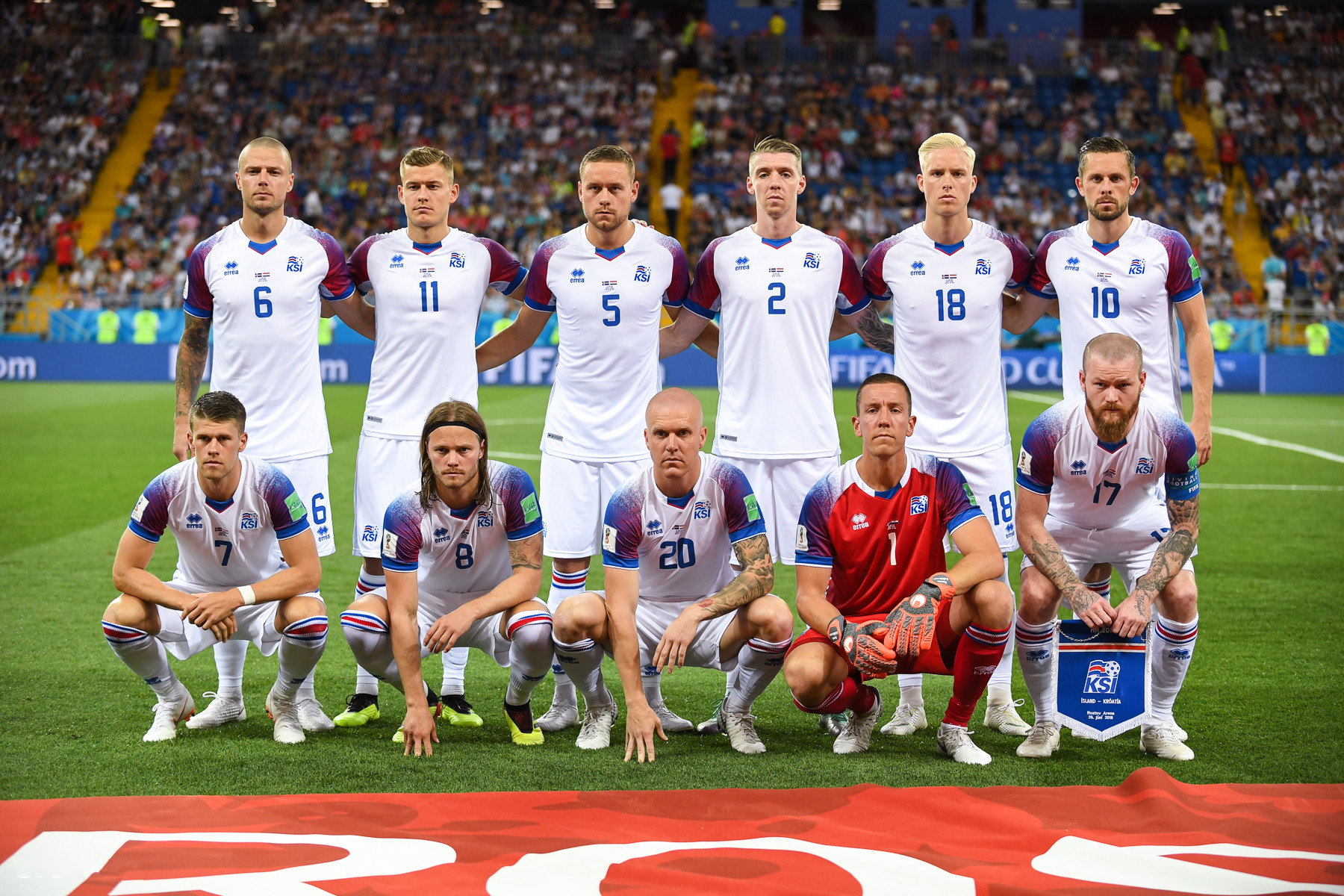
Photo: Светлана Бекетова / Wikimedia Commons / CC BY-SA 3.0
The numbers tell a story of remarkable consistency for a nation with such a short history. A deep dive into the Wikipedia FIFA World Cup Croatia page reveals the hard data behind the legend.

Their overall record across 30 World Cup matches is 13 wins, 8 draws, and 9 losses. They’ve scored 43 goals and conceded 33. The podium finishes are the headline, but the path there is defined by knockout-stage grit. They’ve played in four penalty shootouts and won all four, a 100% record no other nation can match. This isn’t luck. It’s a practiced, psychological edge.
Their biggest win was a 4-0 thrashing of Cameroon in the 2014 group stage. Their heaviest defeat was the 3-0 loss to Argentina in the 2022 semi-finals. What stands out is the lack of blowouts. Even in losses, they are almost always competitive, a testament to their structured soccer tactics guide and game management.
| Tournament | Result | Record (W-D-L) | Notable Achievement |
|---|---|---|---|
| 1998 France | 3rd Place | 5-0-2 | Debut bronze; Šuker Golden Boot. |
| 2002 Korea/Japan | Group Stage | 1-0-2 | Disappointing early exit. |
| 2006 Germany | Group Stage | 0-2-1 | Failed to win a match. |
| 2014 Brazil | Group Stage | 1-0-2 | 4-0 win over Cameroon. |
| 2018 Russia | Runners-up | 4-2-1 | Three knockout wins in extra time. |
| 2022 Qatar | 3rd Place | 3-2-1 | Back-to-back semi-finals. |
| 2026 N. America | Qualified | 7-1-0 (Qualifying) | Won UEFA qualifying group undefeated. |
The Dalić Era & Tactical Identity
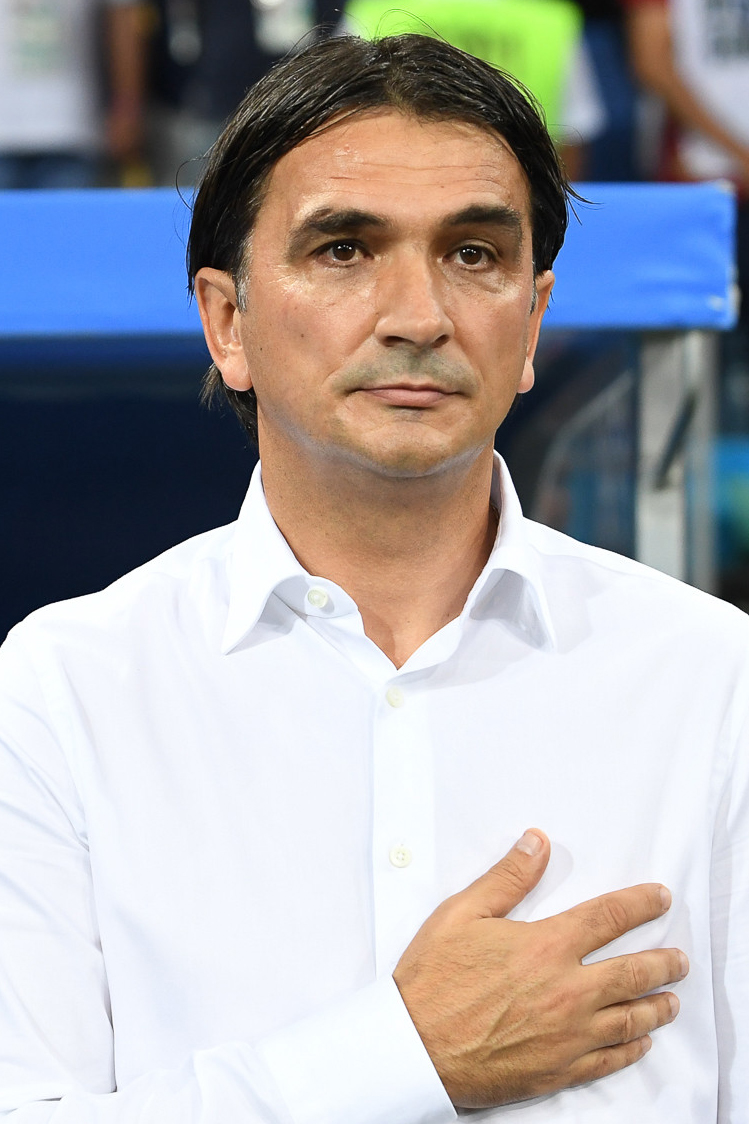
Photo: Анна Нэсси / Wikimedia Commons / CC BY-SA 3.0
Manager Zlatko Dalić took over in October 2017, with World Cup qualification in doubt. He steadied the ship, secured a playoff victory, and then engineered the 2018 miracle. His impact is the single biggest factor in their recent consistency.

Dalić’s system is pragmatic and flexible. He often deploys a 4-3-3 that morphs into a 4-1-4-1 without the ball. The philosophy is built on midfield control. Modrić, Marcelo Brozović, and Mateo Kovačić (or earlier, Ivan Rakitić) form a trio capable of dictating tempo against any opponent. They are not a high-pressing team. They are a mid-block team that wins the ball and transitions quickly through their technicians.
This approach is perfectly suited for tournament football. It conserves energy over a long campaign and reduces defensive exposure. It also directly enables their penalty shootout success. By controlling midfield and often ceding possession, they train for tight, tense matches decided by fine margins. They are comfortable in that space. When a game goes to penalties, they’ve been mentally prepared for 120 minutes.
I initially doubted Dalić’s appointment. It felt like a safe, federation-insider choice after the failed Ante Čačić experiment. I was wrong. His unflashy, man-management-focused approach was exactly what that talented but fractured 2018 squad needed. He didn’t overcomplicate the tactical flexibility, he simplified it, trusted his veterans, and built a fortress of collective belief. That’s why they followed him into extra time, again and again.
This identity separates them from more flamboyant but less durable contenders. You can see echoes of this pragmatic, midfield-first philosophy in the evolution of modern soccer formations, where control often trumps chaos.
TL;DR: Dalić’s pragmatic, midfield-centric system is engineered for tournament survival, creating the tense, low-margin games where Croatia’s penalty shootout expertise becomes a decisive weapon.
How Croatia Compares to Other Small Nations
Photo: Светлана Бекетова / Wikimedia Commons / CC BY-SA 3.0
To truly grasp Croatia’s achievement, you must look at the company they keep. By population (under 4 million), they are dwarfs on the world stage. Yet, their trophy cabinet rivals giants.
Uruguay (3.5 million) is the only smaller nation to win the World Cup (1930, 1950). The Netherlands (18 million) is the only smaller nation by land area to reach a final. Croatia’s three podium finishes in seven attempts give them a better hit rate than the Dutch since 1998. Nations like Portugal (10 million) or Belgium (11 million), often labeled “golden generations,” have not matched Croatia’s consistency in reaching the final four.
This overperformance isn’t accidental. It’s rooted in a deep football culture, excellent youth development, and the unique psychological drive of a post-war generation. Their success story provides a blueprint, studied in every soccer player workout plan focused on tournament endurance, for how to maximize limited resources. It also creates a fascinating pool of most underrated soccer players, as stars from a smaller league often go overlooked until they shine on this stage.
Common mistake: Attributing Croatia’s success solely to a “golden generation.” While Modrić’s cohort is exceptional, the system beneath them, from youth scouting to the national team’s tactical identity, produces talent and prepares them for this specific type of success. The 1998 team was a different “generation” altogether, yet the outcome was similar. The constant is the system, not just the players.
Penalty Shootout Perfection: The Ice-Vein Gene
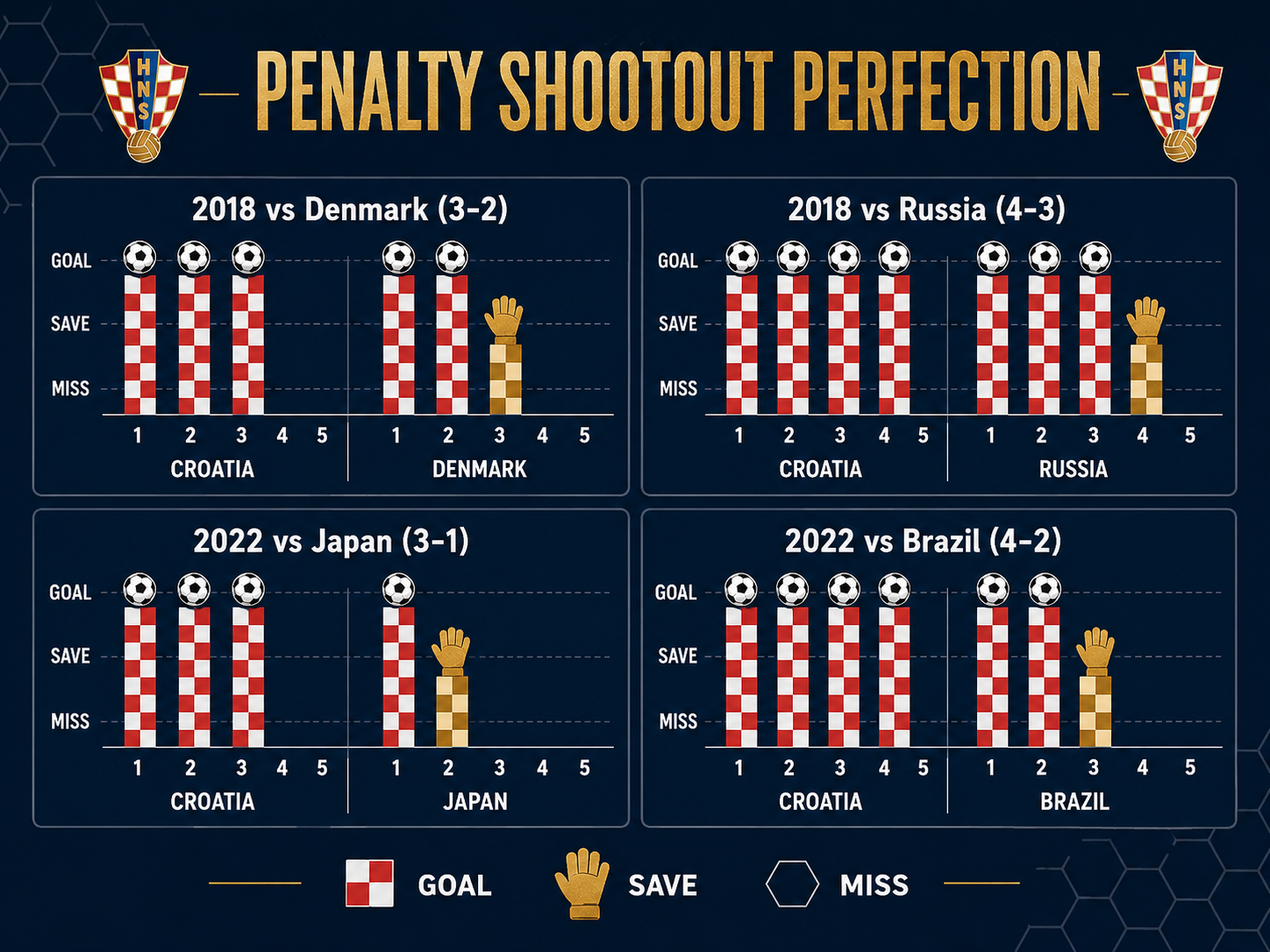
Four shootouts. Four wins. It’s the stat that defines their knockout mentality. Let’s break down the perfect record:
1. 2018 vs. Denmark (Round of 16): Modrić missed a penalty in extra time. In the shootout, Kasper Schmeichel saved two Croatian penalties. But Danijel Subašić saved three Danish ones. Croatia won 3-2.
2. 2018 vs. Russia (Quarter-final): Subašić saved one. The hosts missed one. Croatia won 4-3.
3. 2022 vs. Japan (Round of 16): Livaković saved three out of four Japanese penalties. A historic performance. Croatia won 3-1.
4. 2022 vs. Brazil (Quarter-final): Livaković saved Rodrygo’s first kick. Marquinhos hit the post. Croatia won 4-2.
This isn’t random. It’s a practiced ritual. The goalkeeper analysts prepare detailed reports on opponent penalty takers. The takers themselves rehearse their routine relentlessly. There’s a cultural coolness, a refusal to be overwhelmed by the moment. This psychological edge turns the dreaded penalty shootout into a home-field advantage. It’s the ultimate expression of their tournament DNA, often deciding memorable World Cup overtime matches.
Frequently Asked Questions
What is Croatia’s best World Cup result?
Croatia’s best result is finishing as runners-up in the 2018 World Cup in Russia, where they lost 4-2 to France in the final. Their next best results are third-place finishes in 1998 and 2022.
How many times has Croatia been in the World Cup?
Croatia has qualified for the FIFA World Cup seven times: 1998, 2002, 2006, 2014, 2018, 2022, and 2026. They have participated in six tournaments so far, with the 2026 edition in North America to be their seventh.
Has Croatia ever won the World Cup?
No, Croatia has never won the FIFA World Cup. Their best finish is second place in 2018. They have, however, won three medals: silver in 2018 and bronze in 1998 and 2022.
Who is Croatia’s best World Cup player?
Luka Modrić is widely considered Croatia’s greatest World Cup player. He led them to the 2018 final, winning the Golden Ball as the tournament’s best player, and to third place in 2022, winning the Bronze Ball. Davor Šuker, the 1998 Golden Boot winner, is also an iconic figure.
What is Croatia’s World Cup record against Argentina?
Croatia has faced Argentina three times in the World Cup, losing all three matches. They lost 1-0 in the 1998 group stage, 3-0 in the 2022 semi-final, and also in a group stage match in 2014. Argentina, with its roster of famous Argentine soccer players like Lionel Messi, has been a consistent hurdle.
Before You Go
Croatia’s World Cup story rewrites the rulebook for small nations. It’s not about one magical run. It’s about a sustained, two-decade-long presence at the sharp end of the world’s biggest tournament. From Šuker’s golden touch in ’98 to Modrić’s midfield symphony in 2018 and 2022, they have proven that population size is no barrier to ambition. Their identity, built on tactical intelligence, midfield control, and an almost supernatural calm from the penalty spot, is a masterclass in tournament football. As they look ahead to 2026, possibly with a final bow from Modrić, they carry not the hope of underdogs, but the expectation of contenders. That, in itself, is their greatest victory.
I come from the “soccer heart” of Germany, the Ruhrpott. I have played, trained and followed soccer all my life and am a big fan of FC Schalke 04. I also enjoy following international soccer extensively.