Uruguay World Cup History & Best Results: Two-Time Champions
Uruguay’s World Cup history and best results are defined by two championships, making them the first-ever winners and smallest nation to claim the title. Their legacy extends beyond 1930 and 1950, built on a fighting spirit that has produced five semi-finals and consistent knockout-round success.
Uruguay’s World Cup history and best results are defined by two championships, a unique fighting spirit, and consistent knockout-round appearances that defy their nation’s size. They are the first world champions, the smallest country to ever win the tournament, and a perennial threat with a record of five semi-finals.
Most summaries list the 1930 and 1950 wins and stop there. That misses the real story. The gap between Uruguay’s historic dominance and their modern identity as gritty contenders is what makes their journey compelling. It’s a history built on early brilliance, a legendary upset, and a stubborn refusal to fade away.
This guide breaks down every major campaign, the philosophy that drives them, the stars who defined each era, and what their future looks like under a new tactical vision.
Key Takeaways
- Uruguay’s two stars represent official FIFA World Cup titles from 1930 and 1950, not their Olympic gold medals, though FIFA recognizes those 1924 and 1928 wins as World Football Championships.
- Their 1950 victory over Brazil at the Maracanã, known as the Maracanazo, remains one of the greatest upsets in sports history.
- Beyond their titles, their best results are three fourth-place finishes (1954, 1970, 2010), achieved through a characteristic resilience often called garra charrúa.
- They hold the record as the smallest nation by population (1.75 million in 1930) to win a World Cup.
- The team is undergoing a significant rebuild under manager Marcelo Bielsa, qualifying directly for the 2026 World Cup with a high-pressing, youthful squad.
The Golden Age: 1930 and 1950 Titles
Uruguay didn’t just enter football history; they wrote its first chapter. Their early 20th-century success created the platform for everything that followed.
The 1930 tournament was born from their ambition. Uruguay offered to cover all travel costs for participating teams and built the Estadio Centenario in Montevideo specifically for the event. They repaid that investment on the pitch, defeating Argentina 4-2 in the final. That win cemented their first star and a permanent place in football lore.
The 1930 final was a diplomatic event as much as a sporting one. The match ball was swapped at halftime to satisfy both teams, one half used an Argentine ball, the other a Uruguayan ball, to resolve a pre-match dispute.
Two decades later, they authored an even more iconic story. The 1950 World Cup final is the stuff of legend. Brazil, hosting and overwhelmingly favored, only needed a draw in the final group-stage match to win. In front of nearly 200,000 at the Maracanã, Uruguay won 2-1. The silence that followed Alcides Ghiggia’s winning goal gave the match its name: O Maracanazo, “The Maracanã Blow.”
That victory was rooted in tactical discipline and mental fortitude. Coach Juan López deployed a defensive, counter-attacking scheme that perfectly exploited Brazilian overconfidence. The win wasn’t a fluke. It was a masterclass in tournament football, a lesson in how a well-organized underdog can topple a giant. This understanding of strategic patience is a cornerstone of any modern soccer tactics guide.
TL;DR: Uruguay’s two titles came as pioneering hosts in 1930 and as tactical masters in the greatest upset of 1950.
Uruguay’s World Cup Record at a Glance
The raw numbers tell a story of remarkable consistency for a nation of just 3.5 million people. Uruguay has qualified for 14 of 22 World Cups, reaching the knockout rounds in 10 of those appearances.
Their record is built on defensive solidity and clutch performances. They are not a team that racks up easy group-stage wins; they are a team that finds a way when it matters. This is the statistical footprint of garra charrúa.
| Tournament | Result | Key Notes |
|---|---|---|
| 1930 | Champions | Hosts, defeated Argentina 4-2 in final. |
| 1950 | Champions | Maracanazo: beat Brazil 2-1 in final. |
| 1954 | Fourth Place | Lost to Hungary in semi-final, then to Austria. |
| 1970 | Fourth Place | Lost to Brazil in semi, then to West Germany. |
| 2010 | Fourth Place | Luis Suárez handball vs Ghana, lost to Netherlands. |
| 1966, 2018 | Quarter-Finals | Knocked out by West Germany ’66, France ’18. |
Uruguay’s overall World Cup win percentage sits just above 50%. This reflects their approach: they are often difficult to beat but don’t always dominate possession, a trade-off that has served them well in knockout football.
Beyond the finishes, specific records highlight their extremes. Their biggest win was an 8-0 demolition of Bolivia in 1950. Their heaviest defeat, a 6-1 loss to Denmark in 1986. Their all-time top scorer at the tournament is Óscar Míguez with 8 goals, though Luis Suárez and Diego Forlan have come close in the modern era.
For a complete look at the data, the Wikipedia entry on Uruguay’s World Cup history provides exhaustive match lists and squad details.
The Garra Charrúa Philosophy
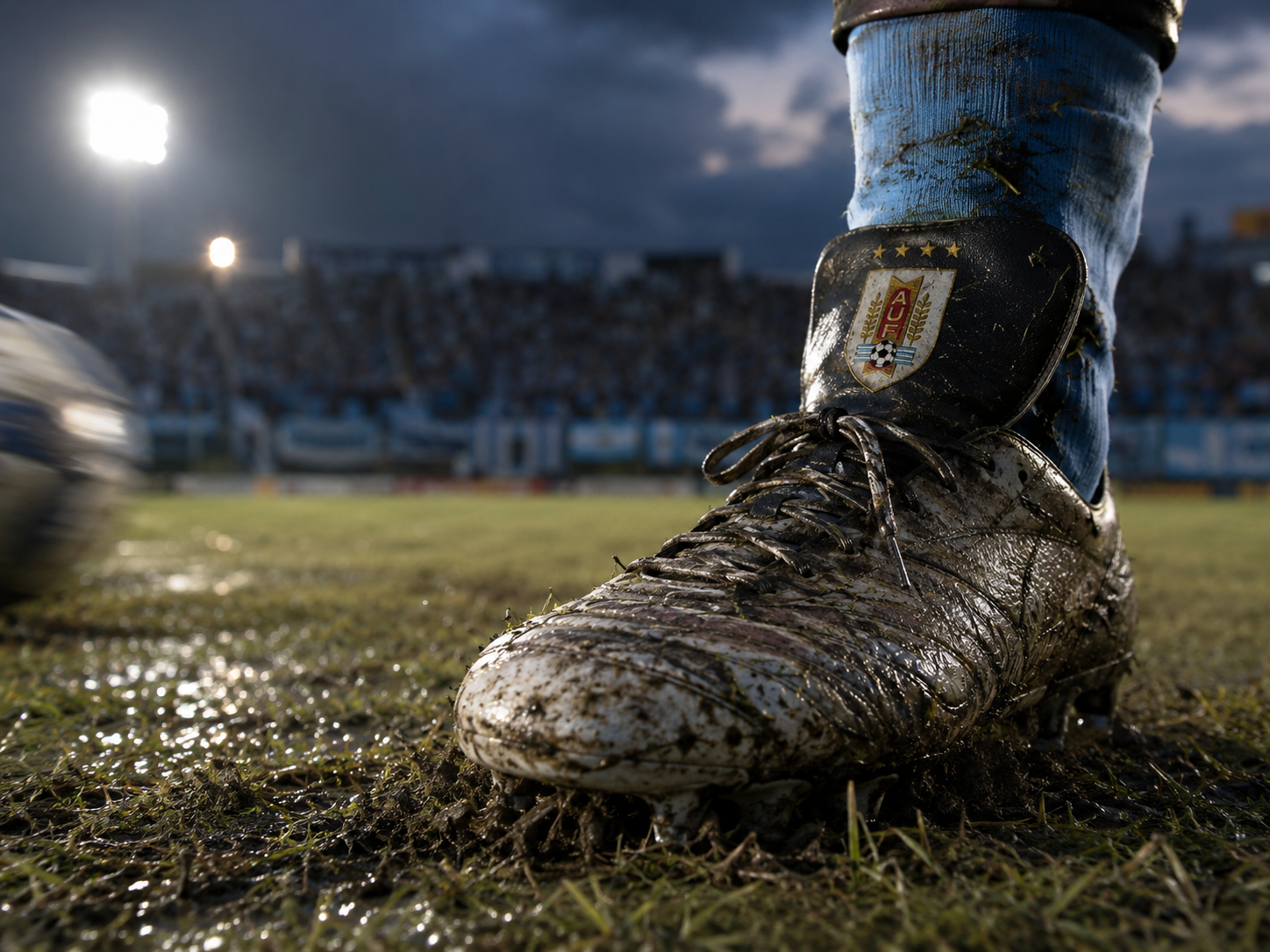
This term is not a marketing slogan. It’s a tangible style of play and a national identity. Garra Charrúa translates roughly to “Charrúa claw,” referencing the indigenous people of Uruguay and symbolizing tenacity, fight, and never-say-die spirit.
On the pitch, it manifests in three ways:
1. Defensive Intensity: A collective commitment to pressing, tackling, and making the game physically demanding. Think of Diego Godín’s iconic goal-line clearances.
2. Mental Resilience: A notorious ability to win or draw matches they have no right to, often scoring late goals. The 2010 run to the semi-finals, including the win over Ghana, is a modern textbook example.
3. Pragmatic Approach: They prioritize results over aesthetic beauty. This pragmatism won them the 1950 title and has defined successful campaigns since.
This philosophy creates players who are technically skilled but also incredibly tough. It’s why Uruguay consistently produces world-class defenders and combative midfielders who can go toe-to-toe with any historic Argentine players or other footballing giants. It’s a style built for tournament survival.
Best Results Beyond the Titles
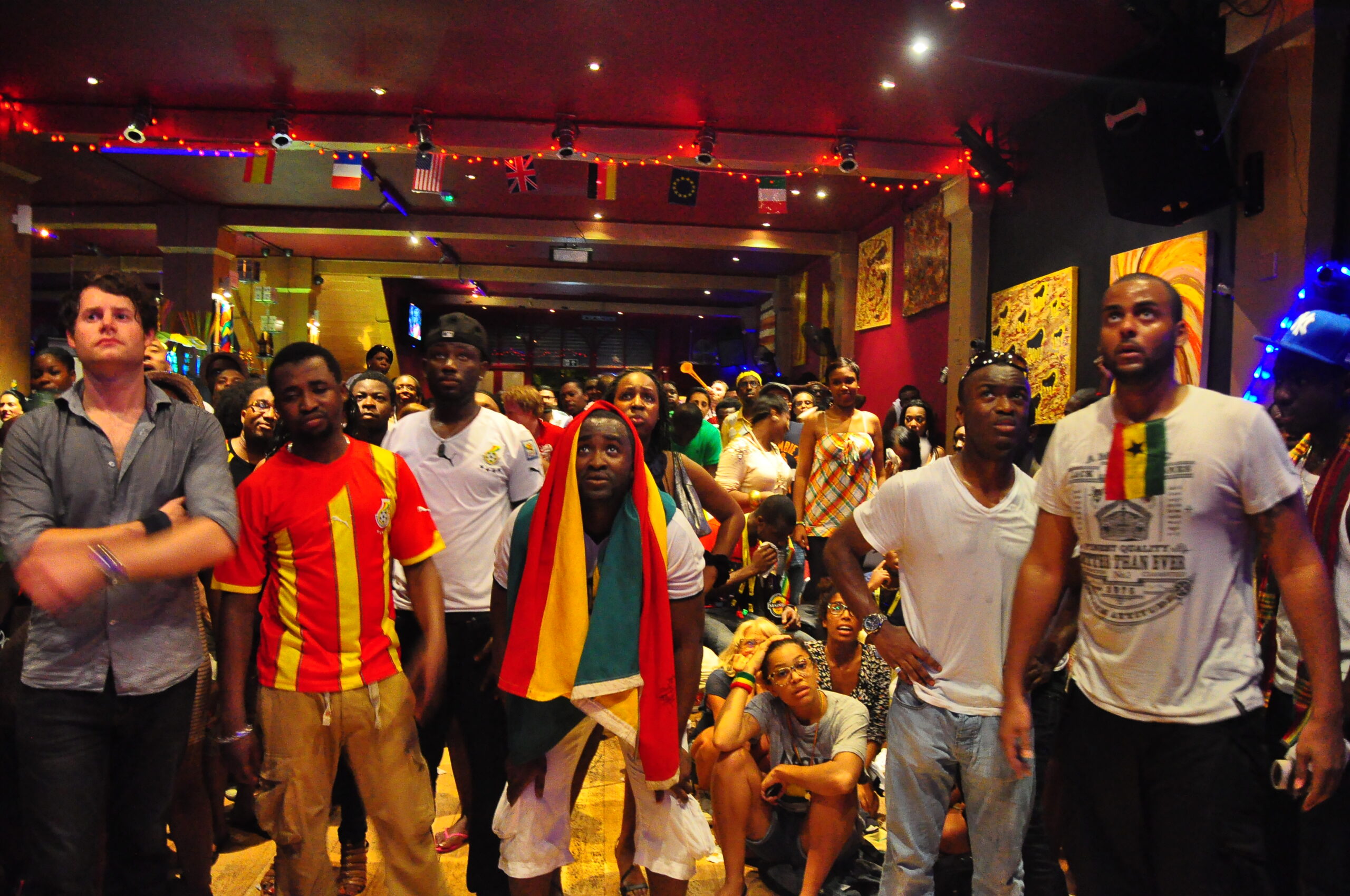
Photo: Ben Sutherland / Wikimedia Commons / CC BY 2.0
While the two stars shine brightest, Uruguay’s deep runs in other tournaments prove their quality is not confined to ancient history. Their three fourth-place finishes are significant achievements.
_%E2%80%93_2010_FIFA_World_Cup.jpg)
The 1954 and 1970 campaigns were bridges between eras. In 1954, they lost to the magnificent Hungarian “Magical Magyars” in a brutal semi-final known as the “Battle of Bern.” In 1970, they were simply outclassed by the greatest team of all time, Pelé’s Brazil. Finishing fourth in those contexts was a badge of honor.
The 2010 run in South Africa felt different. It was a resurgence. Led by Diego Forlán’s golden ball-winning performances and the emerging duo of Luis Suárez and Edinson Cavani, they played electrifying football. Their quarter-final against Ghana, decided by Suárez’s infamous handball and subsequent penalty miss, was pure, agonizing garra charrúa. They rode that momentum to a semi-final, ultimately falling to the Netherlands. That team reminded the world that Uruguay could compete with flair, not just fight.
Common mistake: Assuming Uruguay’s history is only about 1930 and 1950. Their fourth-place finishes, especially in 2010, required beating elite European sides and showcased a complete, modern team capable of memorable overtime matches and dramatic moments.
These performances solidify a pattern: Uruguay is almost never an easy out. They have reached the quarter-finals or better in nearly half of their World Cup appearances. This consistency is what separates true football nations from occasional qualifiers.
Legends and Record Holders
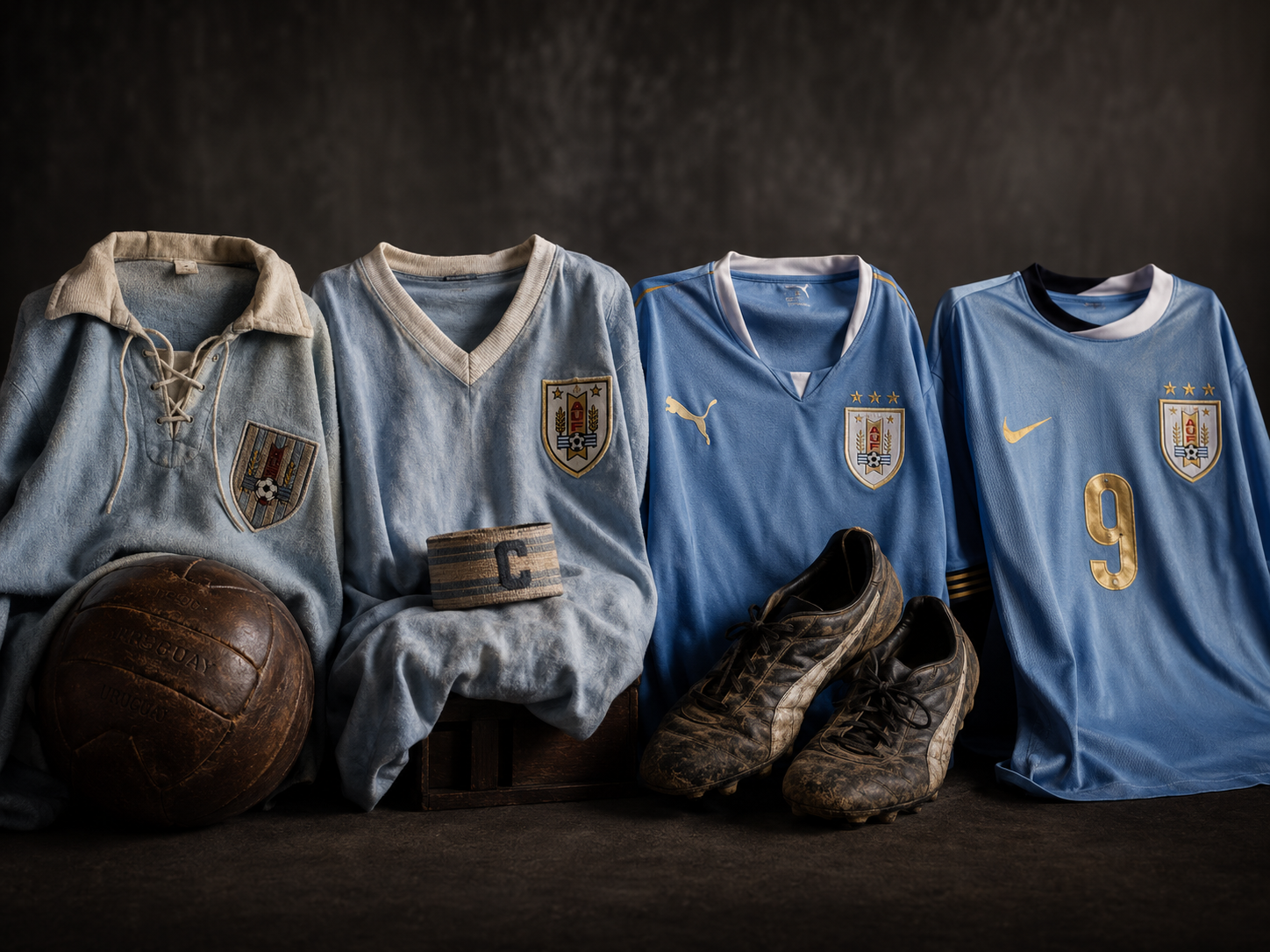
Uruguay’s history is carried by iconic figures. Each era has its heroes who embody the national character.
The early giants are almost mythical. José Nasazzi, “The Grand Marshal,” captained the 1930 side. Obdulio Varela, the captain in 1950, is the physical embodiment of garra charrúa, his leadership in the Maracanã dressing room is legendary. Striker Óscar Míguez holds the enduring goal record.
The modern era has been defined by a relentless defensive core and lethal strikers. Diego Godín, a warrior at center-back, led the line for over a decade. In attack, the partnership of Luis Suárez and Edinson Cavani produced over 120 international goals. Suárez, with his genius and controversy, and Cavani, with his boundless energy, were a nightmare for any defense, comparable in impact to other global superstars like the Argentine superstar Lionel Messi.
Today, the torch has passed. Midfielder Federico Valverde is the engine of the new generation, combining tireless running with technical quality, a classic Uruguayan blend. Defenders José María Giménez and Ronald Araújo form one of the world’s most formidable center-back pairings. This new core is built for the intense, high-pressing style demanded by their current manager.
The Modern Era and Road to 2026
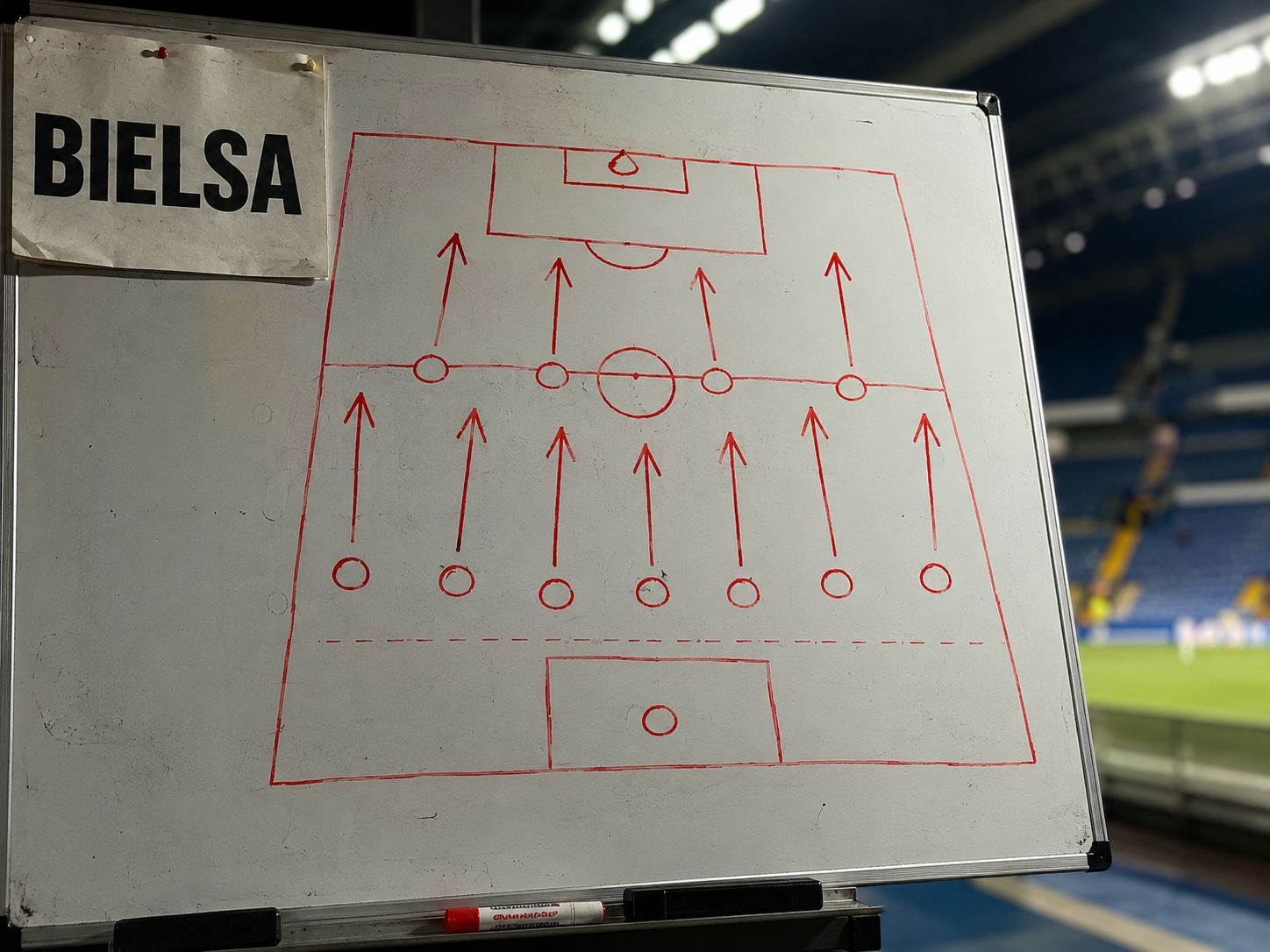
The post-2010 cycle ended with a whimper at the 2022 World Cup. Despite an unbeaten group stage, a lack of goals saw them eliminated. It prompted a historic change: the end of Óscar Tabárez’s 15-year tenure and the appointment of Marcelo Bielsa.
Bielsa’s impact has been immediate and transformative. He has overhauled the squad, introducing young talents like Maximiliano Araujo and Facundo Pellistri. His philosophy is the antithesis of traditional Uruguayan pragmatism: extreme high-pressing, relentless attacking, and total verticality. The qualifying campaign was a rollercoaster, featuring historic wins over Brazil and Argentina but also baffling losses.
I watched Uruguay under Bielsa dismantle Brazil 2-0 in La Paz in late 2024. The scoreline didn’t reflect the dominance. They pressed Brazil’s defenders into mistakes for 90 minutes, something I’d never seen a South American side do so consistently to that opponent. It was chaotic, exhausting, and brilliant.
They ultimately qualified directly by finishing fourth in CONMEBOL, a testament to the new approach’s raw power. The question for 2026 is whether Bielsa’s physically demanding system can sustain a deep tournament run. The potential is there, with a squad blending veteran savvy and youthful exuberance, including some of the fastest soccer players in the current international game.
Their group will be challenging, but Uruguay has never feared a challenge. As the Football History guide to Uruguay’s team notes, their entire story is one of defying expectations.
Rivalries and Defining Matches
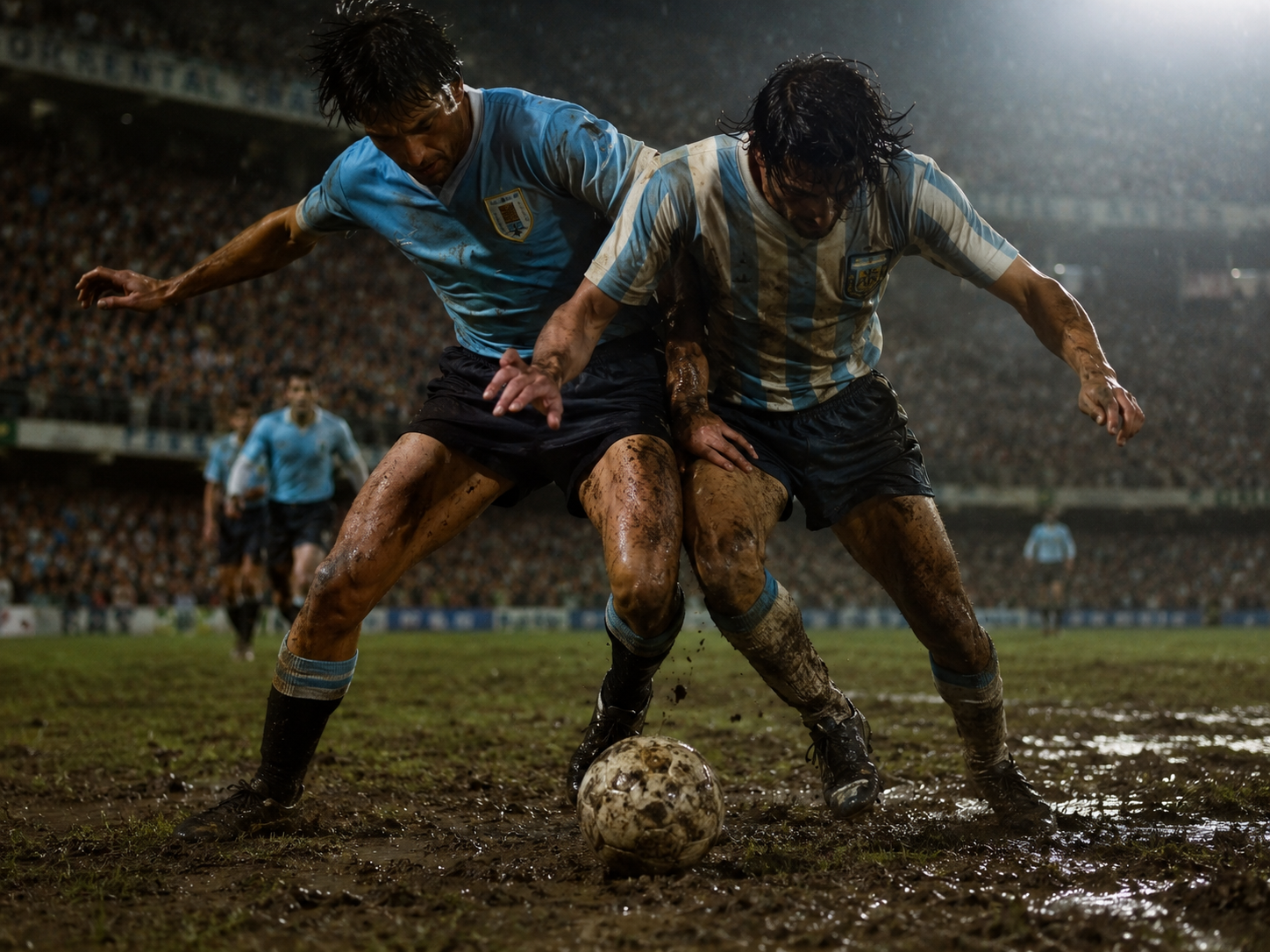
Uruguay’s history is woven through intense rivalries that frame their achievements. The most significant is with Argentina, their neighbor and first final opponent. Every clash is infused with the history of that 1930 match, a duel for regional bragging rights that goes beyond sport. Matches against Brazil’s soccer dominance are defined by the shadow of 1950; for Brazil, it’s a ghost to be exorcised; for Uruguay, it’s a standard to be upheld.
Their World Cup battles with European powers often become tactical wars. The 2010 quarter-final against Ghana is a defining match of the modern era, encapsulating their will to win at any cost. The 2018 loss to France in the quarter-finals was a display of their limits against a team with superior individual talent, despite a valiant effort.
These rivalries and matches are not just footnotes. They are the crucibles where Uruguay’s identity is forged and tested. They provide the context that makes their record, two wins, five semi-finals, genuinely impressive.
Frequently Asked Questions
How many World Cups has Uruguay won?
Uruguay has won the FIFA World Cup twice. They were the inaugural champions in 1930 and won again in 1950. The two stars on their crest represent these two official titles.
What is Uruguay’s best World Cup result besides winning?
Their best results after their two championships are three fourth-place finishes: in 1954, 1970, and most recently in 2010. They have also reached the quarter-finals on several other occasions.
Has Uruguay ever missed a World Cup?
Yes, they have failed to qualify eight times (1934, 1958, 1978, 1982, 1994, 1998, 2006, 2014). Their qualification record has been more consistent since the mid-2000s, and they have qualified for the 2026 tournament.
Who is Uruguay’s all-time top scorer in the World Cup?
Óscar Míguez is Uruguay’s top scorer in World Cup finals, with 8 goals scored across the 1950 and 1954 tournaments. Among modern players, Luis Suárez has 7 goals.
What does “Garra Charrúa” mean?
It’s a Spanish term meaning “Charrúa claw,” symbolizing the tenacity, fight, and never-give-up attitude of the Uruguayan national team. It describes their gritty, determined, and physically intense style of play.
Before You Go
Uruguay’s World Cup story is unique in football. It’s a tale of a small nation that didn’t just participate but shaped the tournament’s very identity. Their two stars are not relics but active symbols of a competitive spirit that endures. From the Estadio Centenario to the Maracanã to the high-pressing fields of the modern game, La Celeste has consistently punched above its weight.
Remember their record: two-time champions, five-time semi-finalists, and always a nightmare to play against. As they head to the 2026 World Cup under Marcelo Bielsa’s radical vision, they carry that history with them. They are proof that in football, heart, history, and a clear identity can sometimes outweigh sheer population size or resources. Never write them off.
I come from the “soccer heart” of Germany, the Ruhrpott. I have played, trained and followed soccer all my life and am a big fan of FC Schalke 04. I also enjoy following international soccer extensively.