Find What Size Soccer Shin Guards Do I Need for Perfect Fit
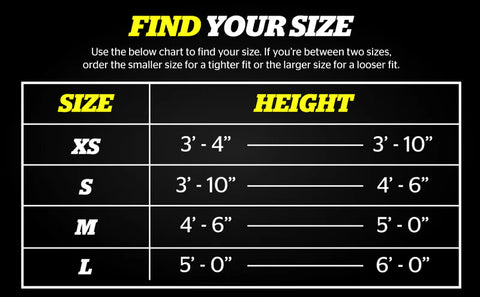
Match your height or shin length to a universal size chart, then verify with the specific brand’s guide. Your height is the primary number. For a player who is 5’8″, that’s an Adult Medium. For a shin length of 10 inches, that’s also an Adult Medium. The guard must cover from two inches below the knee to one inch above the ankle without restricting movement.
Most people grab the first box labeled with their age or guess based on a friend’s size. That gets you a guard that slides down into your cleat or digs into your calf muscle by halftime. The wrong size doesn’t just annoy you. It leaves gaps in protection right where a studded tackle lands.
This guide walks through the two measurements that matter, how to read a brand chart, and the playing-style tweaks that decide a tie between sizes. We will also cover the common fit mistakes that turn a mandatory piece of gear into a liability.
Key Takeaways
- Height is your starting point. Every major brand’s sizing chart anchors to player height. It is the single most reliable predictor of shin bone length.
- Measure your shin for precision. Use a soft tape from just below the kneecap to about an inch above the ankle’s prominent bone. This number overrules a generic age suggestion.
- Guard type changes the fit feel. Slip-in guards sit tighter against the shin, while ankle guards have a built-in sleeve that can feel bulkier. Your choice here impacts your shin guard selection guide.
- Always test with socks and cleats. The fit changes when your leg is in a playing position. A guard that feels fine in sweatpants will slide down inside a tight soccer sock.
- Do not size up for growth. An oversized guard shifts on impact, exposing the very bone it’s meant to protect. Buy for the season, not for next year.
The Two Ways to Measure for Shin Guard Size
You have two proven paths: use your total height, or measure your shin directly. Height is faster and works for about 80% of players. Shin length is the precision method for anyone with proportions that don’t match the chart—taller players with shorter shins, or stockier builds where calf width matters more than length.
The Height Method
Stand against a wall, heels flat, and mark the top of your head. That’s your number. The correlation between height and tibia length is strong enough that Nike, Adidas, and Puma all publish height-based charts as their primary guide. It is the first filter their online tools use.
A universal shin guard size chart uses player height as the primary input, with shin length as a secondary verification. For example, a player measuring 4’6″ to 4’9″ (137–145 cm) typically fits a Youth Medium guard, which corresponds to a shin coverage area of roughly 7 to 8 inches.
The Shin Length Method
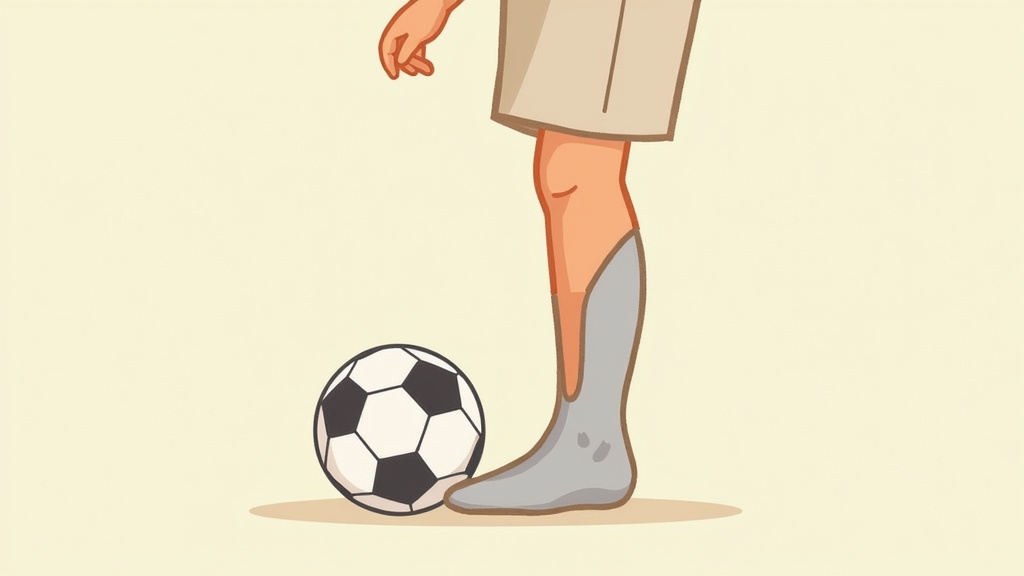
Bend your knee to a 90-degree angle, like you’re about to strike a ball. Find the soft spot about an inch below the bottom of your kneecap. That’s your top point. Find the bony knob on the inside of your ankle (the medial malleolus). Measure straight down from the top point to about an inch above that ankle bone. That distance is your shin length. Do not measure over the curve of your calf; keep the tape straight along the bone.
TL;DR: Start with your height. If you’re between sizes or have atypical proportions, measure your shin bone directly for a definitive answer.
How Shin Guards Should Actually Feel
Forget just being the right length. The guard must become part of your leg. It should not feel like an object strapped on, but like a second skin over your shinbone.
Coverage is Non-Negotiable
The top edge should sit about two finger-widths below the bottom of your kneecap. You must be able to bend your knee fully without the plastic digging into the tendon. The bottom edge should stop about an inch above the top of your ankle bone. When you look down, you should see the tips of your cleats or your toes. If the guard covers your ankle joint or touches the top of your foot, you will trip over it. Every time.
Snug, Not Tight
A proper fit has zero gap between the guard’s foam backing and your shin. If you can slide a finger between the guard and your leg, it’s too loose. But “snug” does not mean the plastic shell should constrict your calf muscles. That pinch cuts off circulation and causes cramping by the 60th minute. The feeling is secure compression, not a tourniquet.
The Shift Test
Put your guards on with your game socks. Jog in place, make sharp cuts, and take a few practice kicks. The guard should stay centered on your shinbone. If it rotates to the inside or outside of your leg, the width is wrong. If it slides down toward your ankle, the sleeve or strap system is failing. This test is why relying solely on a step-by-step securing guide matters less than the physical trial.
Common mistake: Buying for sock thickness — using thin dress socks to try on guards, then finding they swim inside thick soccer socks. The guard shifts on the first hard run, exposing the lower shin to a direct impact.
Universal Soccer Shin Guard Size Chart
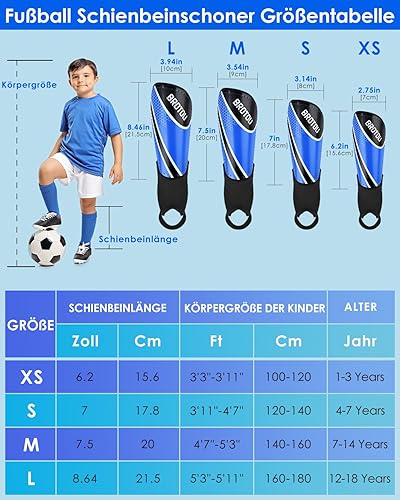
This chart translates your measurements into a size category. It is your starting point before you check a specific brand.
| Player Height | Shin Length | Typical Age | Shin Guard Size |
|---|---|---|---|
| 3’9″ – 4’2″ (114–127 cm) | 5″ – 6″ (13–15 cm) | 5 – 7 years | Youth X-Small |
| 4’3″ – 4’5″ (130–135 cm) | 6″ – 7″ (15–18 cm) | 8 – 10 years | Youth Small |
| 4’6″ – 4’9″ (137–145 cm) | 7″ – 8″ (18–20 cm) | 11 – 13 years | Youth Medium |
| 4’10” – 5’2″ (147–157 cm) | 8″ – 9″ (20–23 cm) | 14 – 16 years | Youth Large |
| 5’3″ – 5’7″ (160–170 cm) | 9″ – 10″ (23–25 cm) | 17+ years | Adult Small |
| 5’8″ – 5’11” (173–180 cm) | 10″ – 11″ (25–28 cm) | Adult | Adult Medium |
| 6’0″ – 6’3″ (183–191 cm) | 11″ – 12″ (28–30 cm) | Adult | Adult Large |
| 6’4″+ (193+ cm) | 12″+ (30+ cm) | Adult | Adult X-Large / XXL |
What to Do Between Sizes
If your height or shin length sits on the line between two sizes, your playing style decides. Choose the smaller size if you are a winger or forward who prioritizes speed and agility. The lighter, less bulky guard won’t inhibit your quick cuts. Choose the larger size if you are a defender or defensive midfielder who expects more physical contact and wants maximum coverage. Just ensure the larger guard does not restrict your knee bend.
Brand-Specific Sizing: Nike vs. Adidas vs. Puma
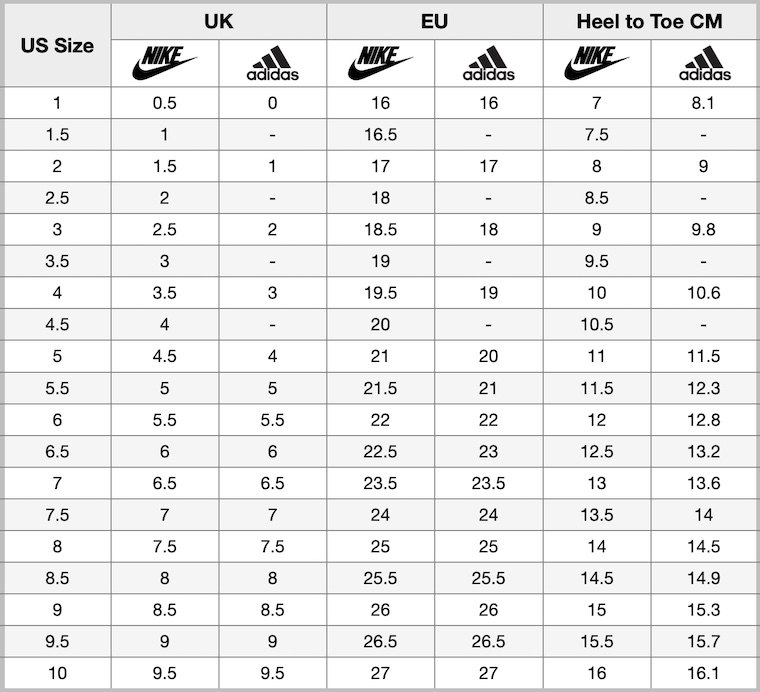
The universal chart gets you close. The brand chart gets you the right box. Their molds and foam densities differ, so a Nike Adult Medium is not identical to an Adidas Adult Medium.
Nike Shin Guards
Nike guards often run slightly narrower and have a more anatomical, contoured shape. If you have slender calves, Nike’s fit can feel more secure. Their size charts are heavily height-based. For their premium Nike Mercurial or Phantom lines, the focus is on a ultra-light, minimal feel. This design philosophy makes them a common pick among attacking players, but it can mean less padding width-wise.
Adidas Shin Guards
Adidas models, like the Predator or X lines, frequently offer a slightly wider profile and a bit more plush in the foam backing. They suit players with more muscular calves. Adidas also emphasizes their ANKLE protection models for youth players, which integrate a sock-like sleeve. Their charts are reliable, but always check the product page for the specific guard you want, as their protective shin guard models vary.
Puma Shin Guards
Puma’s Future and Ultra guards are known for a balanced fit—not as narrow as Nike, not as wide as some Adidas models. They use lightweight meshes and often feature a lower profile on the leg. This is a safe choice if you are truly between brands. Their size chart is straightforward, but they were among the first to widely offer XXL sizes for taller adult players, addressing a gap in the market.
| Brand | Fit Profile | Best For | Check Their Chart For |
|---|---|---|---|
| Nike | Narrower, anatomical contour | Slender calves, speed-focused players | Height and shin length; specific line (Mercurial vs. Phantom) |
| Adidas | Wider, more plush padding | Muscular calves, physical players | Width notes on ankle guard models; youth vs. adult sizing jump |
| Puma | Balanced, lightweight mesh | Players seeking a middle-ground fit | XXL availability for tall players; Ultra vs. Future line weight |
I bought the same “Adult Medium” size in Nike and Adidas guards in the same season. The Nike pair felt like a second skin but left red pressure marks on the sides of my calf after 90 minutes. The Adidas pair felt bulky at first but didn’t budge or pinch during a rainy, physical match. Now I know my calf diameter needs the Adidas last.
How Playing Style and Position Influence Your Choice
Your role on the pitch should influence your final decision between two otherwise correct sizes. The best shin guards for football are the ones that protect without hindering what you need to do.
Forwards and Wingers: Prioritize Speed
You need to feel fast. A smaller, lighter slip-in guard is your friend. The reduced weight and bulk prevent that “leaden” feeling during sprints. Look for carbon-fiber or thin thermoplastic polyurethane (TPU) shells instead of thick, heavy plastic. The guard might be slightly shorter within the correct range, trading a centimeter of coverage for absolute freedom. This is where understanding football shin guard types is critical.
Midfielders and Defenders: Prioritize Protection
You will be tackled. You will block shots. Opt for the larger end of your size range or a model with extended side wings for wraparound protection. The extra few ounces are worth the security. Defenders, in particular, can benefit from guards with a denser, shock-absorbing foam like EVA. Don’t let them be so large they slow you down, but err on the side of coverage.
Goalkeepers: Prioritize Unobtrusiveness
Keepers rarely take direct impacts to the shin. Your main concern is that the guard doesn’t interfere with your diving mechanics or feel bulky under your pants. A minimalist slip-in guard, often even a size down from your measured size, is standard. The focus is on staying secure without any edge catching on the turf as you go to ground.
Common Sizing Mistakes and How to Avoid Them
1. Sizing Up for a Child to “Grow Into”
This is the most destructive mistake a parent can make. An oversized guard floats on the shin. Upon impact, it can slide aside, exposing the bone entirely. It also forces the child to adjust their running and kicking mechanics to compensate for the bulky object on their leg. Buy for the current season. A season of proper protection is worth far more than trying to stretch a $25 piece of equipment over two years.
2. Using Age as Your Primary Guide
A tall and lanky 13-year-old might need an Adult Small. A stocky 15-year-old might fit a Youth Large. Age charts are a vague suggestion, not a rule. This is why the key selection factors always start with physical measurements.
3. Ignoring the Feel During Movement
A guard that feels “fine” while standing still will fail you. You must simulate game actions. Crouch in a defensive stance. Take a full-power shot. Sprint ten yards and stop abruptly. If the guard migrates, pokes your knee, or allows your shin to slide around inside it, the size or style is wrong. This is the core reason for techniques focused on preventing shin guard sliding.
4. Not Checking the Brand’s Own Chart
You would not buy shoes without knowing the brand’s fit. Do not buy shin guards that way. The five minutes you spend on the Nike or Adidas website comparing your measurements to their grid prevents a return and a wasted week.
Common mistake: Choosing ankle guards for the wrong reason – because they look “more protective” for a beginner adult. The integrated sleeve adds bulk and can overheat the foot. Most adult players transition to slip-in guards for better comfort and mobility, using a separate compression gear for football sleeve to hold them in place.
Frequently Asked Questions
What if my shin length and height point to different sizes?
Trust the shin length measurement. Height is a proxy for bone length, but your specific tibia is the final authority. If your shin is 10 inches but you are 6’2″, use the size for a 10-inch shin (Adult Medium). Your calf muscle width might then push you to a brand with a wider fit, like Adidas.
Are shin guards supposed to cover your ankle?
No. Shin guards protect the shin bone (tibia). Ankle guards have a built-in padded sleeve that protects the ankle bones, but the hard plastic shin plate should still stop above the ankle joint. The sleeve is separate. Many youth models are ankle guards for added safety, while most adult players use slip-in guards, making the shin guard design comparison a key decision.
How tight should the shin guard strap or sleeve be?
Tight enough that you cannot rotate the guard on your leg with the strap fastened or the sleeve on. It should not leave deep, lasting indentations in your skin or cause numbness. A compression sleeve is often more effective and comfortable than a single elastic strap.
Do I need ASTM F1677 certification?
Yes, for any organized play. ASTM F1677 is the standard test method for shock attenuation in shin guards in the United States. Any guard sold for soccer should meet this standard. It is usually marked on the packaging or the guard itself. This is a non-negotiable for verified protection.
How often should I replace my shin guards?
Inspect them at the start of each season. Replace them if the plastic shell is cracked, if the foam backing is permanently compressed and no longer resilient, or if the straps/sleeves are frayed and loose. Sweat and repeated impacts degrade the materials. Proper shin guard maintenance guide practices can extend their life.
Can I wear the same shin guards for football and rugby?
No. Rugby shin guards are fundamentally different. They are often shorter, softer, and designed for different impact types and regulations. Using soccer guards for rugby may not be compliant with that sport’s rules and could offer inadequate or inappropriate protection.
The Bottom Line
Find your height. Measure your shin. Those two numbers funnel you into a size category on a universal chart. Then, you must visit the Nike, Adidas, or Puma website to see how their specific model fits. Remember that a winger’s perfect guard is a defender’s minimal choice. Your position adds the final filter.
Try the guards on with your actual soccer socks and cleats. Move. If they stay put and protect the bone from just below the knee to just above the ankle, you have your size. Do not buy large for growth or because a chart says you are a certain age. The right fit is not a guess. It is a measurement, a brand check, and a movement test. That process gets you a guard that protects without you ever noticing it’s there.

I come from the “soccer heart” of Germany, the Ruhrpott. I have played, trained and followed soccer all my life and am a big fan of FC Schalke 04. I also enjoy following international soccer extensively.