Crew Socks vs Ankle Socks for Soccer: The Rule
Crew socks and ankle socks for soccer are not a style choice, it’s a rulebook issue. For any sanctioned match, your sock must be an over-the-calf design that completely covers the shin guard, which neither a crew nor an ankle sock does alone. The modern solution is a two-piece system: a short, grippy performance sock worn underneath a cut-off team sock that acts as a leg sleeve.
Most players get this wrong by looking at length first. They see a crew sock’s mid-calf coverage and think it’s enough for training, or they buy an ankle sock for comfort without realizing it breaks the fundamental uniform code. The confusion costs them performance and, in a match, could get them sent off the pitch.
This guide breaks down the IFAB regulation, explains why traditional ankle and crew socks fail it, and details the high-performance two-piece setup that pros now use. You’ll learn how to stay legal, reduce blisters, and gain a tangible edge in stability.
Key Takeaways
- IFAB Law 4 is non-negotiable: Your shin guards must be fully covered by your socks. A standard crew sock (6-8 inches) cannot cover a shin guard, and an ankle sock doesn’t even try.
- The two-piece system is the professional standard: Wear a specialized ankle-length grip sock for traction and comfort, then pull a cut-off team sock (a “leg sleeve”) over it to cover the shin guard and meet uniform requirements.
- Grip socks change your first step: Silicone pads on the sole nearly double the static friction inside your boot, reducing foot slippage by up to 67% during sharp cuts.
- Material dictates durability and feel: For all-weather play, 19.5-micron merino wool regulates temperature and resists odor. For pure moisture-wicking, synthetic blends with CoolMax or similar yarns dry faster.
- Sock thickness must match your cleat: Thin grip socks (like TRUsox or Nike Grip Strike) are for narrow-fitting boots. Thicker cushioned socks need the extra room of a wider boot last.
The IFAB Rule That Settles the Debate
Forget preference. The International Football Association Board (IFAB) Law 4 – The Players’ Equipment states the requirement plainly: shin guards “must be entirely covered by the stockings.” This isn’t a suggestion about style or tradition. It’s a safety and uniformity rule enforced at every competitive level, from youth leagues to the Champions League. A referee checking your gear before a match will look for complete coverage. If your shin guard is visible, you don’t play.
Common mistake: Using a crew sock to try and cover a shin guard, the top of the guard will always peek out the bottom of the sock when you run, resulting in a stoppage and a mandatory correction, often with athletic tape that then ruins the sock’s fit.
A regulation soccer sock is not just a long crew sock. It’s a specific piece of kit designed as a single knitted tube, typically 18 to 22 inches from heel to cuff. Its entire purpose is to stretch over the calf muscle and securely hold a shin guard in place against the tibia. A standard crew sock, defined by its 6 to 8 inch height that sits at the mid-calf, is physically incapable of this task. It’s a different product category for a different purpose, like comparing soccer compression shorts to regular gym shorts.
TL;DR: IFAB Law 4 mandates full shin guard coverage. Neither crew nor ankle socks meet this standard alone, making them illegal for match play.
Why Traditional Ankle and Crew Socks Fail on the Pitch
Let’s break down why these everyday socks don’t translate to the soccer field, even for casual training. It’s a problem of design intent meeting athletic demand.
Ankle socks lack structure. They offer zero ankle support, minimal cushioning, and no mechanism to secure a shin guard. In a cleat, your foot will swim, leading to the micro-movements that cause blisters. I learned this the hard way during a preseason fitness test. We were doing sprint drills in cleats but without guards, so I threw on thin ankle socks. By the fourth rep, a hot spot formed on my right heel. By the end of the session, it was a full-blown blister that sidelined me for two days. The lack of locked-in stability was the culprit.
Crew socks are a half-measure. They provide more coverage and often have light cushioning, but their mid-calf height is their downfall for soccer. When you attempt to stuff a shin guard under them, the top of the guard sits at the tightest part of the sock’s cuff. This creates a pressure ridge that cuts into your calf within twenty minutes. The sock also constantly rolls down as you run, requiring constant adjustment. They also lack the technical features, targeted arch support, moisture-wicking channels, reinforced high-wear zones, that define specialized football socks.
| Sock Type | Primary Issue for Soccer | Consequence on the Pitch |
|---|---|---|
| Ankle Sock | No shin guard coverage; poor foot lockdown. | Violates IFAB Law 4; increases blister risk and reduces control. |
| Crew Sock | Cannot fully cover a shin guard; rolls down. | Illegal for matches; causes distraction and calf discomfort. |
| Traditional Soccer Sock | Single thick tube can be hot; limited grip. | Legal, but can lead to sweaty feet and foot slippage inside the boot. |
The search for better blister prevention strategies starts with ditching these general-purpose options. Your foot is a precision instrument inside a tool. It needs a dedicated interface.
The Modern Two-Piece System: Grip Sock + Leg Sleeve

This is how the game has evolved. Players and equipment managers have decoupled the two functions of a traditional soccer sock: foot performance and shin guard coverage. The solution is elegant in its simplicity.
You wear a performance-oriented ankle sock designed specifically for soccer. These are often called grip socks, featuring silicone-printed patterns or fabric pads on the sole. This sock is responsible for traction, moisture management, and comfort. Over this, you wear the footless top portion of a team sock, a “leg sleeve.” This sleeve, often cut from an old pair, covers the shin guard, meets the uniform color requirement, and satisfies IFAB Law 4. It’s a system that prioritizes function without breaking rules.
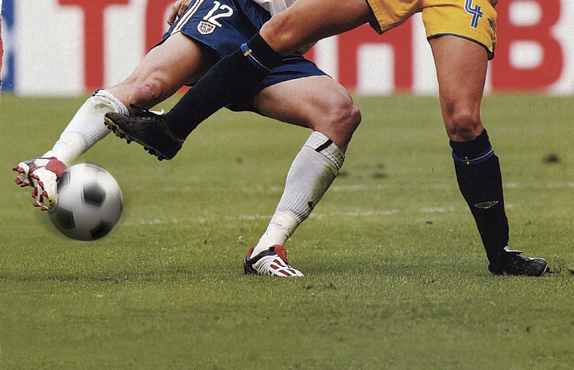
The first time I tried a two-piece setup was with a pair of Adidas Traxion socks under my team’s blue sleeves. The immediate difference wasn’t subtle. Planting my foot to change direction felt connected, like my foot was part of the cleat itself. The dreaded half-inch slide inside the boot on a hard cut was gone.
This approach is now commonplace in professional academies and clubs. It allows players to select the best socks for cleats based on personal preference and boot fit, while the club controls the uniform appearance. The leg sleeve is a passive cover; the grip sock is the active performance layer. It also simplifies soccer gear maintenance, as you can wash the high-sweat grip sock frequently while the outer sleeve needs less care.
TL;DR: The pro system uses a grippy ankle sock for control and a cut-off team sock over it for shin guard coverage. It’s legal and offers superior performance.
Choosing Your Performance Setup: Grip, Material, and Fit
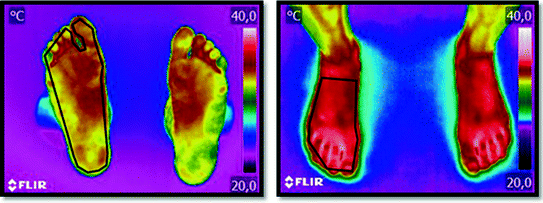
Your choice within the two-piece system matters. Not all grip socks are equal, and the material impacts your feel for ninety minutes.
Grip Socks: The Traction Layer
The core benefit is reduced in-shoe foot movement. A 2022 study in the Journal of Sports Sciences measured the static coefficient of friction of grip socks at 1.17, compared to 0.60 for regular cotton socks. That’s nearly double the grip force. In practice, this means your foot doesn’t slip during acceleration or deceleration, leading to more powerful strides and sharper cuts.
- For Narrow Boots (Nike Mercurial, Adidas X): Use thin, second-skin grip socks like the Nike Grip Strike or TRUsox. Their low profile won’t crowd the toe box.
- For Wider Boots (New Balance Furon, Puma Future): You have room for more cushioning. Look at Storelli SpeedGrip or Adidas Traxion models.
- Durability Note: High-quality silicone prints (Falke, TRUsox) last 30-40 washes. Budget options degrade after 10-15. When the cuff loses its snap, replace the pair.
Material: The Climate Control Layer
Your grip sock’s fabric manages sweat and temperature.
* Merino Wool (19.5 micron): This is the gold standard for all-condition play. Fine merino fibers wick moisture, regulate temperature, and naturally resist odor by trapping bacteria. It’s warm when it’s cold, cool when it’s hot. Brands like Falke use it in their premium grip models.
* Synthetic Blends (CoolMax, Polyester-Spandex): These are for maximum moisture-wicking and speed of drying. They’re often lighter than wool and are the base for most high-performance football socks. They lack wool’s natural odor resistance but dry faster.
The Leg Sleeve: The Legal Cover
This is straightforward. Take an old pair of your team’s long soccer socks and cut the foot off just below the calf. You want a tube that will sit mid-calf and cover your shin guard with an inch or two to spare. Some companies now sell these pre-made, but cutting them is free and lets you customize the height. Its only job is to cover the guard, it doesn’t need to be fancy, just the right color. This separates your functional gear from your uniform, a concept similar to understanding the difference between authentic jerseys and replica versions.
When Crew Socks Actually Make Sense
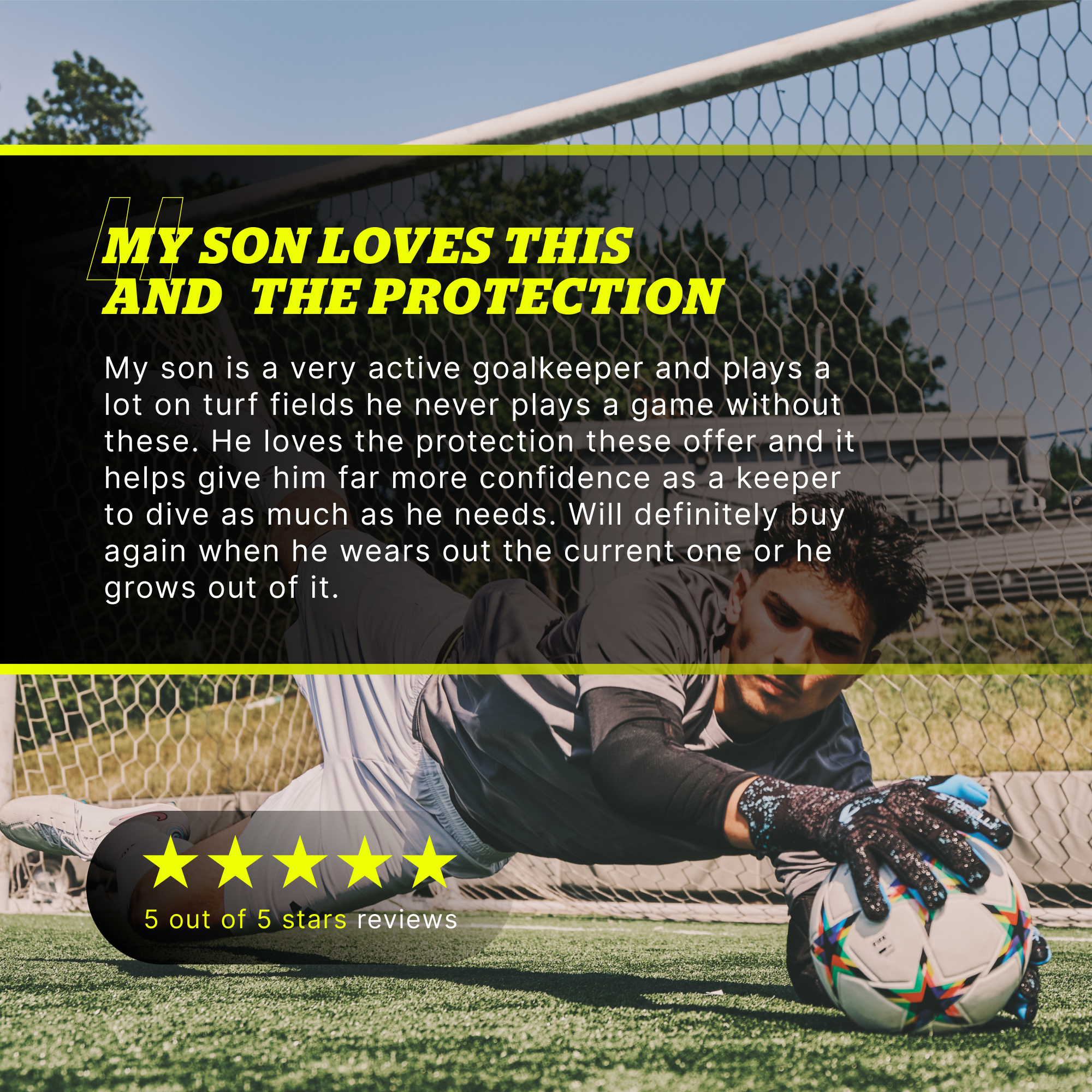
Crew socks have a place in a footballer’s life, just not during matches or shin-guard training. Their 6-8 inch height and general comfort make them ideal for specific off-pitch scenarios.
They are perfect for gym sessions, recovery runs, or wearing around the clubhouse. The extra calf coverage provides light warmth and protects against equipment rub in the weight room. A quality merino wool crew sock is also a travel essential, you can wear them for multiple days on a road trip without the odor issues of a synthetic blend. In cold weather, wearing a crew sock under your sweatpants is a simple way to keep lower legs warm before a match or during sideline substitution waits.
I keep a pair of black merino wool crew socks in my kit bag at all times. After a match, once I’ve showered and cleaned my shin guards, I put them on. They’re comfortable, warm, and signal that my work is done. They’re for recovery, not for play.
Think of them as part of your broader athletic wardrobe, like training tops or casual pants. They are a utility player in your drawer, not a starter for the big game. Investing in a good pair is about comfort in your downtime, not performance during the ninety minutes.
Frequently Asked Questions
Can I wear just ankle socks for soccer if I don’t use shin guards?
Only in completely non-contact, casual kickabouts where shin guards are explicitly not used. The moment any structured play or training begins, shin guards are a non-negotiable safety requirement. Ankle socks alone offer no performance benefits and increase blister risk compared to a proper specialized cleat sock.
Are grip socks worth the extra money?
If you play competitively, yes. The increase in foot stability, reduction in blister-causing friction, and improvement in perceived control are tangible. For a recreational player who kicks once a week, a quality traditional soccer sock may suffice. But for anyone serious about their game, the grip sock is a measurable upgrade.
How do I stop my soccer socks from sliding down?
This is usually a sign of worn-out elastic or a poor fit. Ensure your socks are the correct size, they should be snug but not cutting off circulation. The two-piece system solves this: the grip sock stays put on your foot, and the separate leg sleeve is secured over your calf and shin guard, eliminating the single point of failure a long sock has.
Do I need to buy special leg sleeves?
No. Cutting the foot off an old pair of team socks is the standard, cost-effective method. Cut straight across, about an inch below the calf ribbing. This creates a perfect sleeve. Some brands sell them, but it’s an unnecessary expense unless you want a specific, seamless construction.
How should soccer socks fit with my cleats?
They should fit snugly without bunching at the toes. There should be no loose fabric that can rub. When using the two-piece system, ensure your grip sock is tight enough that the silicone pads make full contact with your footbed. Your cleat should feel full but not tight. Always check the jersey fit guide for brand-specific sizing, as sock sizing can also vary between manufacturers like Nike and Adidas.
The Bottom Line
The debate between crew socks and ankle socks for soccer is over before it starts. The rulebook demands full shin guard coverage, which neither provides. The modern answer isn’t a longer sock; it’s a smarter system. Pair a performance grip sock for unmatched foot control with a simple leg sleeve for rule compliance. This setup gives you a legal, professional-grade advantage where it matters most, the connection between your foot and the ball. Keep the crew socks for the gym bag and the ankle socks for the beach. On the pitch, wear what works.

I come from the “soccer heart” of Germany, the Ruhrpott. I have played, trained and followed soccer all my life and am a big fan of FC Schalke 04. I also enjoy following international soccer extensively.