Penalty Kick Rules: Can the Goalkeeper Move? Find Out Here
A goalkeeper can move along the goal line before a penalty kick, but at least part of one foot must be touching or behind that line when the ball is kicked. Forward movement off the line before the kick is illegal. The specific consequences depend entirely on whether the ball goes in the net and if the keeper’s illegal movement clearly impacted the taker.
Most people get this wrong because they remember an older, stricter rule. They think the keeper must be a statue. That hasn’t been true for years. The real confusion starts with what happens after an illegal move.
This guide breaks down the exact Law 14 rules from the IFAB, what referees actually look for, and how Video Assistant Referee (VAR) reviews have changed the game at the spot.
Key Takeaways
- Foot on the line at contact. The keeper’s foot placement is the single measurable requirement when the ball is struck.
- Impact decides the retake. An illegal save forces a retake. A scored goal stands unless the keeper’s movement clearly messed with the taker’s head.
- VAR is watching. Goalkeeper encroachment is a reviewable offense. Keepers get away with less now.
- Distraction has limits. Waving arms is fine. Kicking the posts or shouting in the taker’s ear is not.
- Cards accumulate. A keeper gets a warning for a first offense that causes a retake. The next one is a yellow.
The Goalkeeper’s Stance: What’s Legal, What’s Not
Look at the goal line. That thin white strip is the keeper’s entire world for the next few seconds. The rule is about position, not stillness.
The defending goalkeeper must remain on the goal line, facing the kicker, between the goalposts until the ball is kicked. At the moment the ball is struck, the goalkeeper must have at least part of one foot touching, or in line with, or behind the goal line.
This is the technical core from the official Laws of the Game section managed by the IFAB. It means a keeper can shuffle side to side. They can bounce on their toes. They can even lift one foot entirely, as long as the other stays planted on or behind that line at the exact moment of contact. The old myth of having to stand perfectly still is dead. The modern focus is on that foot’s location.
The illegal move is stepping forward. Even a few centimeters. If both feet are in front of the line when the ball is kicked, it’s an offense. This is where high-frame-rate cameras and VAR have changed everything. What a linesman might miss in real time gets picked apart in slow motion.
TL;DR: Keep one foot on or behind the line when the ball is kicked. Shuffling is fine. Stepping forward is not.
The “Clear Impact” Rule That Changes Everything
So the keeper stepped off early. What happens next isn’t automatic. It hinges on two words: “clearly impacted.”
The referee’s decision tree looks like this:
1. Ball goes in. Goal is awarded. The keeper’s offense is ignored because it didn’t matter.
2. Ball is saved. The kick is retaken. The illegal movement prevented a goal.
3. Ball misses or hits the post. This is the gray area. The kick is only retaken if the referee judges the keeper’s early movement “clearly impacted” the taker.
That third point is where arguments happen. A taker seeing a keeper charge might panic and sky the ball. Or they might not have seen it at all. The referee has to make a call in real time, often under pressure. VAR can review for keeper encroachment, but the “clear impact” judgment remains partly subjective.
Common mistake: Thinking any keeper movement off the line means an automatic retake — if the ball rips the net, the goal counts every time. The movement only matters if it changes the outcome.
Feinting and Encroachment: The Other Side of the Coin
The taker has rules too. A stutter-step or a hesitation in the run-up is completely legal. It’s gamesmanship. The illegal move for the taker is feinting to kick the ball after completing the run-up. That’s considered unsporting behavior and earns a yellow card, with the defending team getting an indirect free kick.
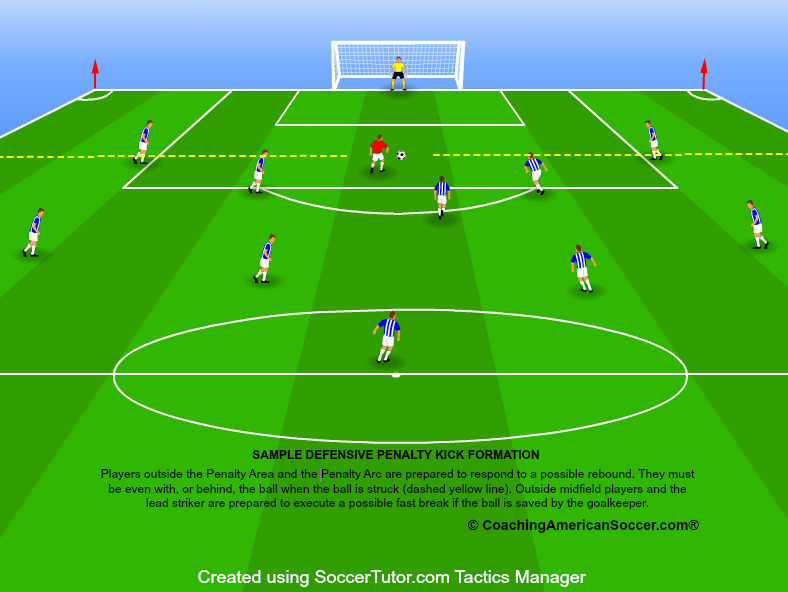
Encroachment is the other big issue. Every other player must be outside the penalty area and at least 9.15 meters (10 yards) from the penalty mark until the ball is in play. This includes attackers looking for a rebound.
| Offending Player | If the ball enters the goal | If the ball does NOT enter the goal |
|---|---|---|
| Attacker encroaches | Kick is retaken | Indirect free kick to defenders |
| Defender encroaches | Goal is awarded | Kick is retaken |
| Both teams encroach | Kick is retaken | Kick is retaken |
The table shows why defenders are drilled to freeze. Their encroachment can only hurt them—either giving up a goal or forcing a retake. Attacker encroachment negates their own goal. This is a fundamental part of the penalty kick procedure that teams rehearse.
TL;DR: Takers can stutter-step. Defenders must stay outside the box. Both teams encroaching always means a retake.
How VAR Reviews Have Tightened the Rules
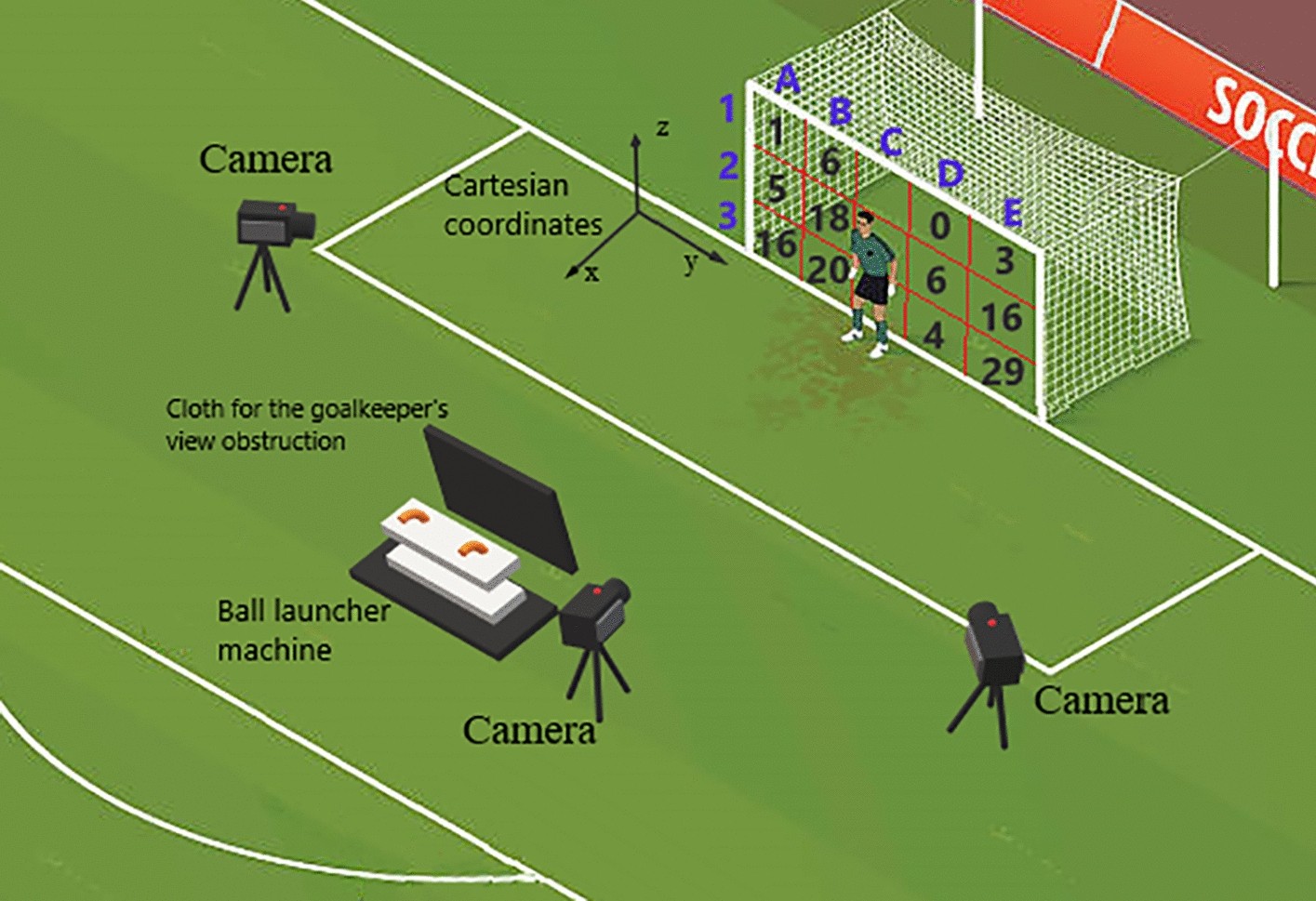
Before VAR, keepers routinely came off their line early. It was a calculated risk. Assistant referees are focused on the line at the moment of the kick, but the human eye struggles with split-second timing.
VAR changed the calculation. Goalkeeper encroachment is a factual reviewable offense. The video official can check the keeper’s foot position with frame-by-frame precision. We’ve seen major tournament shootouts decided by millimeter reviews. This has forced keepers to be more disciplined. The risk-reward shifted. The potential reward of saving a penalty is now balanced against the near-certainty of a retake if you jump the gun and get caught.
The same review applies to outfield player encroachment, especially on rebounds. A goal scored from a rebound where an attacker entered the penalty area early will be disallowed after a VAR check. It makes the penalty kick rules cleaner but has added a layer of stoppage time drama.
The Goalkeeper’s Toolkit: Legal Distraction vs. Unsporting Behavior
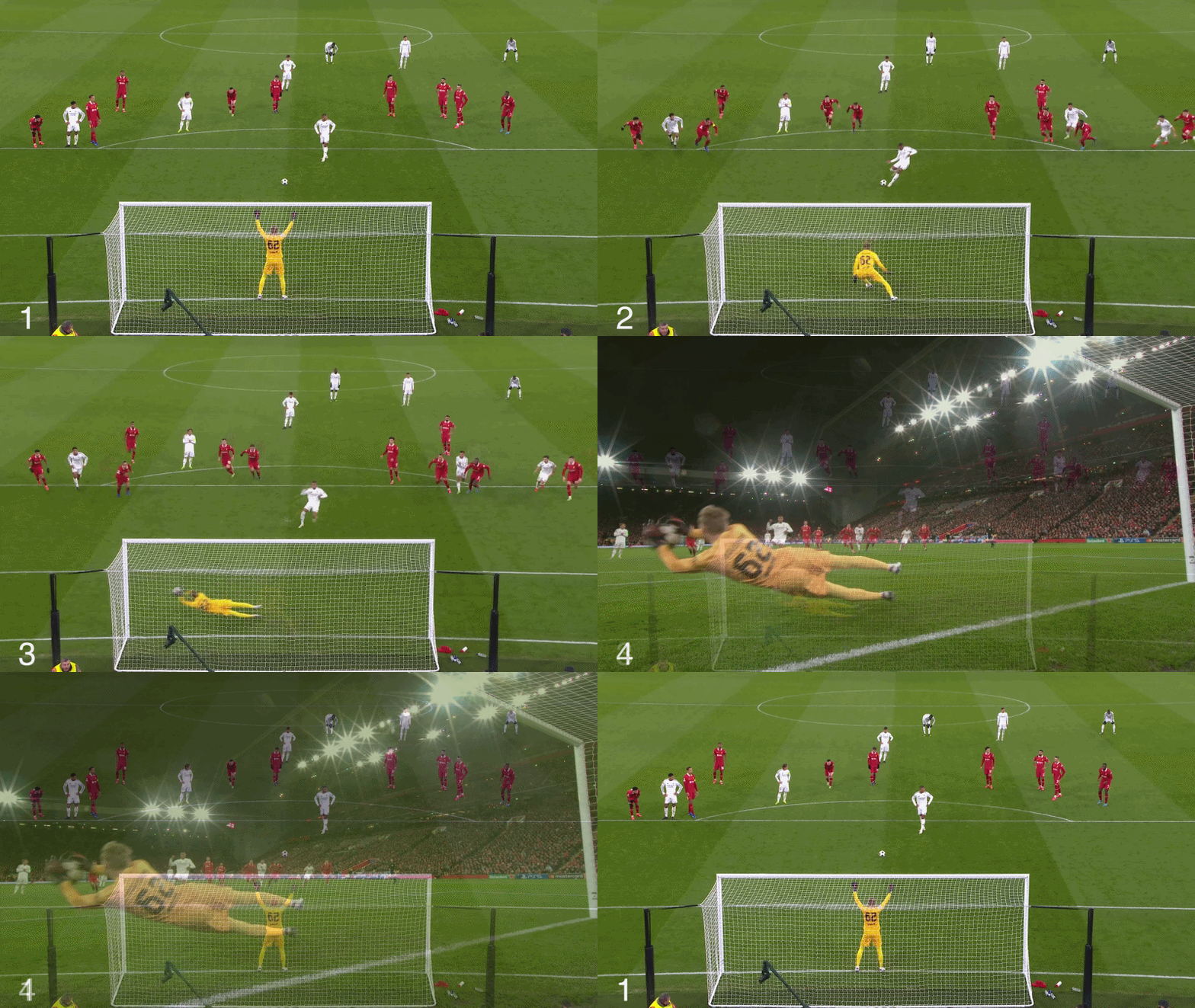
A keeper’s job is to make the taker doubt. The rules allow for psychological warfare, within limits.
Legal Distraction:
- Waving arms wildly.
- Jumping up and down on the line.
- Pointing to one side.
- Making yourself look bigger.
Illegal Distraction (Unsporting Behavior):
- Delaying the kick by adjusting gloves or complaining about the ball.
- Kicking the posts or shaking the crossbar.
- Shouting directly at the taker as they run in.
- Throwing an object onto the pitch.
The line is crossed when the action is deemed to unfairly distract the kicker. Referees have discretion. In a loud stadium, shouting might go unnoticed. Kicking the post is a visible provocation and is almost always met with a yellow card. This is where a keeper’s gamesmanship can backfire, turning a high-pressure moment for the taker into a booked goalkeeper and a retaken kick.
Step-by-Step: What Referees Do When a Keeper Moves Early
The process isn’t just blowing a whistle. It’s a structured assessment.
- Observe the kick. The referee and assistant referee watch the keeper’s feet and the ball.
- Determine the outcome. Did the ball go in, was it saved, or did it miss?
- Apply the law. Use the decision tree from the “Clear Impact” section above.
- Manage sanctions. For a first goalkeeper offense causing a retake, it’s a verbal warning. A second offense in the same game is a yellow card. For a taker’s illegal feint after the run-up, it’s an immediate yellow.
The assistant referee’s primary signal for keeper encroachment is to raise their flag and point to the goal line. They don’t call it themselves; they inform the referee, who makes the final decision. With VAR, the process often pauses for a silent check, and the referee is instructed to review the monitor for clear and obvious errors.
I’ve seen a keeper in a regional cup final take two quick steps forward and make a spectacular save to his left. The crowd roared. The assistant’s flag went up instantly. The referee pointed to the spot for a retake, issued the warning, and the taker scored the second time. The keeper’s great save counted for nothing. That’s the law in action.
Frequently Asked Questions
Can a goalkeeper move sideways during a penalty kick?
Yes. Lateral movement along the goal line is perfectly legal. The rule only restricts forward movement off the line before the ball is kicked.
What happens if the goalkeeper saves a penalty after moving early?
The penalty kick is retaken. By moving early and making the save, the goalkeeper has gained an unfair advantage, so the kicker gets another chance.
Is the goalkeeper allowed to come off the line after the ball is kicked?
Absolutely. Once the ball has been kicked and is clearly in motion, the goalkeeper can move anywhere within the field of play to try to make the save.
Can a penalty be retaken if the goalkeeper distracts the taker?
Only if the distraction is illegal (like kicking the post) and the ball does not score. If the ball goes in, the goal stands regardless of the keeper’s antics.
Does VAR always check for goalkeeper encroachment?
VAR performs a “silent check” on every penalty kick for potential encroachment by the goalkeeper or other players. They will only recommend an on-field review if they see a clear and obvious error by the officials.
The Bottom Line
The goalkeeper’s dance on the line is a balance of instinct and law. They can move, but not forward. They can distract, but not unfairly. The real penalty kick procedure is a web of cause and effect where an illegal move only matters if it changes the play’s result. VAR has made the line a literal and figurative bright line. Keep one foot on it, or the retake—and maybe a yellow card—is coming. For the taker, understanding these nuances is just as crucial as picking a corner. It turns a lottery into a calculated duel.
I come from the “soccer heart” of Germany, the Ruhrpott. I have played, trained and followed soccer all my life and am a big fan of FC Schalke 04. I also enjoy following international soccer extensively.