Can a Goalkeeper Score from a Goal Kick?
Your team’s desperate for an equalizer in stoppage time. The referee signals for a goal kick. Instead of a routine clearance, your goalkeeper launches the ball the full length of the pitch. It bounces once, then twice—before rocketing into the opponent’s net. The crowd erupts as the referee points to center circle: goal stands. This isn’t a video game glitch; it’s a legal reality. Yes, can goalkeeper score from goal kick is not just possible—it’s happened multiple times in top-flight football. While vanishingly rare, the Laws of the Game explicitly permit goalkeepers to score directly without the ball touching another player. This guide reveals exactly how it works, why it’s legal, and what it takes to pull off football’s most improbable scoring method.
Why Goalkeeper Goal Kick Goals Are 100% Legal Under FIFA Rules
The International Football Association Board (IFAB) settles this debate conclusively in Law 16. A goalkeeper can score from goal kick because the ball becomes active the instant it moves after being kicked. Unlike corner kicks or free kicks requiring a second touch, no restrictions limit the ball’s travel path. Once the keeper strikes it within the goal area, the ball is live—and free to soar 100 yards into the opponent’s net.
Ball Activation Happens Instantly on Contact
The critical moment occurs when the goalkeeper’s foot connects and the ball visibly moves. At that split second, play resumes with full scoring rights. Opponents must stay outside the penalty area until this activation, but once the ball flies, it’s fair game for the opposing goal. This immediate “live ball” status is why no referee would disallow a direct goal kick goal.
Opponent Positioning Creates Scoring Opportunities
Defending teams must remain outside the penalty area until the ball moves, but this rule backfires spectacularly when the opposing goalkeeper strays far from their line. Modern high-press tactics often pull keepers 10-15 yards off their goal line during attacking phases. This positioning leaves massive gaps behind them—perfect for a wind-assisted rocket from the other end.
Own Goal Exception Prevents Accidental Self-Sabotage
If a goalkeeper’s kick accidentally sails into their own net without touching another player, the referee awards a corner kick instead of a goal. This specific carve-out in Law 16 ensures goal kicks can’t create own goals, but it doesn’t restrict scoring against the opposition. The distinction makes deliberate goal kick goals entirely valid.
How Asmir Begović’s 91.9-Meter Goal Kick Goal Happened

Stoke City’s Asmir Begović holds the Guinness World Record for the longest goal in Premier League history—and it came directly from a goal kick. During a 2013 match against Southampton, his clearance traveled 91.9 meters (100.5 yards) in just 13 seconds. The ball took one bouncing hop over Artur Boruc, who’d drifted 12 yards off his line chasing an earlier attack. This wasn’t luck; it was perfect storm conditions meeting elite technique.
Tim Howard’s Wind-Powered Bolton Goal
Everton’s Tim Howard scored against Bolton Wanderers in 2012 during 30 mph gales at Goodison Park. His kick started straight but curved violently mid-flight due to crosswinds, catching Ádám Bogdán flat-footed. Howard’s strike covered approximately 100 yards, exploiting how wind distorts ball trajectory—especially with the backspin goalkeepers apply for control.
Paul Robinson’s Pinpoint Tottenham Strike
Tottenham’s Paul Robinson beat Watford’s Ben Foster in 2007 with surgical precision. Unlike wind-assisted attempts, Robinson’s goal relied purely on technique: a single bounce carried the ball over Foster after traveling 80 yards. This demonstrated that while weather helps, exceptional power and spin application can overcome calmer conditions.
Wind Conditions That Turn Goal Kicks into Scoring Chances
Strong tailwinds aren’t just helpful—they’re often essential for goal kick goals. Wind speeds exceeding 20 mph can add 15-20 yards to a clearance’s distance. At Stoke City’s Britannia Stadium (notorious for wind tunnels), keepers regularly saw kicks gain unnatural lift. But it’s not just about strength; crosswinds create the late-curving trajectories that leave opposing goalkeepers stranded.
Stadium Geography Amplifies the Effect
Open-design stadiums near coastlines or elevated locations (like Stoke’s ground) maximize wind impact. Cold, dense air at higher altitudes also reduces drag, letting balls carry further. During Howard’s goal, Goodison Park’s bowl shape channeled gusts directly downfield—a rare alignment goalkeepers watch for during pre-match weather checks.
Goalkeeper Technique for Scoring from Goal Kicks
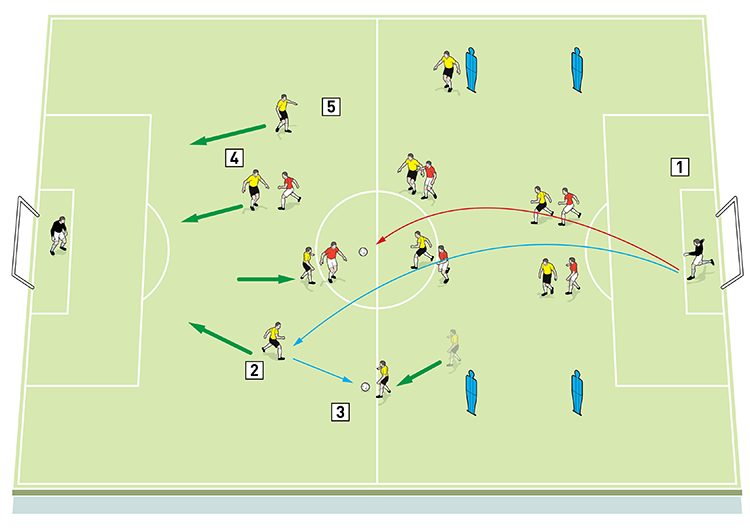
Scoring requires mastering three technical elements most outfield players never develop. First, power generation starts with a 4-5 step run-up and full hip rotation, transferring weight explosively through the kicking leg. Second, heavy backspin maintains trajectory stability—unlike forward-spin shots that dip. Third, ball placement within the goal area dictates angle: center kicks provide the straightest path to goal.
Why Backspin Beats Topspin for Distance
While strikers use topspin to dip shots downward, goalkeepers need backspin to counteract gravity. This spin creates lift via the Magnus effect, keeping the ball airborne longer. Robinson’s goal succeeded because his backspin minimized descent until the final yards, allowing the single bounce that fooled Foster.
Tactical Situations to Attempt a Goal Kick Goal
Don’t try this in the 10th minute. The optimal window appears only when trailing late in matches (after 85’) with the opponent’s keeper significantly off their line. Teams pushing for a winner often leave their net vulnerable—sometimes by 10+ yards. Wind conditions exceeding 25 mph make attempts viable, but failed kicks risk immediate counterattacks since possession transfers instantly.
Risk vs. Reward Calculation
Failed attempts hand opponents a gift: the ball lands in open space near midfield, ripe for counters. But when trailing by one goal with minutes left, the math shifts. With a 0.1% success rate in strong winds (versus 0.02% normally), the potential payoff outweighs the turnover risk. Coaches increasingly brief keepers to “go for it” in these specific late-game scenarios.
Youth Soccer Reality: Why Goal Kick Goals Are Even Rarer
Smaller fields (U14 pitches are 60-80 yards long) should make scoring easier, but rule modifications block attempts. Many youth leagues prohibit goalkeepers from kicking beyond midfield—a well-intentioned safety rule that eliminates scoring chances. Even where allowed, developing players lack the power for 70+ yard strikes. Training focuses on safe distribution, not Hail Mary attempts.
Training Drills to Develop Goal Kick Scoring Ability
Elite keepers practice progressive distance targets: starting at 40 yards, then 60, 80, and finally 100. Key drills include rolling ball kicks (for better spin control) and wind-assessment exercises where keepers adjust for gusts in real-time. Core strength is non-negotiable—Olympic lifts build the explosive hip rotation needed for maximum distance without sacrificing accuracy.
Statistical Reality: How Often Do Goal Kick Goals Actually Happen?
Across all major European leagues since 2000, only 7 confirmed goal kick goals exist: 4 in the Premier League (Begović, Howard, Robinson, and Peter Schmeichel in 1992), 2 in La Liga, and 1 in the Bundesliga. With goal kicks occurring roughly 5-7 times per match, the success rate is a microscopic 0.02%—rising to 0.1% only during extreme winds. Serie A hasn’t recorded one in the 21st century, highlighting how stadium design and playing styles impact opportunities.
VAR Protocols for Goal Kick Goal Verification
Video Assistant Referees automatically review all goals from restarts. For goal kick goals, VAR checks three elements in under 60 seconds: (1) ball placement within the goal area, (2) opponents outside the penalty area at kick-off, and (3) no second touch by the kicker. Crucially, since the ball is live immediately, infringements are extremely rare—meaning valid goals stand without delay.
Clearing Up Goal Kick Goal Myths
Three misconceptions persist. First: “The ball must touch another player.” False—Law 16 explicitly allows direct scoring. Second: “Offside applies.” Actually, players can stand in offside positions during goal kicks; offside rules activate only after a second touch. Third: “It’s disallowed if it bounces.” Bounces don’t matter—as long as no player intervenes, one or ten bounces still count.
Equipment and Conditions That Enable Scoring
Match-day ball selection matters: lighter, smoother balls (like Adidas’ Premier League Merlin) travel farther with less drag. Goalkeeper-specific boots with reinforced toe areas provide cleaner striking surfaces than outfield cleats. Pitch conditions are equally critical—firm, dry surfaces maximize roll after the bounce, while wet grass deadens impact. Altitude also plays a role; matches above 5,000 feet see balls carry 5-7% farther due to thinner air.
Should You Attempt a Goal Kick Goal? Key Takeaways
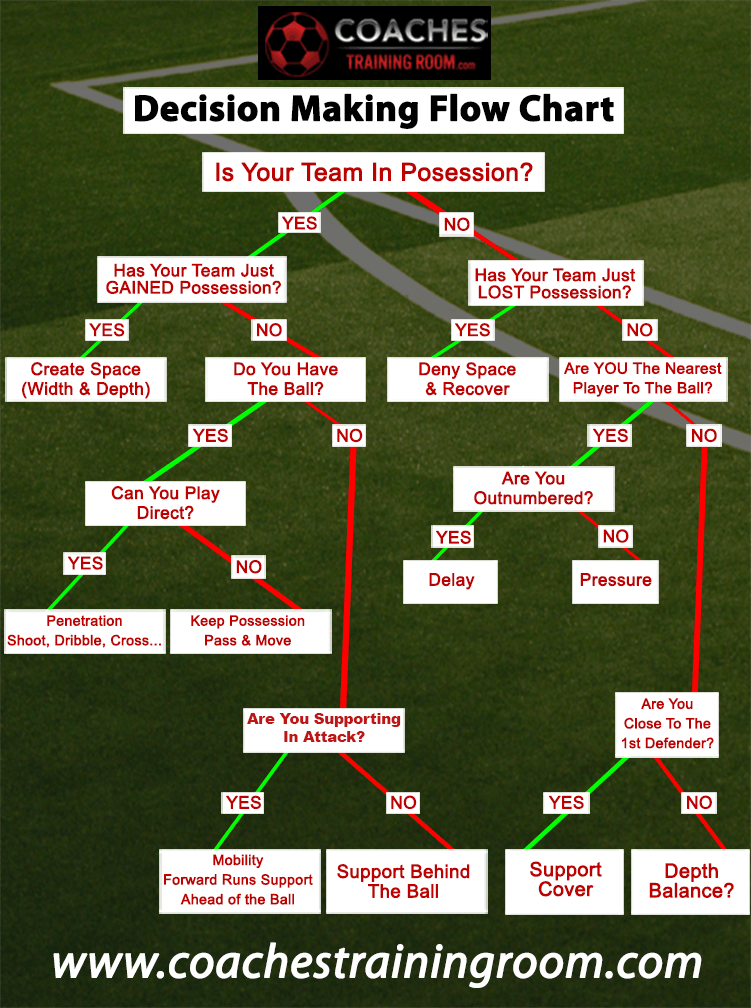
For professional keepers, attempt goal kick goals only when trailing late with strong tailwinds and the opponent’s keeper off their line. For amateurs, focus on distribution accuracy—scoring directly remains a 1-in-5,000 long shot. But understanding can goalkeeper score from goal kick isn’t just trivia; it reshapes how you view restart tactics. When wind howls and minutes tick down, remember: that routine clearance could become football history. The next time you see a goalkeeper line up for a goal kick, watch their eyes—they might just be measuring the distance to glory.

I come from the “soccer heart” of Germany, the Ruhrpott. I have played, trained and followed soccer all my life and am a big fan of FC Schalke 04. I also enjoy following international soccer extensively.