How Soccer Spread Globally: The Journey to Worldwide Fame
Soccer spread around the world through a combination of a portable rulebook created in 1863 England, the vast networks of the British Empire, the organizing power of FIFA and its World Cup after 1904, and the game’s unique adaptability to local cultures. It was carried by British expatriates, adopted by local communities, and ultimately globalized through television and international competition.
Most people think soccer’s spread was a smooth, inevitable wave. It wasn’t. The game faced resistance, was sometimes banned, and often had to compete with established local sports. Its victory was never guaranteed.
This guide traces the real journey. We’ll follow the British sailors, the Swiss students, and the South American railway workers who were the game’s first missionaries. We’ll look at how a simple sheet of rules outmaneuvered more complicated games, and how a global tournament built in Uruguay became the engine for a worldwide culture.
Key Takeaways
- The 1863 codification by The Football Association was the critical catalyst, turning chaotic local games into an exportable product with a single rule sheet.
- British expatriates, engineers, traders, teachers, and sailors, were the primary carriers, planting the game in ports and cities from Buenos Aires to Shanghai.
- FIFA’s founding in 1904 and the first World Cup in 1930 provided the essential framework for international competition, transforming the sport into a global spectacle.
- Decolonization in the 1960s and 70s explosively grew FIFA’s membership, democratizing the sport and shifting power away from its European founders.
- Local adaptation was key; communities didn’t just play the British game, they claimed it, weaving it into their own social fabric and national identity.
The Simple, Portable Rulebook
Before 1863, football was a mess. Villages played mob football with hundreds of players and their own rules. University teams couldn’t agree if you could use your hands. The idea of a consistent, international sport was impossible.
The 1863 formation of The Football Association in London provided the first unified code. This single document distilled the game into a set of clear, adoptable rules that could be printed, shipped, and taught anywhere in the world. It was the operating system for global football.
The Cambridge Rules of 1848 were a draft. The Sheffield Football Club, founded in 1857, had its own version. But the FA’s rules were the finished product. They settled the big question: no handling. That split rugby and soccer into two distinct sports. Now you had a game defined by what you couldn’t do, kick a ball into a goal. That’s it.
You could fit the core rules on one page. A factory manager in Milan, a schoolmaster in São Paulo, or a British sailor in Hong Kong could read them and set up a match that afternoon. No specialized equipment, no elaborate pitch markings at first. This simplicity defeated more complex sports. Cricket needed a carefully prepared wicket. Rugby required a specific shaped ball and more physical infrastructure. Soccer needed a field and something roundish.
TL;DR: The FA’s 1863 rulebook was soccer’s killer app, a simple, reproducible standard that anyone, anywhere could implement.
The British Carriers: Empire, Expatriates, and Education
The rules were written in London. Their distribution network was the British Empire. This wasn’t a formal policy. It was the work of thousands of individuals going about their business.
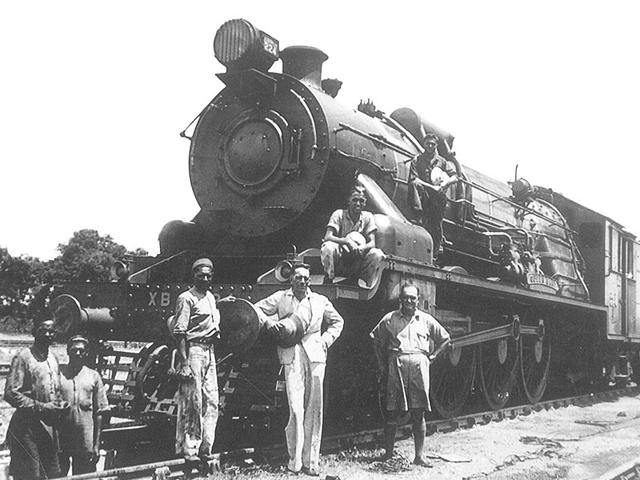
British railway engineers building lines in Argentina kicked a ball during breaks. Scottish textile factory managers in Uruguay organized matches for workers. Public school-educated colonial administrators introduced the game to local elite schools in India and Africa. Sailors on Royal Navy ships played on deck in ports from Genoa to Yokohama. The game traveled along the same routes as British coal, cotton, and bureaucracy.
In South America, this was particularly effective. British expatriates in Buenos Aires and Montevideo formed the first clubs. Alumni Athletic Club, Club Atlético Peñarol. They played among themselves, but local young men watched, then joined, then formed their own clubs. Within a generation, the sons of Italian and Spanish immigrants were dominating these teams, making the sport their own. The global naming differences between “football” and “soccer” trace directly back to these early British exports.
In Europe, it was often students. A Swiss man named Hans Gamper, who had learned the game in England, founded FC Zürich and later FC Barcelona. In Germany, English gymnastics teachers introduced it to schools. The pattern was decentralized but relentless. Wherever there was a British community, a football pitch soon appeared.
| Carrier Group | Primary Locations | Lasting Impact |
|---|---|---|
| Railway Engineers & Industrial Workers | Argentina, Uruguay, Brazil | Founded the first local clubs that evolved into South American football giants. |
| Naval Personnel & Merchants | Mediterranean Ports (Italy, Spain), Asian Hubs (Shanghai, Hong Kong) | Introduced the game to port cities, creating early footholds for continental adoption. |
| Schoolmasters & Colonial Administrators | India, South Africa, West Africa | Integrated football into the colonial education system, seeding it among local elites. |
| University Students & Graduates | Switzerland, Germany, France | Founded pioneering clubs that became pillars of European football (e.g., FC Barcelona). |
FIFA and the Framework for a World Game
By 1900, football was played on every continent but lacked a global organizer. National associations bickered over player eligibility and match rules. The solution was the Fédération Internationale de Football Association (FIFA), founded in Paris in 1904 by seven European nations.
Its first job was bureaucratic: to be the arbiter for matches between different countries. But its vision was bigger. FIFA wanted to own the idea of international football. This meant navigating immediate tension, as detailed in a key historical study of football globalization. The British home nations, with their ancient federations, initially refused to join a body they didn’t control. FIFA had to admit England, Scotland, Wales, and Ireland separately, a special status that remains today.
Common mistake: Assuming FIFA always controlled world football. For decades, it was a weak body negotiating between powerful, skeptical national associations, especially outside Europe.
FIFA’s real power grew through the Olympics and then its own tournament. Football was an Olympic sport from 1908, but the amateur-only rule limited it. The breakthrough was the brainchild of FIFA president Jules Rimet: a standalone world championship open to all. That tournament’s four-year tournament frequency became the heartbeat of the global sport.
The World Cup: The Global Catalyst
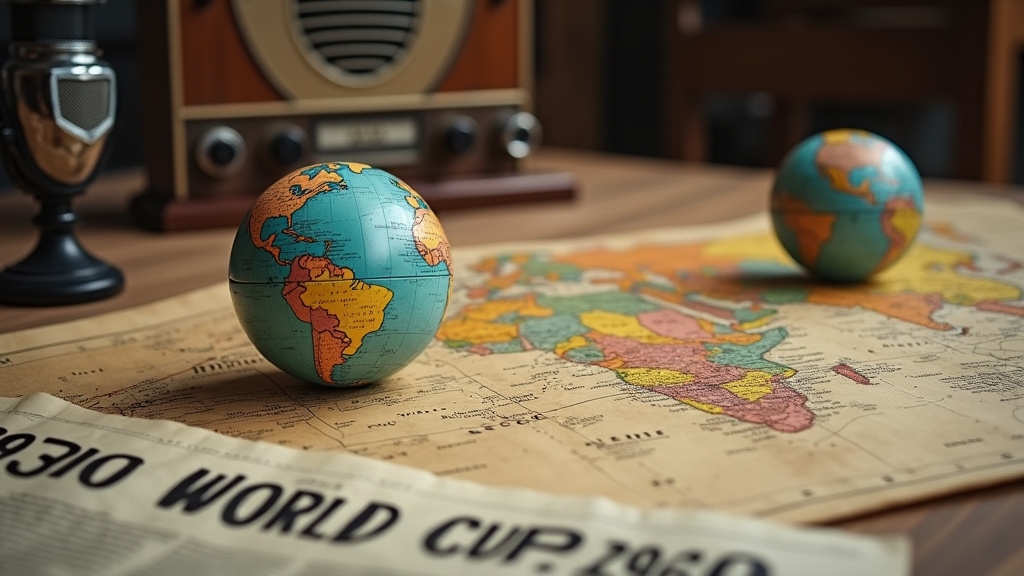
The first World Cup in 1930 in Uruguay changed everything. It was a gamble. Only 13 teams made the long trip to Montevideo. But it created a template: a single host nation, a month-long festival of football, and a definitive world champion.
That first final, Uruguay vs. Argentina, was a continental derby that captivated South America. It proved the sport could generate a massive international event. The World Cup provided a clear, compelling narrative that newspapers and, later, radio could broadcast worldwide. It gave every nation that played football a tangible goal: qualification.
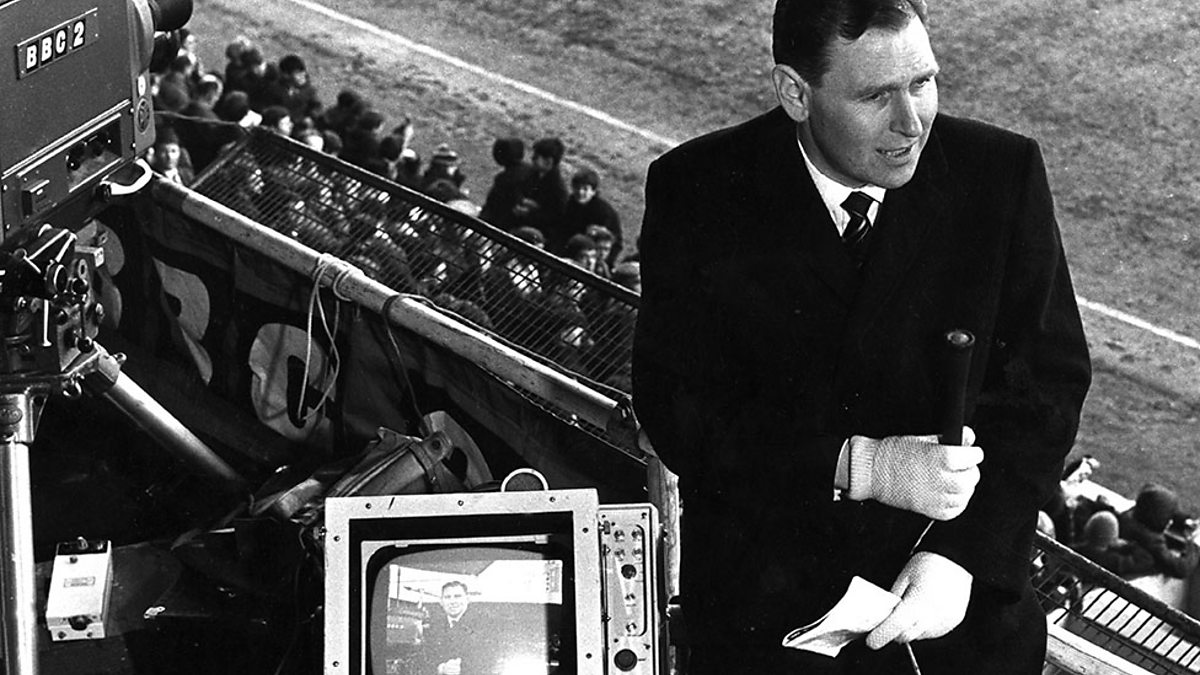
Post-World War II, the tournament exploded with the rise of television. The 1954 final in Switzerland was the first televised across Europe. The 1970 World Cup in Mexico, broadcast in color, turned players like Pelé into global icons. The tournament became more than a sports event; it was a window into other cultures, a source of national pride, and a commercial juggernaut. The upcoming expansion to 48 teams for the 2026 FIFA World Cup continues this tradition of using the tournament to engage more of the world.
The World Cup’s structure itself drove spread. The global qualification process meant even countries with no hope of winning played meaningful, high-stakes matches for years, building local interest and infrastructure. It forced continental confederations like CONMEBOL and CAF to organize, standardizing play across regions.
Decolonization and Democratization
The map of FIFA in 1950 was still heavily European and South American. Then the dam broke. The wave of decolonization in Africa and Asia in the 1960s and 1970s created dozens of new nations. Joining FIFA was a quick, powerful way to assert sovereign statehood on the global stage.
I remember watching old World Cup highlights from the 1970s. The commentators always seemed surprised when an African team played well. That bias was baked in. The game’s institutions were still catching up to the fact that the sport now belonged to Kinshasa and Algiers as much as to London and Rome.
FIFA’s membership ballooned from about 80 in 1950 to over 200 by the 1990s. This wasn’t just paperwork. It shifted political power within the sport. These new members demanded, and got, more World Cup slots. They elected presidents who promised development funds. Football was no longer a European export; it was a global commons. This era also saw the rise of powerful competitive domestic leagues outside the traditional heartlands, becoming talent factories and cultural pillars.
The game adapted to local realities. In Africa, it became intertwined with post-colonial national identity. In the Middle East, club football reflected new urban wealth. The global supporter merchandise you see today is a product of this democratized, commercialized fan culture.
Local Adoption: The Game Finds a Home
The British brought the rulebook. FIFA built the stadium. But the soul of the game was provided by the communities that adopted it. This wasn’t a passive reception. It was active, creative appropriation.
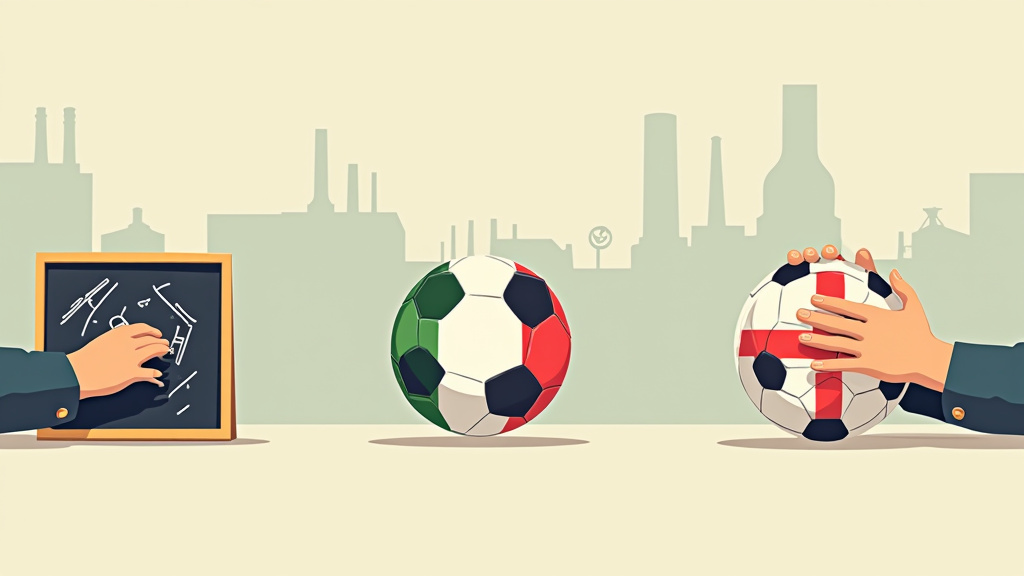
In Italy, the game (calcio) was fused with local notions of tactical cunning and defensive solidity. In Brazil, it met with rhythmic movement and ginga, evolving into a fluid, expressive style. In England, it remained rooted in physicality and pace. These weren’t deviations from a pure form; they were the game becoming authentic in new contexts.
The social base also shifted. In Britain, it started in elite schools but was quickly taken up by the industrial working class, becoming the sport of factory towns. In Latin America, it jumped from British expatriate clubs to the working-class neighborhoods and became a central pillar of community identity. This pattern is highlighted in an SFASU scholarly article on soccer, which notes the sport’s unique flexibility in adopting local cultural values.
Resistance was real. In some colonies, authorities saw football as a disruptive, potentially unifying force for locals and tried to suppress it. In the United States, it competed against the entrenched giants of baseball, American football, and basketball, taking nearly a century to find a major foothold. In China, the game’s early progress was disrupted by war and political upheaval.
TL;DR: Soccer didn’t conquer the world by staying British. It conquered the world by letting every culture rewrite a small part of its DNA.
The Modern Machine: Television, Money, and Global Stars
The final accelerant was broadcast technology. Before television, your world of football was your local club and occasional national team news. After television, you could watch the UEFA Champions League on a Wednesday night in Jakarta, seeing the same stars as a fan in Madrid.
Satellite TV in the 1990s created a truly global audience. The English Premier League, Italy’s Serie A, and Spain’s La Liga became daily entertainment across Africa, Asia, and the Americas. This created a feedback loop. Global interest generated huge broadcasting deals. That money bought the best global talent, making the leagues more attractive, which grew the audience further. The continental tournament entry rules for Europe’s premier competition became a multi-million-dollar puzzle for clubs because the global stakes were so high.
Players became transnational icons. An Argentine star (Diego Maradona) played in Italy, a French star (Zinedine Zidane) played in Spain, a Brazilian star (Ronaldo) played in the Netherlands, Italy, and Spain. Their club careers were followed worldwide, making football a continuous, year-round global conversation. The sport’s infrastructure matured too, with historic Mexican World Cup stadiums from 1970 and 1986 standing as monuments to its global reach.
This is the ecosystem we live in now. A child in Senegal supports Liverpool, wears a Mohamed Salah jersey, and dreams of playing in the Bundesliga. The local, national, and global layers of the game are fused. The spread is complete.
Frequently Asked Questions
When did soccer truly become a global sport?
While it was played globally by the early 1900s, it became a unified global culture after the 1970 World Cup. The combination of widespread television coverage, the political inclusion of decolonized nations in FIFA, and the rise of internationally marketed superstar players created a single, interconnected football world.
What was the main reason soccer spread faster than other sports?
Its simplicity and low cost were the primary drivers. You needed a ball and some space. Rugby required a specific oval ball and more physical risk. Cricket needed specialized equipment and a carefully prepared pitch. Soccer’s basic rules, as codified in 1863, were easy to copy, teach, and adapt anywhere.
Did any countries resist the spread of soccer?
Yes, actively. In the early 20th century, some colonial authorities in Africa and Asia discouraged or banned local populations from playing, fearing it would foster unwanted organization and unity. In the United States and Canada, it faced deeply entrenched competing sports cultures and was long seen as a niche immigrant activity.
How did the World Cup help soccer spread?
It provided a clear, ultimate goal for every national association. The years-long tournament progression mechanics of qualification created meaningful competitive structures worldwide, even for nations far from the final tournament. The event itself became a mass-media spectacle that introduced the sport’s drama to new millions every four years.
The Bottom Line
Soccer’s global spread wasn’t a master plan. It was a happy accident of history. A simple game was packaged in London at the height of British power, then shipped out along imperial trade routes. It was lucky that its first global organizer, FIFA, was pragmatic enough to accommodate new nations. It was luckier still that television arrived to turn a sport into a shared global story.
The real lesson is in the adaptation. The game survived and thrived because it was flexible enough to mean different things in different places, a working-class passion in England, a art form in Brazil, a symbol of national pride in newly independent Algeria. The British wrote the first rule, but the world wrote the rest of the story. That’s why it stuck.
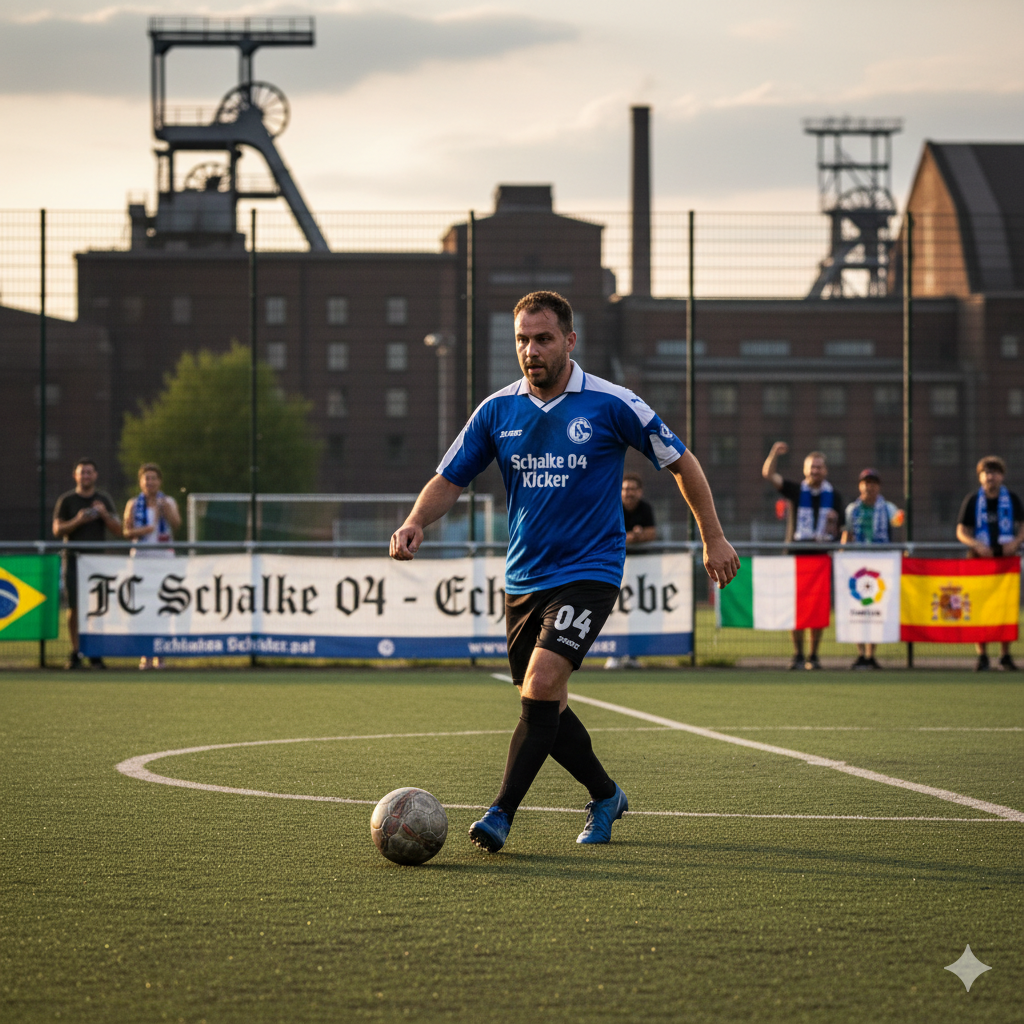
I come from the “soccer heart” of Germany, the Ruhrpott. I have played, trained and followed soccer all my life and am a big fan of FC Schalke 04. I also enjoy following international soccer extensively.