Why is El Clásico Called That? Origin and Meaning Revealed
El Clásico is the Spanish term for “The Classic.” It is the name for any football match between Real Madrid and FC Barcelona. The term was adopted from South American football culture, where “clásico” labels a major local rivalry. Its global usage exploded in the mid-2000s, propelled by superstar players and the fixture’s immense cultural weight.
Most people assume this iconic name is as old as the rivalry itself. It’s not. For decades, Spanish newspapers just called it “Madrid-Barca” or “El Derbi.”
The real story is about cultural borrowing, media branding, and a century of political tension finally getting a perfect, marketable label. This guide unpacks the translation, the surprising timeline, and the deep history that made two clubs “The Classic.”
Key Takeaways
- The term “El Clásico” is a direct import from South and Central American football, not an original Spanish invention.
- While the rivalry is over a century old, the global use of “El Clásico” only became standard in the mid-2000s.
- The clash is deeply political: Real Madrid symbolizes Spanish centralism, while Barcelona represents Catalan identity.
- Club nicknames tell their own stories: “Merengues” comes from a white dessert, and “Cules” literally means “rears.”
- Earlier Spanish football had a different “Viejo Clásico” (Old Classic) between Real Madrid and Athletic Bilbao.
What Does ‘El Clásico’ Actually Mean?
Translate it directly from Spanish: “El Clásico” means “The Classic.” In Catalan, Barcelona’s native language, it’s “El Clàssic.” That’s the simple, literal answer you’ll find in any dictionary. The Wiktionary definition of El Clásico confirms this basic etymology.
But a one-word translation misses the entire point. In football lingo, a “clásico” is more than just a classic game. It’s the definitive derby, the supreme rivalry within a nation or region. It’s the match that defines seasons, divides families, and carries the weight of history. South America understood this first. Matches like Boca Juniors vs River Plate (the Superclásico) set the template. Spanish football media looked across the Atlantic, saw the perfect term, and brought it home.
The phrase “El Clásico” functions as a proper noun for this specific fixture. It denotes not just a match, but the entire ongoing narrative of conflict between Spain’s two most powerful and symbolic football institutions.
So why did this particular rivalry earn the title? It wasn’t just about trophy counts in the 1990s. The name stuck because the match had evolved into something beyond sport. It was a ready-made classic in every sense: historical significance, consistent quality, global stars, and unbearable tension. The label fit so well it now feels inevitable.
TL;DR: It translates to “The Classic,” a term borrowed from South America to label the ultimate domestic rivalry.
A Name Borrowed, Not Born Here
Here’s the part that surprises most fans. The El Clásico rivalry we know today wasn’t always called that in Spain. For most of the 20th century, it was simply “Madrid-Barca” or “El Derbi.” The term “clásico” was already busy elsewhere.
In the early and mid-20th century, Spanish football’s original “classic” was a different match. The Viejo Clásico (Old Classic) referred to battles between Real Madrid and Athletic Bilbao. These were two of the country’s earliest dominant forces. The fixture carried major weight. As Barcelona grew in sporting power and political symbolism through the Franco era, the axis of Spanish football shifted. The Madrid-Barca clash absorbed the nation’s attention, and the “Old Classic” faded from common use.
The modern term’s journey into Spanish headlines started with a slow drip from Latin America. Journalists began using it occasionally in the 1960s and 70s. But it remained one option among many. Its real breakthrough came with globalization and the rise of 24-hour sports media.
| Era | Common Name for Madrid vs. Barcelona | Why It Changed |
|---|---|---|
| Pre-1960s | “Madrid-Barca”, “El Derbi” | Simple, descriptive labels for the fixture. |
| 1960s-1990s | Occasional use of “El Clásico” | Influence from South American football journalism. |
| Early 2000s | “El Clásico” gains traction | Global TV marketing seeks a singular, branded name. |
| Mid-2000s – Present | EL CLÁSICO (global standard) | Galacticos vs. Ronaldinho/Messi, internet era, worldwide fanbase. |
The mid-2000s were the tipping point. This period gave us Real Madrid’s “Galacticos” (Figo, Zidane, Ronaldo) against Ronaldinho’s magical Barcelona. The football was spectacular, the narratives were rich, and the global audience exploded. International broadcasters needed a simple, powerful brand to sell this fixture. “El Clásico” was perfect. It was short, exotic, and implied grandeur. By the time the Messi vs. Ronaldo duel defined the 2010s, the name was immutable. It no longer described the match; the match defined the name.
Common mistake: Thinking “El Clásico” is a centuries-old Spanish term, it was a 21st-century media adoption for a rivalry that had existed for nearly 100 years prior.
The Political and Cultural Heart of the Rivalry
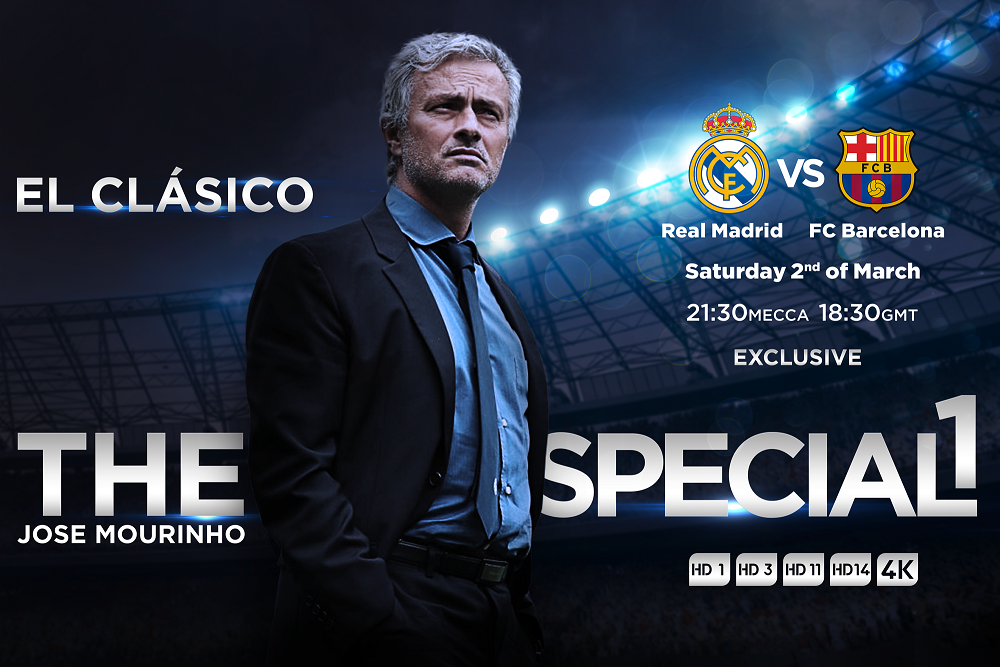
You cannot understand why this match is “The Classic” without stepping off the pitch. The historical origins of the conflict are rooted in politics and identity, not football tactics. This depth is what elevates it above other great sporting rivalries.
For many, Real Madrid represents Spanish centralism and the crown. This association solidified during Francisco Franco’s dictatorship (1939-1975). While historians debate Franco’s personal fandom, his regime undoubtedly benefited from Real Madrid’s European dominance in the 1950s. The team’s success was showcased as a triumph for Spain. Madrid became the club of the establishment.
Barcelona, in the distinct region of Catalonia, became the symbol of resistance. The club’s motto, “Més que un club” (More than a club), is a political statement. Supporting Barça was, and for many still is, an expression of Catalan pride and a quiet protest against Madrid-centric rule. The Camp Nou stadium was one of the few places where Catalan could be spoken freely under Franco.
This clash of identities, centralism vs. regionalism, monarchy vs. republicanism, poured gasoline on a sporting competition. Every match became a proxy war. A goal was more than a goal; it was a statement. This intensity is what gives the El Clásico its unique, feverish atmosphere. It’s why a league match in March can feel like a cup final. The stakes are always artificially high because they’re about more than points.
This foundational tension is what makes the rivalry a true “clásico” in the South American sense. It mirrors the societal divides seen in other great football conflicts, like the Old Firm derby in Glasgow or the Boca Juniors vs River Plate clash in Buenos Aires. The game is the vehicle for a much older story.
Merengues, Cules, and Other Tribal Tags
The clubs themselves carry nicknames that feed into the rivalry’s mythology. These aren’t just cute aliases; they’re badges of tribal identity, born from specific moments in history.
Real Madrid are “Los Merengues.” The name comes from “meringue,” the white dessert. It’s a direct reference to the club’s iconic all-white kit. Simple, elegant, and a bit aristocratic. Another, less common nickname is “Los Vikingos” (The Vikings). Some link this to their dominant, “invading” European campaigns in the 1960s. Others trace it to the 1970s, when the team featured several blonde, Nordic-looking German players like Günter Netzer.
Barcelona’s nicknames are grittier. “Blaugrana” simply describes their blue and deep-red striped shirts. The more famous one is “Los Cules” (pronounced koo-less).
The story goes that in the 1920s, Barcelona played at the small Les Corts stadium. Fans would sit on a perimeter wall overlooking the street. Passersby would see their backsides, “culs” in Catalan, hanging over the edge. The nickname started as a taunt from rivals but was proudly adopted by Barça supporters.
This origin story is perfectly Catalan: rooted in a specific local place, born from working-class fan culture, and reclaimed with defiant pride. When you understand that “Cules” literally means “rears,” you get a slice of the rivalry’s earthy, personal flavor. It’s a far cry from the regal “Merengues.”
These identities fuel the global fan culture surrounding the fixture. The chants, banners, and tifo displays at an El Clásico are not just about football. They are performances of these deeply held identities. The soccer chants from the Bernabéu often carry a Spanish nationalist tone, while the songs at Camp Nou are frequently in Catalan and speak of resistance and identity.
What Makes a Rivalry a “Clásico”?
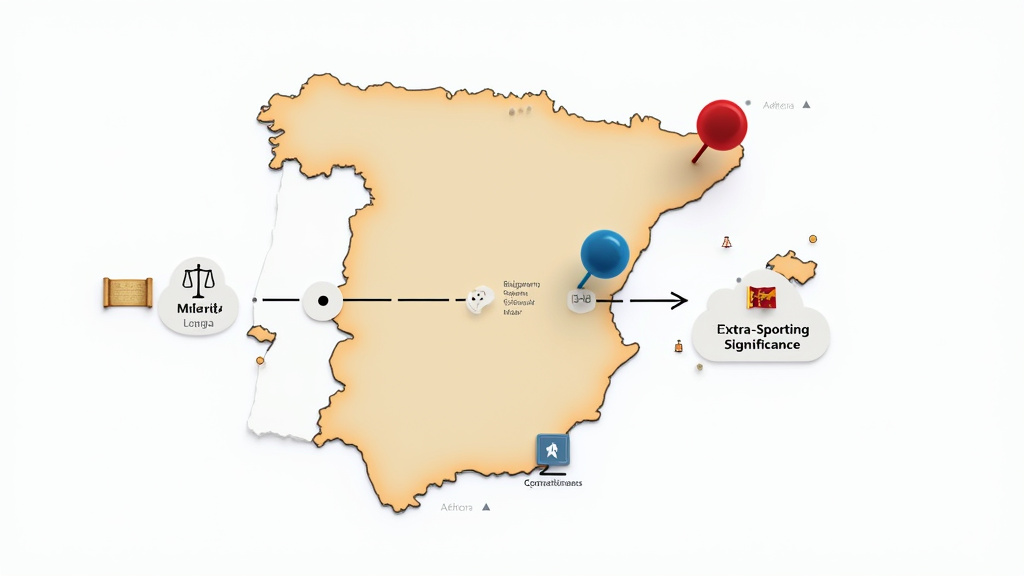
Not every big match gets this title. So what are the ingredients? Looking at El Clásico and its global peers reveals a formula.
First, longevity. A flash-in-the-pan rivalry doesn’t qualify. The conflict needs decades, preferably a century, of history. Second, consistent competitiveness. If one team dominates for 50 years, it’s not a classic; it’s a monopoly. Third, and most crucially, extra-sporting significance. The rivalry must tap into deeper societal, political, or cultural fault lines. Geography alone can create a derby match, like many local rivalries. But a “clásico” needs a narrative that resonates far beyond the city limits.
| Rivalry | Nation/Region | Core Conflict | “Clásico” Status |
|---|---|---|---|
| Real Madrid vs Barcelona | Spain | Political (Centralism vs. Catalanism) | The definitive Clásico |
| Boca Juniors vs River Plate | Argentina | Social Class (Working class vs. Aristocracy) | Superclásico |
| Celtic vs Rangers | Scotland (Glasgow) | Religious (Catholic vs. Protestant) | Old Firm Derby |
| Bayern Munich vs Borussia Dortmund | Germany | Sporting Dominance (Record champ vs. chief challenger) | Der Klassiker |
This table shows why Madrid-Barca sits at the top. Its political dimension is national in scope, involving questions of statehood and language. Compare that to Der Klassiker in Germany, which is primarily about sporting power. Or the Old Firm derby, which is intensely local and sectarian. The Spanish clash combines high-level sporting excellence with a nation-defining cultural war. That’s a potent mix.
The term itself has become a template. Notice how Germany’s big fixture is called Der Klassiker, a direct translation. It’s an attempt to borrow the prestige and gravity of the Spanish original. But without that deep historical-political bedrock, it feels more like a marketing term. The authenticity of the original El Clásico is what makes the name stick.
Frequently Asked Questions
When did people first start calling it El Clásico?
The phrase appeared sporadically in Spanish media as early as the 1960s, influenced by South American usage. However, it did not become the universal, global name for the fixture until the mid-2000s. The explosion of worldwide television coverage and the Messi-Ronaldo era cemented it.
Is El Clásico only for La Liga matches?
No. Originally, it referred specifically to their league meetings. Today, “El Clásico” encompasses any match between Real Madrid and Barcelona, including the UEFA Champions League, Copa del Rey, and the Spanish Supercup. The rivalry transcends the competition.
What was it called before El Clásico?
For most of the 20th century, it was commonly called “Madrid-Barca” or “El Derbi” (The Derby). There was also an “Viejo Clásico” (Old Classic) between Real Madrid and Athletic Bilbao that predated the focus on Barcelona.
Why is the rivalry so political?
The rivalry channels the historical tension between Castilian Spain (represented by Madrid, the capital) and Catalonia (a region with its own language and identity). Barcelona’s role as a symbol of Catalan pride intensified during the Franco dictatorship, turning football matches into political proxies.
What’s the difference between a ‘Derby’ and a ‘Clásico’?
derby traditionally means a local rivalry between teams from the same city or region (e.g., Manchester Derby). A clásico is a nation’s premier rivalry, often with a strong historical or political dimension, regardless of geography. Madrid and Barcelona are 600km apart, but their clash is the definitive Spanish clásico**.
Before You Go
The name “El Clásico” is a perfect label that arrived late to the party. It packaged a century of political strife, cultural conflict, and footballing brilliance into two marketable words. Remember, the rivalry made the name famous, not the other way around.
Its power comes from the fact that it’s never just a game. It’s a battle of identities, played out in front of half a billion people. The white of the “Merengues” against the blaugrana of the “Cules” is more than a color scheme; it’s a map of Spain’s deepest divisions.
So next time you see the fixture announced, you’ll know the name is a 21st-century import. But the feeling behind it is as old as the modern Spanish state itself. That’s why it’s classic.
I come from the “soccer heart” of Germany, the Ruhrpott. I have played, trained and followed soccer all my life and am a big fan of FC Schalke 04. I also enjoy following international soccer extensively.