Injury Time in Soccer: How It’s Calculated & New Rules
Injury time in soccer is calculated by the referee adding the total duration of stoppages for events like substitutions, injuries, and VAR checks during a half. This announced minimum is then added to the 45-minute period, ensuring a full 90 minutes of effective play despite the clock never stopping.
Injury time in soccer is calculated by the referee adding up all the seconds lost to specific stoppages during a half, like substitutions, injuries, and VAR checks, and announcing a minimum amount of added time at the end of the 45-minute period. The clock never stops; this added time compensates for interruptions and aims to deliver a full 90 minutes of effective playing time.
Most fans see the number on the fourth official’s board and think the game ends exactly then. They’re wrong. That number is a starting point, not a finish line. The referee can add more time if there are more delays, but they can never take time away once it’s been signaled.
This guide breaks down the official IFAB rules, explains the referee’s mental math, and details the major new regulations for the 2026/27 season designed to slash deliberate stoppages. You’ll learn what truly counts, how much time each event typically eats, and why the game you watch is about to get faster.
Key Takeaways
- The displayed stoppage time is a minimum, not a fixed endpoint. The referee can extend play beyond it.
- Only the referee calculates and decides the total added time, using a mental tally of delays like substitutions (30+ seconds each), injuries, and VAR checks.
- Starting in the 2026/27 season, new rules impose a 5-second countdown for delayed throw-ins/goal kicks and a 10-second exit rule for substituted players to speed up play.
- Injury time is added at the end of each regular 45-minute half and each 15-minute extra-time period in knockout matches.
- From July 2027, the “only the captain” protocol becomes mandatory, reducing time lost to arguments between players and referees.
What Exactly Is Injury Time (Stoppage Time)?
The Laws of the Game mandate a match duration of two equal halves of 45 minutes. The stadium clock counts up continuously. Instead of stopping the clock for every interruption, which would turn a two-hour event into a three-hour slog, the game uses a compensation system. The referee keeps a running tally of time lost to significant, unnatural stoppages. This accumulated time is then added onto the end of each half.
This period has three common names: injury time, stoppage time, or added time. They all mean the same thing. Calling it “injury time” is a bit of a misnomer, as injuries are just one of many causes. The technical term under Law 7 is “allowance for time lost”.
It exists for one core reason: fairness. The team that has possession and momentum shouldn’t be penalized because their opponent’s player needed three minutes of treatment on the pitch. The basic soccer rules aim for 90 minutes of actual contest, not 90 minutes of clock with 15 minutes of dead ball.
The allowance for time lost is made for specific incidents that delay the restart of play, including substitutions, assessment of injured players, disciplinary sanctions, and medical stoppages. The fourth official indicates the minimum amount of time decided by the referee.
. IFAB, Law 7
How Does the Referee Calculate Injury Time?
The referee does not have a public stopwatch. There’s no official “time out” button. The calculation is a continuous, internal process of estimation and notation. From the first whistle, the referee is mentally cataloguing delays that fall outside normal play.
The process isn’t about precise atomic clock precision for every second. It’s about reasonable estimation for significant events. A throw-in that takes five extra seconds? Probably not counted. A goalkeeper tying their shoes for 20 seconds before a goal kick? That likely gets rounded up and logged.
TL;DR: The referee mentally logs seconds lost to major stoppages (subs, injuries, VAR), sums them at halftime, and announces a minimum total. That number can go up, but never down.
The Official List of What Gets Added
The IFAB’s Law 7 provides the definitive list. The referee must make an allowance for:
| Stoppage Event | Typical Time Allowance | Why It’s Counted |
|---|---|---|
| Substitutions | 30 seconds minimum per sub | Players walk off slowly, new player enters, game waits. With five allowed changes, this alone can add 2.5+ minutes. |
| Assessment/Removal of Injured Players | Variable, often 1-3 minutes | Medical staff on the pitch, player treated, slow walk off. A serious injury can add 5+ minutes to a half. |
| Disciplinary Sanctions (Yellow/Red Cards) | 30 seconds to 1 minute | Referee speaks to player, writes in book, possible argument. A mass confrontation adds much more. |
| Wasting Time | Referee’s discretion | Goalkeeper holding the ball, delaying a free kick. Time added is a direct deterrent. |
| Goal Celebrations | ~30 seconds per goal | Players celebrate, return to half-way line. A three-goal half adds ~1.5 minutes. |
| VAR Checks and Reviews | 1 to 3+ minutes | Referee goes to monitor, reviews footage, makes decision. A complex offside or penalty review is a major delay. |
| Medical Stoppages (e.g., Drinks Breaks) | Fixed length of break | Common in extreme heat; the full break duration is added. |
| Any Other Cause | Referee’s discretion | Pitch invasion, defective ball, floodlight failure. |
Common mistake: Thinking the fourth official decides the time. The fourth official only displays the number the referee gives them. The referee’s decision is final and can exceed the displayed minimum.
The Fourth Official’s Role
You see them holding the electronic board. Their job is communication, not calculation. Near the end of the half, the referee will signal how many minutes they intend to add. The fourth official then informs the coaches and spectators by raising the board. This number sets the expectation, but the referee retains absolute control over when the half actually ends.
What Doesn’t Count Towards Injury Time?
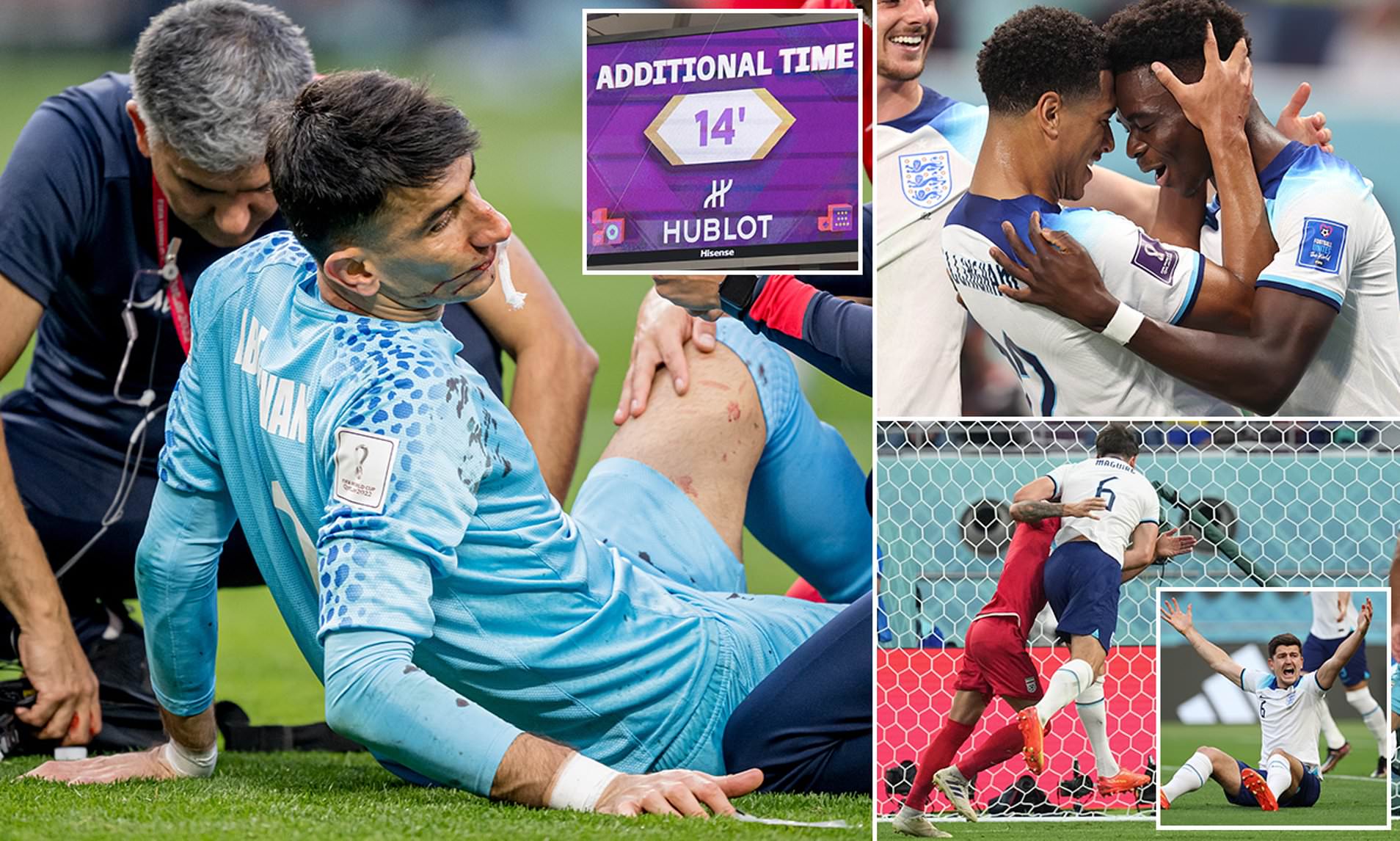
This is where the referee’s judgment is key. The game’s natural flow includes brief pauses that are not compensated. The Laws are clear: the allowance is for lost time, not all time when the ball is out of play.
- Normal Throw-ins, Goal Kicks, and Corners: The few seconds it takes to retrieve the ball and set up are part of the game.
- Free Kicks (without delay): If the attacking team takes a quick free kick, no time is added. If the defending team deliberately stands in front of the ball to prevent it, that’s time-wasting and gets added.
- The Ball Simply Being Out of Play: Soccer is a game of continuous restart. The clock keeps running.
The philosophy is to protect effective playing time. The goal is the 90-minute contest, not a 90-minute stopwatch session filled with 30 minutes of dead ball. This is the fundamental rule behind the calculation.
Stoppage Time vs. Extra Time: Clearing the Confusion
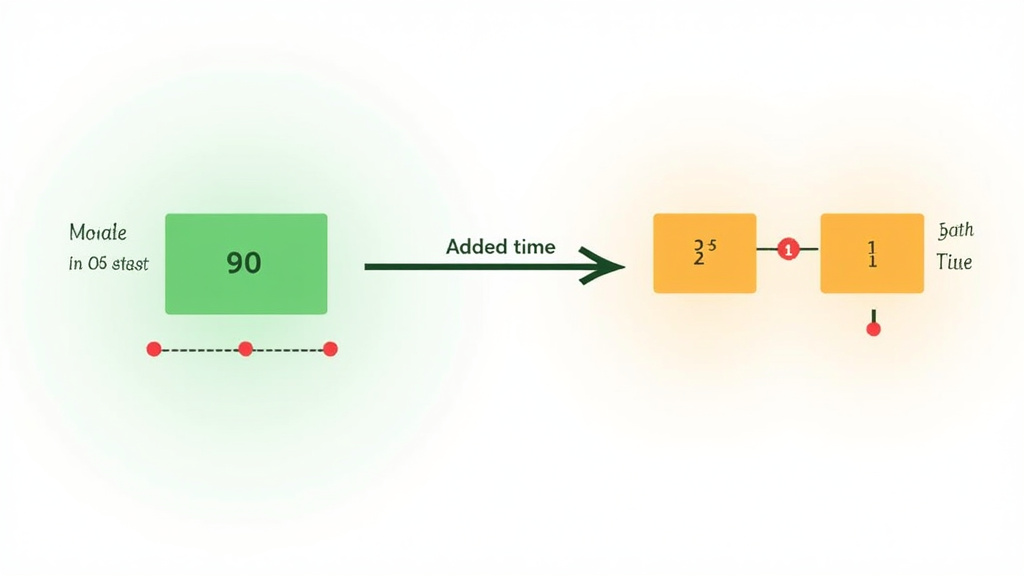
This is the single biggest point of confusion for new fans. They are completely different concepts with different triggers.
Stoppage Time (Injury Time) is the added minutes at the end of each 45-minute half (or each 15-minute extra-time half) to compensate for delays within that period. Every match has it.
Extra Time is an entire additional period of play, two halves of 15 minutes each, used in knockout competitions (like World Cup knockout stages) when a match is tied after the standard 90-minute game. It’s an extension of the match itself, not compensation for stoppages.
Crucially, extra time also has its own stoppage time. After the first 15-minute period of extra time, the referee will add time for delays that occurred in those 15 minutes. Same for the second period. Understanding this distinct application is key to following knockout tournament drama.
The 2026/27 Rule Changes That Will Change the Game
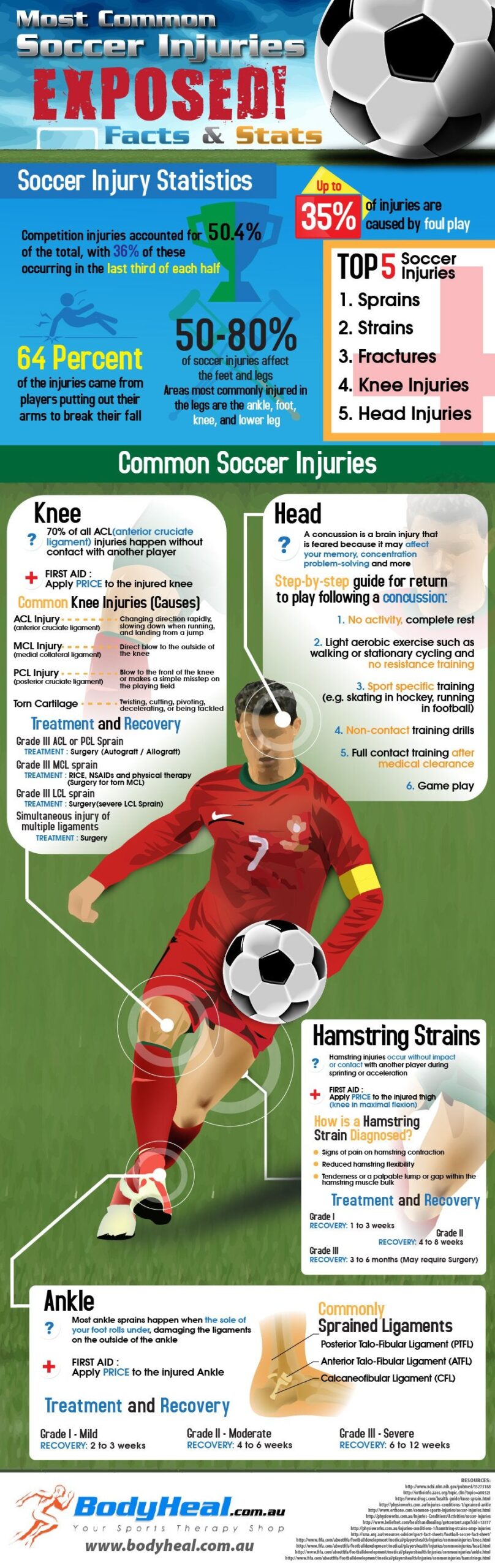
The IFAB is on a mission to increase effective playing time and punish tactical delays. The new measures for the 2026/27 season are the biggest shake-up to match flow in years. They target the most common, frustrating ways players kill the clock.
The Five-Second Rule for Throw-Ins and Goal Kicks
This is a game-changer for pace. If the referee determines a player is deliberately delaying a throw-in or goal kick, they will initiate a clear, five-second visual countdown (likely with hand signals). If the ball is not put back into play by the end of that countdown, the restart is turned over.
* Delayed Throw-in: Becomes a throw-in for the opposing team.
* Delayed Goal Kick: Becomes a corner kick for the opposing team.
This rule eliminates the endless walking to retrieve the ball, the fake throw-in feints, and the goalkeeper’s slow stroll across the box. It will directly create more attacking opportunities from turnovers.
The Ten-Second Rule for Substitutions
A substituted player must leave the field of play within ten seconds. If they fail to do so (the classic slow walk, waving to the crowd), the incoming substitute will not be allowed to enter until the first stoppage after one minute of running clock following the restart. This means your team plays with 10 players for at least a full minute because one guy wanted a hero’s farewell. It makes substitution procedures a tactical discipline, not a time-wasting tool.
The One-Minute Off-Field Rule for Injuries
An injured outfield player who causes a stoppage or receives on-field treatment must leave the field for one minute of running clock after play restarts. This stops the trend of players “cramping” or going down tactically to break up play, as their team is now numerically disadvantaged. It prioritizes genuine medical need over gamesmanship.
TL;DR: New 2026/27 rules use immediate sporting penalties (turnovers, playing short-handed) instead of just adding time, forcing players to keep the game moving.
Who Can Talk to the Referee? The “Only the Captain” Protocol
From July 1, 2027, a trial protocol becomes a compulsory global rule. In moments of dispute or decision-making, only the team captain is permitted to approach and speak with the referee. If another player approaches to contest a decision, they must be cautioned (yellow card).
I’ve seen entire minutes evaporate as three players surround the referee after a foul. This rule aims to restore respect, reduce confrontation, and, crucially, cut another source of dead time. It empowers captains and streamlines communication, making the referee’s match conclusion process cleaner and faster.
Frequently Asked Questions
Can injury time be more than what’s shown on the board?
Absolutely. The number on the board is the minimum. If there is a red card, a penalty, or another injury during the stoppage time period itself, the referee will extend play beyond the displayed number. The final whistle only comes when the referee decides play has been clean long enough to account for all delays.
Does the referee have to blow exactly when the clock hits 90 + added time?
No. There is no public clock that dictates the referee’s whistle. The referee’s watch is the official timepiece. They blow when they believe the full allowance has been served, which can be seconds or even minutes after the stadium clock passes the displayed added time.
Why is there sometimes no injury time in the first half?
It’s rare, but it happens. If the first half has a remarkably smooth flow, no injuries, quick substitutions, no VAR checks, the referee might calculate less than 30 seconds of lost time. In such cases, they often round down and signal a minimum of “0” additional minutes. The official stoppage time conclusion can still be a few seconds beyond 45:00.
How is injury time handled in youth soccer?
For younger age groups, the standard match length is shorter (e.g., 35-minute halves), and the strict injury time calculation is often waived. The referee has more discretion to simply “play on” to make up for a short delay, as player development and safety are prioritized over strict timekeeping. The higher the level, the more formal the process becomes.
Who decides if a concussion substitute is used?
The team doctor or medical staff makes that call, not the referee. The referee is informed and facilitates the substitution allowance. This is part of “additional permanent concussion substitution” protocols allowed by competitions to protect player welfare without forcing a team to play a man down.
The Bottom Line
Understanding injury time calculation means understanding that soccer’s clock is a fluid concept managed by human judgment. The referee’s goal is to deliver a fair 90-minute contest, not to be a slave to a stopwatch. The new 2026/27 rules are a direct assault on the cynical, time-killing tactics that have crept into the modern game.
The next time you see “+4” on the board, remember it’s a promise of at least four more minutes of contest, not a countdown to the end. Watch for the goalkeeper slowing down, the substitute dragging his feet, these are the seconds the referee is tallying. And from 2026, watch for the referee’s hand counting down from five. The game is about to get quicker, and the clock, in the referee’s head, will be ticking louder than ever.

I come from the “soccer heart” of Germany, the Ruhrpott. I have played, trained and followed soccer all my life and am a big fan of FC Schalke 04. I also enjoy following international soccer extensively.