Is Lamine Yamal Playing in the World Cup ? Injury Update
Yes, Lamine Yamal is expected to play in the 2026 World Cup. He is recovering from a season-ending hamstring injury and is projected to be fit for the tournament. However, his availability for Spain’s opening group stage matches remains uncertain, pending his final recovery timeline and fitness assessments.
Lamine Yamal is expected to be fit for the 2026 FIFA World Cup after a hamstring injury ended his Barcelona season, but his participation in Spain’s early group matches remains uncertain. The 18-year-old forward’s recovery timeline places his return right at the start of the tournament, forcing a delicate decision for the national team’s medical and coaching staff.
Most fans see the club’s optimistic statement and assume he’ll start against Cape Verde on June 15. That’s the wrong read. The real question isn’t if he’ll be on the plane, but how Spain manages a generational talent coming off a significant muscle tear weeks before the biggest tournament of his life.
This guide breaks down the injury specifics, the conservative treatment plan, the exact recovery calendar, and what it means for Spain’s tactics in a group with Cape Verde, Saudi Arabia, and Uruguay. We’ll also look at the long-term view every other article skips.
Key Takeaways
- Yamal’s left hamstring (biceps femoris) strain is a Grade 2 injury, requiring 4-6 weeks of conservative treatment and ruling him out for Barcelona’s final six La Liga matches.
- Barcelona and manager Hansi Flick expect him to be available for the World Cup, but medical experts caution about a 30% recurrence rate if he returns too soon.
- Spain’s first World Cup match is June 15 against Cape Verde; Yamal is a major doubt for that game and possibly the second match against Saudi Arabia on June 21.
- Spain may include him in the 26-man squad with the plan to use him only in the final group game or knockout stages to minimize re-injury risk.
- This early-career major injury could influence his long-term physical development and playing style, a factor rarely discussed in immediate tournament coverage.
What is Lamine Yamal’s injury and recovery timeline?
Lamine Yamal injured his left hamstring, specifically the biceps femoris muscle, while taking and scoring a penalty for Barcelona against Celta Vigo in mid-April. He immediately grabbed the back of his thigh. Barcelona’s medical staff confirmed the diagnosis on April 23, announcing he would miss the remainder of the club season to follow a “conservative treatment plan.”
A Grade 2 hamstring strain involves a partial tear of the muscle fibers. The typical recovery window is four to six weeks of rest, followed by a graduated return to loading and sport-specific movement. Rushing this process before the muscle-tendon junction fully heals invites re-injury.
That timeline is everything. The injury happened around April 20. A six-week recovery puts him at full fitness around June 1. Spain’s World Cup camp likely convenes in early June, with their first match on June 15. He’ll be training, but not match-sharp.
The club’s statement and manager Hansi Flick’s confidence, reported by outlets like Sportstar, frame the situation optimistically. The medical reality is more cautious. Dr. Pedro Luis Ripoll, a specialist cited in a Goal.com report, notes hamstring injuries have a 30% recurrence rate. The location of the tear, whether in the muscle belly or nearer the tendon, also changes the healing prognosis, though Barcelona hasn’t released those specifics.
TL;DR: Yamal has a 4-6 week hamstring strain. He’ll be physically available for World Cup selection, but his readiness for the tournament’s intense opening week is a major question mark.
How will Spain likely manage his World Cup participation?
Spain’s coach faces a classic tournament dilemma: rush a star back or protect him for later. The group stage schedule forces the issue.
| Spain’s Group Stage Match | Date | Yamal’s Likely Status | Strategic Consideration |
|---|---|---|---|
| vs. Cape Verde | June 15 | Major Doubt / Out | Lowest-risk opponent; safe to rest him. |
| vs. Saudi Arabia | June 21 | Possible Bench Appearance | Higher-stakes game; could use 20-30 minutes. |
| vs. Uruguay | June 27 | Probable Starter | Crucial for seeding; should be fully fit. |
The safest path is to name him in the 26-man squad but treat the first two matches as an extended part of his rehabilitation. He’d train with the group, undergo final fitness tests, and perhaps get a late run-out against Saudi Arabia if the game state allows. The target becomes having him 100% ready for the final group game against Uruguay and the knockout rounds.
This approach mirrors how top nations often handle last-minute injury recoveries. It requires squad depth. Spain has other wing options, but none with Yamal’s direct dribbling and chance creation. His absence changes their tactical profile, making them more reliant on midfield possession and less capable of breaking down a low block with individual brilliance, a common challenge in tournament football.
Common mistake: Assuming a player declared “fit” is match-fit, returning from a hamstring strain without several weeks of high-intensity training leads to a higher risk of re-injury within the first 45 minutes of a competitive match.
Spain’s medical team will have a very clear protocol. They’ll measure his strength deficits, monitor his sprint mechanics, and likely use GPS tracking in training to ensure his high-speed running volume is back to pre-injury levels. Missing the entire pre-tournament camp isn’t ideal for integrating a soccer tactics guide either, but his raw talent might override that.
What does his absence mean for Spain’s group stage chances?
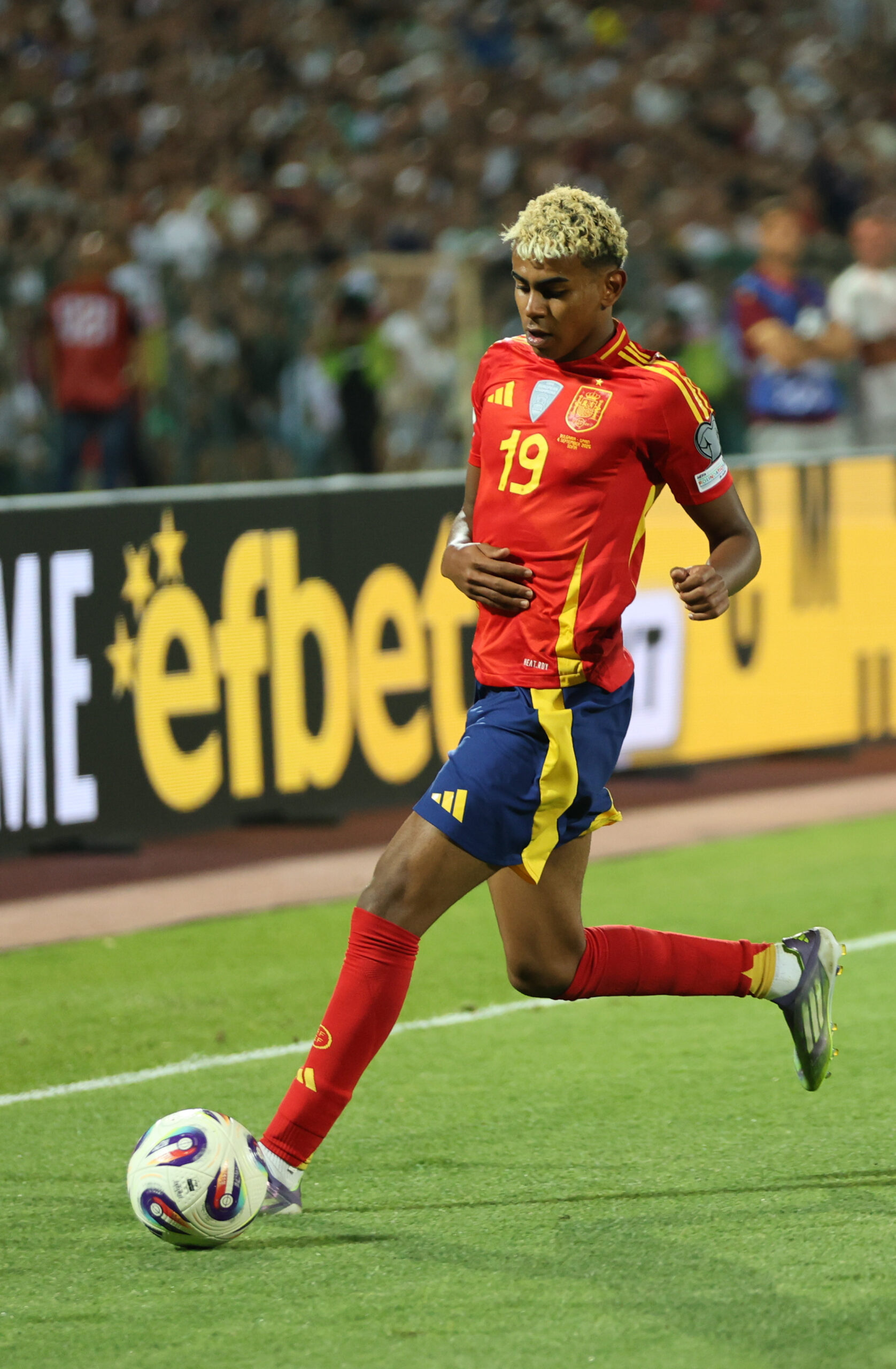
Photo: Biso / Wikimedia Commons / CC BY 4.0

Without Yamal from the start, Spain becomes more predictable. He’s the player who can receive the ball in a static situation, beat his man, and either shoot or create a chance from nothing. That’s a priceless commodity in tight tournament games.
Against Cape Verde, Spain should have enough quality to win regardless. Saudi Arabia poses a different challenge, they’re organized defensively and can be stubborn. Uruguay, with their physicality and defensive discipline, is the toughest test. Not having a fully operational Yamal for that match would be a significant blow.
His potential gradual integration also impacts team selection. The coach must decide whether to start another winger in his place for the first two games, knowing that player will then be dropped for Yamal later. That can disrupt rhythm and morale. Alternatively, he could shift the system, perhaps using an extra midfielder or a false nine to compensate, details any solid soccer tactics guide would explore.
The pressure isn’t just on the team. It’s on him. At 18, he’s carrying the expectation of a nation that sees him as the heir to their wing wizard tradition. Coming back from injury into that cauldron is a mental test as much as a physical one. The psychological aspect of a young star dealing with a first major injury right before a World Cup is a real thing coaches monitor.
Could this injury affect his career long-term?
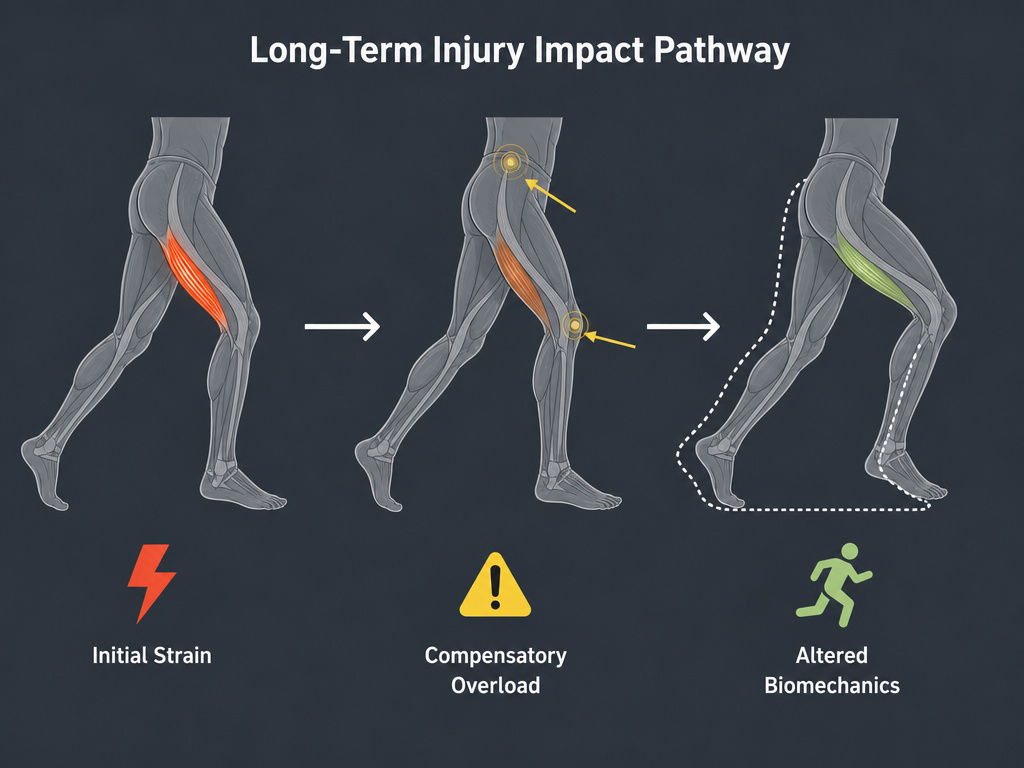
This part gets glossed over. A hamstring strain at 18 isn’t just about one World Cup. Muscle injuries, especially recurrences, can alter a player’s biomechanics. Some players become more cautious, losing a fraction of their explosive edge. Others change their running style to protect the area, which can lead to overload injuries elsewhere.
For a player whose game is built on acceleration, sharp changes of direction, and sprinting, the hamstrings are critical. His soccer workout plans moving forward will undoubtedly include even more emphasis on eccentric strengthening and flexibility. Barcelona’s performance team is excellent, but the specter of a “hamstring player” label is real in football.
Looking at other youngest soccer players who burst onto the scene early, managing early injuries is part of the journey. The greats learn to listen to their bodies. Yamal’s maturity in handling this rehab, his patience, will be as telling as his talent. Rushing back for the World Cup is the immediate priority, but Barcelona has a 15-year investment to protect.
TL;DR: Spain can likely navigate the group stage without him, but his absence makes them less dynamic. The bigger question is how this injury shapes the next decade of his career, not just the next month.
What is the conservative treatment plan for a hamstring injury?
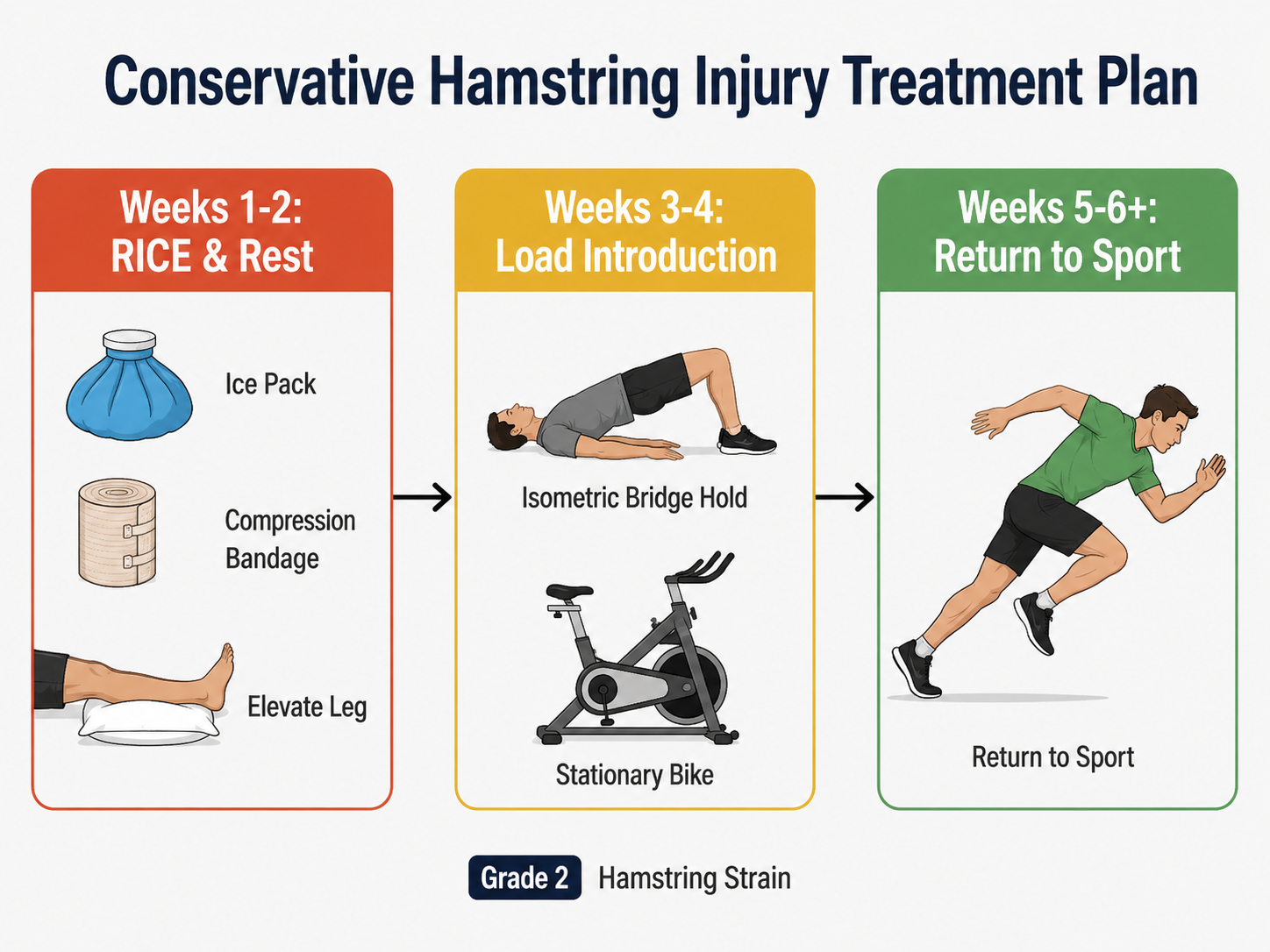
“Conservative treatment” means non-surgical. For a Grade 2 hamstring strain, it’s a phased process.
- Phase 1 (Week 1-2): Rest, ice, compression, elevation (RICE). The goal is to manage pain and initial inflammation. No running. Gentle range-of-motion exercises start once pain allows.
- Phase 2 (Week 3-4): Load introduction. This includes isometric holds (holding a muscle contraction without moving the joint), then light resistance work. Stationary biking and pool work begin. The muscle is re-learning how to absorb force.
- Phase 3 (Week 5-6): Return to sport. This starts with straight-line jogging, progresses to sprinting, then introduces change of direction and sport-specific drills. The final hurdle is full-contact training and match simulation.
The entire process is guided by pain. Any sharp pain means a step back. Barcelona’s medical team, like all top clubs, uses extensive imaging and biomechanical analysis to track healing. The risk in Yamal’s case is the temptation to compress Phases 2 and 3 to make the World Cup. That’s where the 30% recurrence risk comes from, returning before the tissue has regained full tensile strength.
His soccer player diet during this period is also crucial. Protein intake for repair, collagen supplements, and anti-inflammatory foods all support healing. It’s a full-time job.
I’ve seen players in similar situations at club level. The mental grind of watching your teammates train while you’re in the gym doing isolated hamstring curls is tougher than the physical pain. You question every tiny twinge. For a teenager, that’s a lot.
How does Yamal’s situation compare to other young stars before a major tournament?
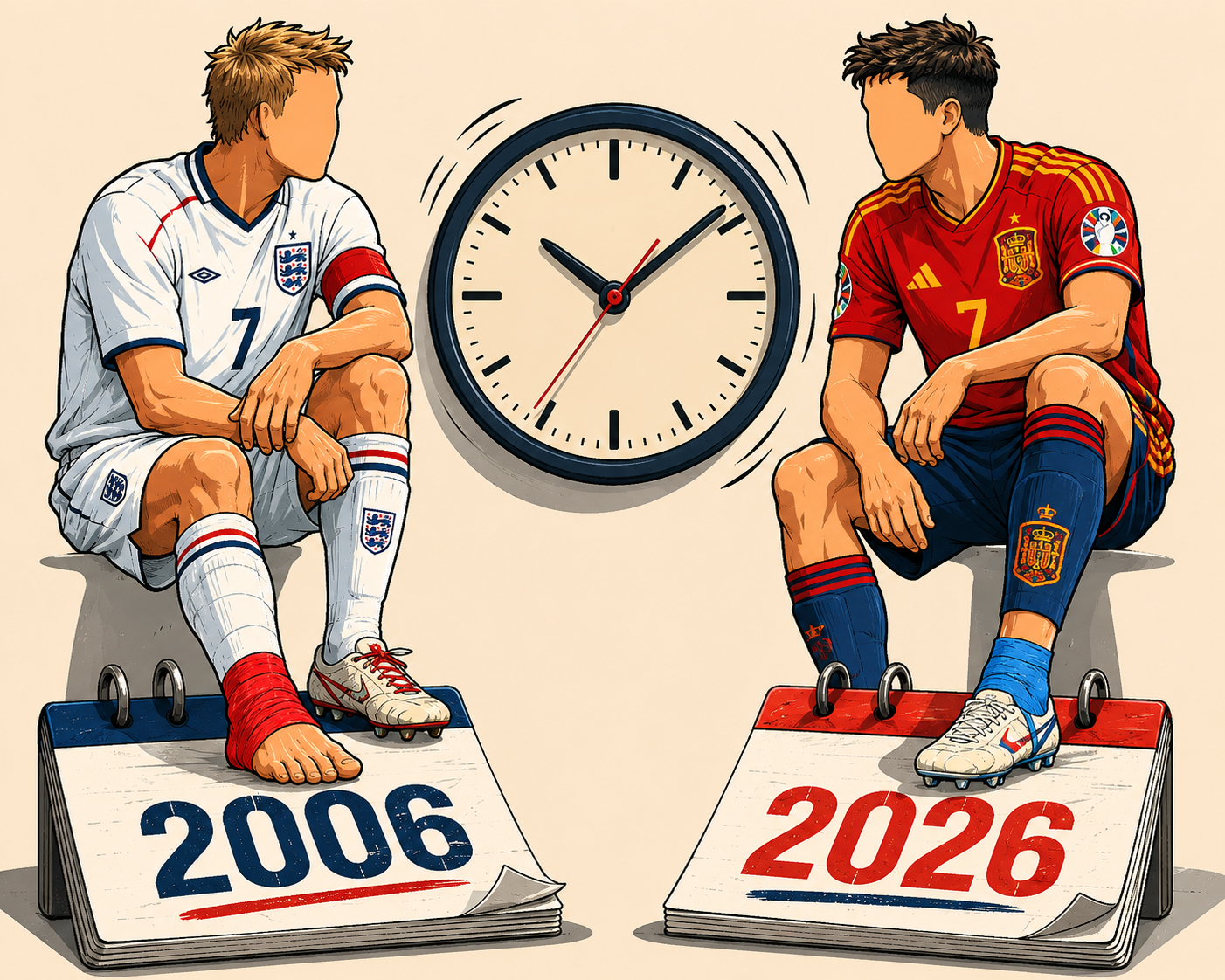
History is full of precocious talents facing last-minute fitness races. Sometimes they play and become heroes. Sometimes they rush it and break down.
Michael Owen was 18 at the 1998 World Cup and was already a established star, but he didn’t have a major injury on the eve of the tournament. Wayne Rooney famously broke a metatarsal before the 2006 World Cup, rushed back, and was nowhere near his best. Kylian Mbappé had a clean bill of health before his breakout in 2018. Yamal’s case is more like Rooney’s, a race against time.
The difference is the injury type. A metatarsal break is a bone; healing is more linear. A soft-tissue hamstring strain is fickle. It can feel fine one day and pull again the next. This uncertainty is what makes the BBC Sport injury report and all subsequent updates so closely watched.
Spain’s hope is that Yamal follows a path more like Pedri, his teammate. Pedri had muscle injuries earlier in his career but has managed them to remain a crucial player. The key is an individualized, patient approach, not the calendar of a major tournament dictating the timeline.
Frequently Asked Questions
Will Lamine Yamal play in the 2026 World Cup?
Yes, all indications from Barcelona and the Spanish federation are that he will be included in the squad and available to play. The exact timing of his return to match action, whether from the start or later in the group stage, is the real uncertainty.
What game will Lamine Yamal miss in the World Cup?
He is most likely to miss Spain’s opening World Cup match against Cape Verde on June 15. His availability for the second game against Saudi Arabia on June 21 is questionable, but he is expected to be fit for the final group game against Uruguay on June 27.
How long is Lamine Yamal out for?
He is out for the remainder of Barcelona’s 2023-24 season, missing their final six La Liga matches. His hamstring strain typically requires 4-6 weeks of recovery, which would see him return to full training in early June, just before the World Cup.
Is Lamine Yamal injured?
Yes, he sustained a left hamstring (biceps femoris) strain while taking a penalty for Barcelona against Celta Vigo in mid-April 2024. The injury is significant enough to end his club season but is not expected to keep him out of the World Cup.
What type of injury does Lamine Yamal have?
He has a Grade 2 strain of his left hamstring, specifically the biceps femoris muscle. This is a partial tear of the muscle fibers, treated with a conservative (non-surgical) plan of rest, rehabilitation, and gradual reloading.
The Bottom Line
Lamine Yamal will almost certainly be in Spain’s 2026 World Cup squad. The narrative from his club is unequivocal. The medical reality, however, adds layers of caution and strategy. He won’t be thrown into a high-intensity match on June 15 unless he’s 100% ready, and the odds of that are low.
Spain’s tournament path may need to be navigated without their most explosive winger for a game or two. That tests their depth and tactical flexibility. For Yamal himself, this is a pivotal moment. Handling the pressure of a major injury recovery before the world’s biggest stage will define the next chapter of his career as much as any dribble or goal. The world will be watching not just his feet, but his fitness.
I come from the “soccer heart” of Germany, the Ruhrpott. I have played, trained and followed soccer all my life and am a big fan of FC Schalke 04. I also enjoy following international soccer extensively.