5 Easy Soccer Foods for a Better Player Diet (No Fuss)
A soccer player diet built on five easy foods uses sweet potatoes, bananas, Greek yogurt, whole-wheat pasta, and hard-boiled eggs. These items are cheap, need almost no prep, and deliver the exact carbs and protein your muscles need before and after 90 minutes of running. Rotate them based on timing: carbs dominant pre-game, protein added post-game.
Most players overcomplicate their food. They chase expensive supplements, follow rigid meal plans that break on travel days, or worse, skip eating because they think it’s too hard. The result is a body running on fumes by the 70th minute.
This guide strips it back. You will get five specific foods, why each one works, and exactly when to eat them. No fancy recipes, no obscure ingredients. Just fuel.
Key Takeaways
- Sweet potatoes beat regular potatoes for soccer because their complex carbs release energy steadily over 2-3 hours, preventing a mid-game sugar crash.
- Bananas are the perfect 30-minute pre-practice snack, they digest fast, replenish muscle potassium lost in sweat, and come in their own biodegradable wrapper.
- Plain Greek yogurt delivers 20+ grams of protein per cup with almost no sugar, making it the top recovery food to eat within 30 minutes of a final whistle.
- Whole-wheat pasta is a pre-game staple for a reason, a 2-cup serving stocks your glycogen tanks fully, and it costs less than a protein bar.
- Hard-boiled eggs are a portable protein anchor; two eggs after training stop muscle breakdown while you get home for a proper meal.
Why a Soccer Player Diet Is About Fuel, Not Perfection
Forget the idea of a “perfect” diet. On a Tuesday after school or work, you need food that works, not a culinary project. The core job is to match two things: the right macronutrient and the right timing.
Your muscles run on glycogen, which comes from carbohydrates. A study cited by the Barça Innovation Hub notes that soccer players cover 10-13 kilometers per match, with over 1,200 changes in activity. That burns through your carb stores. Protein repairs the muscle micro-tears that happen during all those sprints and tackles. Fat is for hormonal health and long-term energy, but it’s not your primary game-day fuel.
A soccer player’s diet should derive 55-65% of its calories from carbohydrates, 20-25% from protein, and the remainder from fats. This ratio supports the high-intensity intermittent activity pattern of the sport.
The mistake is thinking you need a chef. You don’t. You need a microwave, a pot, and five ingredients you can find in any supermarket. This approach is the foundation of any solid soccer workout plan, you can’t train effectively if you’re underfueled.
TL;DR: Eat carbs to run, protein to repair. Hit the 55-65% carb ratio with simple, repeatable foods.
The 5 Easy Soccer Foods (Explained)
These are not just random healthy foods. Each one solves a specific problem in a soccer player’s week: pre-game fueling, mid-game snacks, post-game recovery, and travel-day meals. They are chosen for zero fuss.
1. Sweet Potatoes (The Long-Lasting Carb)
A medium sweet potato delivers about 25 grams of complex carbohydrates. The key word is complex. Unlike simple sugars, these carbs break down slowly, providing a steady stream of glucose to your muscles for up to three hours. That’s why they’re a superior pre-game meal base compared to white bread or sugary cereals.
How to use it: Prick it with a fork, microwave for 5-7 minutes, and eat. Add a pinch of salt or cinnamon. No need for butter or brown sugar.
When to eat it: 2-3 hours before a match or a heavy training session. It’s your meal anchor.
Why it’s easy: Zero prep skills required. Stores for weeks. A bag costs very little.
2. Bananas (The 30-Minute Fuel)
Bananas are almost pure carbohydrate in an easily digestible form. One medium banana has about 27 grams of carbs and 400mg of potassium. Potassium is an electrolyte you lose heavily through sweat during a match; cramping often starts here.
Common mistake: Eating a banana right before kickoff, the natural sugars can cause a brief energy spike and drop for some players. Eat it 30-60 minutes prior to let your stomach settle and the energy release align with your warm-up.
How to use it: Peel and eat. That’s it.
When to eat it: 30-60 minutes before training or as a half-time snack if you feel depleted.
Why it’s easy: It’s nature’s prepackaged snack. Toss one in your bag every day. This is the ultimate example of nutritious snack options that require zero thought.
3. Plain Greek Yogurt (The Recovery Boss)
A single cup of plain, full-fat Greek yogurt packs 20-25 grams of protein and only 5-8 grams of natural sugar. This protein-to-sugar ratio is ideal for post-exercise recovery. The protein is mostly casein, which digests slowly, providing a sustained release of amino acids to your muscles for repair over several hours.
How to use it: Eat it plain, or mix in a spoon of honey, some berries, or a scoop of protein powder. Avoid flavored yogurts, they often have more added sugar than a candy bar.
When to eat it: Within 30 minutes after a game or hard practice. It’s a perfect bridge until you can get a full meal.
Why it’s easy: Open the tub, scoop, eat. Requires no cooking and is ready in seconds.
4. Whole-Wheat Pasta (The Glycogen Loader)
Two cups of cooked whole-wheat pasta provides roughly 80 grams of carbohydrates. This is the classic “carb-loading” food for a reason. It efficiently restocks your muscle glycogen stores, which are your primary fuel tank for high-intensity exercise. The whole-wheat version adds fiber and B-vitamins, aiding in sustained energy release.
How to use it: Boil a batch. Toss with olive oil, canned tuna, chickpeas, or tomato sauce. Portion into containers for 2-3 meals.
When to eat it: The night before a match or as your main lunch 3-4 hours before an evening game.
Why it’s easy: It’s one-pot cooking. A large batch feeds you for days. It’s also a tournament staple, easy to pack and eat cold as a pasta salad. Pairing this with the right soccer gear essentials means you’re prepared on all fronts.
5. Hard-Boiled Eggs (The Portable Protein)
Two large hard-boiled eggs give you about 12 grams of high-quality protein and essential fats. They are a complete protein, meaning they contain all nine essential amino acids your body can’t make itself. This makes them exceptional for muscle repair. Their portability is their superpower.
How to use it: Boil a dozen at the start of the week. Peel and store in a container in the fridge. Grab two after training or as a mid-morning snack.
When to eat it: As a post-training snack with a piece of fruit, or as part of a breakfast to keep you full.
Why it’s easy: 10 minutes of boiling gives you a week’s worth of snacks. No cooking required when you’re hungry.
| Food | Primary Benefit | Best Timing | Simple Combo Idea |
|---|---|---|---|
| Sweet Potato | Slow-release complex carbs | 2-3 hours pre-game | Microwaved, with cinnamon |
| Banana | Fast carbs & potassium | 30-60 min pre-game | Eaten alone or with peanut butter |
| Greek Yogurt | High protein for repair | Within 30 min post-game | Mixed with berries and honey |
| Whole-Wheat Pasta | High-volume carb loading | Night before / 3-4 hrs pre-game | With olive oil and canned tuna |
| Hard-Boiled Eggs | Portable complete protein | Post-game snack / with breakfast | Two eggs with an apple |
Timing Your Easy Foods
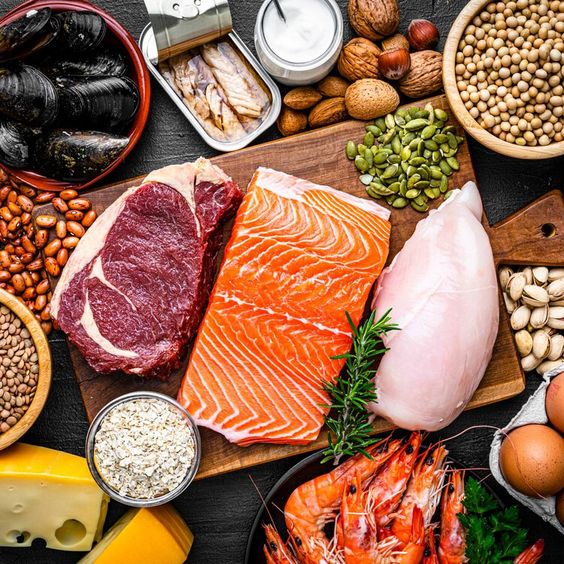
Eating the right food at the wrong time wastes it. Your body’s needs switch from “fueling up” to “repairing” the moment the session ends. Use this framework.
The 3-4 Hour Pre-Game Meal
This is your main fuel stop. The goal is high carbs, moderate protein, low fat and fiber. Fat and fiber slow digestion, which can lead to stomach discomfort during the match.
* Easy Meal Example: A medium sweet potato + a small chicken breast or a cup of cooked lentils.
* What happens if you skip it: You start the game with half-full glycogen tanks. Your sprint speed drops noticeably after 60 minutes.
The 30-60 Minute Pre-Game Snack
This is a top-up, not a meal. Go for easily digestible carbs.
* Easy Snack Example: One banana, or a small bowl of oatmeal.
* What happens if you eat too much: Your body diverts blood to your gut to digest, leaving less for your muscles. You feel heavy and sluggish.
During the Game (Halftime)
For matches under 90 minutes, water is usually enough. For longer sessions or tournaments with multiple games, a small carb hit helps.
* Easy In-Game Fuel: A few sips of a sports drink, half a banana.
* The rule: Don’t experiment. Use only what you’ve tried in training.
The Critical 30-Minute Post-Game Window
This is non-negotiable. Your muscles are like sponges, desperately wanting carbs to replenish glycogen and protein to start repair.
* Easy Recovery Combo: A cup of Greek yogurt + a handful of grapes. Or a protein shake with a banana blended in.
* What happens if you wait 2 hours: The recovery process is significantly blunted. Muscle soreness the next day is worse, and your next performance suffers. This is when those post-game recovery foods you prepped pay off.
I used to finish a tough Schalke youth team training session and drive straight home without eating. By the time I cooked, 90 minutes had passed. My legs felt like concrete the next morning. Now I keep a tub of Greek yogurt in the club fridge. Eating it before I even shower cuts my soreness in half.
TL;DR: Carbs dominate before, protein joins after. Never let more than 30 minutes pass after training without a carb+protein snack.
Building Easy Meals & Snacks
You don’t need recipes. You need templates. Combine one item from the “Carb” column with one from the “Protein” column. Add vegetables when you can, but don’t stress if you can’t.
| Meal Type | Carb Source (Pick 1) | Protein Source (Pick 1) | Example |
|---|---|---|---|
| Pre-Game Meal | Sweet potato, Whole-wheat pasta, Oatmeal | Grilled chicken, Canned tuna, Lentils | Whole-wheat pasta with tuna |
| Post-Game Recovery | Banana, Oatmeal, Whole-wheat bread | Greek yogurt, Hard-boiled eggs, Protein powder | Greek yogurt with banana mixed in |
| Everyday Lunch | Whole-wheat wrap, Quinoa, Brown rice | Chickpeas, Turkey slices, Cottage cheese | Wrap with turkey and hummus |
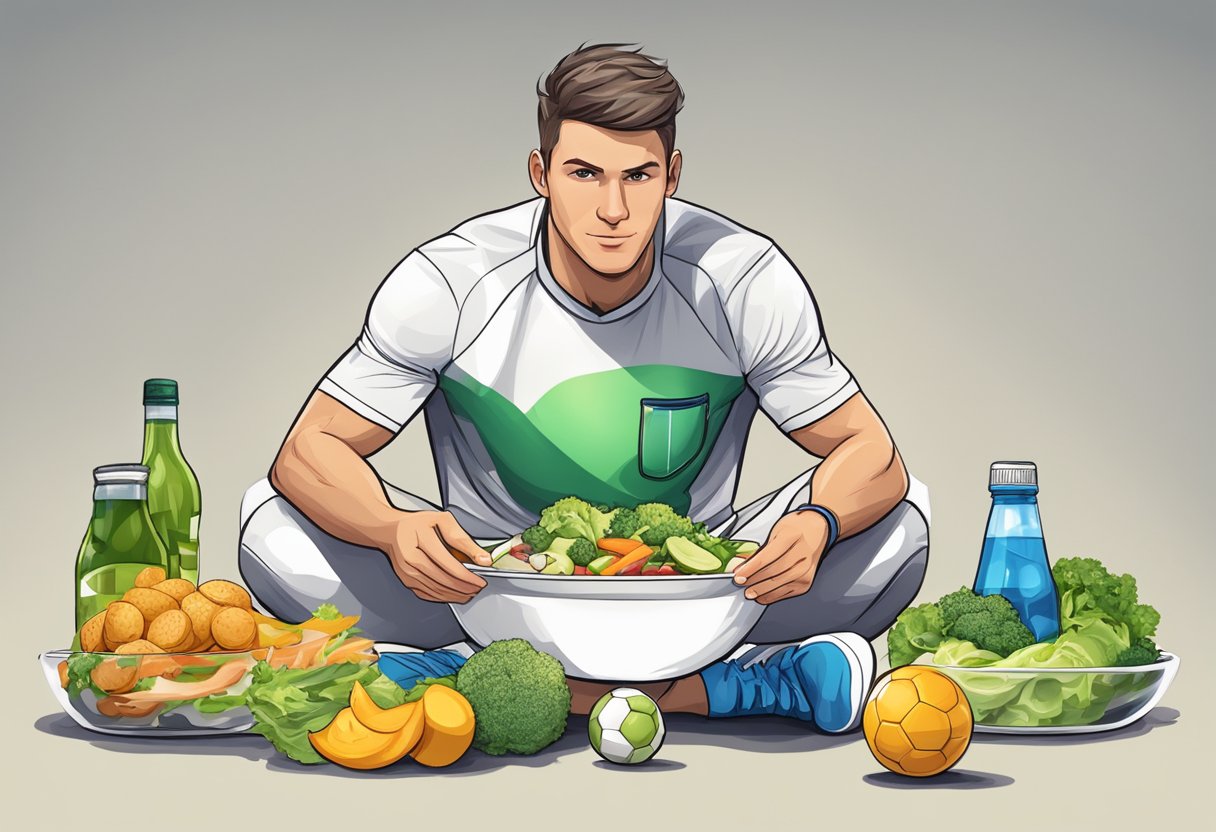
For Vegetarians/Vegans:
- Protein Swaps: Use chickpeas, lentils, tofu, tempeh, or edamame.
- Easy Combo: A big bowl of quinoa (a complete protein itself) with roasted veggies and black beans.
- Recovery Swap: Blend silken tofu with a banana and cocoa powder for a thick, protein-rich pudding.
For Tournaments & Travel:
This is where easy foods win. Pack non-perishables and use hotel amenities.
* Pack: Oatmeal packets, whole-wheat bread, peanut butter, canned chickpeas, bananas, apples.
* Use the hotel kettle: To make oatmeal or soak couscous.
* Find a supermarket: Buy yogurt, pre-hard-boiled eggs, and fruit upon arrival. This practical approach is as important as your soccer sock fit for tournament comfort.
What to Drink: Hydration Is Part of Your Diet
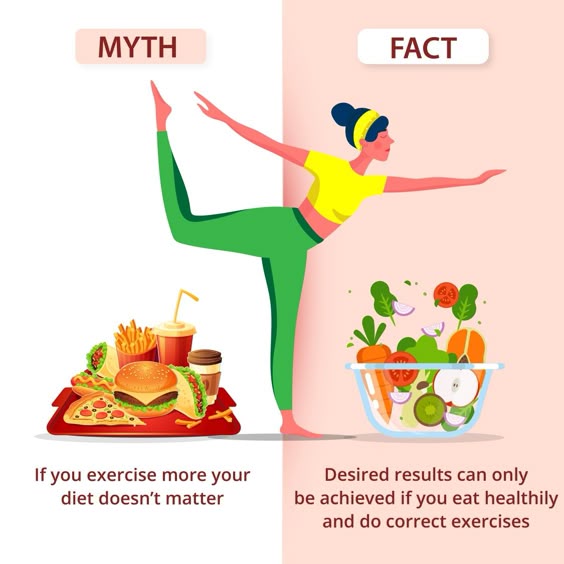
Food is half the equation. Dehydration of just 2% body weight can reduce your performance by 10-20%. You can’t out-eat poor hydration.
Daily Baseline: Drink water consistently so your urine is light yellow. This starts the day before a game.
Pre-Game: Drink 500ml (about 17 oz) of water 2-3 hours before kickoff.
During Game: Aim for 150-250ml (5-9 oz) every 15-20 minutes. Use a sports drink if it’s very hot or you’re sweating heavily.
Post-Game: Weigh yourself before and after. Drink 1.5 liters of fluid for every kilogram (or about 24 oz for every pound) lost.
Common mistake: Chugging a liter of water right before warm-up, it sloshes in your stomach and can cause cramping or nausea. Sip steadily throughout the day instead.
Foods to Limit (And Why)
This isn’t about “bad” foods. It’s about foods that work against your goals at specific times. You can have them, just not when you need to perform.
- High-Fat Meals Close to Game Time: Fried foods, heavy cheeses, fatty cuts of meat. They digest slowly and can make you feel lethargic.
- High-Fiber Foods Pre-Game: Excessive raw vegetables, beans, high-fiber cereals. They can cause bloating and gastrointestinal distress during play.
- Sugary Snacks and Sodas: Candy, pastries, regular soda. They cause a rapid spike and crash in blood sugar, leaving you with less stable energy than a banana or sweet potato. Save them for a true off-day treat.
Think of it like breaking in new cleats, you wouldn’t wear brand-new, stiff boots for a cup final. Don’t eat experimental or gut-challenging foods before a big match.
Frequently Asked Questions
What is the single best food for a soccer player?
There isn’t one “best” food. But if you need a workhorse, it’s the sweet potato. It provides sustained energy, is packed with vitamins, and requires zero culinary skill to prepare. It’s the most versatile carb source on the list.
I’m a picky eater. How can I make this work?
Start with the one food from the list you do like. If you only like bananas, eat bananas before training. If you only like yogurt, eat yogurt after. Consistency with one good habit is better than a perfect plan you never follow. Gradually try preparing a sweet potato different ways, mashed might work if you don’t like it baked.
Are protein shakes necessary?
No. They are convenient, especially post-game when you have no appetite for solid food. But they are not magic. A cup of Greek yogurt or two hard-boiled eggs with a piece of fruit does the same job. Use shakes for convenience, not as a dietary cornerstone.
How do I eat before an early morning game?
This is tough. Your goal is quick, digestible carbs. Eat a large carb-based dinner the night before (like whole-wheat pasta). Upon waking, immediately have something like a banana, a slice of toast with honey, or applesauce. Drink plenty of water. Your body will still be using the stored glycogen from your dinner.
What about supplements like creatine or caffeine?
Creatine monohydrate has strong evidence for improving performance in repeated high-intensity efforts like sprints. It can be useful. Caffeine (from coffee or a pill) can reduce perceived effort. However, these are supplements, they supplement a solid diet built on foods like the five listed here. Never let a supplement replace a real meal. Master the basics of soccer-specific workouts and real food first.
Before You Go
A soccer player diet succeeds on simplicity, not complexity. Stock your kitchen with sweet potatoes, bananas, Greek yogurt, whole-wheat pasta, and eggs. Use the timing framework: load carbs before, repair with protein after. Hydrate like it’s your job.
This approach frees you from overthinking. It lets you focus on what matters, your touch, your vision, your next game. It’s the same principle as choosing the right soccer ball sizes for training: use the right tool for the job, every time. Eat to play. Play to win.
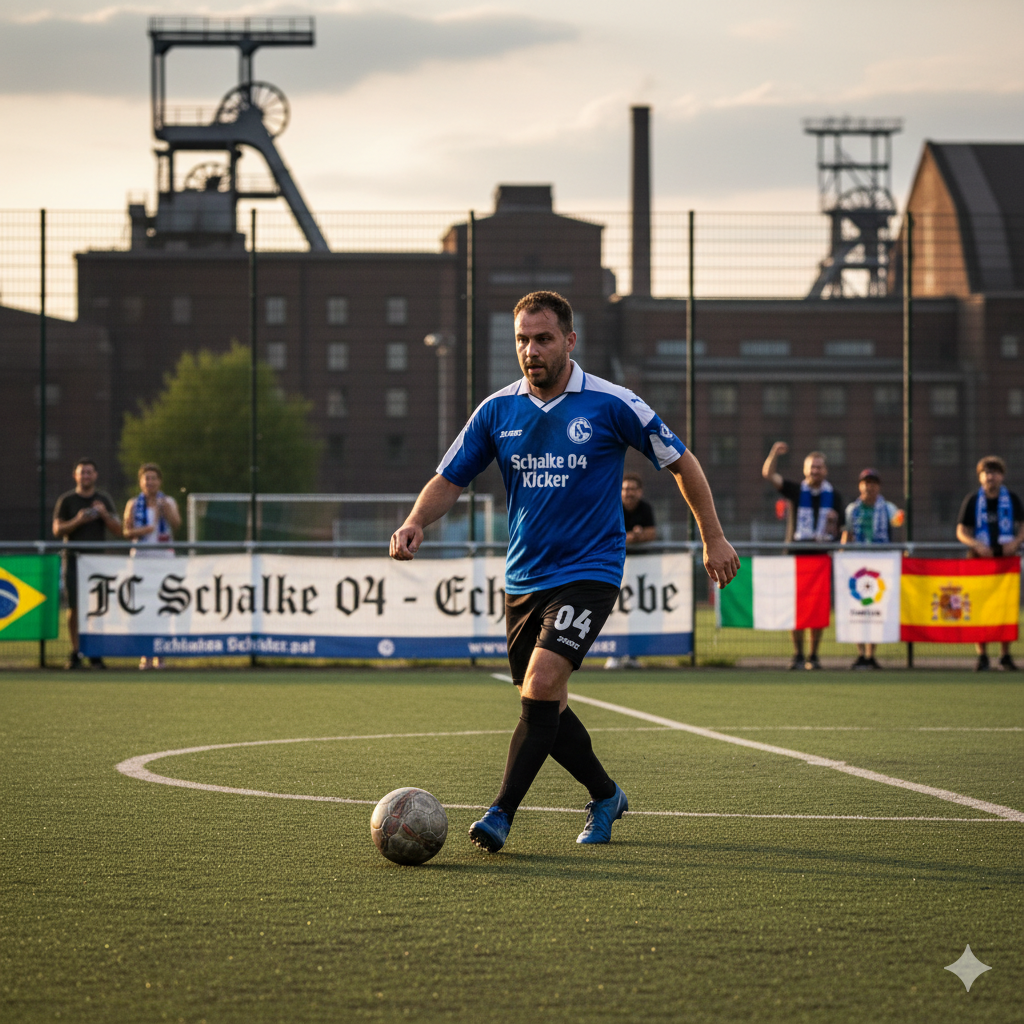
I come from the “soccer heart” of Germany, the Ruhrpott. I have played, trained and followed soccer all my life and am a big fan of FC Schalke 04. I also enjoy following international soccer extensively.