Is Mbappé Playing in World Cup ? The Definitive Answer
Yes, Kylian Mbappé is playing in the 2026 World Cup. He was confirmed as the captain of France’s 26-man squad for the tournament in the United States, Canada, and Mexico. The only cloud was a late-season thigh injury, but all indications point to his full fitness for the group stage.
The confusion comes from that injury scare. Headlines screamed about a muscle problem in May, and people started connecting dots to a worst-case scenario. It’s a natural panic, but it misses the actual timeline and the priorities of two massive institutions.
Here is exactly where Mbappé stands, how France will build their entire campaign around him, and what he’s personally chasing on the world’s biggest stage.
Key Takeaways
- Mbappé is not just playing; he is the captain and undisputed focal point of France’s 2026 World Cup squad.
- A thigh injury suffered with Real Madrid in May caused initial concern, but his recovery is targeted for the tournament’s start in June.
- He needs two goals to surpass Olivier Giroud (57) as France’s all-time leading men’s scorer and is chasing the all-time World Cup scoring record.
- Coach Didier Deschamps is building a 4-2-3-1 system with Mbappé centrally, supported by Ousmane Dembélé and Michael Olise.
- This tournament is Deschamps’ final act as France manager, adding a layer of narrative pressure to deliver a second World Cup with Mbappé as the protagonist.
The Official Squad Announcement
Head coach Didier Deschamps named his 26 players on May 14, and Mbappé’s name led the list. This wasn’t a surprise selection; it was a coronation. The BBC Sport France squad announcement formalized what everyone knew: the team’s present and future runs through its best player.
The 2026 France World Cup squad, captained by Kylian Mbappé, represents a blend of established tournament veterans and a new generation of attacking talent. The core structure from the 2018 victory and 2022 final remains, with strategic refreshes in wide areas and midfield designed to maximize possession and vertical speed in North American conditions.
Deschamps is not a tinkerer. His squads have a recognizable spine. Alongside Mbappé, the only other survivors from the 2018 winning team are Lucas Hernandez and N’Golo Kanté. Ousmane Dembélé, now a Ballon d’Or holder, is the other veteran pillar. The bold moves are in the youth. Désiré Doué and Michael Olise are the new blood, electric wide players chosen specifically to orbit Mbappé.
TL;DR: Mbappé’s captaincy and inclusion were never in doubt; the squad is built to serve his strengths with pace and creativity on the wings.
The Injury Question: Will He Be Fit?
In late April, Mbappé felt a twinge in his left thigh during a La Liga match. Scans confirmed a minor muscle injury. Real Madrid immediately ruled him out for their final league games and took a cautious approach. This is where the alarm bells rang for fans.
The timeline is everything. A typical grade-one thigh strain heals in three to four weeks with proper rehab. The World Cup group stage starts in mid-June. Do the math. Clubs and national teams have a fraught relationship, but here their interests aligned perfectly. Madrid had sealed the title; they gained nothing from rushing him. The France 24 Deschamps World Cup squad coverage noted the federation was in constant contact, planning a phased return to training.
Common mistake: Assuming a May muscle injury automatically rules a player out for a June tournament — modern sports science and conservative management build in precisely this buffer. Missing a meaningless club match is not the same as missing a World Cup.
He might not be 100% for the very first training session. He might be managed through the group stage, with substitute appearances against Iraq or Norway. But the muscle will have healed. The risk is not injury recurrence; it’s match sharpness. That comes back with minutes, and Deschamps will give them to him.
France’s Tactical Blueprint with Mbappé
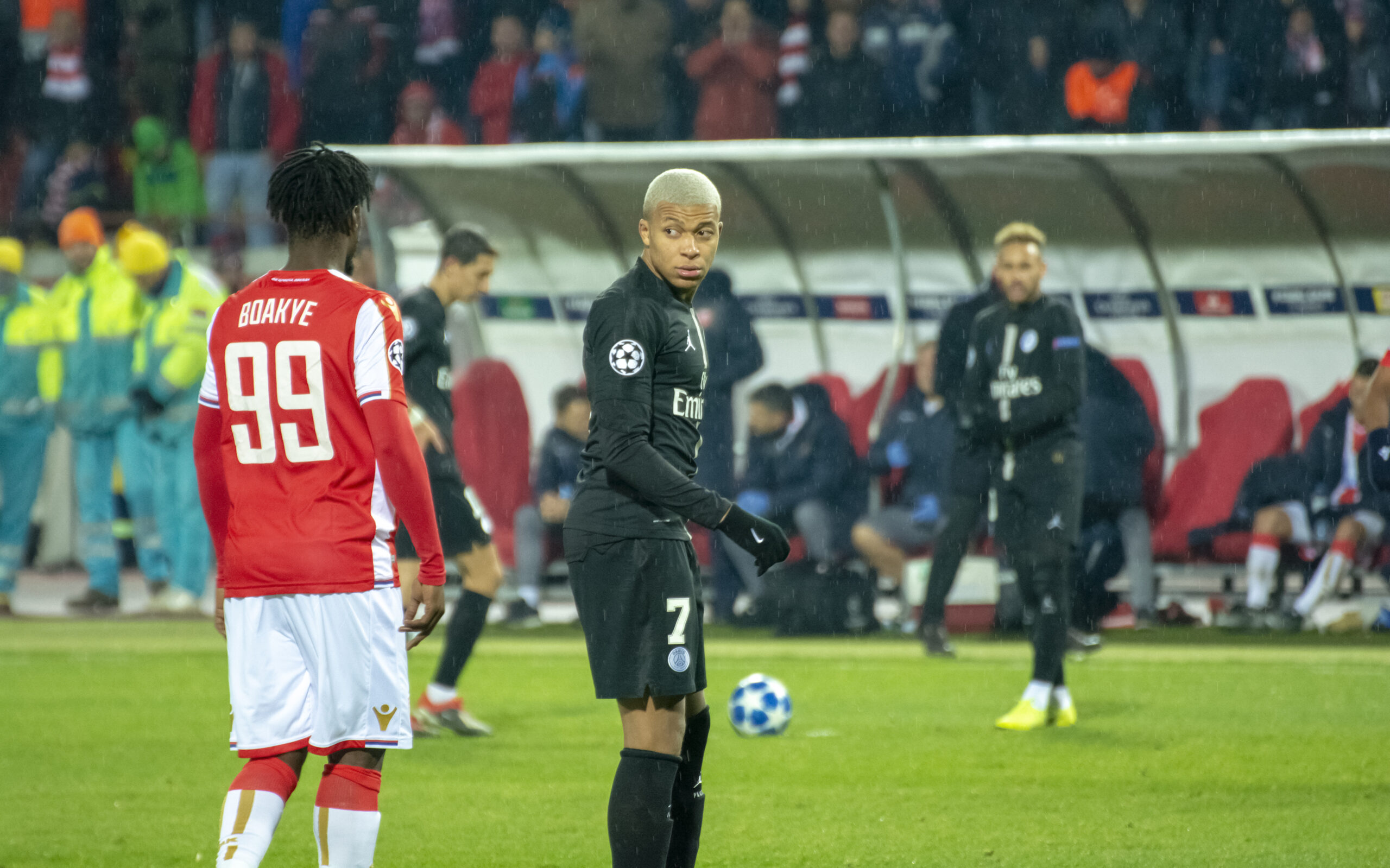
Photo: Balkan Photos / Wikimedia Commons / CC BY 2.0
Forget the 4-3-3 of old. Deschamps has settled on a 4-2-3-1 for this cycle, and the “1” is Mbappé. The system is designed to get him the ball in transition, facing goal, with space to attack. He is no longer a pure left winger cutting inside. He is the central striker, the finisher, and the gravitational pull for the entire opposition defense.
.jpg)
The three behind him are where the tactical intrigue lies. Dembélé will start on the right. The left side is a battle between the direct running of Olise and the trickery of Doué. They are not traditional playmakers; they are runners and dribblers who will stretch the pitch horizontally. This creates the gaps Mbappé exploits.
| Position | Likely Starter | Key Attribute for Mbappé |
|---|---|---|
| Central Striker | Kylian Mbappé | Focal point, record chaser |
| Right Attacker | Ousmane Dembélé | Draws defenders, provides width |
| Left Attacker | Michael Olise / Désiré Doué | Stretches play, creates 1v1s |
| Central Attacking Midfield | Antoine Griezmann (if fit) / Youssouf Fofana | Link play, defensive cover |
This setup demands immense physical output from the wingers. It’s why raw speed was a selection criterion. Deschamps knows you need athletes who can keep up with Mbappé’s pace to make the system work. Looking at other fastest soccer players in 2026 shows this is a tournament-wide trend, but France’s trio might be the most explosive.
The double pivot behind them (Aurélien Tchouaméni and Eduardo Camavinga, when both fit) provides the defensive stability. Their job is to win the ball and feed it quickly. This isn’t a possession-for-possession’s-sake team. It’s a surgical strike force built around one man’s ability to decide games in three touches. This direct approach mirrors some principles of a midfield-heavy formations like the 3-5-2, but with the security of a back four.
The Records Within Reach
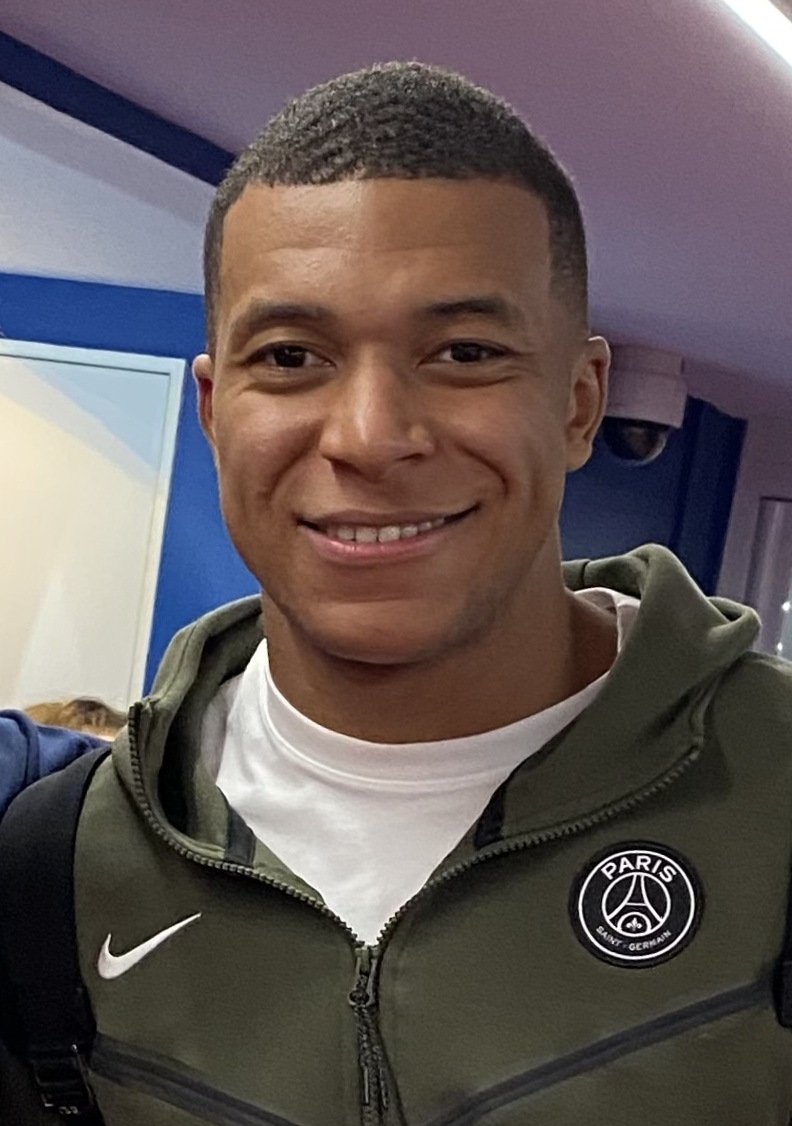
Photo: Helfer Emilio / Wikimedia Commons / CC0
Mbappé plays with a historical clock ticking. He is acutely aware of it. He enters the 2026 tournament with 56 goals for France. Olivier Giroud, now retired, sits at 57. Two goals make Mbappé the sole all-time top scorer for his country. He will get those two goals. The question is how many more.
.jpg)
Then there is the World Cup record. He has 12 goals across two tournaments (4 in 2018, 8 in 2022). The all-time record is 16, held by Miroslav Klose. At 27 years old, this is likely Mbappé’s physical peak World Cup. A repeat of his 8-goal haul from Qatar would tie the record. Surpassing it is a very real possibility, which would cement his status among the true 2026 soccer legends.
This pursuit changes his mentality. He will be desperate to score, especially in the group stage to get the Giroud mark off his back. Defenders know this. They will try to provoke him, to frustrate him. His discipline and decision-making in the box will be tested more than ever.
I think the club season at Madrid, despite the goals, felt a bit flat for him by his standards. There was an adaptation period. That strange pressure is gone now. The World Cup is his canvas. He’s playing for history, not just points. That’s when he’s most dangerous.
The Supporting Cast: New Faces, Same Mission
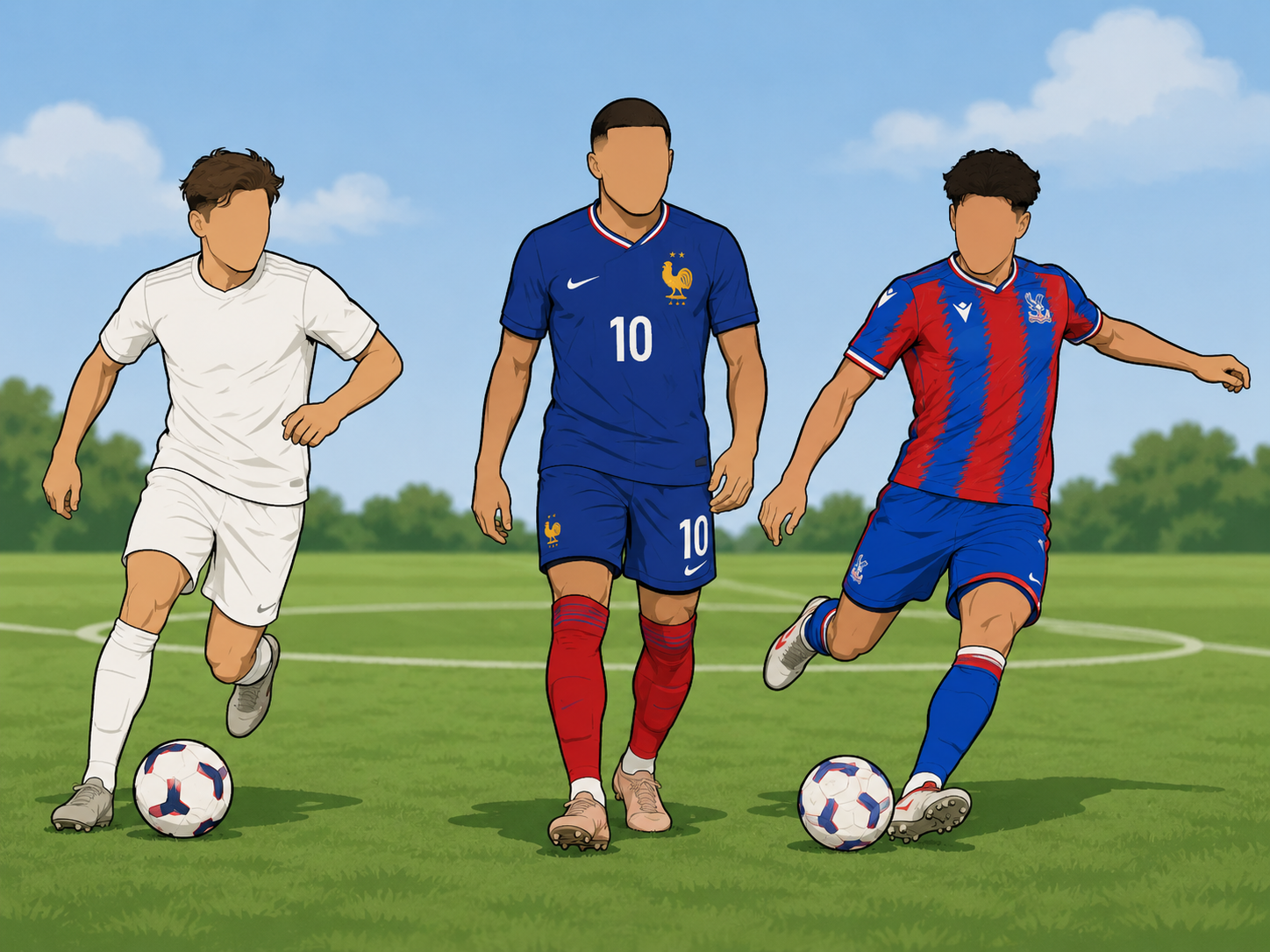
A squad is more than its star. Deschamps has hedged his bets with specific profiles. The omission of some technical midfielders like Eduardo Camavinga from the initial squad raised eyebrows. It signals a preference for physical, box-to-box players who can cover the vast spaces the attacking line leaves.
The key newcomers are in attack:
* Michael Olise: The Crystal Palace winger offers a left foot, incisive passing, and a goal threat from the right wing. He complements Dembélé’s more anarchic style.
* Désiré Doué: The wildcard. Younger and less experienced, his dribbling is exceptional. He is a “break the line” sub Deschamps can use when a game is stuck.
This supporting cast has one job: enable Mbappé. They are not there to share the spotlight, but to polish it. Their success will be measured in his goal tally and the team’s progress. It’s a different kind of pressure than being the main man, but for young players looking to make their mark among the standout players of 2026, it’s a golden opportunity.
The Deschamps Factor: One Last Dance
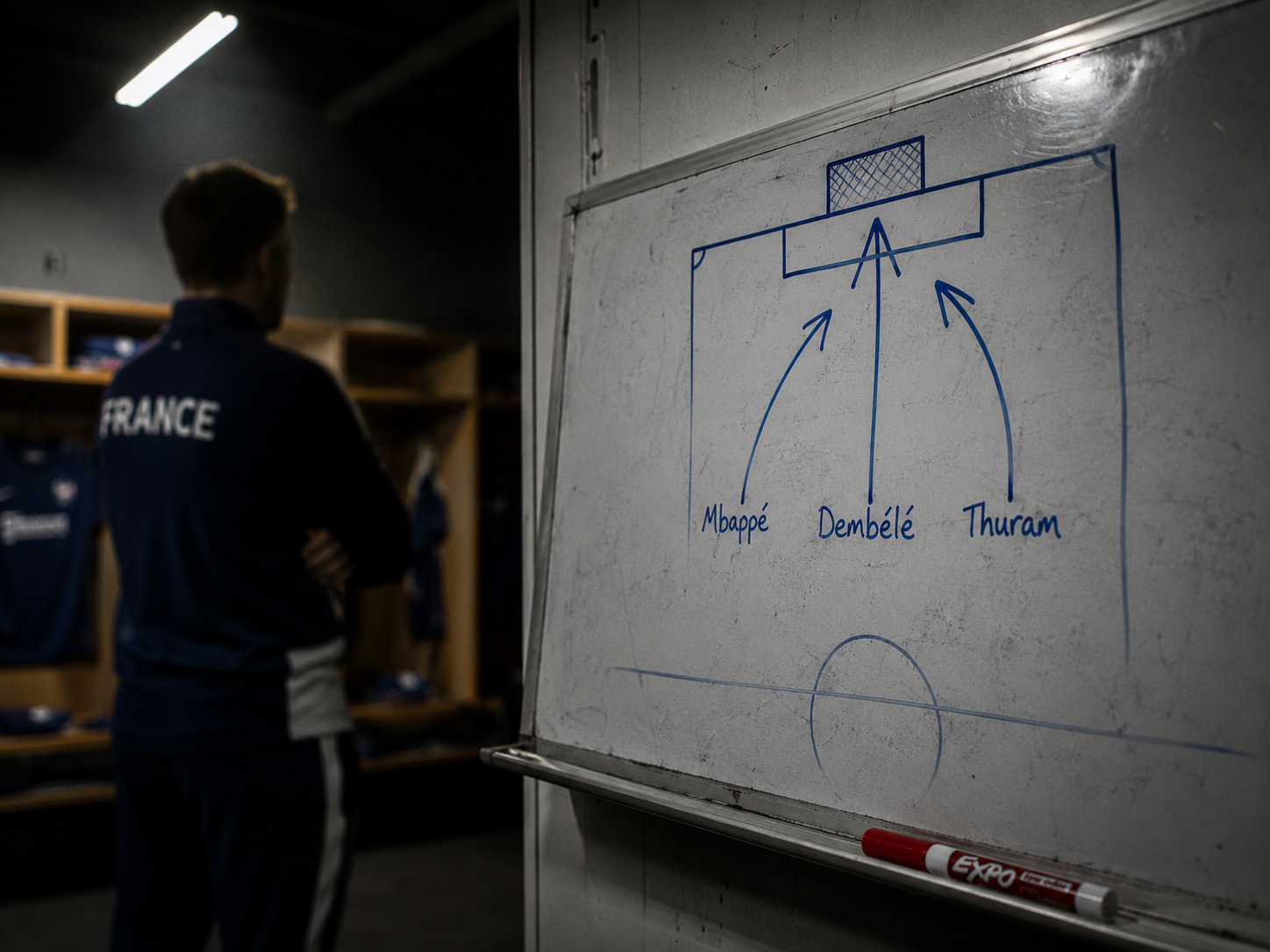
Didier Deschamps announced this will be his final tournament as France manager. He took them to back-to-back World Cup finals, winning one. His legacy is secure, but ending with a third final—or a second victory—would be mythical.
This adds a fascinating layer. Deschamps is pragmatic, sometimes to a fault. But with no job to protect afterward, will he be more bold? Will he unleash Mbappé and this attacking trio with even fewer restraints? The relationship between a manager in his final act and a captain in his prime can be powerful. There’s a shared “now or never” energy.
It also means tactical adjustments during the tournament could be swift and ruthless. Deschamps has the authority to make any change he sees fit. If the 4-2-3-1 isn’t working, he has the personnel to shift to a 3-4-3 or a 4-3-3. He is playing for the trophy, not for future development.
What Could Go Wrong?
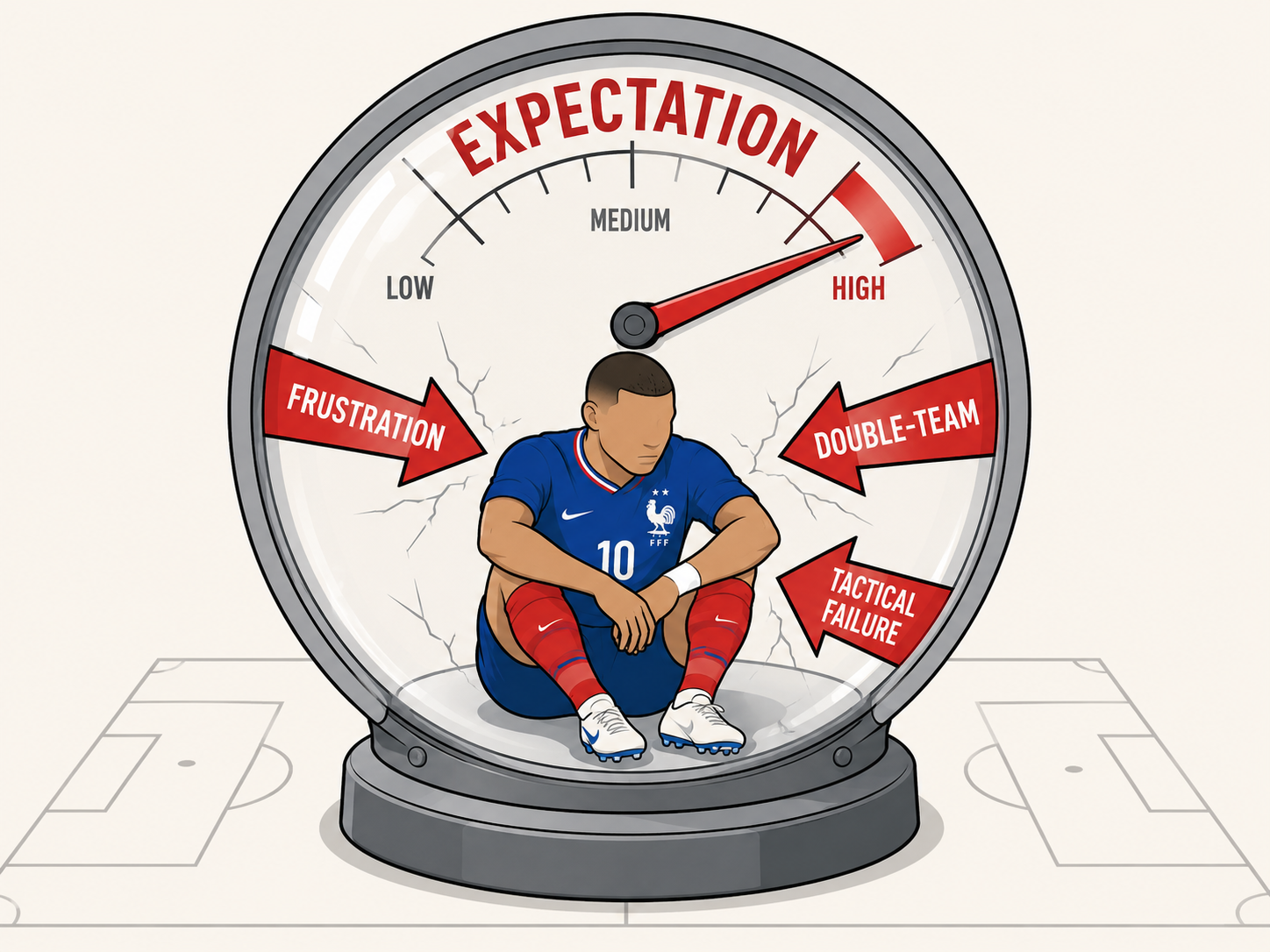
The plan is clear, but football is chaos. The main risks are not about Mbappé’s fitness by June.
First, the pressure of the records could become a burden. If he doesn’t score early, frustration might creep into his game. He might force shots, drop too deep, or neglect his defensive duties. Second, the tactical system relies on the wingers being lethal threats themselves. If Dembélé or Olise have an off tournament, defenses can simply double- and triple-team Mbappé, nullifying France’s entire attack.
Finally, there is the sheer weight of expectation. He is the face of global football. Every move is analyzed. A quiet game will spark “decline” narratives. Managing that mental load, while also carrying a nation’s hopes and a manager’s legacy, is his biggest challenge. It’s a level of scrutiny that impacts even the greatest; understanding the career longevity in soccer required to handle it is key.
TL;DR: The risks are mental pressure and tactical dependence, not physical injury. France’s success is inextricably linked to Mbappé’s state of mind.
Frequently Asked Questions
Is Mbappé 100% fit for the 2026 World Cup?
As of the tournament start, yes, he is expected to be fully fit. He suffered a minor thigh injury in May with Real Madrid, but the recovery timeline was always aimed at a June return. He may be managed carefully in the group stage to build sharpness.
Who will be the captain of France in the 2026 World Cup?
Kylian Mbappé was officially named the captain of the French national team for the 2026 World Cup. He has held the armband consistently since Hugo Lloris retired.
What records can Mbappé break in the 2026 World Cup?
He needs two goals to pass Olivier Giroud as France’s all-time top men’s scorer (57 goals). He also has 12 World Cup goals and could challenge Miroslav Klose’s all-time record of 16.
Why was Eduardo Camavinga not in the France squad?
Camavinga was a notable omission from the initial 26-man squad announced by Deschamps. The coach opted for different midfield profiles, favoring players with more defensive coverage and physical presence to balance the attacking setup.
What formation will France use with Mbappé?
France is expected to use a 4-2-3-1 formation. Mbappé will be the central striker, supported by a line of three attacking midfielders/wingers, likely featuring Ousmane Dembélé and Michael Olise.
Is this Didier Deschamps’ last World Cup?
Yes. Didier Deschamps has confirmed the 2026 World Cup will be his final tournament as the head coach of the French national team.
The Bottom Line
Kylian Mbappé is not just playing in the 2026 World Cup. He is arriving as the captain, the focal point, and a man on a historic mission. The minor injury scare is behind him. The stage is set for him to define this tournament, break scoring records, and lead a talented French squad in his manager’s final campaign.
The narrative is perfect. The physical readiness is planned. The tactical system is built for him. The only remaining questions are about execution and nerve. Watch how he handles the first match, the first goal chase. That will tell you everything about whether this will be a good World Cup for France, or a legendary one for Mbappé. His place among the players who dominated 2026 is already being written.

I come from the “soccer heart” of Germany, the Ruhrpott. I have played, trained and followed soccer all my life and am a big fan of FC Schalke 04. I also enjoy following international soccer extensively.