Size 3 vs 4 vs 5 Soccer Ball Difference: A Complete Guide
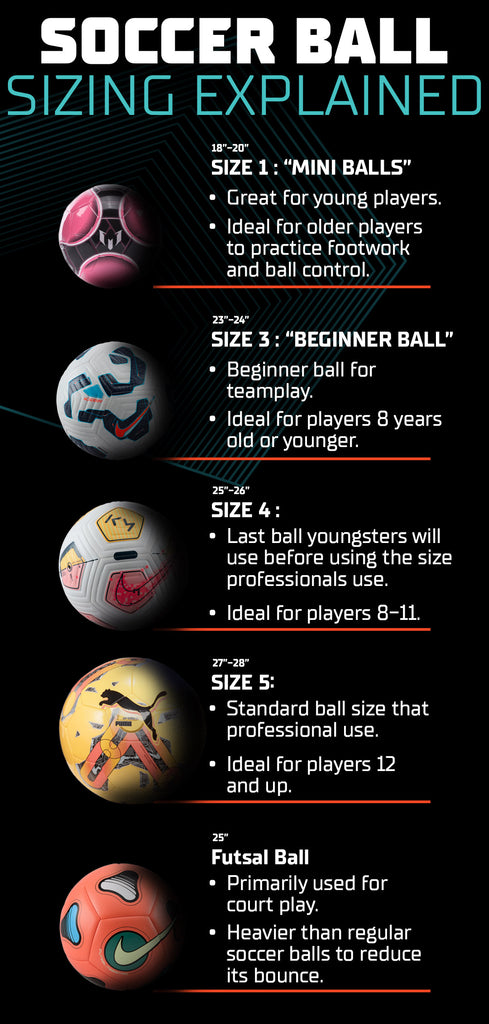
The difference between a size 3, size 4, and size 5 soccer ball comes down to three measurable specs: circumference, weight, and the corresponding FIFA-recommended age group. A Size 3 (U8 and under) is 58-60cm and 300-320g. A Size 4 (U8-U12) is 63.5-66cm and 350-390g. A Size 5 (U13-Adult) is 68-70cm and 410-450g and is the official match ball for all professional and senior competitions.
Most parents and new coaches grab the wrong ball because they follow a vague age chart without understanding why the size matters. They buy a heavy Size 5 for an 8-year-old thinking it’s “more professional,” and then wonder why the kid’s technique looks awkward and their shooting power hasn’t improved in six months.
This guide breaks down the exact measurements, the physical impact each size has on developing players, and how to avoid the most common, and costly, purchasing mistakes. We’ll cover everything from league compliance to the subtle feel differences that separate a good training session from a great one.
Key Takeaways
- Size dictates development: A ball that’s too large or heavy forces technical compromises, toe-poking instead of proper instrike shooting, stunted dribbling confidence, that become hard-to-break habits.
- Weight is the silent variable: The 90-gram jump from a Size 4 (390g max) to a Size 5 (410g min) is more impactful than the circumference change. A young player’s leg muscles and joints feel every gram.
- Futsal is not a size: “Size 4 Futsal” is a different ball construction entirely, designed for low bounce on hard courts. Using an outdoor Size 4 for futsal ruins the game’s dynamics.
- Pressure completes the profile: A Size 5 ball at 8 PSI feels and behaves like a sluggish Size 4. Always use a gauge and follow official PSI ranges for the specific ball size and type.
- Transition timing is individual: The move from Size 4 to Size 5 should be based on physical strength and technical mastery, not just a birthday. Rushing it hurts more than it helps.
The Core Specs: Size, Weight, and Age
Forget generic advice. The FIFA Law 2 specification for “The Ball” gives us the hard numbers that every manufacturer and serious league follows. These aren’t suggestions, they’re the tolerances that separate a proper ball from a toy.
A Size 5 ball must have a circumference of 68 to 70 centimeters and a weight between 410 and 450 grams. This is the global standard for all professional, high school, collegiate, and adult recreational matches. Any ball outside these specs is not a legal Size 5.
The official FIFA match ball (Size 5) has a circumference tolerance of 68.5–69.5 cm and a weight tolerance of 420–445 grams at the start of a match, with a recommended inflation pressure between 8.5 and 15.5 PSI depending on altitude and match conditions.
The common mistake is applying these standards to younger players. Their smaller feet, less developed leg strength, and shorter kicking levers need a proportionally sized tool. That’s where Size 4 and Size 3 come in.
| Ball Size | Circumference (FIFA Range) | Weight (FIFA Range) | Primary Age Group | Best For |
|---|---|---|---|---|
| Size 3 | 58–60 cm | 300–320 g | U8 and under | First touch, coordination, introductory dribbling drills. |
| Size 4 | 63.5–66 cm | 350–390 g | U8–U12 | Youth league matches, technical skill development, building shot power. |
| Size 5 | 68–70 cm | 410–450 g | U13–Adult | All official competitive matches for teenagers and adults, high-level training. |
TL;DR: Match the ball to the FIFA spec for the player’s age group. A Size 5 is for U13 and up, a Size 4 is for U8-U12, and a Size 3 is for the youngest players learning basic ball feel.
Size 5: The Official Match Standard
This is the ball. When you watch the Bundesliga, the Premier League, or the World Cup, every pass, shot, and header is made with a Size 5. Its dimensions create the predictable flight, weighty strike feel, and consistent bounce that the modern game is built upon.
The 68-70 cm circumference provides the optimal surface area for controlled foot strikes and heading. The 410-450 gram weight ensures stability in flight, it doesn’t get buffeted by wind as easily as a lighter ball, and delivers the satisfying thump of a well-hit volley. This weight is crucial. It translates player force directly into ball momentum without feeling like kicking a balloon.
Common mistake: Using a cheap, heavyweight Size 5 replica for youth training, the unbalanced weight distribution causes erratic bounce and deadens touch, teaching players to compensate with poor technique that fails with a true match ball.
But this heft is its defining trait for younger players. Give a Size 5 to a typical 10-year-old, and watch their technique change. They’ll start leaning back to get the ball airborne, overusing their toe because their ankle isn’t strong enough to lock for a clean instrike, and they’ll tire quickly. Their developing hip flexors and knee joints aren’t ready for that load over dozens of repetitions. That’s why adhering to age-based ball sizing isn’t bureaucratic; it’s biomechanical.
Size 4: The Developmental Engine
The Size 4 ball is the unsung hero of player development. It sits perfectly between the introductory Size 3 and the full-sized adult tool. For players aged roughly 8 to 12, it’s the Goldilocks ball, not too big, not too small, not too light, not too heavy.
Its 63.5-66 cm circumference is about a hand’s width smaller than a Size 5. That smaller surface area is easier for a child’s foot to wrap around for controlled dribbling and receiving. The weight range, 350-390 grams, is the real magic. It’s heavy enough to teach proper striking technique, plant foot, locked ankle, follow-through, but light enough that a player can execute it successfully without straining.
I’ve run camps where we’ve had two groups of U11s: one using Size 5s, one using Size 4s. After two weeks, the Size 4 group showed cleaner passing form, more attempts at controlled first-time shots, and significantly more confidence in 1v1 dribbling situations. The Size 5 group was quieter, more tentative, and their touches were heavier. They were fighting the tool instead of mastering the skill.
When choosing a Size 4, focus on construction quality. A well-made training ball with good soccer ball construction (like a stitched or thermally bonded TPU casing) will hold its shape and pressure, giving consistent feedback. A poor-quality ball goes out of round quickly, developing dead spots that kill a pass or cause a shot to knuckle unpredictably.
Size 3: Building the Foundation
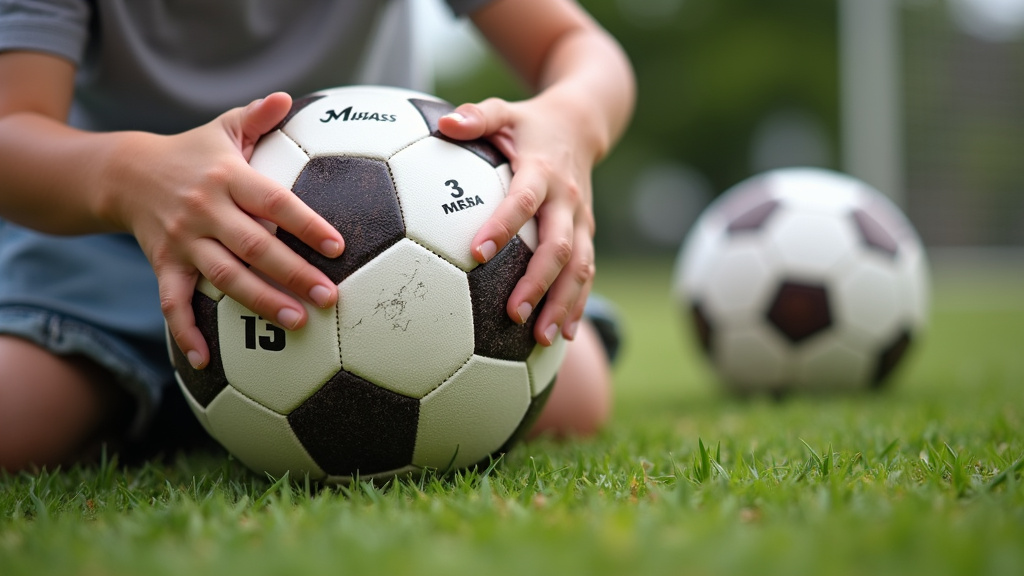
The Size 3 ball is often misunderstood as just a smaller version of the real thing. Its role is more specific. For players under 8 years old, it’s a primary training tool designed for coordination and basic ball familiarity, not for match replication.
At 58-60 cm in circumference and only 300-320 grams, it’s proportioned for small hands and feet. A five-year-old can actually get their fingers around it to practice basic throwing and catching for goalkeeping basics. They can trap it under their foot. They can kick it with something resembling form because it doesn’t overwhelm their little legs.
I stocked my club’s U6 academy with Mikasa Size 3 foam-buffed balls one season. The difference in engagement was immediate. Kids weren’t scared of being hit by a heavy ball, so they got into tackles. They could actually dribble in a straight line. The session noise changed from frustration to laughter. That’s the point.
Its best use is in tight-space drills, coordination exercises, and as a first ball for backyard play. It is rarely, if ever, used for formal youth matches, most U8 leagues have already moved to a Size 4 for games. Think of it as the training wheels that build the neural and muscular connections for ball control.
How the Right Size Impacts Player Development

Choosing a ball isn’t about checking an age box. It’s a direct intervention in a player’s technical growth. The wrong size doesn’t just make things harder; it teaches the wrong movements.
A ball that’s too heavy (a Size 5 for a U10 player) forces several bad adaptations:
* Shot Technique: The player can’t generate enough lift with proper form, so they resort to toe-poking or leaning back excessively to scoop the ball. This ingrains a weak, inaccurate striking motion.
* Passing & First Touch: The heavier ball stings the foot on impact, teaching players to recoil or “block” a pass rather than receive it softly. Their first touch becomes a bounce off their foot instead of a cushion into space.
* Dribbling Confidence: The effort required to push the ball forward with each touch is greater, leading to heavier touches and less close control. The player loses the feeling of having the ball “on a string.”
Conversely, a ball that’s too light (using a worn-out, under-inflated Size 4 for a U14 match) also creates problems. It floats in flight, making long passing and shooting unpredictable. It doesn’t provide enough resistance for strength training, and it can encourage a slappy, ankle-less kicking technique because it moves so easily.
The transition from Size 4 to Size 5 is a critical period. It shouldn’t be an automatic switch at age 13. Watch the player. Can they strike a Size 4 cleanly and consistently with both feet? Is their first touch controlled? If yes, introduce the Size 5 in training gradually, maybe start with passing drills, then move to shooting. Let their muscles and touch adapt over weeks. Forcing the full switch on day one of the season is a classic coaching error that sets technical progress back a month.
Futsal Balls: The Critical Distinction
This is where countless people waste money. A Futsal ball is a different category of equipment, not just a smaller soccer ball.
A Size 4 Futsal ball is built for a hard, indoor court surface. Its key specification is low bounce. It’s typically filled with foam or a special low-pressure bladder and has a stitched, felted, or suede-like outer covering to grip the flat floor. The ball is designed to stay on the ground, promoting quick, one- and two-touch passing and dribbling in tight spaces.
An outdoor Size 4 soccer ball, built for grass, has a much higher bounce. Using it for futsal creates a chaotic, uncontrollable game where the ball is constantly pinging around like a superball. It defeats the purpose of the sport.
If you’re playing on a gym floor or a concrete futsal court, you must buy a ball labeled specifically for futsal or indoor soccer. These have their own indoor soccer balls standards and sizing, often labeled as “Size 4” for senior play and “Size 3” for junior play, but the construction is what matters.
Choosing the Right Ball for Training vs. Matches
Not all Size 5s (or Size 4s) are created equal. There’s a tiered system, and understanding it saves you from buying a premium match ball for daily wall-kicking practice.
- Replica / Training Balls: These are the workhorses. Brands like the Adidas Tiro League or Nike Premier are typical. They use durable machine-stitched or thermally bonded TPU panels, a rubber bladder, and are built to withstand daily abuse on asphalt, concrete, and muddy grass. They offer decent performance and consistency at a good price. This is what you want for 90% of team practice session footballs.
- Match Balls: These are the higher-tier models, like the Adidas Champions League Finale or the Nike Flight. They feature premium materials (often hand-stitched), advanced bladder systems for perfect sphericity and air retention, and textured surfaces for enhanced grip and flight stability. They are more responsive and precise but also more delicate and expensive. Use them for games and serious pre-match training only.
- High-Visibility / Specialty Balls: These have bright colors or patterns for low-light training. The construction is usually training-grade, but the visibility feature makes them excellent for evening practices.
For a youth player, one or two good-quality training balls are the best investment. A premium match ball is a luxury that often gets ruined on a rough surface in two weeks. Check reviews for durable training balls known for holding air and shape.
Frequently Asked Questions
Can a 10-year-old use a Size 5 ball?
Technically, some larger or advanced 10-year-olds might handle it, but it’s not recommended for regular training. The weight and size will compromise their developing technique. Stick with a Size 4 for all skill development. They can occasionally practice with a Size 5 to get used to the feel, but their primary ball should be the correct size.
What is the PSI for a Size 4 vs. a Size 5 ball?
For training balls, a Size 4 typically performs best between 8.5 and 9 PSI. A Size 5 training ball is usually between 9 and 10 PSI. Official match ball specifications allow for higher pressures (up to 15.5 PSI for a Size 5), but that creates a very hard, fast ball unsuitable for young players. Always use a pressure gauge.
Is there a Size 2 soccer ball?
Yes, but it’s extremely niche. A Size 2 ball is even smaller than a Size 3 (about 45-50cm) and is used almost exclusively for souvenir purposes or very specific skill trainer devices. You will almost never see it used in any organized youth soccer program.
How long should a soccer ball last?
good-quality training ball used on grass 2-3 times a week should last 1-2 seasons. Balls used exclusively on asphalt or concrete will wear much faster, often lasting only a few months before the outer casing degrades or the bladder fails. Inspect it regularly for loss of shape, deep cuts, or consistent air loss.
My league says Size 4 for U12, but my child is small for their age. What should I do?
Follow the league rule for official matches. However, for all individual training at home, in the garden, or at the park, get them a high-quality Size 4. The slightly smaller, lighter ball will build their confidence and technique faster. Forcing a small-framed child to use a Size 5 in their own practice time is a sure way to stall their development.
Before You Go
The right ball size is a non-negotiable piece of equipment. It’s not a detail. A Size 3 builds confidence in the youngest players. A Size 4 is the perfect engine for technical mastery between ages 8 and 12. A Size 5 is the standard tool for the competitive game from adolescence onward.
Ignore the vague charts. Match the circumference and weight to the FIFA standard for the player’s age and league. Remember that weight impacts technique more than diameter. And never confuse a futsal ball with a small outdoor ball, they are built for completely different games. Invest in a decent training ball for the daily grind, use a pressure gauge, and let the player’s comfort and developing skill be your final guide, not just a date on a calendar.
I come from the “soccer heart” of Germany, the Ruhrpott. I have played, trained and followed soccer all my life and am a big fan of FC Schalke 04. I also enjoy following international soccer extensively.