Soccer Team Size Explained: Players, Subs & Rosters
A soccer team size is eleven players on the field, with a maximum of five substitutes allowed from a matchday squad. Teams must have at least seven players to continue. Official rules permit three substitution opportunities during regular play to use the five subs, with half-time being a separate, unlimited window.
A soccer team size, including substitutes, is defined by the Laws of the Game: a maximum of eleven players on the field, a minimum of seven to continue a match, and a maximum of five substitutes allowed in official competitions, with three substitution opportunities during regular play. Substitutes must be named before the match, and the specific rules for naming and using them are set by the competition organizer. FIFA, UEFA, or your national association.
Most people get this wrong because they think the five-substitute rule means you can make five separate changes whenever you want. That’s not how it works. You get three windows to make those changes during the ninety minutes. If you use all three opportunities by the 70th minute, your fifth substitute sits on the bench unused. Half-time doesn’t count as an opportunity, but it’s your only chance to swap multiple players without burning a window.
This guide walks through the exact numbers for players on the pitch, the official substitution limits that shape modern tactics, the critical difference between a matchday squad and a full-season roster, and how all this changes for youth games, extra time, and one-off international friendlies.
Key Takeaways
- A match cannot start or continue if a team has fewer than seven players on the field.
- The five-substitute rule in top competitions comes with only three substitution opportunities during regular play, half-time swaps are free.
- Unnamed substitutes cannot play. The list handed to the referee before kick-off is binding.
- Return substitutions are banned in senior professional football. A player who leaves the pitch stays out.
- Squad size is a strategic calculation. A 25-player season roster supports a 20-player matchday squad across multiple competitions with varying rules.
How Many Players Are on a Soccer Team?
Look at the pitch at kick-off. You see eleven players. One is the goalkeeper. The other ten are spread across defense, midfield, and attack according to the manager’s chosen team formations. That’s the standard 11v11 format for senior football worldwide.
The rule is absolute. A team must have eleven players to start a match. If they drop below seven players during play, because of injuries, red cards, or players walking off, the referee can abandon the match. The referee isn’t forced to stop immediately if a team deliberately reduces its numbers, but once the ball goes out of play, the game cannot resume with fewer than seven.
Common mistake: Assuming a match stops automatically when a team loses a player, the referee only abandons it if the team falls below seven players and cannot continue, which often happens after a stoppage, not during live play.
That eleven is just the on-field count. The matchday squad includes the starters plus the substitutes named on the team sheet. In the Premier League, Bundesliga, or La Liga, that’s usually eighteen players total, eleven starters and seven substitutes. UEFA Champions League rules allow for twelve substitutes on the sheet, so your matchday squad climbs to twenty-three. The size of the official match roster you can name varies by competition.
TL;DR: Eleven players start, seven is the absolute minimum to continue, and the matchday squad includes all named substitutes, usually 18 to 23 players.
The Official Substitution Limits
The substitution allowance isn’t a single number. It’s a layered rule: how many substitutes you can name, how many you can use, and how many times you can stop the game to make a change.
In official competitions, top-division clubs and senior ‘A’ international matches, teams can use up to five substitutes. They have three opportunities to make those changes during regular play. Substitutions made at half-time do not count as an opportunity. If a match goes to extra time, competitions may grant one additional substitute and one additional opportunity. Changes made between full-time and extra time, or at half-time in extra time, are free.
A team can name a maximum of fifteen substitutes for a senior ‘A’ international match, according to the IFAB Laws of the Game, and may use up to six of them. In other matches, if both teams agree and tell the referee before kick-off, they can use more than six substitutes. Without that agreement, the limit is six.
The procedure is rigid. Every substitute must be named on the team sheet given to the referee before the match. An unnamed player cannot enter the pitch. The referee must be informed of any substitution before it happens. The player leaving must get the referee’s permission and exit at the nearest boundary line, unless the referee says otherwise. Most players just jog off near the technical area.
I learned the consequence of ignoring the naming rule watching a Bundesliga match a few years back. Schalke had an injury crisis. They’d listed only six substitutes. Their seventh eligible player sat in the stands. When two starters got hurt early, they could only make five changes. The sixth guy never got his boots on. Managers now list every possible player.
TL;DR: Five substitutes, three opportunities. Half-time is free. Name them all beforehand or they can’t play.
Substitution Rules and Strategic Windows
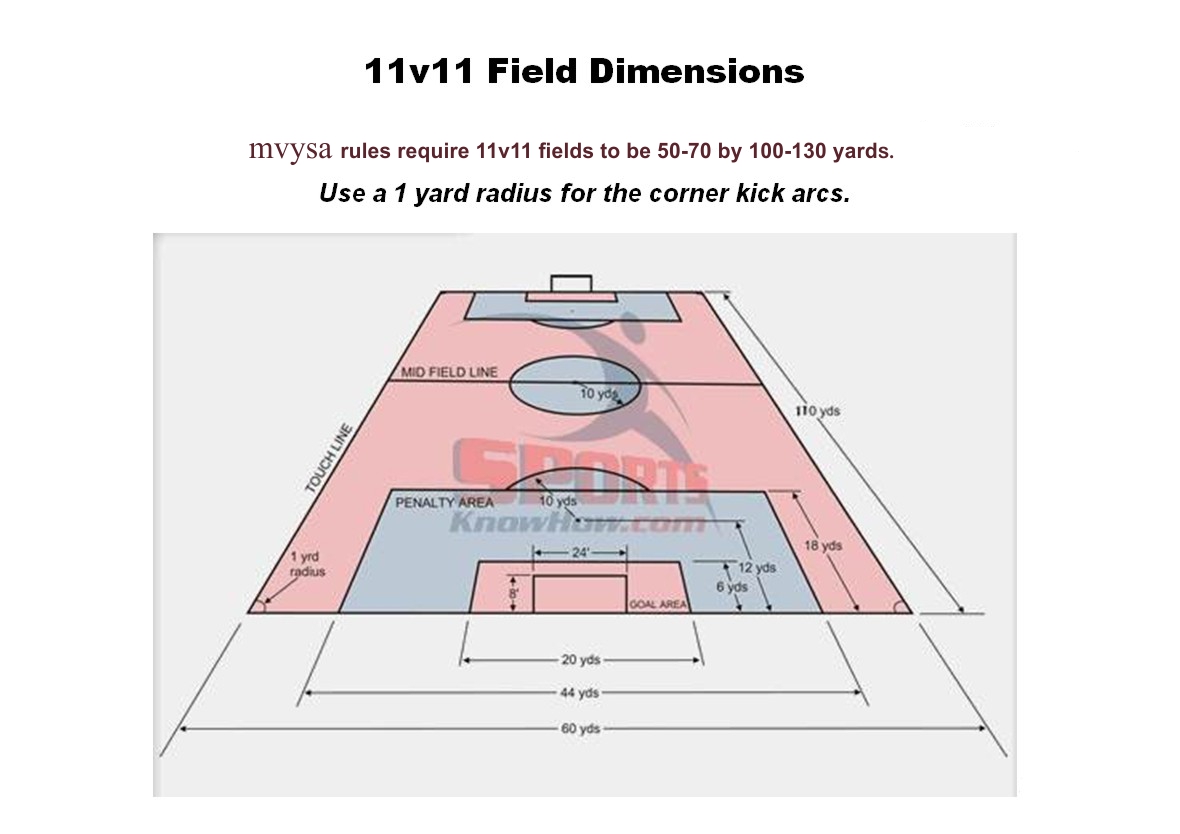
The three-opportunity limit changes how managers think. You don’t get five separate pauses. You get three.
| Substitution Window | Strategic Use | Risk If Misused |
|---|---|---|
| First half (before ~30 min) | Injury replacement or tactical adjustment for a clearly failing player | Burns an opportunity early, leaving only two for fatigue management later |
| Half-time (free) | Multiple changes to reshape tactics without using an in-play opportunity | None—this window is free and doesn’t count against the three |
| Second half (after ~60 min) | Fresh legs to press high or defend deep, manage fatigue | Using it too late (after 85 min) means substitutes have little impact |
| Extra time (if granted) | One additional change to address exhaustion or injury | If not used, the team plays extra time with fatigued starters |
If you use your first opportunity in the 20th minute for an injury, you now have only two left for the remaining seventy minutes. Smart managers keep one opportunity for the final fifteen minutes, when fresh legs can decide a match.
The substitution procedure is a formal interruption. The fourth official holds up an electronic board. The player coming off must leave the field. The new player enters from the halfway line. It’s not a free-for-all. I’ve seen referees delay a substitution because the player leaving took a slow walk across the pitch. That eats into your team’s momentum.
Common mistake: Making a substitution in the 88th minute, the player has barely two minutes to affect the game, and you’ve wasted an opportunity that could have been used ten minutes earlier for a player who could actually press or defend.
Return substitutions, where a substituted player can re-enter the match, are not allowed in senior professional football. Once a player leaves, they’re done. This rule exists only in youth, veterans, disability, and grassroots football, where it helps manage limited squad sizes. In those formats, rolling substitutions or unlimited changes are common.
Concussion substitutions are a separate category. Competitions can allow one additional permanent substitute per team if a player suffers a suspected concussion. The team doesn’t lose a substitution opportunity, and the concussed player cannot return. This is a pure safety measure.
Roster Size vs. Matchday Squad
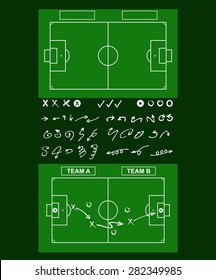
Your club’s season roster might have thirty players. Your matchday squad lists only eighteen. That gap is where planning happens.
A Premier League club registers a squad of up to twenty-five players over twenty-one years old for the season. They can also use any number of under-twenty-one players. That’s the roster. For each match, they pick eleven starters and seven substitutes from that roster, the matchday squad. Injuries, suspensions, and tactical choices decide who’s on the sheet.
| Competition | Maximum Registered Roster | Maximum Matchday Squad | Substitutes Allowed |
|---|---|---|---|
| Premier League | 25 (over 21) + unlimited U21 | 18 | 5 |
| UEFA Champions League | 25 (List A) + unlimited U21 | 23 | 5 |
| Bundesliga | No fixed limit | 18 | 5 |
| International Friendly (A) | 23 | 23 | 6 |
The Champions League rules are tighter. List A requires at least eight “locally trained” players. List B is for youth players. The matchday squad can include twelve substitutes, making the total twenty-three. This forces clubs to balance star power with development.
A smaller roster risks exhaustion across multiple competitions. A larger roster costs more and creates selection headaches. Most top clubs operate with a core of twenty-five to thirty players, knowing three or four will be unavailable each match through injury.
TL;DR: The season roster is your pool. The matchday squad is your weekly selection. The difference is where squad management wins or loses leagues.
How Player Numbers Change in Different Formats
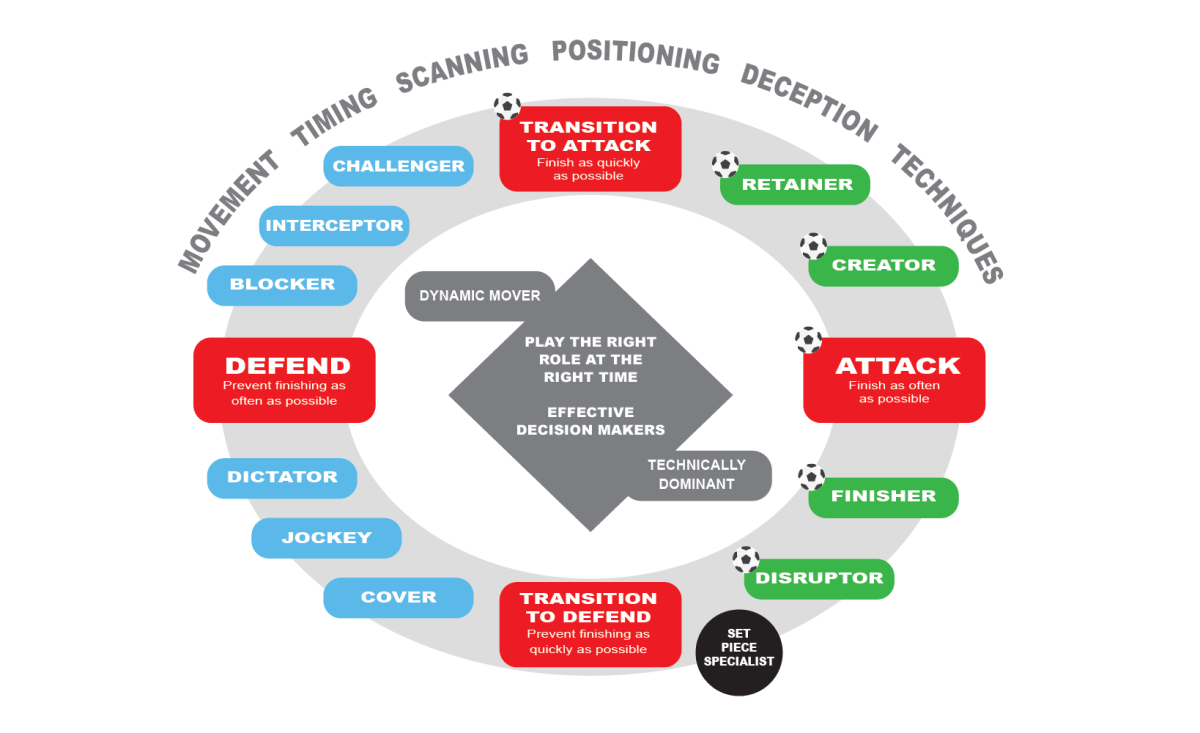
Youth football doesn’t use 11v11. Smaller pitches and fewer players change the dynamics.
Under-10 matches often play 7v7. Each team has seven players on the field, usually with no goalkeeper or a dedicated keeper. Substitution rules are relaxed, often unlimited with return substitutions allowed. The focus is participation.
Under-12 to Under-14 moves to 9v9. Nine players per side, with a goalkeeper. Substitutions remain more flexible than senior rules, but some competitions start limiting changes to prepare players for 11v11.
Futsal is five players per side on a hard court. Rolling substitutions are the norm, players can come and go continuously. There’s no limit on the number of changes or opportunities. It’s a different sport with different rhythms.
Amateur and recreational leagues sometimes set their own rules. A local Sunday league might allow ten substitutes and free return substitutions. Always check the competition’s specific regulations. The substitution regulations you follow in a Bundesliga match don’t apply here.
The shift from flexible youth rules to rigid senior rules is a real adjustment. Players who grew up with unlimited swaps suddenly face the three-opportunity limit. They must learn to manage fatigue for ninety minutes.
Why These Rules Shape Modern Football
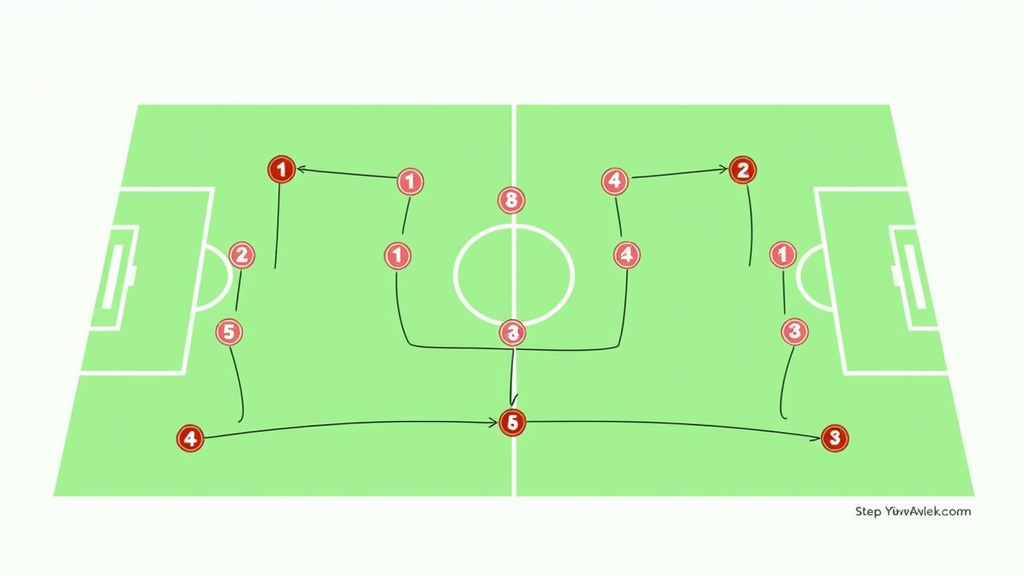
The five-substitute rule arrived as a temporary measure in 2020. FIFA introduced it to help manage player fatigue during congested schedules after the pandemic. It stuck because it works.
More substitutes mean more tactical flexibility. A manager can change three forwards and two midfielders without sacrificing defensive stability. It also means more squad rotation. Players don’t have to play ninety minutes three times a week.
But the three-opportunity limit forces strategy. You can’t just throw fresh legs on whenever you feel like it. You must pick your moments. This creates a cat-and-mouse game between managers watching each other’s substitution patterns.
The rules also protect the game’s flow. Unlimited stops would turn football into a fragmented mess. The three windows keep the rhythm intact.
From a club perspective, the substitution limit demands a deeper squad. You need players who can actually contribute, not just fill a sheet. Investing in a quality substitute becomes as important as investing in a starter.
Frequently Asked Questions
Can a soccer team play with fewer than eleven players?
Yes, but only if players leave during the match. A team must start with eleven. If injuries or red cards reduce them to ten or nine, the match continues. If they drop below seven, the referee can abandon the match once the ball goes out of play.
How many substitutes can a team use in extra time?
Competition rules may allow one additional substitute in extra time, plus one additional substitution opportunity. Substitutions made between full-time and the start of extra time, or at half-time in extra time, do not count as opportunities. This means a team could use six substitutes total if they had one remaining from regular play and the extra-time allowance.
Can a substituted player come back into the game?
No, in senior professional football. Returning after substitution is prohibited. Once a player leaves, they are done for that match. Return substitutions are permitted only in youth, veterans, disability, and grassroots football, where rules are more flexible.
What is a concussion substitute?
concussion substitute is an additional permanent substitution allowed if a player suffers a suspected concussion. The team does not lose a regular substitution opportunity, and the concussed player cannot return. This is a safety protocol adopted by many competitions following IFAB guidelines.
Do all leagues use the five-substitute rule?
Most top-tier professional leagues now use the five-substitute rule with three opportunities. Some lower divisions, amateur leagues, or youth competitions may use different limits, like three substitutes or unlimited changes. Always check the specific competition regulations.
How does the substitution rule affect tactics?
The three-opportunity limit forces managers to plan substitution windows strategically. Early changes for injuries cost opportunities. Late changes for fresh legs can decide matches. The rule encourages managers to keep one opportunity reserved for the final twenty minutes, where a new player can press or defend intensely.
Before You Go
Soccer team size isn’t just a number. It’s a framework that defines how the game is played, managed, and watched. Eleven players start, seven is the floor, and five substitutes can change everything, but only if you use three windows wisely.
The difference between a thirty-player season roster and an eighteen-player matchday squad is where clubs build depth. The shift from unlimited youth substitutions to the rigid senior rule is where players learn endurance.
Check your competition’s rules before you assume anything. The maximum number of subs in a Champions League match differs from a local Sunday league. The referee’s team sheet is final. Unnamed players don’t play.
Finally, the five-substitute rule is here to stay. It balances player welfare with game flow. Use it, plan for it, and remember that half-time is your free window to reshape a match without burning an opportunity.

I come from the “soccer heart” of Germany, the Ruhrpott. I have played, trained and followed soccer all my life and am a big fan of FC Schalke 04. I also enjoy following international soccer extensively.