Vinicius Jr: From Flop to World Cup Star — The Full Story
The career and World Cup story of Vinicius Júnior is defined by a record-breaking transfer, a dramatic transformation from flop to superstar at Real Madrid, and the immense pressure to finally replicate that brilliance for Brazil on the global stage, especially with the 2026 World Cup approaching.
Most articles treat him as a finished product, a simple highlight reel of dribbles and trophies. They skip the three years of genuine doubt in Madrid, the whistles from his own fans, and the specific tactical disconnect that still haunts him in a Brazil shirt. That’s the real story.
This guide traces his journey from the favelas of Rio to the Bernabéu, breaks down the Ancelotti masterclass that changed everything, and tackles the million-dollar question facing Brazilian football: can Vini Jr. carry the Seleção to a sixth star?
Key Takeaways
- Vinicius’s move to Real Madrid for €45 million at 17 was met with widespread ridicule in Brazil after a quiet debut season at Flamengo, labeling him a risky flop before he even arrived in Spain.
- Carlo Ancelotti’s 2021 return to Madrid was the catalytic event, shifting Vini from a wasteful winger to a ruthless inside forward; his goals in the 2022 and 2024 Champions League finals cemented his world-class status.
- Despite his club dominance, his output for Brazil (8 goals in 47 caps) has been underwhelming, largely due to a lack of cohesive team structure and him being easily isolated by compact defenses.
- With Neymar’s influence waning, Vinicius is now the undisputed focal point of Brazil’s attack, facing unparalleled pressure to deliver at the 2026 World Cup.
- The appointment of Carlo Ancelotti as Brazil’s head coach is the single most significant factor for unlocking Vinicius’s full international potential, replicating the club environment where he thrives.
From Rio Prodigy to Madrid’s “Flop”
Vinicius José Paixão de Oliveira Júnior’s football journey started in São Gonçalo, a tough Rio de Janeiro district. His early talent at Flamengo’s academy was undeniable, marked by a breathtaking 2017 South American U-17 Championship where he was player of the tournament. Real Madrid’s subsequent €45 million gamble on the then-16-year-old shattered the transfer record for a teenager. Brazil laughed. He had played just 20 senior minutes.
Vinicius Júnior’s 2018 transfer from Flamengo to Real Madrid was finalized for a reported €45 million, a record fee for an under-19 player at the time. The move was completed under FIFA’s Article 19, allowing the transfer of minors between clubs in different nations under specific conditions for sporting and educational development.
His first years in Madrid justified the skepticism. The presentation ceremony tricks went wrong. His decision-making in front of goal was frantic. For every flash of blistering speed, there was a miscontrolled pass or a shot fired into the stands. The Spanish press and a segment of fans labeled him a costly flop. This wasn’t the narrative of a typical teenage soccer prodigy; it was a very public, very expensive struggle.
His initial Brazil call-ups mirrored this frustration. While he shone for youth teams, the senior side was a different puzzle. He was trying to force the issue, to justify the hype with every touch. It didn’t work.
TL;DR: Madrid’s massive bet on a teenaged Vini looked foolish for three years, with his raw talent buried under poor end product and mounting pressure.
The Ancelotti Factor: Unlocking Vini’s Brazil Form
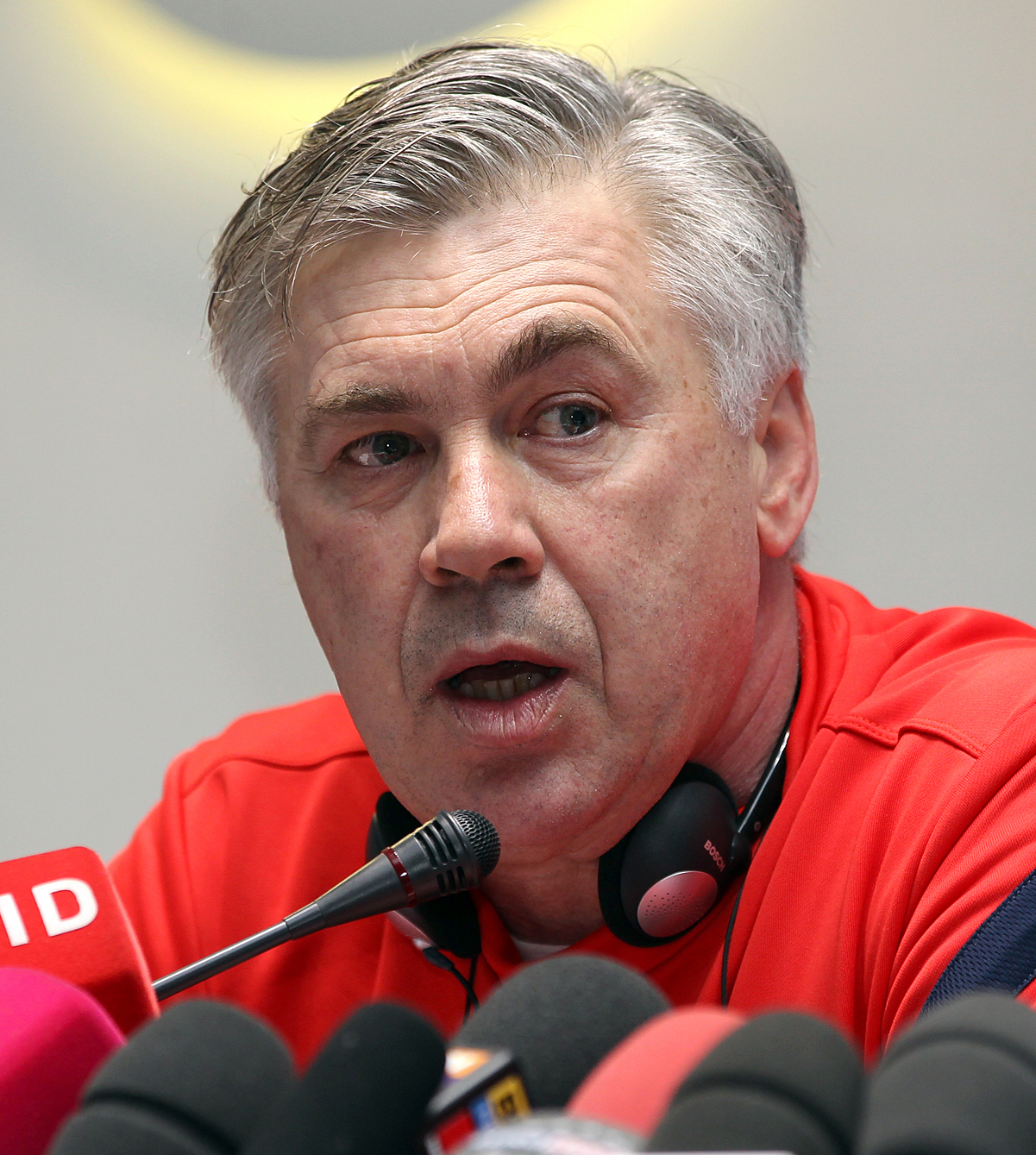
Photo: Doha Stadium Plus Qatar Photograph: Mohan (www.dohastadiumplusqatar.com) / Wikimedia Commons / CC BY 2.0
The turning point arrived with a familiar face: Carlo Ancelotti. When the Italian returned to Real Madrid in 2021, he made Vinicius his project. The instruction was simple yet transformative: stop trying to do everything, and start deciding games. Ancelotti moved him from a pure touchline winger to an inside forward, positioning him to attack the space between full-back and centre-back. The focus shifted to timing, movement, and that final ball.
.jpg)
The numbers exploded. He became clutch. The winning goal in the 2022 Champions League final against Liverpool. Another in the 2024 final against Borussia Dortmund, earning him the tournament’s best player award. The 2024 Ballon d’Or runner-up finish. The The Best FIFA Men’s Player award. This was no longer potential; this was a dominant player of 2026 arriving ahead of schedule.
Yet, the Brazil jersey remained a paradox. For every dismantling of Manchester City, there was a quiet night for the Seleção. The reason isn’t mystical. At Madrid, he operates within a precise, possession-based system with Karim Benzema (and later Jude Bellingham) creating space and combining. For Brazil, under a revolving door of coaches, he was often left isolated on the left, expected to beat two or three defenders alone. There was no cohesive soccer tactics guide being executed.
Common mistake: Blaming Vinicius’s quiet Brazil games on a lack of effort or big-game temperament, the real issue is structural. Isolate him without overlapping support or interior link-up play, and even the world’s best dribbler becomes predictable.
The table below breaks down the stark contrast in his effectiveness.
| Metric | With Real Madrid (System) | With Brazil (Isolation) |
|---|---|---|
| Primary Role | Inside forward in a coordinated 4-3-3 | Isolated left winger, expected to create alone |
| Support System | Overlap from Mendy, interplay with Benzema/Bellingham | Often lacks overlapping full-back or a connecting #10 |
| Defensive Attention | Drawn away by other elite threats | Doubled or tripled immediately, the sole marked danger |
| Result | Space to exploit, decisive in big finals | Crowded out, forced into low-percentage dribbles |
TL;DR: Ancelotti’s structured system at Madrid made Vini a superstar. Brazil’s historical lack of a similar plan has left him stranded, making his talent easy to negate.
The 2026 World Cup Pressure: Leading the Seleção
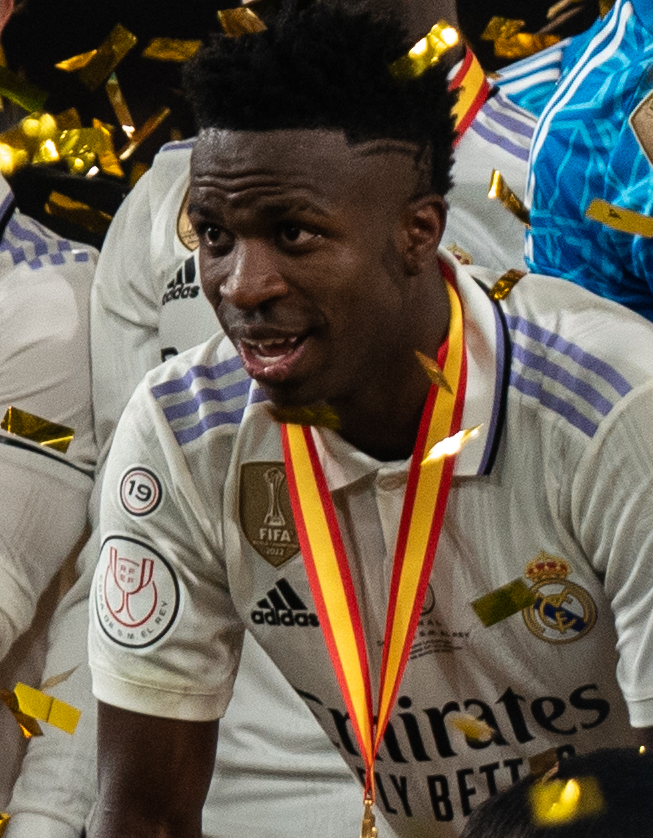
Photo: Junta de Andalucía / Wikimedia Commons / CC BY-SA 2.0
The timeline is clear. Neymar’s era of carrying the Brazilian soccer legends mantle is over, hampered by age and injury. The torch has passed. Vinicius Jr. is now the face, the hope, the player the entire Brazil’s footballing heritage is leaning on for the 2026 World Cup. He knows it. “I feel happier and more confident than ever,” he’s said, but confidence must now translate into leadership on the pitch.
.jpg)
The pressure is a different beast. At Madrid, he shares the burden with a squad of stars. For Brazil, especially in a World Cup, the narrative is singular. He is the one expected to provide the magic, to be the global fanbase‘s headline act. This psychological weight has crushed talents before. His response will define his legacy far more than another La Liga title.
Crucially, help is emerging. The rise of Endrick offers a central focal point. The steady presence of players like Bruno Guimarães provides stability. But the tactical blueprint must come from the top. This is why the Brazilian Football Confederation’s pursuit of Carlo Ancelotti was so desperate, and his eventual appointment so logical. It is the ultimate strategic move to bridge Vinicius’s club and country divide.
I watched Schalke develop similar young talents under intense pressure in the Ruhrpott. The ones who thrived had a clear tactical identity and a coach who believed in them unconditionally. Ancelotti is that for Vini. Without that same clarity in a Brazil shirt, even his immense talent can look ordinary.
The path to 2026 isn’t just about Vinicius playing well. It’s about building an entire team structure that forces opponents to make impossible choices. Do you double-team Vini and leave space for Endrick? Do you sit back and let him combine with a midfield runner? Currently, opponents just crowd him. Ancelotti’s first job is to make that a losing strategy.
TL;DR: Vini is now Brazil’s undisputed main man for 2026, facing immense pressure. Ancelotti’s hiring is the clearest attempt to build a team that forces opponents to defend more than just one player.
Club Legacy vs. International Quest
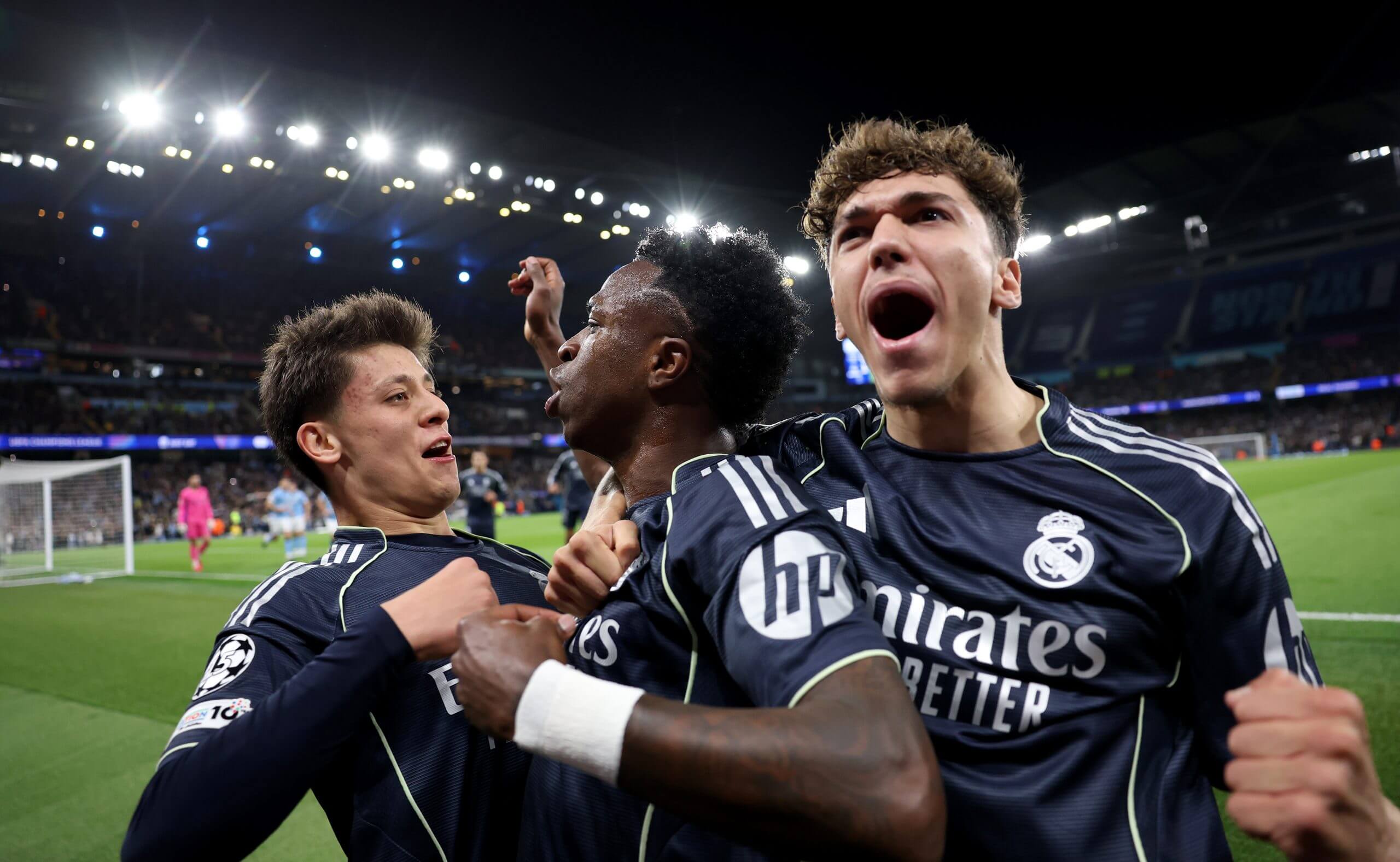
Photo: new york times / Wikimedia Commons / CC BY 4.0
Assessing Vinicius Jr. requires two separate scorecards. His club history at Real Madrid is already legendary. Multiple Champions League titles, decisive final goals, and individual accolades place him among the current global elite. He has conquered the club game.

His international career remains a work in progress. Eight goals in 47 caps is a modest return for a player of his calibre. The 2022 World Cup offered a glimpse, a goal and an assist in the rout of South Korea, but the quarter-final exit to Croatia was a collective disappointment where he couldn’t impose himself.
The quest now is integration. Can he become the focal point of a triumphant national team as his Argentine superstar rival Lionel Messi did? The comparison is inevitable. Messi’s legacy was cemented by finally lifting the World Cup with Argentina, transforming his narrative. Vinicius faces a similar journey.
The tools are there. His pace destroys transitions. His improved finishing punishes mistakes. His confidence, once a liability, is now his armor. But international football, especially in the knockout rounds of a World Cup, is a chess match of strategic adjustments. Space is minimal, mistakes are fatal. His game must evolve again, from pure devastation to calculated, moment-defining brilliance.
This duality, the completed club superstar and the evolving international leader, is what makes his story so compelling. He isn’t chasing greatness; he’s chasing a specific, historically significant type of greatness that only a World Cup can confer.
Frequently Asked Questions
How many World Cup goals does Vinicius Jr have?
Vinicius Jr scored his first and only World Cup goal to date in the 2022 tournament, netting Brazil’s fourth in their 4-1 Round of 16 victory over South Korea.
Why isn’t Vinicius Jr as good for Brazil as he is for Real Madrid?
The primary reason is tactical. At Real Madrid, he plays in a defined system under Carlo Ancelotti with specific support roles around him. For Brazil, he has often been tactically isolated, asked to create alone against packed defenses without the same structural support or cohesive game plan.
What did Carlo Ancelotti change about Vinicius’s game?
Ancelotti transformed Vinicius from an erratic, pace-only winger into a decisive inside forward. He simplified his decision-making, focused his movement into central scoring areas, and instilled a clinical mentality, directly leading to his match-winning goals in Champions League finals.
Is Vinicius Jr faster than Kylian Mbappe?
While both possess elite, world-class speed, direct comparisons are difficult without official match data from identical situations. Both are undoubtedly among the fastest soccer players on the planet, with Vinicius’s acceleration over the first 10-15 yards being particularly devastating.
Who did Vinicius Jr replace at Real Madrid?
He wasn’t a direct like-for-like replacement, but his rise coincided with the departure of Cristiano Ronaldo in 2018. Over time, he has grown into the role of the team’s primary left-sided attacking threat and a major source of goals, filling the void left in terms of offensive output and star power.
The Bottom Line
Vinicius Júnior’s career is a masterclass in resilience and tactical evolution. He weathered the “flop” label, embraced Ancelotti’s coaching, and became a football icon at the club level. Now, the final chapter of his story is being written with the Brazilian national team.
The 2026 World Cup is the ultimate canvas. With the architect of his club success now leading his country, the pieces are aligning. The pressure is immense, the expectation is a sixth star, and the responsibility rests squarely on his shoulders. For Vinicius Jr., the journey from the favelas of Rio to the pinnacle of world football awaits one final, defining step.
I come from the “soccer heart” of Germany, the Ruhrpott. I have played, trained and followed soccer all my life and am a big fan of FC Schalke 04. I also enjoy following international soccer extensively.